Celebrating: The Goldsboro Books Contemporary Romantic Novel Shortlist!


RNA Contemporary


The Goldsboro Books Contemporary Romantic Novel 

Goldsboro Books is the UK’s leading independent bookshop, specialising since 1999 in first editions, signed, collectable and exclusive books. Situated in Cecil Court in London’s West End, and – as of December 2020 – Brighton’s famous Lanes, it has gained a reputation for championing debut authors, as well as creating the UK’s largest book collectors’ club, and is influential in selling large quantities of hard-back fiction. 

Every author has their own unique story to tell about how and why they came to be a novelist. Read on to find out the stories behind the talented authors shortlisted for the prestigious award, as they reveal them, and the inspiration behind their lovely novels.

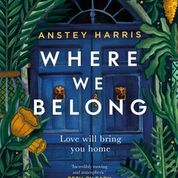
Where We Belong – Anstey Harris  

Simon & Schuster  

It has been a goal of mine, for a long time, to write a novel featuring someone with a learning disability whose disability doesn’t define them and whose story arc isn’t connected to that disability. Wrapping that up in a love story made it even more valuable thing to write about – love is the thing that binds us, that makes the world go round, and something we all have a right to experience. 

Harris -where we belong coverHarris - where we belong author

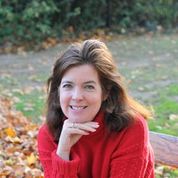
My One True North  – Milly Johnson  

Simon & Schuster  

I never wanted to be anything else but a novelist. Even when the sensible part of me was saying, ‘Get a proper job. Girls like you don’t become them,’ I never stopped dreaming. But such dreams need hard work behind them to come true so I gave it my all. I wanted to write books that made readers feel the way I did when reading the best ones: a willing prisoner trapped in the pages. 

Johnson- one true north coverJohnson- one true north author 

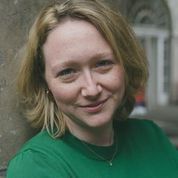
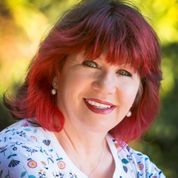
One Day In Summer – Shari Low  

Boldwood Books  

One Day In Summer was inspired by every woman I’ve ever known who put their own dreams to one side to take care of their family. The main character, Agnetha, wakes on her 40th birthday, having spent the last twenty years caring for her parents, her daughters, and the husband who left her for her best friend. It’s her time now. And Agnetha, just like all those other women, deserves another shot at life and at love.  

Low- day in summer authorLow- day in summer cover

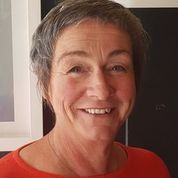
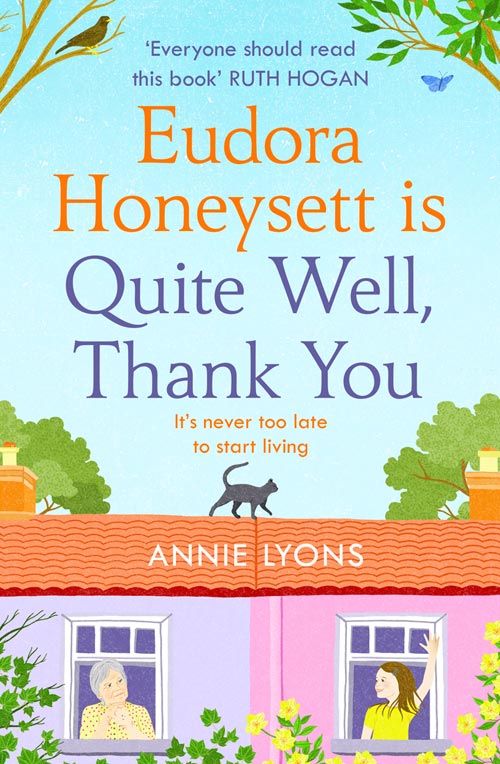
Eudora Honeysett is Quite Well, Thank You  – Annie Lyons  

One More Chapter, HarperCollins   

Eighty-five-year-old Eudora Honeysett is inspired in part by my mum. She also lived through the Second World War and they share that ‘dig for victory’ resilience. The irrepressible Rose, who befriends a reluctant Eudora, is inspired by every ten-year-old I’ve ever known bringing sparkle and relentless curiosity about life, death and everything in between! Their adventures with the recently-widowed Stanley help Eudora to reconsider this ‘noisy, moronic world’ and come to terms with her past. 

Lyons Eudora honeysett - authorEudora Honeysett (1)

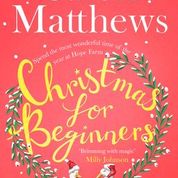
Christmas For Beginners  – Carole Matthews  

Sphere, Little, Brown  

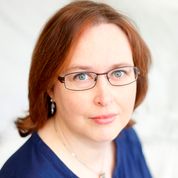
I won a short story competition in Writing magazine and did the most sensible thing I’ve ever done. I spent the prize money on a writing course. The tutor told me that my work-in-progress was good enough to send to an agent. He took me on straight away and sold the book within a week which became Let’s Meet on Platform 8. I never imagined that it would launch a career that would last twenty-four years and see me write thirty-four books.  

Matthews - christmas for beginners coverMatthews - christmas for beginners author

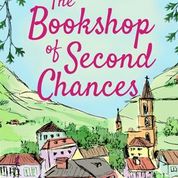
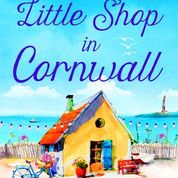
The Little Shop in Cornwall  – Helen Pollard  

Bookouture  

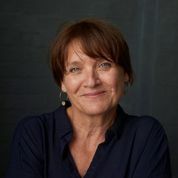
I always want my books to provide an escape from everyday life for my readers, transporting them to somewhere special. Since I love creating fictitious places set within a real region, what could be more fun than to dream up my very own pretty coastal Cornish village for The Little Shop in Cornwall? Beach, harbour, wooded cliffs, fishermen’s cottages… Perfect. As I was writing, I would sometimes forget that Porthsteren only exists in my imagination! 


Pollard- shop in cornwall coverPollard shop in cornwall - author

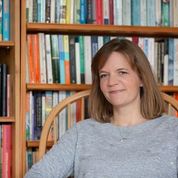
Mix Tape  – Jane Sanderson  

Bantam Press  

I’ve always listened to and loved music, but the idea for this novel actually arrived in a eureka moment; a waking thought one morning, that I should write a novel which harnessed and celebrated the power of song to speak to the heart. A girl and a boy lost to each other, then finding their way back, through music – that was the central premise, and it was pure joy for me as a writer to capture those heady, heart-hammering emotions inspired by the perfect song.  

Sanderson mix tape authorSanderson mix tape cover

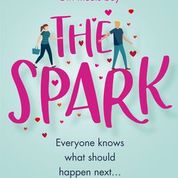
The Spark  – Jules Wake  

One More Chapter, HarperCollins  

Normally my books are about couples who gradually fall in love over the course of a book. With this story I wanted to explore those lovely falling in love moments from the outset but of course if they fall in love straight away, there is no story. The Spark was born when I thought about what conflicts might spoil that early happiness and how the characters will overcome them.   

Wake the spark authorWake the spark cover  

The winner will be announced on the 8th March 2021.

Please feel free to leave a comment or like the post.

Catching up with award winning author Janet Gover!

JG - 2019

Welcome back, Janet.

How time flies by. You were my guest back in 2014!

Wow – is it really that long? It’s great to be back chatting to you again.  

Since then a lot has happened – how have you found working during lockdown? Has it been a challenge to stay focused; mentally and physically?

2020 was a tough year for everyone. This year hasn’t started too well either, but I am holding on to hope that things are getting better – even if it’s a bit slow. The big change for me has been my husband working from home. Luckily we’ve managed to make him a small office at the other end of the house, as far away from my office as possible, so we don’t disturb each other too often when we’re working. But we do miss our Sunday walks that seemed to always end with a nice lunch at some pretty rural pub.

It has been hard to stay focussed, although writing is a great escape for me. And deadlines are a great motivator. I have kept to my schedule, but it’s been slighter harder work than in the past.  

How much has changed in your writing world since we first chatted?

So much… it’s hard to know where to start. I’ve just had my 14th book released. Close To Home is a story of two strong matriarchs in one small country town. I think it’s my favourite book. But I say that about every new book.

I have given up my ‘day job’ and am now a full time writer and writing tutor, which is the achievement of a long held dream.

And I’m now contracted to Harper Collins (Harlequin) Australia, who are just the best publishers I’ve ever worked with.

1080x1080_2

What have been the highlights?

So many highlights…. some of them are as simple as suddenly having that lightbulb moment when I’m struggling with a scene or a book.  The big ones? Let’s see…

In 2017 I won the RNA’s Epic Romantic Novel of The Year award for Little Girl Lost.  To receive such an award from an organisation that means so much to me was a real honour – even if Prue Leith did pronounce my name wrong when she announced it.

Finally writing the Wuthering Heights re-imagining I’ve always wanted to do. Heathcliff’s story set against the Thatcher years and the miners’ strike. I co-wrote this with my friend Alison May and I remain so very proud of it.

Meeting and signing with my agent, Julia Silk – who has turned my writing world around. And in the same breath, signing with my Australian publisher, and meeting my editor Rachael Donovan. Only virtually so far, but one day we will get to meet in person. There will be cake. 

You are now the organiser of the RNA’s amazing New Writers Scheme – please share what a challenging and yet rewarding experience this is?

For those who don’t know about it, it’s a scheme which gives 300 unpublished authors a chance to have a manuscript read by a experienced published author, who will offer some guidance on how to become a better writer and achieve that goal of publication. I graduated from the scheme more than a decade ago, and have been a reader for many years. Now I organise it. It’s very time consuming, but I love doing it… its nice to give something back for the help I received.

The hardest part is matching a new writer with the reader who can help them the most. And the very best part is when I get an email from a new writer who had been offered a publishing deal. That means so much to me and to the readers.

What are you working on now?

I’m deep in edits for book number 15. The working title is The Librarian’s Daughter and it’s scheduled for release in 2022. It’s based around a mobile library in rural Australia… just like the one that used to call on my little community.  And in some ways, it’s also a tribute to all the books I read and loved as I was growing up.

It’s a complex book, structurally. I’m trying to ensure that, for the reader, it doesn’t seem complex at all – but flows smoothly from one moment to the next.

What is next for Janet?

Hopefully, soon, a trip back to Australia. More books of course. I have been playing with a couple of ideas for very different books to my rural stories. I’ll always write those rural stories of course, because I love them so much. But maybe there’s room for something else too.

And one of these days – a long Sunday walk followed by a nice pub lunch.

Congratulations on your many successes and best wishes for all your future projects!

Thanks for stopping by again, Janet.

Close To Home

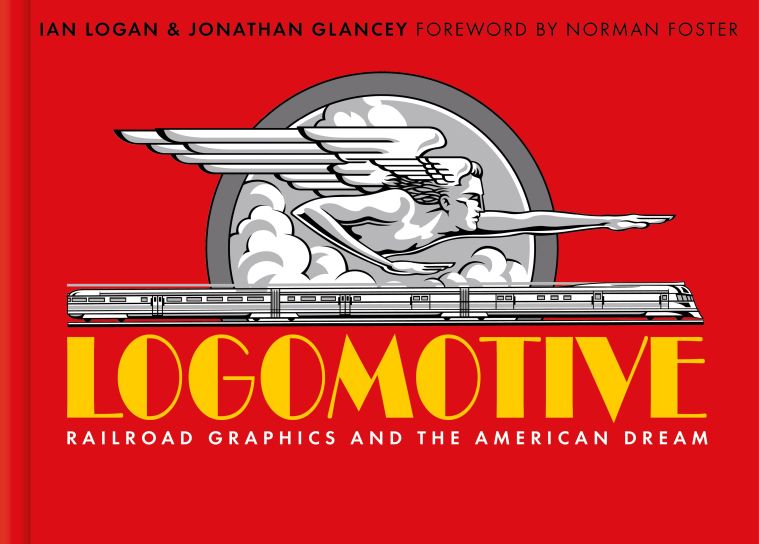
Meet Ian Logan and Jonathan Glancey, authors of Logomotive – Railroad Graphics and the American Dream.

Meet Ian Logan and Jonathan Glancey, authors of Logomotive – Railroad Graphics and the American Dream; a delightful visual tribute to the heyday of US railroad graphic.

Welcome, Ian and Jonathan,

Your careers to date are as colourful as the posters in your beautifully crafted book. What was the spark that ignited your passion for this project?

Jonathan:

Ian’s photographs of US trains – their logos, liveries, if sometimes dishevelled appearances – before so many American railroads were either closed or swallowed up by less characterful corporate giants from the 1970s.

Ian:

I have had a love for visual decoration for as long as I can remember. When I was very young I would stand outside the tobacconist’s shop in my village admiring the wonderful designs on the cigarette packs and cards. I still have a large collection of the cards.

Then when I first went to the US and saw “Americana” and my first US train with “Rock Island” on the side I was in heaven!

Did your love of the marketing designs, created to sell the dream image, capture your interest first or did that come out of a passion for trains and the history of the railroads?

Jonathan:

A fascination with trains, their looks, sounds and their habitat – stations, goods yards, viaducts, distant hills and engine sheds – before uncovering the history of railways themselves and how their services have been created for and sold to the public over the generations.

Ian: 

I have always loved machinery, especially steam locomotives. I was an apprentice in a company that made parts for the railways. I also have a love of old aircraft. For me it is the power, colour, speed, and visual excitement that is the passion.

3.      Was it your mutual love of design, or for the actual locomotives and the networks, that brought you together on this project?

Jonathan:

Design, yes. I hadn’t known that Ian was quite so keen on trains and railways as I am. I was a regular customer of the delightfully eclectic design shop he ran near Smithfield Market in the City of London. 

Ian:

Design is the inspiration, without doubt. I had read and knew about Jonathan from his articles and he used to come into my design store. He was the most obvious person to collaborate with.

4.       Do you still travel extensively on the networks and do have a favourite older locomotive that still operates in the US?

Jonathan:

I would love to travel again post-Pandemic! My favourite operational US steam locomotive is No 611, a very powerful, very fast and ultra-reliable glossy black, Indian red and gold-lined streamlined J-class 4-8-4 built in 1950 to pull Norfolk and Western Railway long-distance passenger trains like the Powhattan Arrow from Norfolk, Virginia to Cincinatti, Ohio. No 611 is as muscular as a heavyweight boxer yet as lithe as a marathon runner. 

Ian:

I have travelled on the network and would love to travel again. It’s a sensational way to view the country.

I loved the designs of the GM.  E and F unit diesel locomotives and their paintwork and liveries of the different railroads. I also have a love of the design functionality of modern US freight locos.

DSCF0297 Santa Fe logo IL

5.       Do you have a bucket list of ‘must see, visit, or find’ regarding the trains, lines or graphics?

Jonathan:

I’d really like to ride with the engineer and fireman on the footplate of the Union Pacific’s “Big Boy” No 4014, as, freshly restored to service eighteen months ago, this compelling black and anthracite liveried mobile thunderstorm tackles the mountainous route between Utah and Wyoming, its mournful whistle resounding through twisting passes, its train ideally at least a mile long. 

Ian:

I would love to ride in the cab of Union Pacific’s 600 ton 4-8-8-4 “Big Boy”.

I flew to LA before lockdown to see Big Boy while it was touring the western states for the Centenary of ‘The golden spike’. You could not but be in awe of the sheer size and power. 

6.       Do you have a favourite design – or designer’s work, that stands out for you?

Jonathan:

Henry Dreyfuss’s design of the New York Central’s peerless 20th Century Limited overnight express that ran from New York to Chicago from 1938, a masterpiece of cocktail-era Streamlined Modernism, and Paul Kiefer’s design of the cinematic silver and grey Class J3a locomotives that speared this supremely glamorous train between the two great American cities.

Ian:

There are a bunch of designers, illustrators and artists that I have admired over the years. Milton Glaser is way up there for originality and sheer inspiration. Pentagram design group for their original philosophy.

Raymond Loewy for his design styling of the Pennsylvania railroads S1 steam loco. And his design for the beautiful Greyhound Scenicruiser bus and logo.

DSCF1122

7.       How much has your own work and designs been influenced by this golden age?

Jonathan:

I’ve written about US locos and trains in my books Giants of Steam (2012) and The Journey Matters (2019). I show them in talks and lectures about architecture and design, too.

Ian:

Within the design group I had during the 60s to the late 90s it has always been there in the background.

8.       Since John Bull trains have come a long way, do you find they have lost or gained appeal to you?

Jonathan:

Most contemporary trains, however efficient, are anodyne and all but generic in terms of design. They could belong anywhere. There is no sense of place about them. Steam locomotives, whether shunting wagons in small yards or racing with restaurant car expresses are never less than alive. They have an elemental quality, a rhythmical one, too, that has never been replaced, much less bettered by later machinery. They belong to the townscapes and landscapes they inhabit.

Ian:

There was a time when the competition created all different trains and that excited thousands of young boys taking their numbers on stations all over the country but now they all look the same!

9.       Are there any designs that you have not managed to track down that you would like to collect? Do you collect originals?

Jonathan:

I’m not a collector. Over to Ian!

Ian:

I have a collection of English railway posters from the 1920s and 30s and love this period of art and illustration. There is one poster I would love to own. It’s part of a WW2 series illustrated by the great Frank Newbold titled ‘Your Britain fight for it now’. It shows a shepherd walking over a hill with his sheep and dog with the farm and sea in the distance. I also love the Batsford book jackets by Brian Cook depicting English country scenes.

10.   This book is a first, like the first railroad it is a pioneering work. Will there be a ‘Logomotive 2’?

Jonathan:

I think this depends on how many people buy a ticket to ride with Logomotive 1!

Ian:

Jonathan’s answer!

Logomotive: Railroad Graphics and the American Dream by Ian Logan and Jonathan Glancey, published by Sheldrake Press. 

Thanks for sharing your enthusiasm and insights for this beautiful project. I wish you both every continued success for Logomotive and all your future projects.

Thank you for being my guests!

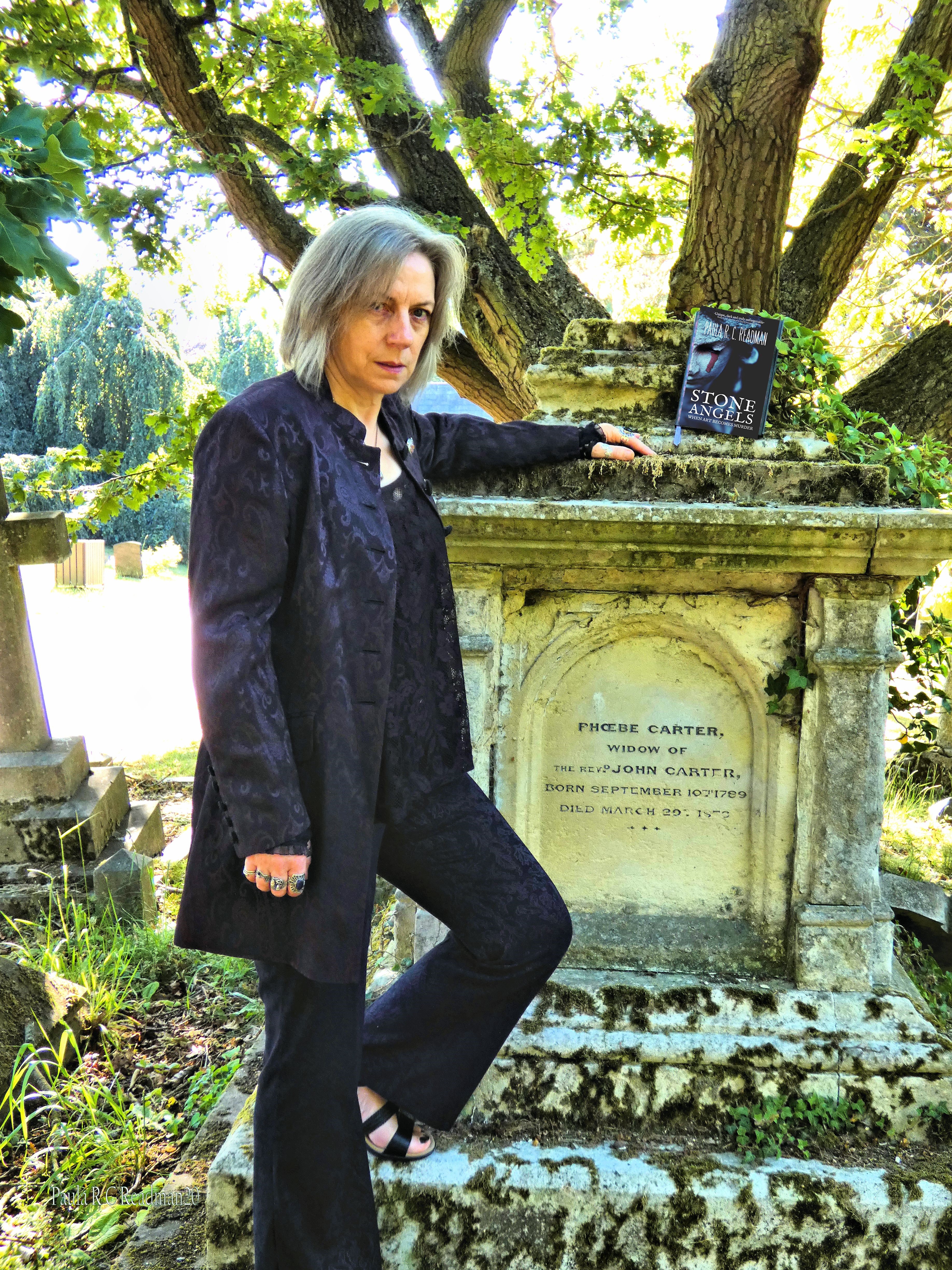
Meet prolific author, Paula R C Readman!

Paula R C Readman 300520 (1)

Welcome, Paula

What are you currently working on?

At the moment I have two projects in the pipeline.  A follow-on novel to my novella, The Funeral Birds, a tale about a failing detective agency run by Dave Cavendish and his side kick, a sixteenth century witch called Granny Wenlock who’s his ancestor. 

The follow –on novel, As the Crow Flies I’ll be exploring more of Granny’s background as well as giving the characters a new case to solve. The novel allows me to bring together two interesting timelines. My problem at the moment is how to make the flow of the plot work as the timelines shift.

My second project is a 7k short story for Black Hare Press Alice 13. It is thirteen different stories, in thirteen different genres all featuring Alice from Wonderland. I’ve written the plot idea, a synopsis and the first four pages. The deadline is allowing me plenty of time to think about it.

As my new novel is flowing nicely I want to focus on that for a little while before finishing my Alice story.       

 That sounds fascinating! Your work crosses different genres. Which came first?

I’ve always loved a good mystery. I think my love of mysteries comes from my love of history. At school I loved learning about ancient history.  We can only imagine how different the world must have been to our ancient ancestors. We know how most things work as science has shown us the key to all life, but to the people in the past it was a real mystery.

A mystery in fiction can cover a wide range of genre from romance to crime novels. I don’t write romance, but I do enjoy writing a wide range of genre from gothic ghost stories to Sci-fi tales.   

 Do you switch from one project to another to stay fresh?

All the time. When one deadline appears on the horizon I will stop and focus on that one and complete it. It gives you the break you need to see any typos, plot failures or weaknesses as well as sparking fresh ideas. When I return to a project I re-read the whole of it before writing more.      

 Do you plan out a story first with a detailed synopsis or work organically, allowing the plot to develop on the page.

A bit of both really. I normally have an idea of the beginning and the ending, so it’s a case of getting from A to B in the most interesting way. With books, I tend to create a paragraph of the overall plot and work out who is the best person to tell the story. My synopsis is written once I’m half way through writing the first draft. You can’t know your full plot until you’ve written the first draft because everything is very fluid when you initially start. 

 Do you begin with an idea of the plot, a character, a setting or does it vary depending upon genre?

I normally write a rough plot idea down, and then work out who my main character will be, along with the setting, timeline whether it is a short story or novel. Once I have the opening paragraph then I’m up and running. As the plot line develops so I add new characters and write up their background. I keep adding important information to a file like the type of car my main character is driving, hair and eye colour etc. I don’t spend time writing a detailed background sheet before starting because none of it may be of relevance to my storyline.   Do I really need to know what school my serial killer went to in my 5k word short story before writing it unless it is relevant to the plot?

What is your work schedule like when you’re writing?

My best time for writing is just after I’ve woken up. My mind is fresh and sharp and I can get quite a bit written. New ideas flow easier and I can pick up typos too. My husband is normally up early for work, so I’m at my keyboard at 4.00 in the morning.

 That is really impressive! Do you ever write real life experiences into your work?

All writers do through their emotions. No experience whether good or bad is wasted as it all feeds into our writing whether we like it or not. For our characters to be three dimensional we need to use all of our life experiences, which have made us rounded people to create them.  

What was your hardest scene to write?

I wrote a short story called The Meetings which tells of two people meeting in a park. The narrator is the park keeper.  Through him we learn about the couple, but there’s a twist. It touched a real nerve with me as I wrote it not long after my father passed away.

The story was rejected by People’s Friend Magazine but went on to become an overall winner in a writing competition.

How long on average does it take you to write a book or novella?

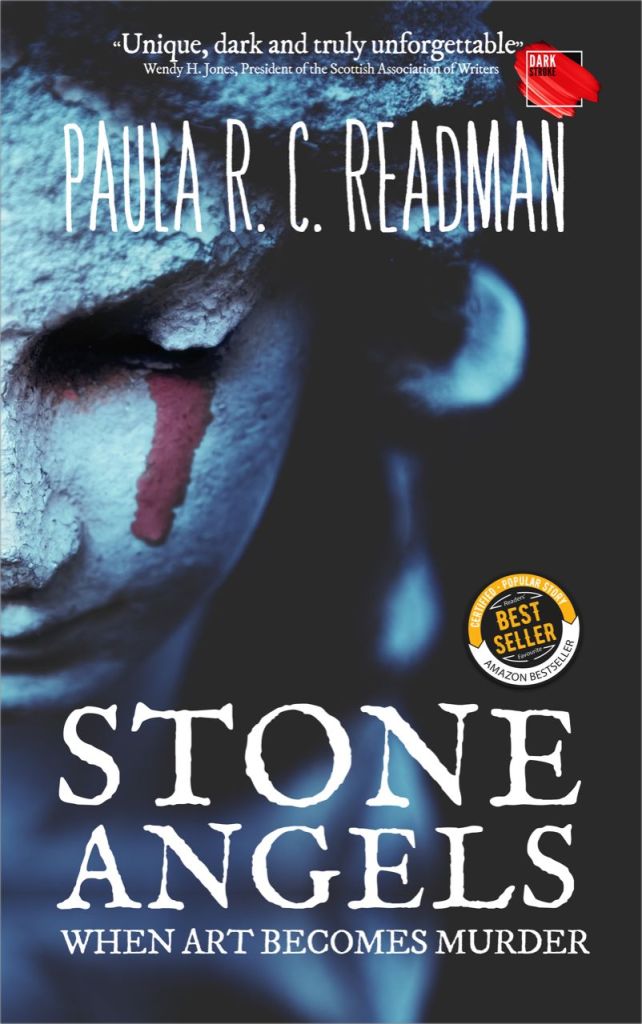
Oh goodness, how long is a piece of string? Too long in some cases, right? I have eight novels sitting on my computer in various stages of completion. Since I have been writing over 18 years and have only had three books published I’m not 100% sure how long each novel has taken to write. Stone Angels took me six years in total and then another eight months of editing.  In those six years, I lost my mum and life got a little crappy too.  My novella took a week to write but sat on my computer for a long time until the right submission call out came along. 

How have you coped with life in the pandemic?

Quite well. I was already in self-isolation as I was busy editing. So I’ve just continued doing what I was doing. My husband and I are missing travelling to Whitby for the Goth Festivals and I didn’t get my book launch I always dreamt of doing. Unfortunately, I lost two dear friends last year which dampened my excitement at seeing my work published.   

I so miss travelling in North Yorkshire and Whitby in particular. I wish you every success, Paula, with all of your projects and look forward to learning of your next publishing deal.

A warm winter welcome to romance writer, Suzanne Snow!

image004

Welcome, Suzanne, and congratulations on the upcoming release of The Cottage of New Beginnings! Before you tell me about the book let’s go back to when you began your writing career. Was writing books always something you wanted to do?  

Yes, I’ve wanted to be a writer since I was very young. I read all the time as a child and loved to make up stories about adventurous girls and their ponies. I always hoped to be an author one day.

Reading your website it is clear that you love romance set against a rural setting.  Are you definitely inspired by setting rather than a character initially?

A landscape is usually the first thing that draws me to create a story. It might be a village or a beautiful view, but there’s always a community at the heart of my writing. Once I have my setting, I begin to imagine the characters who might live there, and those who might be newly arrived and why. I hope to convey a real sense of place in my writing.

Does family and faith play a strong part in your plots as they do in your life?

Friendship and family are very much part of my writing and faith is something shared by a few of my characters but not all. Charlie and Sam Stewart, the young vicar of Thorndale and his wife, have proved popular with readers and they do return in later stories. Sam in particular is mischievous with a lovely heart, and great fun to write.

What character traits do you think are essential in a hero/heroine?

I write heroes who are sensitive without being overly sentimental; and honourable, even if that is not immediately apparent. Kindness, an ability to understand when they are wrong and passionate also go a long way.

I like heroines to be independent, have confidence and warmth. Both hero and heroine need to have some self-awareness, along with the opportunity and willingness to change and develop.

Do you always aim to deliver a feel-good story with a happy ending?

I do, yes. I read romantic fiction as well as write it, and I so enjoy characters falling in love, whether that’s a gradual realisation or something more immediate. As an author, I hope for my readers to feel uplifted, following characters working out their differences to consider a future together.

Since joining the RNA you have been taken on by an agent and signed a three-book deal (huge congratulations on that!). How important has being a member of the RNA been in finding your route to publication?

I don’t think I can overstate the importance of the RNA to unpublished romantic writers. I’ve made great friends and received lots of support since joining and benefitted from opportunities to learn, and Conference is just one of them. I believe it’s important to discover how publishing works, along with the roles of industry professionals such as editors and agents, whether you plan to follow a traditional or indie route to publication.

image002

What is your favourite part of the writing process?

I love to actually just write a draft, something I mostly do early in the mornings. When the story is flowing well and the characters are making themselves heard, then it’s a complete joy and difficult to stop. Editing is also something I find very satisfying, and I enjoy going back and finding ways to improve the manuscript.

What is your least?

I’d probably say the amount of time I manage to spend distracting myself researching something online when I should be writing!

How have you coped with life during a pandemic?

Life has changed, as for so many people, and my husband now works from home and my son is studying mostly online for his A levels. We are thankful to have close family nearby and have been able to support one another during the pandemic and very much appreciate the community we are a part of. The house is busier now and we are all adapting to a new way of working. I’ve also realised how many simple things we took for granted, like meeting up with family and friends for a meal, and I’m really looking forward to being able to hug my wider family again.

I think we are all waiting that day. Having come this far on the road to publication what advice would you give to anyone considering joining the RNA’s New Writers’ Scheme?

Join, if you possibly can, the opportunities to develop your knowledge and make friends are so brilliant. And once you are a member, do try and get the best from your membership by taking part in the activities on offer, whether that’s social media, online learning, chapter meetings (currently all online) and attending events. The RNA is excellent at welcoming people, and Conference, once it is able to run again, is a real highlight and not to be missed if at all possible.

Garden of Little Rose medium

What is next for Suzanne?

Right now I’m finishing my Christmas story, which is set in Thorndale, and I’m looking forward to the publication of my second novel, The Garden of Little Rose, in February 2021. After that I’ll be planning my fifth book and hopefully spending some time on a tiny Hebridean island for research, rules permitting.

That sounds lovely!

Thank you for the opportunity to be included on your website, Valerie, I’ve really enjoyed answering your questions.

Suzanne x

You are very welcome. If any readers have any other questions please leave them below.

Merry Christmas, Suzanne and good luck with the book!

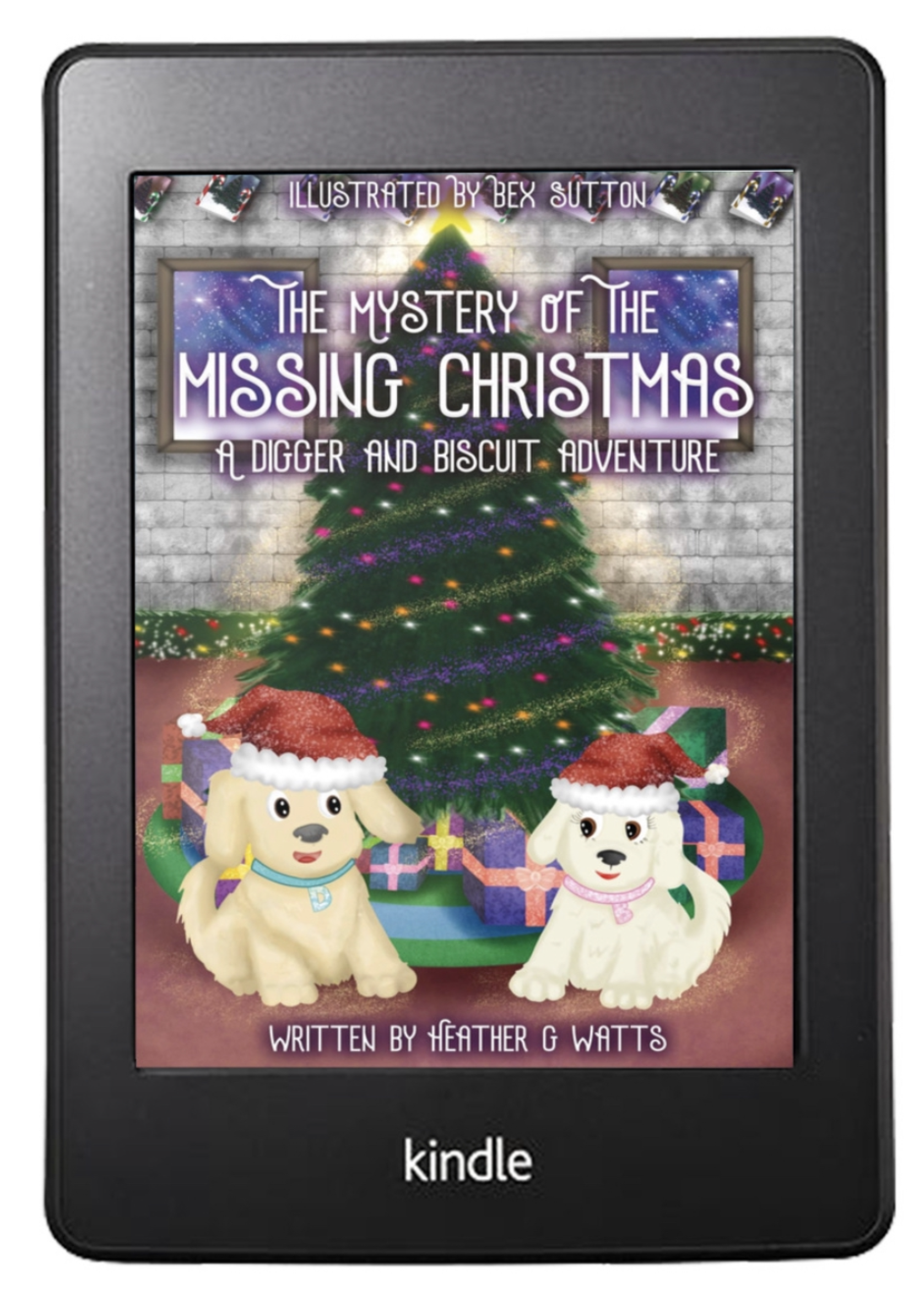
Meet children’s author, Heather Watts, as Digger and Biscuit begin their Christmas adventure!

What childhood influencers encouraged your interest in books, storytelling and ultimately writing?

unnamed (2)

As a child I was very poorly with chronic asthma so very often I just didn’t have the energy to do anything. My mum would read to me for hours (Enid Blyton and Fairy Tales were our favourites) and I would retell and relive these stories in my imagination. Of course, I was always the hero in my version! I’d sit for hours in the garden talking to imaginary fairies and giants, completely lost in my own world.

By the time I started school I was already able to read quite well (although it took my teacher several weeks to realise this) and I had started writing little book reviews and was trying to write my own stories. At the age of six I had letters published in the local newspaper and the Bunty comic. Hammy Hamster’s exploits were legendary in our family including a three day trip up the chimney and ghostly piano playing in the night!

I’d love to say that was the start of a lifelong passion for writing but I didn’t start to write stories again until a few years ago. As a teacher I always loved reading and writing with my class and it was here that the lovable characters of Digger and Biscuit came to life. Children loved learning with them and took them into their hearts as extra class mates.

What was the appeal of writing a longer picture book?

I always knew that Digger and Biscuit’s stories were a lot longer and more complex than a picture book. With the first book, The Mystery of the Magic Mirror, I plotted around twelve chapters with each one taking around fifteen minutes to read aloud, so ideal for bedtime or story time in a classroom. It’s also a good length for children reading independently.

The Mystery of the Missing Christmas was always intended to be longer at around twenty-five chapters. My idea was that if a reader wanted to, they could read a chapter a day through December leading up to Christmas Day.

I want to tell my stories for anyone who wants to read them – young children, older children or adults. I often see authors discussing the moral of their stories. I just hope my readers enjoy Digger and Biscuit’s adventures and that they make them smile. Of course there are friendships, team work, problem solving and some character who need to learn some manners (!) but really my moral is: stories are fun J

What was the inspiration behind Digger and Biscuit as you capture their gestures of puppyhood so well?

Oh, I’ve always been a dog lover, but we couldn’t have a dog when I was growing up for health reasons. I cried for a week after a farm holiday in Devon because I missed the farmers’ dog, Nipper, so much. My mum banned me from watching dog films because I’d get so upset. My husband understood this when he made the mistake of taking me to see Marley and Me!

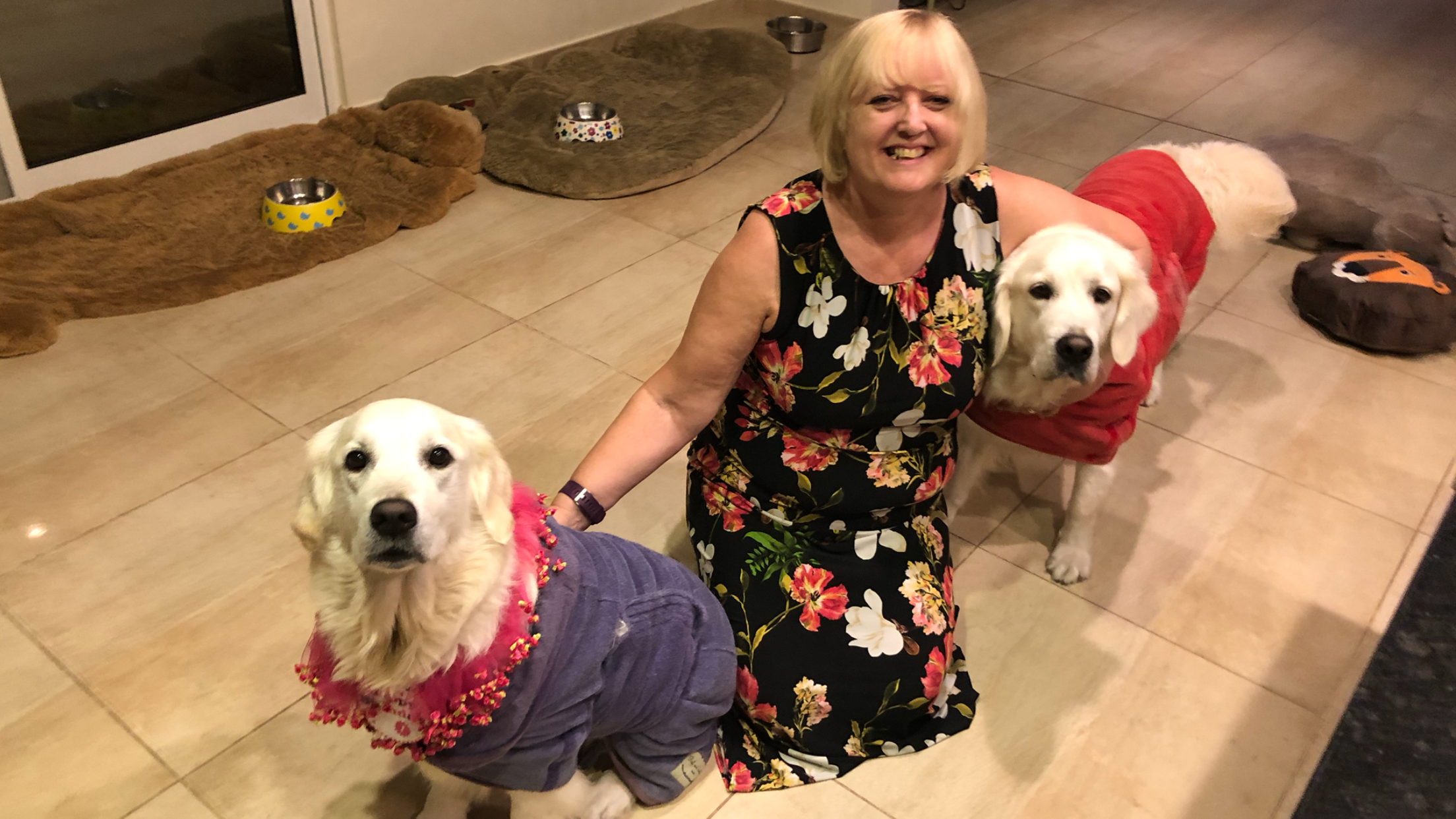
So, it won’t come as a surprise to know that my husband and I share our lives with two utterly spoilt Golden Retrievers. They are very like Digger and Biscuit in their behaviour and personalities. Ellie (Biscuit) is particularly good at making up games including “four paw bounce”, “Drop, cheek, roll” (need a pool for that one) and the latest, hiding a ball in a hole in the garden then laying across it. Layla (Digger) tries to tunnel underneath her to retrieve the ball. Hours of fun!
unnamed (2)

How involved have you been in creating the lovely illustrations?

I was so lucky to spot a post on social media from Bex Sutton at Primal Studios. It’s such fun working with her. I have a clear picture in my head to the whole book but I can’t draw so I literally scribble a scene and add labels. Bex then turns it into an amazing illustration and she’ll suggest things that I haven’t even thought of. She’s really good (and patient) with my “It’s not quite what I had in my head” moments, but they are very rare. We work really well together.

The Mystery of the Missing Christmas will be available in paperback with black and white or colour illustrations so the reader can choose.

As a teacher you have experience of the target market and its shortfalls. Where do you see Digger and Biscuit fitting into it?

There are so many beautiful picture books on the market and there are some fantastic series and longer novels for older readers. I always struggled to find chapter books that cover that period when children can follow and enjoy a more complex story, but they don’t yet have the fluency and resilience to read hundreds of pages independently. At this stage they want to experience serialised plots and can hold the characters and events from day to day, whilst still enjoying being read to.

I have had some lovely feedback on The Mystery of the Magic Mirror from adults who loved reading it aloud, younger children who enjoyed being read to and ten / eleven year olds who enjoyed reading it independently and that’s fantastic. Now they want to know when book two will be out!

I wanted to write stories that were fun for adults to read aloud, which children would then want to reread independently. I always think it’s sad that we take illustrations out of children’s books because they can bring to life a more complex image or concept. When I’m reading (and writing) I have very clear pictures in my mind, but not everyone can visualise a scene.

What books have been inspirational to you and your children?

Storytime was always my favourite time as a teacher. It was a chance to slip away into another world and it’s so special to share those memories with a group. I’ve always been a fan of Julia Donaldson, Martin Waddell, Colin and Jacqui Hawkins and Michael Foreman. I love it when stories have cross over characters and the children were always so excited when a well-known character appeared in as different story.

As I said before, it can be quite a challenge to find suitable chapter books, but there’s nothing like a class bursting into spontaneous applause with cries of “read it again’ at the end of a book.
unnamed

What are the advantages of being an Indie author?

I have the freedom to write what I want, when I want and I have control over the whole process. I’m very attached to Digger and Biscuit and I want to tell their stories to the best of my ability. Fortunately, I work with a great illustrator and editor which leaves me free to write. The technical side of formatting and publishing brings me out in a cold sweat and I’m a great believer that you should play to your strengths. I also have an excellent developmental editor who can reign me in and refocus me if my pen wanders into over long convoluted plots!

What advice would you give to a writer about to embark upon this path?

In all honesty, don’t expect to make a fortune overnight. It’s a hugely competitive market and writing a great book doesn’t necessarily mean it will sell in huge numbers. You have to be prepared to put in a lot of time and effort to market your book and build up a following.

If you love writing and have stories to tell, go for it, but make sure you invest in a good editor who is enthusiastic about your work who can criticise constructively.

Don’t be in a hurry to publish. The Mystery of the Magic Mirror was two years in the writing and evolved so much over that time. The Mystery of the Missing Christmas was less in terms of months, but a lot more hours! I was more focused and disciplined with the second book.

IMG_0237

What is next for Heather Watts?

I was planning to try my hand at a different genre and even completed a Sci–Fi course, but I woke up at four one morning with an idea racing around my head. Experience has taught me that I won’t remember it when I wake up properly, so I quickly scribbled an outline on my large whiteboard. It was a revelation when I saw it later that morning! So there will be a third adventure for Digger and Biscuit.

What is next for Digger and Biscuit?

Are they going to save the Easter Bunny? 🙂

Funny you should mention the Easter Bunny…No, I don’t think Digger could resist all those chocolate snacks and that would be very bad for him. The third adventure sees Digger and Biscuit on a quest to solve a mystery that has been hinted at in the previous books. Will they see any old friends – or enemies? Well, you’ll just have to wait and see J

I wish you every success with Digger and Biscuit and hope you and your family have a lovely, safe Christmas! x

unnamed (1)

You can keep up to date with Digger and Biscuit here:

Facebook: Heather Watts (Digger and Biscuit posts are public)

Instagram: diggerandbiscuitadventures   

Twitter: @diggerandbiscuit

LinkedIn: Heather Watts

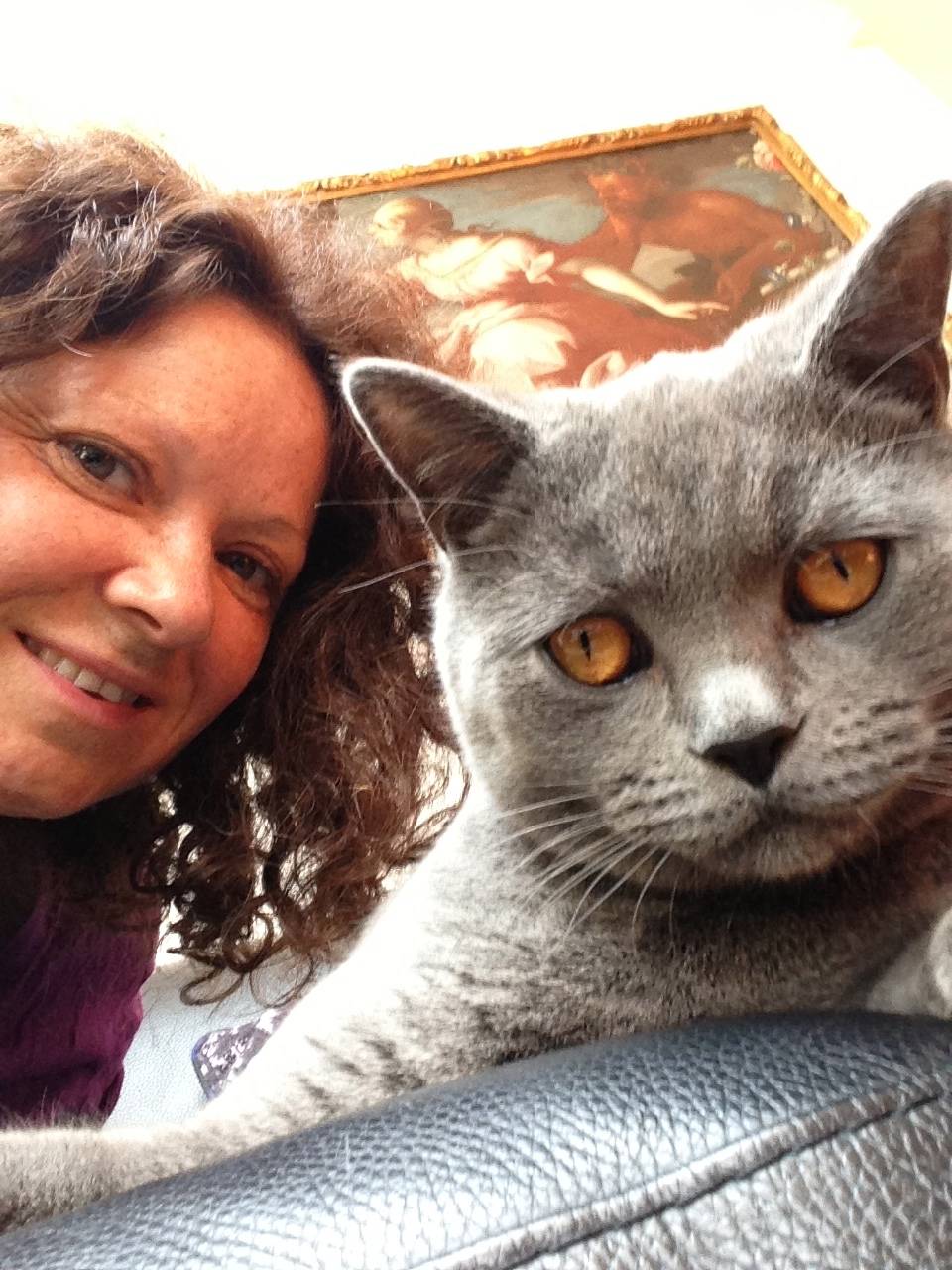
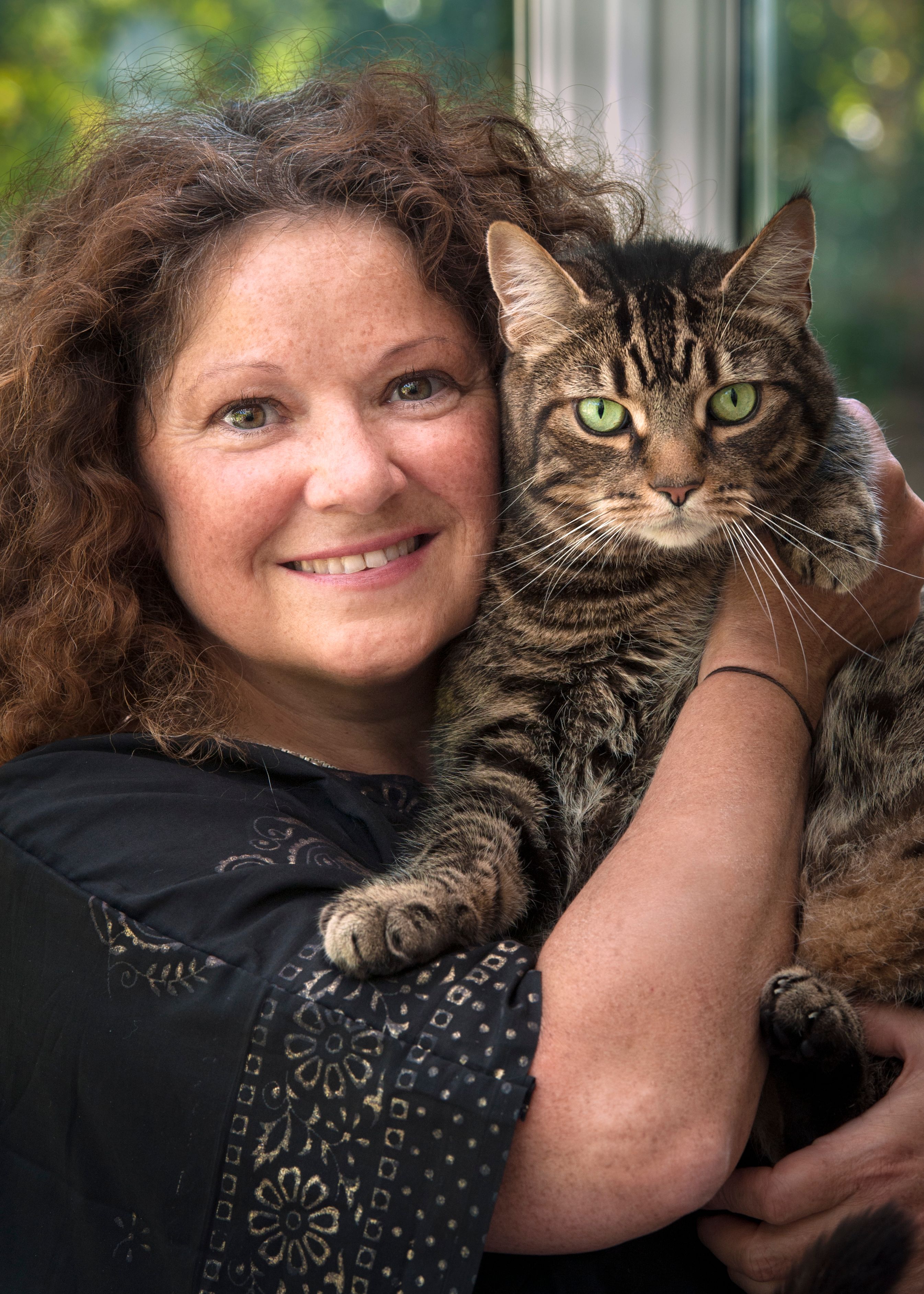
Meet author and cat behaviourist, Anita Kelsey!

I am delighted to welcome cat behaviourist, Anita Kelsey, as my guest to talk about her work and her new book – all about cats!

Hi Anita,

Let’s begin at the beginning! Can you tell me how and when your love of cats developed?

 I can’t remember a time when I didn’t love cats. Mum likes to tell the story of me as a little girl being taken to primary school – how I used to insist on going the long way around, down a particular road where lots of cats lived.

When did you realise that books and information about cats were underrepresented?

You’re always going to get fewer books on a specialist subject than those in the mass market. Within the specific genre of cat care and behaviour there are actually some excellent books out there, so I never really had the realisation that books and information about cats were underrepresented. That wasn’t the reason I decided to write my current book.  Let’s Talk About Cats grew organically from interviews I enjoyed writing for my online blog. I did a search on Amazon when thinking of a follow-up for my first book Claws and saw that no-one had written a book that included interviews with cat experts. I thought how exciting it would be to give people expert inside knowledge in the form of questions from a cat behaviourist to her peers and other inspiring cat folk. How interesting to open up conversations on different subjects such as cat grief, diet and how felines communicate. There’s always room for more cat books and I am hoping mine will get support and be enjoyed, because it’s presented very differently to anything that’s been written about cats so far. Also, it was a great opportunity for me to learn more about my favourite subject!

Do you think cats are generally misunderstood?

The general population may not understand cats as much as they should, but I’m always impressed by the care and patience of experienced cat guardians, people that foster, work in rescue centres or people who have spent a lifetime looking after different cats. What I do find though is that sometimes people expect too much of cats and credit them with human emotions. To really understand cats we must understand them away from the label of ‘pet’ and understand life from their viewpoint, not our own. 

What are the most commonly held misconceptions about cats?

That cats love to be stroked as much as we like to stroke them, that all cats need or want other feline ‘friends’ to live with, that a new cat should be able to like the same things as a recently deceased cat, that cats can be bred as indoor only cats, that cats are aloof and do not need daily care and attention.  I mention the latter as I still know people who go away for 2/3/4 days and leave dry food out for their cat(s) stating that they are fine being left alone as they are independent. There are just a few that come to mind.

What are the most frequently seen problems you have to deal with concerning the cats and/or their owners?

The most frequent issues I have to deal with are:

Multi-cat tensions, especially when a nice balance of cats and cat personalities has been reached only for the cat guardians to bring home another cat.

Spraying around the home either due to outside stressors or territorial stress due to tensions between other cats in the home.

Boredom/frustration usually with indoor only cats.

I’ve had plenty of unusual cases too, such as a cat who was obsessed with eating stones!

What considerations do you feel people who wish to buy a cat/kitten should make before committing to it?

First of all: what kind of lifestyle do you lead and have you the time to give to your cat or kitten, plus do you have the space in your home to meet all of their needs? Are you financially able to meet all of their needs in terms of food, cat litter trays, litter, cat furniture, flea treatments, cat toys, pet insurance, and vaccines – it all adds up. When thinking of buying/rescuing a kitten I would always recommend two, so that they have company during the time their carers are at work, as well as a playmate they can play with and learn from.

Another aspect to consider is the maintenance and grooming of longhaired breeds of cat. Many carers have no idea of the grooming needs of particular breeds, so this is a consideration that should be made before deciding to get breeds such as Persians, Maine Coons, British Long Hairs and all of the Forest cats/Norwegian/Siberian. Also, consider the life span of the cat. Buying a kitten is cute and fun but kittens grow into adult cats and can live well into their twenties. Do you just want a kitten for fun and cuteness or are you committed to the lifetime care of your cat?

You have a specialist grooming service for phobic and aggressive cats – other than ‘very carefully’ how do you approach this challenge?

LOL! Each cat is approached differently and what I decide very much depends on the past history of the grooming experience of the cat and how severe their reactions are to the process.  My approach also very much depends on the coat condition of the cat. For example, an extremely matted cat that is fearful of grooming due to past negative experiences cannot be helped if I treat the groom like a normal one, because it wouldn’t be normal. I would be battling with a cat that is showing fear-based aggression while I’m trying to shave a matted coat. That just isn’t going to happen and would just re-affirm in the cat’s mind that grooming is something to be feared. In this situation I would advise that the cat be sedated at my local vet, where I regularly work, so the coat can be taken off safely and humanely. I would then teach the owner how to slowly reintroduce grooming using the correct tools, the correct technique and doing very short sessions at a time on various parts of the body.

Also using positive associations such as treats or a catnip mouse as part of the experience. Other cats can be handled more easily because they are using a learned behaviour to get the groom stopped. For example, a cat may hiss and growl as a warning when the carer has tried to groom them, leading to the carer stopping. In this way the cat has learned how to get the desired end-result. These kind of cats can usually be groomed quickly and safely by being confident and knowing that what I am doing is not hurting them, making them feel discomfort or making them feel threatened. Because my response is different to that of their carer, the outcome is different. With timid cats I always allow them movement on my table, plenty of breaks when they need them and I always request that the owners stay to help calm them. I use classical music on all grooms, tasty treats and toys. Not only should it be a nice experience for the cats, but for the humans too.

What breed(s) of cat, in particular, make good companions?

There’s no one breed of cat that makes a better companion over another. It’s very much down to the individual cat’s personality and the home territory they are being introduced to.  I think the person wanting a cat needs to think about what they want from them and what their expectations are. Not every cat likes to be held or stroked to within an inch of his or her life, so getting the right personality is key. Also, think about the territory for your furry companion and their individual and evolutionary traits. Many cats do not thrive in indoor only situations. For example, keeping Bengals in a small urban flat with no outside space to roam is not ideal, as this breed particularly needs plenty of stimulation, things to climb and lots of attention and space.

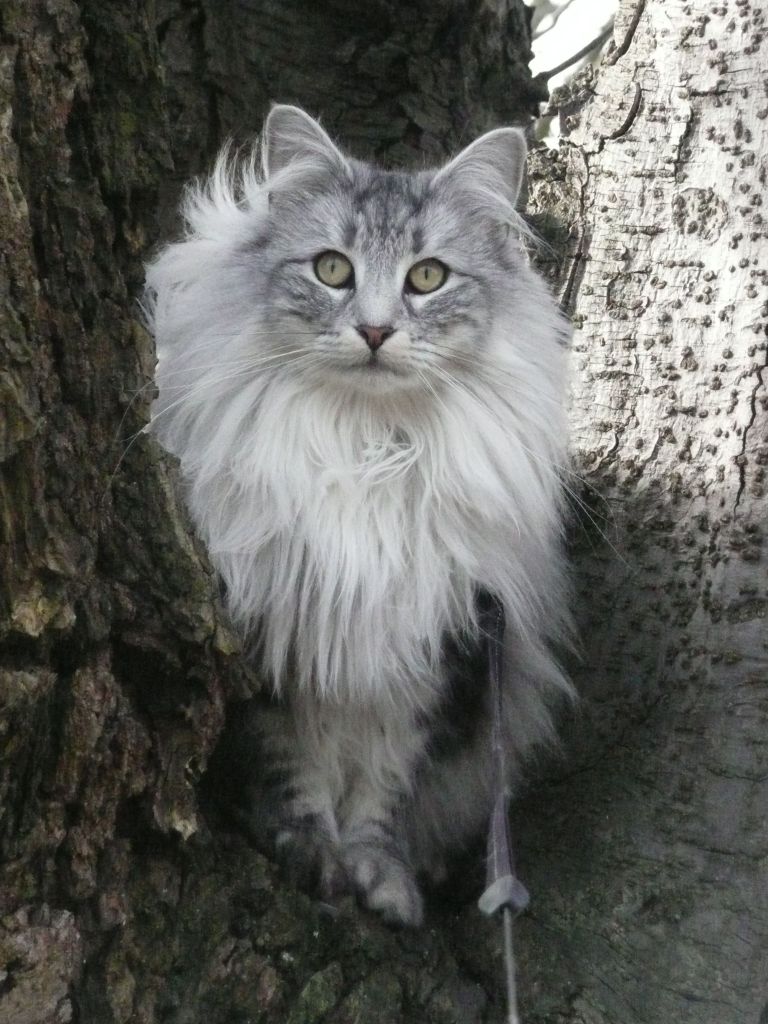
I was intrigued to read about your Norwegian Forest Cats – they look beautiful, what attracted you to this specific breed?

I love the look of the big cats and I love their long manes and chunky feet and paws. The ‘weegies’, as they are known, have more delicate pointed faces than that of the Maine Coons, who have more square broad faces. I also love the fact they are a natural breed from the forests of Norway, hence the breed name. I fell in love with Kiki and Zaza after seeing a photo of them online as kittens. They were two tiny balls of fluff and they were stunning. The breeder wanted to keep Zaza as a show cat but I begged her to let me have her and she finally agreed that they could both come to live with me. At the end of the day I think all cats are beautiful, even the average street moggies. My next cats will all definitely be rescue ones and probably special needs ones, as they get overlooked more often than not. Recently a rescue in Cornwall advertised three blind brothers who had been rescued from abroad. I would have had them in a heartbeat if not for Kiki and Zaza.


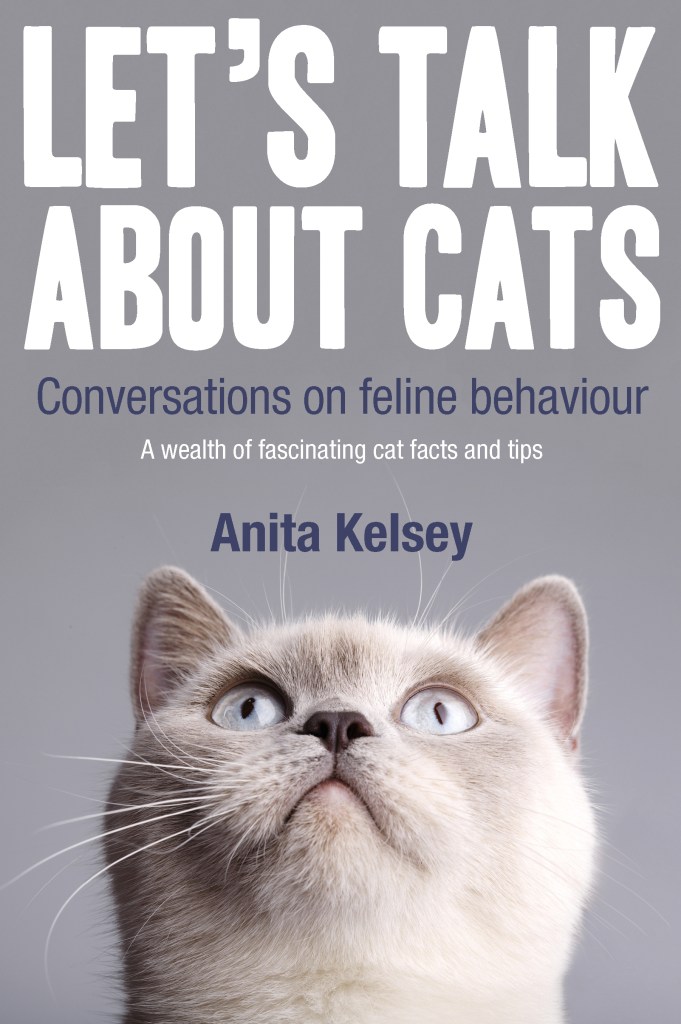
Let’s Talk About Cats
Conversations on feline behaviour
 
By Anita Kelsey
Published by KiZa, 28th November 2020, paperback £12.99

What is next for Anita Kelsey?

Well, I’m in the process of trying to relocate to live by the sea, a long time dream of mine so that’s next on the cards on the personal front. Career-wise, who knows! I’m pretty much content doing what I’m doing and have little time to do much else besides grooming and behaviour work. I can’t help thinking a third book may follow when I’m relaxing by the sea with pen in hand (or maybe laptop)! I loved writing my first book Claws, Confessions Of A Cat Groomer and many readers have been asking when Claws 2 will be out! So, perhaps that is what will be next for me! Watch this space….

A warm welcome to romantic novelist, M. A. Nichols

Welcome, Melanie

Looking at your website your sense of fun comes through very strongly. Do you look on every task as a challenge to be enjoyed? Is this your approach to life?

Oh, I wish I had the optimism to approach life like this all the time. I definitely try to ascribe to the “brighter side of life” mentality, but I’ve had plenty of heartache and difficulties in which I struggled to see any reason to be happy. Many of the hardships my characters have gone through are directly influenced by my past, and there are definitely moments where I just need to wallow in my misery for a little bit.

However, I do believe that happiness in life isn’t due to circumstances but to outlook and attitude. It’s important to acknowledge that life sucks sometimes and sometimes you need to cry for a little bit, but I’ve found that there are always reason to be happy despite a crappy situation, if I just open my eyes.

Do you try to filter humour through your novels to lighten the darker moments?

To quote Steel Magnolias, “Laughter through tears is my favorite emotion.”

You work full time, love to travel, read extensively, paint and have a large family so how do you fit in writing? Do you have a set routine?

Whew. That’s a tricky question. I think one of the most difficult things in life is to find balance between all the things we need to do, all the things we want to do, and maintaining our physical and mental well-being.

One of the ways I try to maintain good balance is through schedules and to-do lists because if left to my own devices, I’d probably sit in front of the TV all day. Success isn’t something that happens by accident, so I try to plan and organize my time to be more efficient. In fact, I had to set a goal to read less the last couple of years because I found I spent too much time reading others’ books and not working on my own. Lol.

I empathise completely with the desire to become an Indie author, which you explain in detail on your website, but for those authors who are about to take their first Indie steps, what key advice would you give them?

There is no easy path to publishing success. While getting your book published is easier through indie publishing, it’s no guarantee that you’ll make any money. Publishing is a marathon, not a sprint, so don’t expect instant fame and riches. Your first books likely won’t do well, but successful indie authors don’t give up after those first flops. They keep putting out books and trying new things until something catches on.

My first two series have never done well. I spent two years building up those fantasy series, and nothing has ever come of them. Then I decided to publish a passion project — Flame and Ember — which was a historical romance. Not exactly the same fanbase. But I went for it, and the book took off. It was my fifth published book.

Don’t give up. Keep trying.

Has your knowledge of landscape management and landscape architecture into practical use in your writing?

Not really. I’ve used it for some descriptions, but that’s about it. I would say that it, along with my music and art background have given me a lot of training in the creative fields, which has helped me overall.

I loved Flame and Ember, what attracted you to Regency England?

I’ve been a fan of the sweet historical romance genre for a few years, and I’ve loved classic literature from the 1800s for most of my life. That century had so much upheaval and changes that are fascinating to explore.

Have you visited any of the UK cities linked to this period of history or the country houses around them: London, York, Harrogate, Bath?

Yes, and I plan to do a lot more. I’ve been to England three times now, and while the first two were purely for fun, the last time was for research purposes. I learned so much, and it was so inspiring. I came away with a notebook full of notes, several gigs of photos, and a lot of ideas to make my books more realistic.

I am hoping to return very soon. I had planned on visiting this fall, but of course, that’s not happening. Crossing my fingers for a spring trip instead!

You plan to write in the Regency, Victorian and eventually about the Wild West – How extensively do you research?

Researching is a never-ending process. Honestly, I dove into the Regency era with little background in it — other than a love of Jane Austen and having read a ton of novels set in the era. Now, I’m constantly reading some non-fiction book about the period, and each time I learn something new that will inform my future books.

The Wild West was a very popular market in my youth ( a short while ago ☺ ) Is it still a big market in the US?

I believe it is. I haven’t taken the dive into that subgenre yet, but I do love reading those types of books, so I will be writing some in the future. But I’m focused on my England-based novels right now.

Where, in a post pandemic world, would you like to travel to?

Right now, the highest priority is getting back to England. I’ve got a list of several hundred places I’d like to go for research purposes (museums, estates, etc.), and I’m desperate to make a dent in it. Every time I cross one off, I seem to add a dozen more!

But if we’re talking just for fun, Ireland has been high on my list for a few years now, and I was planning on a tour of the Dalmatian Coast with my brother and his family for this summer that has gotten pushed back.

Who or what has influenced you strongly in life and/or in your writing?

There are so many people and things. Seriously, this is a massive list that would take a long time to go through, but first and foremost, would be my parents. I grew up in a household where we loved literature. They taught me to love the written word and exposed me to so many different genres. Between the two of them, they read everything and gave me a love of all sorts of books.

My dad was the CEO of a company for most of his career, and he’s now a business consultant of sorts. He’s my sounding board and guide through all the business aspects. My mom is an artist and loves helping me with the creative side. She’s one of my best beta readers / critiquers. They both are massive cheerleaders and supports through the ups and downs of this publishing journey.

Please tell us about your latest release.

The Honorable Choice came out August 25th and is the second book in my Victorian Love series, which is a spin-off of my Regency books and follows the next generation. Conrad Ashbrook is the son of one of my previous couples, and when his brother ruins a young lady and refuses to save her good name, Conrad steps up and marries her.

A marriage they didn’t choose. A child conceived in a lie. Can they overcome their broken dreams and find happiness in a life forced upon them?

Catching up with Cindy A. Christiansen!

The world is a very different place since we last chatted, Cindy. How have you been keeping mentally and physically fit during the pandemic and lockdown?

Both my youngest son and I have compromised immune systems, so we have had to be very careful. Both of my sons have autism, and just when I needed help the most, their services were taken away because of COVID-19. And to top off all that upset and commotion, we had several earthquakes here in Utah. I think that was the hardest for us.

Because of my health, lockdown seems fairly normal to me, and I have managed to get more writing done. I have also taken an intense class on advertising, and I’m currently trying to play catch up on all the new market trends.

I am so glad that you have all come through this so well. I cannot believe how quickly time has passed since you were my guest back in 2014!

Wow! I can’t believe it either. Obviously, my two sons and the additional help they require keeps me hopping. And now, I have three rescue dogs who require my attention. As you might remember, writing and a rescue dog helped me through some pretty big health challenges, so I feature dogs on my covers and donate to help abandoned and abused dogs from my proceeds.

What have you been publishing since we last chatted?

Well I’m pretty sure that around 2013-2014, my publisher closed their doors, and I decided to take on publication for myself. My company name is Dragonfly Spirit Books, and I have learned a lot as an Indie publisher of my own books. Editing and formatting is just crazy! I have a total of twenty published books but nine of those are novellas. That’s pretty much the length I enjoy and write these days.

What writing projects have you planned for the rest of 2020 and beyond?

I just released a novella called, Last Will and Lethal and have another one at my beta readers. I’m excited to say, I have a three-book contemporary cowboy series planned next! I love westerns, and I’m very excited about this project. I only have one other series and just had my book cover designer update all the covers for them. I am very excited to re-release them.

After that, who knows what idea will hit me, and I will be off on another adventure through my characters!

I wish you every success with this and your many adventures to come!

Here is Cindy’ s bio:

Bestselling author, Cindy A Christiansen, has combined her love of dogs with her joy of writing to create an award-winning combination. Her novels always include canine characters both in the pages and on the cover, an extension of the credit she gives to her extraordinary rescue dogs for their part in helping her overcome numerous challenges. In a reciprocal gesture for their love and devotion, a portion of the proceeds from her books are donated to assist abandoned and abused dogs.

She lives in Utah with her loving husband, two creative children with autism, and a pack of rambunctious dogs.

Here’s what her books give you:

  • A clean read with no bedroom scenes or offensive language.
  • A tantalizing, fast-paced plot.
  • A story without a lot of boring description.
  • Down-to-earth heroes and heroines with everyday jobs.
  • A rollercoaster ride of emotions you face right along with the characters.
  • A special dog to steal your heart.
  • A few added facts, a good message, and that important happily-ever-after ending.

You can read more about Cindy at: http://www.dragonflyromance.com

Meet crime writer David Field!

20171103_135328

Having come from a career in criminal law, has the discipline of attention to detail and meticulous planning carried over to your writing career?

A court lawyer develops many skills, including the ability to double-guess what ‘the other side’ are going to come up with. The ability to get inside the mind of another is perhaps the greatest asset I developed which came in useful when I turned my mind to writing fiction.

When and where did you decide to change direction from dealing with criminals to
writing about crime?

I began writing as an ‘escape valve’ from the stresses of criminal practice long before I retired from it. Then my hobby became my full time activity.

Have you always been drawn to the certain periods of history in which you have based your series?

Like most students of school history I found the Tudor period of interest because of the colourful characters who stepped out of the otherwise dry pages. But my reading preference was for Dickens and Conan Doyle, so the late Victorian period beckoned, and most notably characters such as Jack the Ripper, who’d been covered so often in fiction that I had to find another angle. The female Ripper came naturally to mind, and ‘The Gaslight Stalker’ was born.

The-Gaslight-Stalker[1]


From post war Nottingham of your childhood you now have an extended family who live in New South Wales as you do? When did you make the life changing move from the UK to Australia and why?

I emigrated in 1989, for four reasons. I can list them as sun, surf, BBQs and Margaret Thatcher.

Which of your series has given you the greatest challenge to research and write and why?

Probably the Victorian one, for the reason so much was happening then, and finding a novel approach (no pun intended) was always a challenge.

The Tudor period has had a lot of books set within it. How have you achieved giving yours a unique approach or feel?

Back to earlier answers for this one. First of all, I was drawn to getting inside the heads of those monarchs about whom so much had already been written (e.g. how many times will a reader want to learn of Henry VIII’s lust for Anne Boleyn?). But I was first drawn towards Henry VII (‘Tudor Dawn’) and Cardinal Wolsey (‘The King’s Commoner’), because although their lives were pivotal to what followed, very few authors had thought them worthy of attention. Then it was a matter of seeing well known events from inside the heads of Jane Grey (‘The Uneasy Crown’), Mary Tudor and the young Elizabeth (‘The Queen in Waiting’), and finally Elizabeth in her own right (‘The Heart of a King’).

The Victorian period was one of many inventions in all aspects of life. How have you brought these into your Carlyle and West books to make your characters forward thinking for the time?

Following on from my fascination with Conan Doyle, I dreamed up a contemporary of his (Dr Carlyle) who would also have studied under Dr James Bell and acquired the same observational detective skills as Sherlock Holmes, who was based on Bell. Then I threw in the late Victorian obsession with Spiritualism, and the flourishing of Methodism, to give literary birth to the devout and naive Matthew West as a perfect foil for the scientific and experimental Carlyle.

Would you ever consider writing a series or a standalone novel based upon the early history of New South Wales?

I already have! There is a quartet of novels that cover four generations of the same family, from a convict guard on the First Fleet to a schoolteacher who becomes associated with Ned Kelly.
They are on a long list of my novels awaiting publication by Sapere.

Who has inspired you in your life and in your writing career?

As a criminal lawyer, I had a lifelong admiration of Norman Birkett. In a literary context I’ve already mentioned Dickens and Conan Doyle. Throw in Ken Follett and Hilary Mantel and you have the set.

How have you kept mentally and physically fit during the recent pandemics and
lockdown – or has it been more or less life a normal for you?

Like most full time writers with the luxury of being in retirement mode, nothing has changed except that my son and grandchildren live in an adjoining State whose borders have been either closed completely or made very difficult to cross. We haven’t seen them since January.

What is next for David Field?

Back to the beginning. I started writing for my own amusement, but after proving that I can get published (16 times and rising!) I’m back to writing what grabs me rather than simply for a publisher. I’ve always been fascinated by the ‘supernatural’, and I’m now into my second novel about a ‘Ghost Whisperer’ who can not only see and talk with ghosts, but sets about remedying the disorder that has led to the haunting, thereby ‘exorcising’ the problem for grateful and wealthy clients.

51K5bJnrq1L[1]