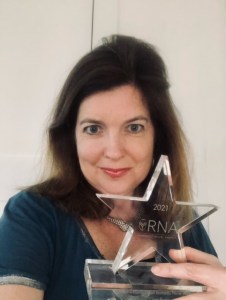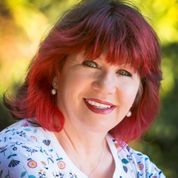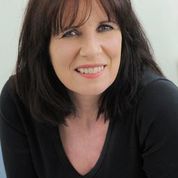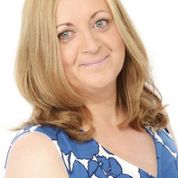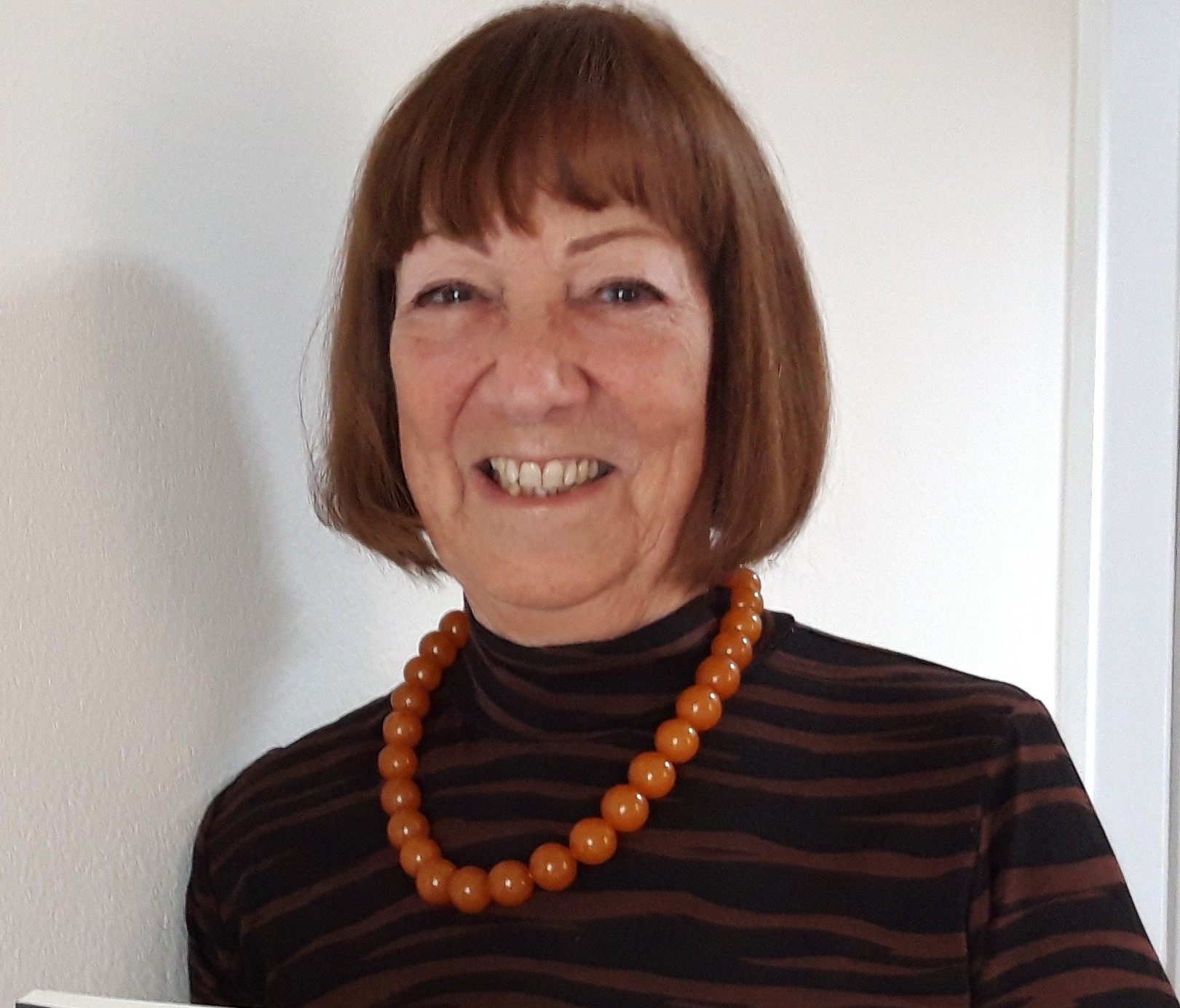
Meet Carole Matthews – winner of the RNA’s 2021 Romantic Comedy Novel Award.

Welcome, Carole!Matthews summer days sea breezes author

How long has your road to success been from that first publication breakthrough?

I had my first book published in 1997, Let’s Meet on Platform 8, and since then I’ve written another thirty-three novels. I didn’t realise when I started that I’d still be around twenty-five years later.

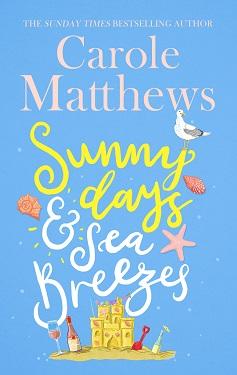
SDSB cover

What has being a member of the RNA meant to you over the years?

Friendship and support. It’s lovely being able to mix with a group of like-minded people who are willing to share your successes and struggles. It’s a great asset for authors.

What was your reaction to firstly receiving the RNA Outstanding Achievement Award and now this one?

The Outstanding Achievement Award was wonderful. I shared the honour with Jill Mansell and we were both presented with our awards by Barbara Taylor Bradford which was amazing – what a woman! It’s very nice to be recognised by your peers. I received three nominations – two for Sunny Days & Sea Breezes, plus one for Christmas for Beginners which was a lovely surprise. To receive the award for Romantic Comedy Novel of the Year was such a thrill. Sunny Days & Sea Breezes has already proved to be one of my most popular books with readers and this feels like the ultimate stamp of approval.

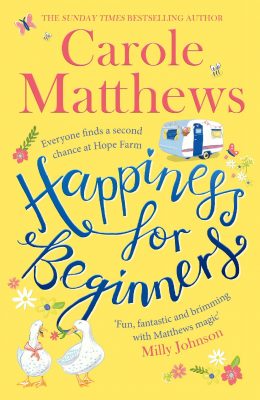
Happiness for Beginners was inspired by a real animal farm helping people – how do you balance the harsher realities and issues of life with a lighter touch to convey a heartfelt and serious theme?

That’s something that I’ve tried to do with all of my books and I think they reflect life in general. It’s not all ha-ha-hee-hee, but sometimes we’re able to see the funny side in difficulties. While my books are romantic comedies, I hope they reflect real life too. With Happiness for Beginners, the real farm helps people with behavioural and mental health issues, so that created the darker side of the book. They also rescued troubled and damaged animals and they definitely provided the comedy element!

Happiness (1)

Are you a detailed plotter or do you develop your work on the screen as you go and through revisions and edits?

A detailed plotter! As I’ve written two books a year for the last ten years, I don’t have the luxury of wondering what happens next – I need to know! I do, however, change and adapt as I go, but I start off with a definite beginning, middle and end. I spend about two weeks writing out character profiles and that helps me to get into their heads. Each morning, I start by editing what I’ve done the day before and then I have one final pass at the end. I do as little editing as humanly possible.

Your locations vary, keeping your work fresh and inspiring. Are there any that have been particularly memorable?

I have been fortunate to be able to base my books in some wonderful locations over the years. Part of With or Without You was set in Nepal and that was a very memorable trip. I loved every minute – the people and the culture are fantastic. I went to Swedish Lapland and stayed in the Ice Hotel as research for Calling Mrs Christmas and that was wonderful too. We had the most fabulous display of the Northern Lights – one of the highlights of my life. My latest, Sunny Days & Sea Breezes, is set on the Isle of Wight and I’ve fallen in love with the place and plan to visit time and time again. I must have described it nicely as many of my readers – and my editors – booked holidays there as a result!

You are a prolific author, but roughly how long does it take to do the research, writing, editing to final manuscript?

I’ve been doing a book every six months, so research, writing and editing all tends to roll into one. I’m usually researching the next book while writing the current one and editing the last one. I really wouldn’t like to see inside my brain!

All 4 confetti instagram grid

What is next for Carole?

Lots to look forwards to! The paperback of Sunny Days & Sea Breezes is out in May, so I’m looking forward to that. My publisher is re-jacketing and reissuing a lot of my backlist which is quite a job with thirty-odd books to do. The new-look Chocolate Lovers’ Club is out in eBook at the moment for 99p and the whole series will be reissued in paperback in August. This series of four books is among my most popular worldwide, so it’s nice to see them given a new lease of life. Later in the year – October – will see the paperback of Christmas for Beginners which was also nominated for an RNA award and sees another visit to Hope Farm.

Meet Shirley Mann – winner of the RNA’s 2021 Romantic Saga Award


Welcome Shirley!

Mann bobby war author (1)

Huge congratulations on winning the RNA Romantic Saga Novel of the Year 2021!

Hello Valerie, thank you so much for asking me. In the last three years of my mum’s life, I suddenly thought I might like to see, after years of writing factual content, whether I could write a novel and my parents’ wartime romance was so fascinating, I couldn’t wait to get it down on paper. I never thought I could make a career out of it, but it probably came at the right time for me – I was making films for environmental organisations and was running out of enthusiasm for scrambling over stiles carrying heavy camera equipment but the transition has been gradual and completely unexpected. OK, the truth is, there was no conscious decision and there’s nobody more surprised than me about where this journey is taking me.

Romantic saga

Bobby's War cover (2)


Research is obviously something you are very used to doing and experienced in, but roughly how long do you spend researching and planning each novel?

Oh, the joy of writing your first novel when you have years to fiddle around with the words, visit endless museums and wander all over the country finding incredible women in order to get their personal stories to make sure the books are authentic. Now, novel #2 and so on, that’s a different story. I am basically doing one a year and that means I really have to get a move on. I start with a basic plot idea and then just get stuck in. Research can be overwhelming so I do the basics and then the rest takes place as I go through the book but I do get a tad obsessed. My background as a journalist means that I love the safety blanket of facts and I panic until I know that a scene I’m writing actually could have happened so I have to be careful that I don’t get completely side-tracked by research. I once spent two days finding out whether they had ginger spice in 1942 to make biscuits before it occurred to me that my character could make garibaldi ones instead. However, I am astounded how the story starts to unfold as soon as I begin to write. I once wrote the words: ‘She had to think fast’ without realising that ‘she’- my character- meant me. I had no idea where I was going next. So, a cup of tea and a strong talking to and eh voilà, it came to me- no idea where from.

DSC_0829

Bobby’s War was inspired by strong women such as Mary Ellis, ATA pilot. Can you share with us some of the inspiration behind this and your other novels?

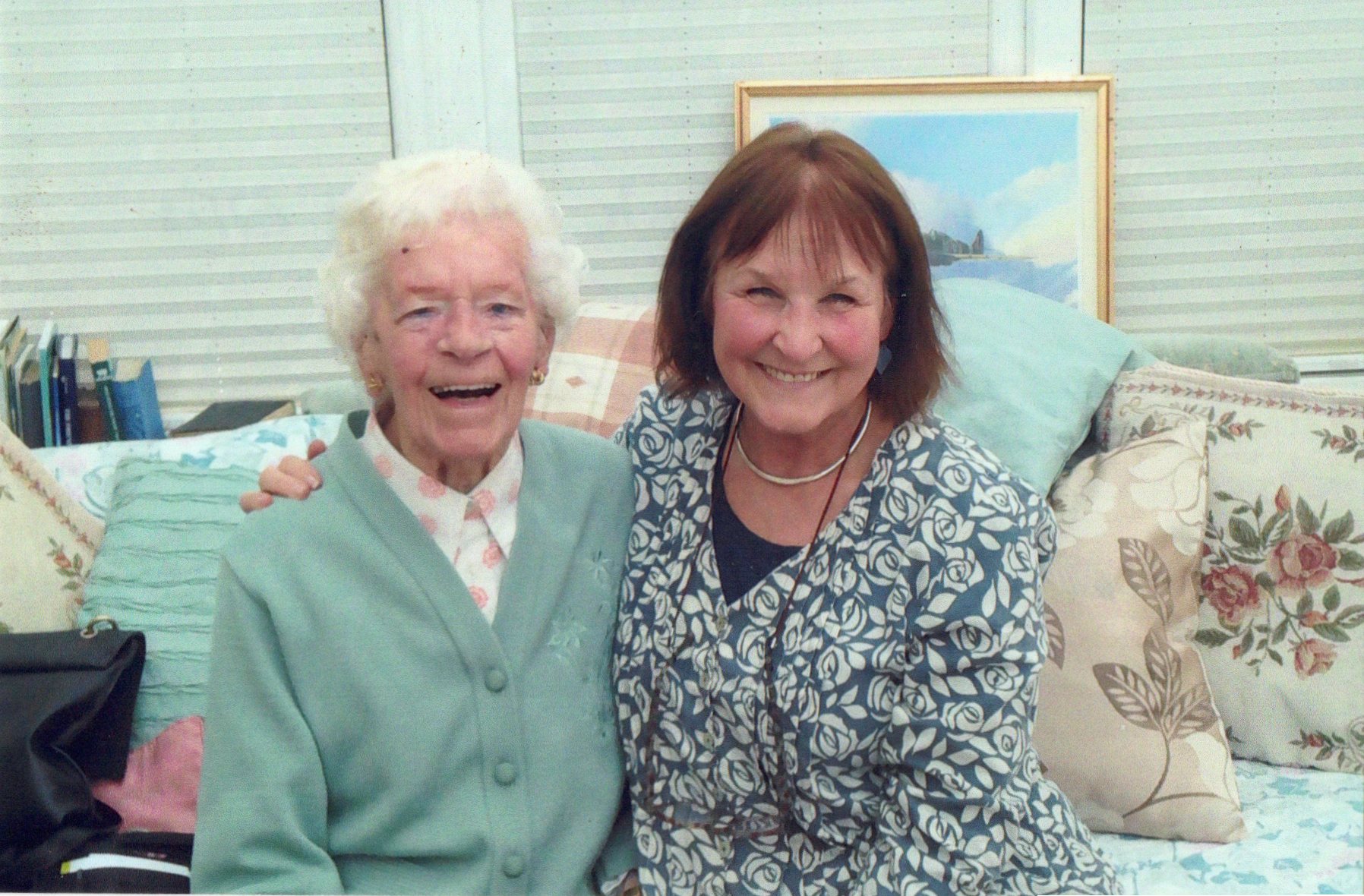
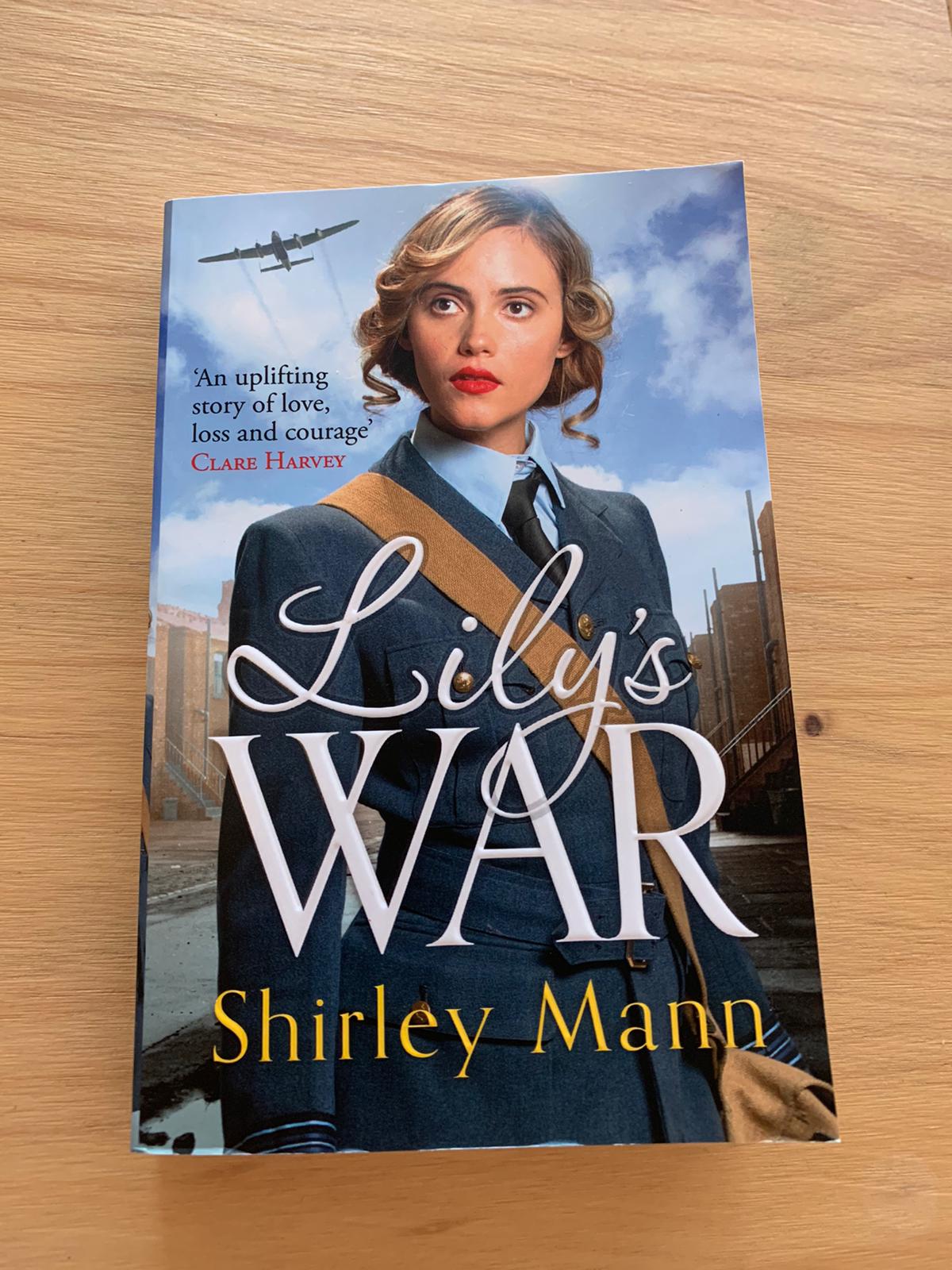
I was so lucky to get to meet Mary Ellis about two months before she died at the age of 101. I couldn’t help but come away inspired, awe-stricken and to be honest, with a little bit of a girl crush! She was just fabulous. My mum was my inspiration for ‘Lily’s War’ and I now realise how lucky I was that she was a WAAF in Bomber Command doing a glamorous job. The fact that my dad was in the 8th Army meant I was able to use his war time experiences as inspiration as well to tell his side of the story. I like to learn something in books I read so I want to emulate that and love giving something in the books that is unexpected so I like to look at the war from the viewpoint of a Tommy in Africa and Europe for example, or explore the shadowy world of an enigmatic civil servant or maybe even ( plot spoiler) a German POW. However, when my parents died, in a panic, because I hadn’t asked them enough questions, I raced around the country to find other servicewomen including Land Army girls, explosive workers and plotters etc and every time, I just found myself completely overwhelmed by what they had achieved- and put up with- at an age when I was having fun in the Uni bar. I loved imagining walking down the street with them in the 1940s and finding out those little details that aren’t in the history books. It made me determined to help readers walk down those streets too and make sure the women’s legacy was recorded so it would inspire future generations.

Shirley Mann with ATA pilot, Mary Ellis

What tips would you give your younger self about becoming a novelist?

Don’t give up your day job! It’s such a slow burn to establish yourself, get people to know and hopefully, like your work at the same time as writing enough books to establish credibility. I’m in my 60s and I honestly don’t think I could have done this earlier when, of course, I needed to make a living and there are certainly no  financial guarantees with novel-writing. Working for the BBC and running my own media company on top of having a family didn’t leave me much head-room to be able to think a story through, write it and deal with the social media and publicity to make my books stand out amongst all those other millions of books out there. I naively thought you just wrote a book!  I think the one advantage I had at this age was that I wasn’t afraid to fail, I just wanted to see whether I could do it, so maybe the answer to this question is, certainly take the writing seriously but don’t take yourself too seriously and enjoy the ride.

What have been the highlights of your professional life: as a journalist and as a novelist?

I’ve been so lucky in my careers- I just didn’t mean to have this many of them. As a journalist, I’ve met a huge array of famous people and can out-bore any dinner party guest (when we’re allowed to have them again) with insider gossip but it was the real people who left me humbled, the ones who strove against adversity and triumphed quietly- like the woman who worked to help the mothers whose children had been snatched by estranged husbands or the family who moved to a remote hillside in India to try to save threatened tigers. I suppose the same applies with the novels. I still talk to my lovely servicewomen- now in their late 90s- who talk in matter-of-fact tones about how they were young women living every moment despite bombing raids, being constantly hungry and  being asked to do things that would terrify a super hero. On days when I’ve been feeling sorry for myself because I haven’t been able to see friends or go on holiday, that common sense pulls me up sharply- these are the highlight moments of all of this for me.

IMG-20200430-WA0007 (3)

What has the RNA meant to you over the years?

I’m such a newbie at this, ‘Lily’s War’ was only published last year so I’m only just finding out what an amazing organisation the RNA is and how incredibly supportive it is of romantic fiction writers. I’m about to start a course with them to find out how to use social media to promote my books and my daughters, who are on a hotline Whatsapp group, are incredibly relieved that someone else is taking me in hand and teaching me what NOT to press. Added to that is the fact that the RNA has just amazingly given me an award for only my second novel, so hell, yeah, I think they’re incredible! 


What is next for Shirley?

I’m just finishing Book 3 which ‘Hannah’s War’ about a Land Army girl and I did struggle with this to begin with because both Lily and Bobby were such strong characters doing exciting jobs and I wanted to make Hannah a different sort of girl, one who was shyer and less confident of her potential. I soon realised that these LA girls were every bit as heroic as the ones like Lily and Bobby. They toiled in all weathers, in all circumstances and often, deprived accommodation to feed the country. Hannah’s journey is perhaps even more admirable because, without the war, she was one of those girls who would have remained tied to their mother’s apron strings and would, I suspect, never have discovered how strong they really were. Then it’s straight onto Book 4, which is set in the Isle of Man where they had internment camps, housing everyone they didn’t know what to do with- so Germans lived alongside Jews, Conscientious Objectors, gypsies and Italians. What a fantastic melting pot for a novel!  My parents lived their last years in the Isle of Man and are buried there. I love the island and as a next step, it seems a perfect way to complete the circle from ‘Lily’s War.’ I just need to be able to get over there to start the research.

Oh, and what else is next? ….I want to get my hair cut!


Meet Louise Douglas -the RNA’s 2021 Jackie Collins Romantic Thriller Award winner

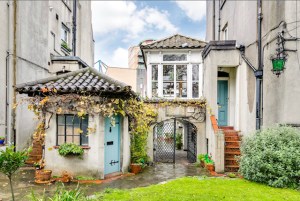
Douglas house sea author (1)

I love the description of ‘contemporary gothic mysteries’ – where and when did you first discover your desire to write novels?

Thank you, Valerie and thank you for inviting me to your website, it’s a treat to be here 🙂

You are very welcome!

I’m one of those people who never wanted to do anything but write. When I was a child and people asked me what I was going to be when I grew up, I always answered: ‘Bookmaker!’ I still love that word now!

I was a dreamy child, often in trouble as I never listened to instructions, struggled to concentrate in school and was always getting lost. This was because I was imagining alternative lives in my head and not paying enough attention to the real world. I loved fiction books; loved the pictures, the feel of the pages, the way the stories unfolded. I was often told that writing was all very well but I needed a ‘proper’ job too. Which was fine, as long as it was a job that I could do while I was day-dreaming.

What is it about this genre that attracts you?

I’ve always been drawn to the dark, but that’s because it’s necessary to accentuate the light. I like pre-Raphaelite paintings, epic Gallic poetry and music with a mysterious edge to the lyrics (Nick Cave, Massive Attack). From a young age, I liked exploring old graveyards, because of the way nature takes over, and because of the inscriptions on the gravestones, the stories they tell and the stories they hide. I love that these sad places inevitably evolve into magical and joyous havens for wildlife. It was inevitable I’d be drawn to the kind of books that meld death and love and wild countryside places and big old abandoned houses with secret doors and love letters hidden between the pages of novels.

The night is darkest before dawn; that’s what makes the sunrise so glorious.

Your winning novel was inspired by a real place – is it place, character, theme or another inspiration that triggers most of your plots?

It is usually places that are the inspiration, I can’t say exactly why. But that’s another habit that has carried through from childhood – finding a certain place and knowing that I have to write about it. I remember being about nine years old and riding in the back of my dad’s car, going past a massive old building that was completely derelict and (I know this will sound weird) although I’d never seen it before, I recognised it. It was somewhere in the East Midlands – that’s all I could tell you about it now, but it’s always stayed clear in my mind. That building has become the asylum-turned-reform school that’s at the centre of the novel I’m writing now.

Are you a meticulous plotter or a more organic writer?

Oh, I wish I could plot! I’ve tried everything to turn myself into a plotter, I’ve got a bookshelf full of ‘How to plot…’ instruction manuals, I’ve asked other writers for advice, scoured the internet for tips, I’ve tried and tried and tried and I just can’t do it! Even if I start with a plot within about 500 words it’s all gone to pot and the characters are doing their own thing or turning into different characters altogether and everything that started off clear in my mind has become a mess.

‘Organic writer’ is a lovely phrase but it doesn’t really describe the chaos that I go through every single time. And the not-plotting is so wasteful. I end up deleting tens of thousands of words because I’ve written myself into a dead end. It’s annoying and frustrating and I wish I could be different but it’s the way it is.

You have a love of nature, creativity and the outdoors, does this shine through your work?

Thank you for this question. I do love nature, plants, animals, the moon and stars, the countryside, urban foxes, the oceans, birds, all of it. I hope it shines through in my work because nature is so important to me. One day I really want to write a book about how the outdoors grounds, inspires, heals and calms. Climate change and the threat to the environment terrifies me.

What has winning this amazing award meant to you?

It means the world to me. Being shortlisted gave me a huge boost; it’s done wonders for my confidence. I’m incredibly grateful and proud to have won. And also… to have my name mentioned in the same sentence as the wonderful Jackie Collins is just.. well it’s amazing! Thank you so much to Simon and Schuster UK for sponsoring the award in her name. #BeMoreJackie.

Has your road to success been long or short?

It’s been a long road, with plenty of steep hills, bumps and potholes and I’ve got lost many, many times and had many a flat tyre but I’m still on that road and still enjoying the ride.

What tip would you give your unpublished self-looking back, or would you not change a thing?

I’d tell myself to learn to plot.

How important has being a member of the RNA been to you as a writer?

It’s been important to me both as a writer and as a human being. Through the RNA I met my first ever writer friends; we used to meet once a month in a pub and we laughed and encouraged one another and I realised what a warm and wonderful community it is. It’s a superb organisation run by incredible people.  I admire and respect the way it promotes romantic fiction in its myriad guises, challenges the sometimes patronising assumptions that appear in the press, supports both new and established writers and helps those of us in what is effectively a solitary profession feel part of a collective.  I’m incredibly proud to be part of it.

What is next for Louise?

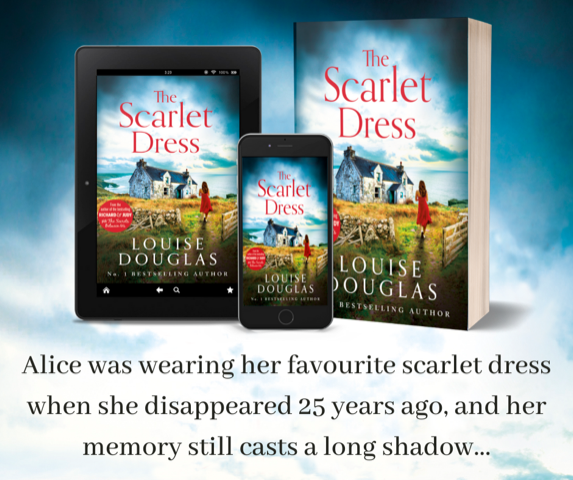
Book number eight, The Scarlet Dress, has just been published and I’m currently working on the asylum-turned-reform-school book which is my first ever full-on ghost story.  

unnamed

Congratulations and I wish you every ongoing success!

Comments, likes and questions can be left below.

Meet Julie Houston – winner of the RNA’s 2021 Sapere Books Popular Romantic Fiction Award

Hi Julie

In your shortlist interview you wrote:

I was inspired to write SING ME A SECRET after taking part in a musical production of Lloyd Webber’s Jesus Christ Superstar in Leeds Town Hall several years ago. In the actual book, a family secret held between four sisters is played out, and eventually revealed, while rehearsing and performing in their village’s own production of this fabulous musical. I’d loved every minute of taking part in the show, especially as we all fell in love with Jesus. And what a Jesus…

You revealed the source of this novel was a musical – how did this come about?

I’ve sung in a choir for the past twenty-five years or so and, on one occasion, we were lucky enough to be given permission to perform JESUS CHRIST SUPERSTAR by Andrew Lloyd-Webber’s Really Useful Group. This was performed in Leeds Town Hall and it was one of the best things I’ve ever been involved in. We all fell in love with Jesus, who was an extremely talented – as well as rather good looking – young man, and taking part in the production was really fantastic. Our choirmaster, Gary, who I’ve acknowledged in the book, Sing Me A Secret, surprised us all by donning a yellow suit and purple wig and taking on the part of Herod. This was my inspiration for Juno’s love object – Dr Scott Butler – when he took on the part of Herod in his own yellow suit and purple wig.

51DshNvyepL

Can you share some of your journey from unpublished to published author with us?

I’ve always read, as surely all authors must have done in order to write a novel themselves, and really wish – again as all authors probably wish – I’d started writing much earlier. However, I started writing Goodness Grace and Me when my children were small and I suppose it took me many years to not only write it but have the confidence to submit to agents. Then came the usual rejections. I joined the RNA and submitted this first book into their New Writers’ Scheme which was extremely helpful in pointing out where I was going wrong. (As well as going right, thank goodness). Eventually my lovely agent, Anne Williams at KHLA, took me on and we did the round of submissions. This was back in 2014 when publishing was still all about paperbacks and the Romantic Comedy genre seemed to be losing popularity As such, the main publishing houses rejected it. I decided to go independent and worked with Ebook Publishing to get Goodness Grace and Me up as an e-book with Amazon Kindle. The book did well, reaching 64 in the UK charts. I then wrote The One Saving Grace and Looking for Lucy and was taken on by White Glove which was an arm of Amazon publishing for agented writers. I don’t think it exists any more. They were brilliant at promoting and Looking for Lucy reached Number 1 in Australia. Anne submitted A Village Affair to a round of publishers and I was taken on by Sarah Ritherdon who was then with Aria. Aria took all my back numbers as well as offering a new three-book deal and then, with Hannah Smith as editorial director, was given another three-book deal. The team at HeadOfZeus/Aria have been fabulous to work with. Sing Me A Secret won the Sapere Books Popular Fiction prize in March this year. A Family Affair will be published in June and I’m just about to complete my tenth novel, A Better Life.

What advice would you give to your younger unpublished self?

Write that book now!! Don’t leave it until you think you have time. Read everything, even books outside the genre in which you want to write. Also, go with your gut instinct: if you really think people will enjoy reading what you’ve written, don’t listen to anyone who might try and put you off. Persevere, don’t give up. Plod on. You’ll get there if you really want to.

Are you a very organised plotter or do you write from a specific starting point and then let the characters evolve and take you on a journey?

By the time I was writing my fifth book and had been taken on by Aria, I knew this was a serious business and I had to see this as a job, rather than a hobby! I’ve never been asked to write a certain plot – sometimes I think it might be interesting to be given an idea – so it’s now a matter of sitting down with a brand-new exercise book and creating characters, time lines and family trees. I hate that first page of writing a new novel. In fact, I probably hate the first few chapters as I am homesick for my old characters and not yet in love with the new ones. Once I’m in love with them, I let them write themselves. I know this sound utterly daft, and I’ve certainly ridiculed the idea that characters can write the stories themselves, but give them their head and they will. I love writing dialogue – I’d love to do some script writing – so I suppose my books are very much character, as opposed to plot, driven.

How have you coped to keep yourself mentally and physically fit during lockdown?

I’ve just got on and written two books: A Family Affair which comes out in June and A Better Life (title might change.) I started the first last March as Lockdown started and am on the point of finishing the second. If anyone had suggested, when I first started this writing lark, I’d be writing two books a year, I’d have laughed out loud. Lockdown has given me the opportunity to do that. My children are in their early twenties and have basically left home, giving me all the time I need to write. Physically, I run most days as well as walking the dog. (Sometimes I combine the two, much to the dog’s dismay who doesn’t like being on a lead). I was swimming most days until the gym closed for Lockdown and we’ve now just been informed this one isn’t going to be reopening at all. Who needs yet another retail park which, I believe, is going to be there instead? I’m livid!!

What has the RNA and winning this award meant to you?

The RNA has been fabulous. I’ve met so many friendly and talented writers happy to share their time, advice and expertise. Winning the RNA Sapere Popular Fiction award this year can only be described as a dream come true.

What next for Julie?

As we speak, I’m just about finishing book 10: A Better Life. Brand new characters apart from Cassie, Fiona and Clare from A Village Affair who, although featuring only briefly, I enjoyed bringing to life once again. I certainly can’t imagine stopping writing very soon yet. Who knows – in another five years, I may have written another ten books?

I certainly hope that you do and wish you every success in the future.

Please leave a comment or a question in the comments below!

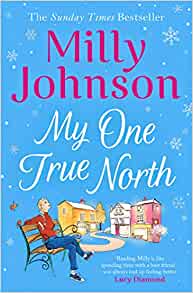
Meet Milly Johnson – winner of the RNA’s 2021 Goldsboro Books Contemporary Romantic Novel Award

Johnson- one true north author

I never wanted to be anything else but a novelist. Even when the sensible part of me was saying, ‘Get a proper job. Girls like you don’t become them,’ I never stopped dreaming. But such dreams need hard work behind them to come true so I gave it my all. I wanted to write books that made readers feel the way I did when reading the best ones: a willing prisoner trapped in the pages. 

Can you share some of your career path enroute from unpublished to published author with us?

I wanted to be a novelist more than anything but I didn’t think I had a chance as a northern working class girl with no connections in the industry. I had a passion for writing, but I had a friend who was brilliant at English and I came up very short when compared to the literature she could produce. She didn’t want to be a writer (she became a dressmaker) I was desperate to be a novelist, and I reckon over the years I just got better with all the hard work and practice. I was split down the middle: half of me wanting to be a writer, half of me convincing myself I was dreaming too high and I should get a proper job. So, after university, I got a proper job and then followed many other proper jobs – all of them ill-fitting because I only ever wanted to write. As soon as I’d come home from the building society/office/mill, I got out my typewriter and worked on my novel, which was a paranormal romance. I sent it off to various agents and the period between it going off in the post to me getting it back with a rejection stamp on it was filled with wonderful anticipation. Those rejections came thick and fast (rightly so) but I was getting comments from agents saying that my work was of a publishable quality which kept my hope burning.

Back then, I didn’t think anyone would be interested in a book set in the north, and I couldn’t write about the south with any authenticity so my stories were set in some airy-fairy no man’s land.  Then I was sacked from a firm because my accent was too ‘common’ and it was part-therapy, part-bloody-mindedness that I starting setting my stories in the north so I could stuff them full of my common accent. I had all but given up on ever making it, when I fell pregnant at the same time as two of my friends and we travelled our nine months together. When the babies were born, we were sitting in my front room and it was as if a bolt of lightning came through the window with an attached message. ‘Why aren’t you writing about this – the stuff you know: Yorkshire, friendships, babies, the workplace, love.’ I started to pen a story about three friends who get pregnant at the same time, sent it off to the same agent I’d been chasing for fifteen years and they said, ‘This is the one we have been waiting for’. Me and my northern books have never looked back.

What advice would you give to your younger unpublished self?

I would say to her, ‘Your association with the north is what will give you the break, so don’t ignore it, use it. Use your life and your experience to fuel your writing, nothing is ever wasted. Don’t give up – you can write and you have a backbone of iron so you will make it’.

Are you a very organised plotter or do you write from a specific starting point and then let the characters evolve and take you through the plot?

I would love to plot but I can’t – and believe me I’ve tried. I start the book on page one and somehow I manage to get to the end of it. I enjoy that I’m surprised by what spills out onto the page. When people say to me ‘I’d love to write a book but I wouldn’t know where to start’ my stock answer is ‘Neither do I.’ I’ve written nineteen full length novels not having a clue what else is inside me when I type ‘Chapter One’.

Writing accessible ‘unputdownable’ fiction that balances heavier topics with humour takes great skill, is this used in facing life, especially in a time of pandemic?

Humour has a great power and can help us in the darkest times. I always liken it to a chocolate mousse my friend used to make at university (bear with me). ‘It’s too rich’ she’d say, ‘So you have to eat it with double cream’. That dark sweet mousse needed to be offset with its total opposite and together they were a perfect combo.  Stories that are all too light are insubstantial, too dark and they’re cloying – you need one to offset the other. Even a little humour can pop a balloon of swollen tension, even if it’s slightly inappropriate, but it is a badly needed valve to give one breathing space. I like to write about ups and downs, my life has been full of them and my writing reflects that. I want to take my readers on a roller-coaster not a baby ride. But ultimately I leave readers with hope and however gritty some of my story threads might be, readers take from my books that there is light at the end of nearly every tunnel. That has been very needed in the pandemic. We all need to know that however frightening things are, hope shines eternal.

How have you coped to keep yourself mentally and physically fit during lockdown?

Physically – could have done better. But I have now invested in a treadmill which is in my office and was a brilliant buy. I wish I’d done it at the beginning of the pandemic, I’d have been running marathons now.  Mentally – it was a struggle to be honest at the start of lockdown because I was very frightened. I ended up downing tools and letting my son persuade me into watching the whole of Game of Thrones which gave my head a total break. Then I eased myself back into my work, because we are used to cracking the whip over ourselves, and now I’m back up to full pelt.

What has the RNA and winning this award meant to you?

I was determined not to join the RNA until I was a published author and that was daft because I missed out on a lot of support and camaraderie (and Prosecco and kitchen parties) that would have helped me along the way. It has brought me friendship and support and a lot of knowledge because you never stop learning in this game. I love that you can cheer on rivals because we all have the common aim of promoting our genre and encouraging reading. I feel as if I am in a fragrant army of kick-ass soldiers and I’d encourage everyone who is eligible to join.

download

As for winning the award. I wanted it very much for My One True North (so much so I felt sure I wouldn’t get it, hence the shock when I did). It is one of two books that I wrote when my dad was very ill and I pressed him into the pages. I felt as if it was the best thing I’d ever written, as if it was pulled out of my soul and so to be honoured for it was very special. I have a trophy shelf at home now and I have so many freeze-frame moments when I think ‘those trophies are for MY writing’. It makes me so glad I am a stubborn little sod who never gave up because it really does prove what you can do when you want something so much that you’ll give it your all to get it.

What is next for Milly?

I’ll write until I drop.  I’m having a crack at a crime novel as well as a romance because I’ve always wanted to stretch in that direction and I’ve been writing some poetry which I love to perform in theatres. I just want to get back to mingling and doing talks and meeting readers.

Thank you so much for sharing your personal writing story with us. I wish you every further success with your future projects and look forward to reading many more of your books.

Comments, likes and questions are always welcome…

Celebrating: The Sapere Books Popular Romantic Fiction Award shortlist!

Popular romantic

The Sapere Books Popular Romantic Fiction Award

Sapere Books is a digital first publisher of romantic fiction, historical fiction, women’s fiction, crime fiction and thrillers. Sapere Books launched in 2018 and specialises in reissuing novels which have gone out of print and developing relationships with both new and established writers.

logo-1-circle_filled

A Perfect Cornish Escape – Phillipa Ashley

Avon

Wild landscapes and small communities inspire my novels. The idea for A Perfect Cornish Escape came from a visit to an isolated coastwatch station on the Cornish coast. After Marina’s husband, Nate, is lost at sea, she reopens her local station, determined that others won’t have to go through the agony she has. Marina vowed to love Nate forever but when kind-hearted Lachlan arrives in her life, should she deny herself another chance at happiness?

Sing Me a Secret – Julie Houston

Aria, Head of Zeus

I was inspired to write SING ME A SECRET after taking part in a musical production of Lloyd Webber’s Jesus Christ Superstar in Leeds Town Hall several years ago. In the actual book, a family secret held between four sisters is played out, and eventually revealed, while rehearsing and performing in their village’s own production of this fabulous musical. I’d loved every minute of taking part in the show, especially as we all fell in love with Jesus. And what a Jesus…

Sunny Days and Sea Breezes – Carole Matthews

Sphere, Little, Brown

I won a short story competition in Writing magazine and did the most sensible thing I’ve ever done. I spent the prize money on a writing course. The tutor told me that my work-in-progress was good enough to send to an agent. He took me on straight away and sold the book within a week which became Let’s Meet on Platform 8. I never imagined that it would launch a career that would last twenty-four years and see me write thirty-four books.

Christmas Wishes – Sue Moorcroft

Aria, Head of Zeus

When I heard a sportsman talking about battling an eating disorder I gave the issue to Nico, a Swedish man and single dad who was once a rising ice hockey star. I wanted to give him issues traditionally allotted to female characters. I gave Hannah a contrastingly easy life in Stockholm … then snatched it away and returned her to her English village.

The Two Lives of Lydia Bird – Josie Silver

Penguin

The winner will be announced on the 8th March 2021.

Please feel free to leave a comment or like the post.

Celebrating: The Jackie Collins Romantic Thriller shortlist!

“Jackie Collins was a creative force, a trailblazer for women in fiction, and, in her own words, ‘A kick-ass writer!’ Since her 1968 debut The World is Full of Married Men, her books have sold in their millions in more than 40 countries and she is one of the world’s top-selling novelists. Ian Chapman, CEO of Simon & Schuster UK and International, said “Jackie was kind, brilliantly astute, with a wicked, mischievous sense of humour. She was a consummate storyteller and made her craft look easy, like all great practitioners. I – along with many others – miss her still and often expect to see her appear suddenly in our midst. We have long made a solemn commitment to ensure that her legacy endures and are incredibly proud to partner with the Romantic Novelists’ Association again to sponsor the Jackie Collins Romantic Thriller award to support her fellow writers.”

Every author has their own unique story to tell about how and why they came to be a novelist. Read on to find out the stories behind the talented authors shortlisted for the prestigious award, as they reveal them, and the inspiration behind their lovely novels.

The Forgotten Sister – Nicola Cornick

HQ 


I’ve always been fascinated by historical mysteries and I also love writing about lesser-known women from history. The two things came together in The Forgotten Sister which was inspired by the mystery of the death of Amy Robsart, wife of Queen Elizabeth I’s favourite, Robert Dudley. So often Amy’s story is eclipsed by Elizabeth and Robert’s love affair, but I wanted to bring Amy into the spotlight instead. Telling her story alongside a tale of modern day celebrity made me realise how many themes from history are still relevant now.

The House By The Sea – Louise Douglas

Boldwood Books

The inspiration for this novel was a derelict villa on a small headland in a remote corner of Sicily. We were on holiday and spotted it from the beach, climbed a sandy path to reach it. The villa was enclosed by high walls, with bougainvillea and other plants tumbling over as if they’d been imprisoned and were trying to escape. Behind rusting gates, chained together, we glimpsed a lovely, fading old house… and I fell in love.


Death Comes to Cornwall – Kate Johnson

Dash Digital, Orion

Honestly, I was trying to write a nice romantic comedy about a gorgeous actor and a girl trying to escape her hometown, and then a dead body turned up in chapter three. Which doesn’t usually happen in romcoms, so it became more of a cosy mystery. And setting it in Cornwall meant an excuse to eat pasties and drink Cornish beer. You know, for inspiration.


The Twins – J. S. Lark

HarperCollins

My writing history began with Bridgerton style bodice rippers as Jane Lark, before becoming the gripping domestic, psychological, thriller I created in The Twins. The progression to The Twins came about after watching the Dr Foster TV series. My romantic books have always had a harder, darker, edge to them. The TV series that focused heavily on the character relationships while weaving a twisty shocking story around that encouraged me to take the step into the full-on thriller space. I love creating gritty, shocking and yet passionate characters.

But the root of my writing is thanks to a teacher, who identified my exceptional story-telling capability when I was eight. She called me forward to the front of the class and told everyone that one day I would write a novel. That didn’t happen for 33 years, but now there are twenty-six novels. I am told I’m quite prolific.


Escape to the Little Chateau – Marie Laval

Choc Lit

As a teenager growing up in France I loved reading historical romance and used to make up stories before falling asleep every night. My dreams were full of sword fights, daring rescues and brave heroes and heroines battling evil villains as they fell madly in love. Picking up a pen and writing the stories down was the next, logical step, and I never looked back!

The winner will be announced on the 8th March 2021.

Please feel free to leave a comment or like the post.

Celebrating: The Goldsboro Books Historical Romantic Novel shortlist!

Goldsboro Books is the UK’s leading independent bookshop, specialising since 1999 in first editions, signed, collectable and exclusive books. Situated in Cecil Court in London’s West End, and – as of December 2020 – Brighton’s famous Lanes, it has gained a reputation for championing debut authors, as well as creating the UK’s largest book collectors’ club, and is influential in selling large quantities of hard-back fiction. 

The Goldsboro Books Historical Romantic Novel

Every author has their own unique story to tell about how and why they came to be a novelist. Read on to find out the stories behind the talented authors shortlisted for the prestigious award, as they reveal them, and the inspiration behind their lovely novels.

Goldsboro Books is the UK’s leading independent bookshop, specialising since 1999 in first editions, signed, collectable and exclusive books. Situated in Cecil Court in London’s West End, and – as of December 2020 – Brighton’s famous Lanes, it has gained a reputation for championing debut authors, as well as creating the UK’s largest book collectors’ club, and is influential in selling large quantities of hard-back fiction.

Heartbreak in the Valleys – Francesca Capaldi

Hera Books

The idea for Heartbreak in the Valleys came from a document I discovered on Ancestry.com. It was the WW1 record for my great grandfather, Hugh Morgan. It revealed that he’d enlisted into the Rhondda Pals but was discharged on medical grounds eight months later, with tachycardia, while still training. Wondering what he must have felt, with his pals off to war, and how it affected those around him, I came up with the basis of the novel.

The Coming of the Wolf – Elizabeth Chadwick

Sphere, Little, Brown

I wanted to write a story about how people of every culture coped after the Battle of Hastings in 1066 and The Coming of the Wolf is the result, with a Cambro-Norman hero and an English heroine. I wrote the novel long ago, but dug it out to edit and put a few chapters online. My readers immediately demanded the rest and it was their encouragement and push that ultimately led to the novel’s publication and subsequent shortlisting.

Spirited – Julie Cohen

Orion Fiction

Daniel’s Daughter – Victoria Cornwall

Choc Lit

Daniel’s Daughter tells the story of a character who appeared at the end of one of my previous novels in the Cornish Tales series, The Captain’s Daughter. I always wondered what would happen to Grace should she discover a secret that would destroy her trust in everyone she loves. The books in the Cornish Tales series are stand-alone stories and can be read in any order, however writing Daniel’s Daughter brought closure to me as a writer.

The French Wife – Diney Costeloe

Head of Zeus

Encouraged by my publisher father, I have written stories all my life. In 1980 I entered Woman’s Hour’s romantic novel competition, and though I didn’t win, I was shortlisted and so I submitted my novel to Robert Hale. It was the beginning of my published career. I wrote ten romances for them and others before moving on to historical fiction, 19th century, WWI, WWII but always with a romantic element. That’s where I am now.

People Like Us – Louise Fein

Head of Zeus

As a child, I always had my nose in a book. I think I wrote my first story aged around six. It wasn’t until my youngest daughter’s illness forced me to give up work that I began writing seriously. I took a master’s degree and began working on a novel. That novel, the first I ever wrote, became People Like Us. It is beyond my wildest dreams to be published and shortlisted for this award!

The Lost Lights of St Kilda – Elisabeth Gifford

Corvus

The Lost Lights of St Kilda was inspired by the last families to live in Scotland’s most remote island who had to abandon their beloved home in 1930.

I was able to visit St Kilda with its magnificent scenery, and the abandoned village. I combined this with a story of a WW2 Scottish soldier who stays on the island as a student, and falls in love with an island girl. He is captured during the Dunkirk evacuations. His escape to get home to Chrissie was inspired by our grandparents’ stories of helping escapees to escape Nazi-held France.

Rags-to-Riches Wife – Catherine Tinley

Mills & Boon Historical

In Regency Romance, there is an emphasis on the world of high society. My own ancestors though would not have been aristocrats. We were farmers, tradespeople, servants. This was my chance to delve into the life of a regency servant. Jane is a lady’s maid, and is invited to stay with wealthy relatives. How will she manage as she wears silk dresses instead of cleaning them, as she is mocked for her chapped hands and lack of schooling, as she finds herself falling in love with a gentleman – someone above her social class?
The Skylark’s Secret – Fiona Valpy

Lake Union Publishing

I was travelling in the far north of Scotland and I came across the Russian Arctic Convoys Museum. I was astonished – it was a WW2 story that I’d known nothing about. Loch Ewe was chosen as the

muster point for ships braving the Arctic seas, running the gauntlet of Nazi U-boats and air strikes to keep the Russians supplied with food and armaments. The idea of this peaceful, remote crofting community suddenly becoming such a strategic focal point in the war inspired The Skylark’s Secret

The winner will be announced on the 8th March 2021.

Please feel free to leave a comment or like the post.

Congratulations to Melissa Oliver – winner of the Joan Hessayon Award 2020!

Have you stopped celebrating yet?

I’m thrilled and utterly elated to be the winner of the 2020 RNA Joan Hessayon award for The Rebel Heiress and the Knight.

I had a wonderful time celebrating over the weekend with my husband, Jack, our three daughters, and lots of lovely messages from family and friends. There was lots of bubbles, cake, a lovely pub lunch, and even a family game of Cluedo!

Going back to the beginning of your desire to write – when did you realise that you needed/wanted to write fiction?

It probably started as a child. I had a fervent imagination and loved nothing better than to escape into the wilds of make believe. The writing bug really caught when I was a little older but to be honest, a lack of confidence and self- belief held me back from pursuing my dream. It wasn’t until I was in my thirties with young children at home, and working part- time, that I began to question what it was that I really wanted to do in life. That itch to be a writer had never gone away and so I decided to do something about it. I have to add, however, that it has taken many, many years to realise that dream!

Were you always in love with writing romance?

I enjoy many genres from thrillers, whodunit, classics, to every kind of historical fiction but I LOVE romance, especially historical romance more than any other and have done so ever since I was a teenager. From Jane Austen, Georgette Heyer, Anya Seyton, to Daphne du Maurier and many, many others.

How helpful has being a member of the New Writers’ Scheme been to you developing your talent?

The New Writer’s Scheme and the RNA have been amazingly supportive in my writing. The detailed feedback that you get back from an anonymously assigned reader has been incredibly valuable to develop and hone my writing skills.

Was The Rebel Heiress and the Knight your first completed novel?

Yes, The Rebel Heiress and the Knight was my first fully completed novel. Previously, I had written screen & radio plays, and I once started a YA thriller that never went anywhere. I do believe that it’s good to try different things creatively until you find your voice, so nothing is wasted – at least, that’s what I tell myself.

What drew you to the C13?

I love anything historical and once I had created the general outline of my story, it was a question of working out which era would work best.  Eventually, I felt that the early 13th century with King John’s turbulent reign was the perfect foil for my story.

Your heroine has a dramatic backstory, did this give her character more depth?

Absolutely. I knew that I wanted my characters to feel ‘real’ within the context of the story, and whilst there was a huge amount of external conflict, I knew I had to explore why they behaved in the way they did, to make the story work. This is especially true of Eleanor, who is a quite extraordinary character for the times she lived in.

Few will know who Fulk FitsWarin lll is – how did the link happen to the legend of Robin Hood?

The life and times of Fulk FitzWarin III ( Foulke le FitzWaryn) was intriguing, romantic, dangerous and pretty incredible. The parallels between what happened to him and Robin Hood are strikingly familiar. FitzWarin was forced to become a rebel and later an outlaw after Whittington Castle and his hereditary lands were confiscated by King John. He lived for many years in woods & forests with his band of outlaws and even his right-hand man was apparently called John. He never gave up the claim of his birth right and did eventually win it back, but only after much heartache and strife. He also won the hand of the heiress Maud le Vavasour, who some believe to be the inspiration behind Maid Marian. There were other real-life inspirations for the legend of Robin Hood such as Herewerd the Wake and Eustace the Monk but in my opinion, no one epitomised Robin as well as Fulk did.

What has working with Harlequin Mills and Boon been like?

It has been amazing working with Harlequin Mills and Boon. They have a wonderful, collaborative team who are very supportive and insightful. In particular, my editor, Charlotte Ellis, who has been a pleasure to work with.

What is next for Melissa Oliver?

The Rebel Heiress and the Knight is part of a linked series, The Notorious Knights. The next book, Her Banished Knight’s Redemption, is William Geraint’s story (he’s a secondary character in the first book) and is due to be published Jan/ Feb 2021. I’ve also signed another two- book deal with Harlequin Mills and Boon, so I’m currently writing the next Notorious Knights book.

I wish you every success in your writing career.
What a great start!

Introducing the short list for the prestigious RNA Joan Hessayon Award 2020!

JH 20 all covers banner

Every author has their own unique story to tell about how and why they came to be a novelist.

Read on to find out the stories behind the talented shortlisted authors for the prestigious award as they reveal the themes that are at the heart of their lovely novels.

Zoe Allison, Impervious, Totally Bound

After years of hard work and burn out in Medicine I came to realise how much I loved writing and what a release it was – a balm for the soul. I wrote a couple of opinion pieces for a medical newsletter and after that tried my hand at writing children’s picture books. As my own children grew I got back into reading romance and remembered what I enjoyed most about the genre – the happy endings. I decided to write my own romances, with the strong heroines and non-toxic heroes that I craved to see in the books I read.

Jan Baynham, Her Mother’s Secret, Ruby Fiction

On retirement, I joined a local writing group. Once my stories started getting longer, I undertook a novel-writing course, enjoying the challenge to explore my characters in more depth and delve further into their stories. Joining the RNA New Writers’ Scheme was the best decision I made on my journey to becoming a published novelist.
I love writing about families and the skeletons lurking in their cupboards. In ‘Her Mother’s Secret’, my main character, Elin, has a well-hidden secret. The novel explores the bond between a mother and her daughter, forbidden love, cultural differences and a search for true identity.

Laura Bambrey, The Beginner’s Guide to Loneliness, Simon & Schuster

The theme of The Beginner’s Guide to Loneliness was dictated by my main character, Tori. As I spent time getting to know her, looking past her severe anxiety and issues with specific phobias I realised that, right at her very core, she was chronically lonely. This sent me off on a fascinating trail of research. Loneliness has so much stigma attached to it – it’s a strangely taboo subject and something that is very difficult to discuss – but we’ve all experienced it at some point in our lives. I hope this book helps to open up those conversations.

Victoria Garland, Finding Prince Charming, DC Thompson

My first attempt at writing was at the age of twelve. I was given a typewriter for Christmas and started pounding out my own version of a Nancy Drew mystery. Remember those? Fast forward three decades to when I joined the RNA’s New Writers’ Scheme. After having several short stories published in My Weekly I decided to write a pocket novel for them. I was asked for a sparkling Cinderella story for Christmas and Finding Prince Charming was born. I had an absolute blast writing it, playing with the fairy tale theme and falling madly in love with the hero.

Rosemary Goodacre, Until We Meet Again, Hera

As RNA members know, the New Writer Scheme is a great way for debut novelists to have work critiqued by professionals, and I’m very grateful for this opportunity.
The centenary of the Great War reminded me of this tragic period of history. What must it have been like to have been suddenly swept into it? My characters, Amy and Edmond, had to be special people. They fall in love as war breaks out, snatching days and weekends together, uncertain of their future. Only their love brings them through disaster.

This slideshow requires JavaScript.

Annette Hannah, Wedding Bells at the Signal Box Cafe, Orion Dash

About fifteen years ago the Signal Box near where I live became automated and I always thought it a shame that such a lovely building should be neglected and boarded up. I often visualised it as a café and when my protagonist Lucy needed a venue for her wedding planning business, I decided to use the old Signal Box as inspiration and followed my dream even if it was just in my imagination. Writing a book has been my lifelong ambition and to have achieved it feels fantastic. Being a contender for the Joan Hessayon Award is a wonderful rite of passage.

Stephanie Harte, Risking It All, Aria

I’d dreamt of writing a book for years but had been put off by the daunting task. Filled with self-doubt, I talked myself out of the idea every time it resurfaced until I plucked up the courage to put pen to paper and join the New Writers’ Scheme.
In Risking It All, Gemma’s forced into a life of crime to clear her husband, Nathan’s debt after he secretly borrows money from a gangster. Her loyalty is pushed to the limit as she battles with her conscience. Losing Gemma could be the price Nathan has to pay for his reckless behaviour.

Stefania Hartley, Sun, Stars and Limoncello, Totally Bound

When I moved to the UK from Sicily, my English was too poor to imagine that I could ever write anything. Eventually, my Italian became rusty too. But one day I discovered that I could write articles about my subject (I was a Science teacher). After twenty years, I finally knew English well enough to write! It was as exhilarating as sprouting wings. I started writing about anything that excited me and memories of my Sicilian youth popped up more and more. Now I love to share with others those memories and stories of hot Sicilian summers, sun-drenched passion and sparkling seas.

Kirsten Hesketh, Another Us, Canelo

My debut, Another Us, is inspired by my son who was diagnosed with mild Aspergers when he was ten. A few years later, sorting through some of the bumpf I’d been given at the time, I stumbled across a statistic which claimed that eight out of ten marriages with a child on the spectrum end before that child is sixteen. Our son was already sixteen by this point and I decided the statistic was rubbish. But what if I’d known about it earlier on? Might I have reacted differently, behaved differently? And so the idea behind Another Us was born.

Sharon Ibbotson, The Marked Lord, Choc Lit

As a child, I never wanted to be a novelist. I wanted to be a nun. But after my parents informed me that I was neither Catholic nor was being a nun like it was in ‘The Sound of Music’ I started to consider other options. I loved reading – in fact, I still believe I am a better reader than I am a writer – and I started writing when I lost a copy of a library book I never got to read the end of, making up my own conclusions to the story and seeing where I could take the characters I had fallen in love with. I wrote ‘The Marked Lord’ when I was pregnant, sitting in my garden and dreaming of home (Australia plays a large role in this story). It’s all about second chances and letting go of past hurts, both physical and emotional. It was a lovely book to write and I’m still very fond of it (I am also still very fond of ‘The Sound of Music’ but then who isn’t?)

This slideshow requires JavaScript.

Emma Jackson, A Mistletoe Miracle, Orion Dash

“Back in 2013 I went along to see the Christmas lights being turned on in Alfriston village with my partner and one-year-old daughter. It was a bitter night, but the buoyant atmosphere and chocolate-box setting set my mind racing with possibilities for a Christmas novel. From that spark of an idea, A Mistletoe Miracle, a festive romantic comedy, grew. Slowly. I squeezed in writing in the evenings and children’s naptimes over the next six years and in 2019 joined the RNA NWS, knowing that if I wanted to be published it was up to me to start taking my writing seriously.”

Lynn Johnson, The Girl From The Workhouse, Hera

I didn’t mean to become a novelist. In my fifties, I began researching my family tree and discovered things I never knew about my mother’s family. At my local writing group, I started to write short stories. The Girl From the Workhouse, was one of those very early stories and it grew – but was I writing history or fiction? I decided on fiction. And my biggest stumbling block took time to resolve itself. Dare I give my Grandma a boyfriend who was not my Grandad? Once I had the answer, my writing flowed. Fifteen years later…success!

Nina Kaye, The Gin Lover’s Guide to Dating, Orion Dash

My childhood dream to write became real when I turned to writing to support my rehabilitation from a difficult illness, and to provide escape from it. Recently, I’ve completed another story inspired by this time, and I hope to share this in the future.

The key ingredients of The Gin Lover’s Guide to Dating are the beauty of Edinburgh’s setting, personal experience in the hospitality industry, and (of course) my appreciation of gin! Real life issues are an important touchstone for my writing, as is the light-hearted side of life.

Lucy Keeling, Make It Up To You, Choc Lit

I wrote my first story when I was 8 and not to toot my own horn, but it was good. It had Ice Monsters roaming the streets. From then on, every few months I would get this urge to write. As I got older, I would manage a solid three chapters before I ran out of steam. It was only when I discovered that I could plan out a story, that it didn’t have to just magically spill from my fingertips, that I actually managed to finish one. Now, the only ice monsters I write about are the ones that melt with a HEA.

Ruth Kvarnström-Jones, Halleholm – Lovisa’s Choice, Printz Publishing

One is seldom too sick to scroll through Facebook. That said, as a copywriter flattened by pneumonia back in 2012, even scrolling depleted my energy supply pretty pronto. Until I saw a meme that suggested one had an obligation to use up every ounce of talent before one died. Must write my novel! Energy inexplicably refreshed, I began making notes for Halleholm- Lovisa’s Choice.
Set in the chocolate-box environs of the Stockholm Archipelago, Halleholm – Lovisa’s Choice is a modern-day Romeo and Juliet saga: the tale of a multi-generational family feud that nearly rips apart a town and shatters one woman’s dream.

This slideshow requires JavaScript.

Mairibeth MacMillan, The Viking’s Cursed Bride, Tirgearr

When I was wee, I got a tape recorder as a birthday present. My friends then spent several summers voicing the characters in the radio plays that I wrote – I still have some of the tapes! Later, when I took a career break from teaching drama, my interest in writing was rekindled and I completed degrees in creative writing and playwriting. I became interested in using writing to explore the stories associated with place, and most of my initial ideas are inspired by visits to particular buildings or places. The Viking’s Cursed Bride was initially inspired by a visit to Dumbarton Rock.

Melissa Oliver, The Rebel Heiress and the Knight, Mills and Boon Historical

My debut is a sweeping medieval romance, set against the back-drop of the Baron’s Conflict, which began in 1215. There’s a nod to the legend of Robin Hood- which, in turn, took its inspiration from the real-life story of Fulk FitzWarin III.
King John demands that his trusted knight; Sir Hugh de Villiers marries the reluctant widow; Lady Eleanor Tallany, and also quashes local outlaws…. Unknown to Hugh, his new wife and the outlaw are one and the same.
Through twists, turns, and intrigue; Hugh and Eleanor’s spark of attraction need to overcome standing on opposing lines, or extinguish forever.

Maggie Richell-Davies, The Servant, Sharpe Books

Novels were always a portal through which to roam the moors with Heathcliffe and Cathy, to take the waters at Bath with Beau Brummel, or to fall in love with Darcy, so it was inevitable to yearn to write my own. Then a visit to London’s Foundling Museum, with its heart-breaking scraps of fabric and ribbon left by women in the hope they might, one day, be able to reclaim their precious child, inspired me to write The Servant, the story of a poor eighteenth-century girl battling to survive the injustices of the age – and to find love.

Jacqueline Rohen, How To Marry Your Husband, Arrow

J Rohen

Written by Jacqueline’s family: From childhood, Jacqueline was an avid reader and budding writer. She found ideas for stories everywhere, notebook at the ready. One such inspirational nugget was Mick Jagger’s public statement that he and Jerry Hall were never officially married; the story stuck with Jacqueline for years, finally evolving into the plot of her debut romantic novel. Eventually, Jacqueline’s own romance led her to chimpanzee conservation in Uganda where, forcing herself to become a morning person, she determinedly set aside the time necessary to fulfil her dream of being a published author. She would have been so proud to be nominated.

Kathleen Whyman, Wife Support System, Hera

Working as a magazine journalist, Kathleen always aspired to be a novelist, but got slightly sidetracked over the years by work, children and Mad Men box sets. It was her eight-year-old daughter’s words – ‘Stop talking about writing a book and just write one’ – that gave her the push she needed to write Wife Support System.
The novel, published by Hera Books, was inspired by Kathleen’s own feeble attempt to juggle a career with childcare, never-ending house ‘stuff’ and, outrageously, occasionally some time for herself. She is still struggling.
Kathleen’s next novel, Second Wife Syndrome, has been shortlisted for the Comedy Women in Print prize 2020.

Fiona Woodifield, The Jane Austen Dating Agency, Bloodhound Books

I have always wanted to be a writer, ever since my childhood love of reading spilled into the desire to write stories of my own. In 2018, I sent the manuscript for my first novel, The Jane Austen Dating Agency off to the fantastic RNA New Writer’s Scheme and had lovely feedback.

The Jane Austen Dating Agency focuses on a heroine who has spent rather too much time reading romantic novels, so her reality fails to live up to the dream. She joins a regency dating agency where she meets some wonderful friends, some rather interesting and familiar characters, to the Jane Austen fan at least and discovers her true self.

This slideshow requires JavaScript.