Discover Captivating Regency Adventures on Audible

Summer may be drawing to a close in the UK, but what a warm one it has been! Whether you enjoyed staying at home or ventured abroad I hope you had a fun time. Personally, I love to balance travel and home. Are you a home bunny or long to see the world? 

Holidays are a way to escape from the normal routine of daily life commitments, to experience new challenges and recharge… Like escaping in a good book. If you enjoy a slow burn romance wrapped around a Regency romantic adventure, then read on…   

My exciting news for Amazon.com readers is that from today three of my Regency novellas are now available to listen to free from Audible.com – Hannah from Harpham Hall, which was shortlisted for The Love Story of the Year Award by the Romantic Novelists’ Association when it was first published by DC Thompson has now joined The Baronet’s Prize and Phoebe’s Challenge.

In the UK and other countries they can be purchased on Kindle or enjoyed free from KindleUnlimited. I hope that in the future they will also be come available in Audible in the UK too. These are my first three novellas to be re-edited and re-launched in digital format, their length is perfect for listening to on a journey or loosing yourself for a few hours in a complete slow burn mantic wrapped around an exciting adventure.

All writers grow and learn as their careers progress. Since 2003, when my first novella was accepted for publication, a further 52 have been published in traditional large print and distributed through the Commonwealth library system.

Libraries have had to compete with the change in readers’ online habits and the availability today of books in various formats through various distribution channels. A library provides a physical presence within a community, but as well as offering its invaluable traditional book-loaning service they now offer so much more to their local community. Which is why they should be used and valued.

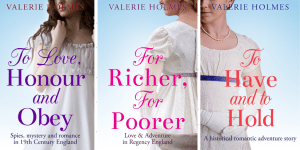
More good news is that For Richer For Poorer, published by Sapere Books, will be released in large print by Ulverscroft in early 2026.  

For reader’s who want a longer read with all the elements of romance, mystery and adventure then get ready to fall in love! 

My books offer Regency romances that will warm and captivate your heart. Discover the untold stories, hidden away from societies prying eyes. 

Read now and escape into the adventure! 

“Silent Revenge has the potential to capture not only devoted Regency romance fans, but also readers drawn to intrigue, history, and enduring love.” 

I hope you agree. Please feel free to leave comments and questions below. 

Explore the Timeless Beauty of Gisborough Priory

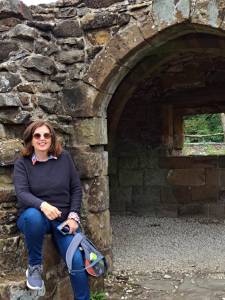
Gisborough Priory  is cared for by English Heritage and a local charity, Gisborough Priory Project. Its peaceful presence situated on the edge of the busy market town of Guisborough (that is not a typo, the two names are different) offers an escape into a tranquil space.

The priory’s name originates from the Old Norse origin, whereas the town’s name derives from the Domesday book entry – the town of ‘Gighesbore’.

Stepping inside the well-tended grounds is like entering a timeless sanctuary that has been lovingly preserved, providing a place of peace and reflection. I was surprised and delighted that this free-to-enter space is obviously a much used and cared for relic from the past, yet it is accessible to travellers today.

The Augustinian priory of St Mary the Virgin was founded by Robert de Brus in 1119. Its success led to the establishment of Guisborough as a thriving market town. In 1540 the dissolution of the monasteries under Henry VIII’s reign ended the priory’s power and control.

In my novels and novellas I created the fictitious towns of Gorebeck and Beckton, which were strongly influenced by such beautiful Yorkshire market towns as Guisborough. In the period when the Napoleonic Wars (1803-1815) raged overseas taking many menfolk to enlist for the King’s shilling and also to serve in HMS Navy, either by choice or pressgang, the lives of their families and loved ones were deeply affected back home. Trade was disrupted, taxes were high leading to smuggling – which was rife in the area, the costs of farming and grain rose, and of course men were away at war. Unrest, fear and tough times would be the reality for the many, whilst the landed gentry and ‘new money’ were still the relatively few who thrived in the country.

My stories reflect some of the issues of the day and the struggles that a country in the midst of war and social, industrial and religious change faced.

In Silent Revenge, Lord Farrington, a returning officer for Lord Wellington is asked by the Home Office to gather intelligence on local insurgents, lest uprisings happen in England like they did in France.

Goods, legal and contraband were brought to market vis such ancient routes as The Quaker’s Causeway, an ancient trod dating back to monastic times when Gisborough Priory was connected to Commondale.

“Parthena looked at her and decided to tell the truth — almost. “I walked over the old trods from Gorebeck to Beckton. I was at the Abbey School as a child and crossed the moors when the supplies were taken to market. I’d remembered it from back then. The school does not exist now, but the trods have existed for centuries.”

Parthena’s story is told in For Richer, For Poorer, published by @SapereBooks as part of The Yorkshire Saga Series

Book 2 http://getbook.at/ForRicher
Continue reading “Explore the Timeless Beauty of Gisborough Priory”

‘Secrets’ and a Blacksmith: Crafting Tradition and Innovation

I hope you have enjoyed the sunshine and warmth of June, when the UK sampled temperatures nearing those in the tropics! In North Yorkshire the heather is ready to bloom, bringing swathes of lush purple to the vast expanses of moorland. It is a truly beautiful and everchanging landscape.

Another beautiful county that I visited recently in the South West of England was Somerset. When I stopped at a garden centre I came across a working blacksmiths’ forge and felt as though I’d taken a step back in time. Instantly thoughts of Wilfred Underwood, Imogen’s father in Secrets, came to mind. Although we tend to think of smithing as a traditional craft of yesteryear, the charming owner soon corrected that impression.

There is still a demand for the old skills, used now for restoration work, preserving items from the past. This requires the mastery of the trade and knowledge of old methods, material, tools and skillset of the original worker to recreate or mend the item in question. Past imperfections are what makes an old item interesting today.

We live in a time where we have more technical accuracy and, perhaps as a consequence, less individuality. Science has moved on, providing precision tools and improved understanding of the process, yet a modern day blacksmith has to embrace and learn the old ways as well as the new.

Old skills are called upon to mend traditional machines and objects, some still used in other local trades like the local butcher’s grinder, along with reproducing such basic items as the imperfect nails made at a smithy’s before mass production. Each repair has to be done in the style and materials of that bygone age, but today’s Blacksmith also has to build on this historic knowledge by keeping up to date with modern, contemporary designs changes in style, tools, markets and techniques.

There is a long apprenticeship still required, for this labour of love, as science and art combine.

Historically, a chestnut tree was planted near the large forecourt providing shade and was symbolically associated with the trade. Yorkshire wrought iron was and is highly prized for its quality.

In Secrets Imogen’s father, Wilfred Underwood, is the blacksmith for my fictitious village of Dibbledale – a tranquil unspoilt place inspired by such villages as Hutton-le-Hole in the North Yorkshire Moors Park. His trade was central to the local community for the upkeep of agricultural equipment, as a farrier, and the many other jobs concerning the mending of household and trade goods. Wilfred, a gentle giant of a man, also encouraged Imogen’s creative nature providing her with fine tools and wire to make delicate jewellery, deepening the bond between father and daughter.

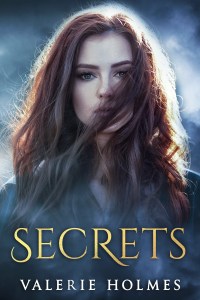
Secrets and their consequences worm their way between Micah and Imogen. Will they be able to save Dibbledale’s peace and tranquillity? Only when secrets are revealed can devoted friends be distinguished from destructive foes and allow love to find its true home.

From a writing perspective there is a fine balance between keeping historical fiction accurate to the period it is written about, and accessible to a modern reader, who may be unfamiliar with that period of history.

Trades, like everyday language, evolve and adapt through time. The visual importance and need of a central blacksmith may have changed, but in Regency they were essential and central to a thriving village community. They were also excellently placed to see and hear all the comings and goings of the villagers and pick up information from travellers who crossed their paths. Wilfred as a character is able to keep his finger on the pulse of local events.

I would like to greet and thank my new readers in the United States as well as the UK and Australia who have read and enjoyed Betrayal – Book 1 of Friends and Foes Regency romantic adventure series. The

I hope you go on to read the completed trilogy and discover what happens to Lord Farrington, an enigmatic character who features in Book 3 Silent Revenge , which will be published in paperback on 5th July. More about him next time!

July’s bargain book is The Baronet’s Prize, which is now 77p/$1, which also available on KindleUnlimited.

“A delicious Regency! Eleanor is horrified to be made homeless by her brother’s gambling debts and still more disturbed to find herself falling in love with the man who won the estate. Valerie Holmes resolves this dilemma in a spirited tale that keeps you turning the pages until the final “Ah!” of satisfaction.”
GL Robinson, New York USA, Regency romance author.

Reviews left on Amazon (and sites such as Goodreads) are always welcomed and appreciated by authors, especially if the book has been read and enjoyed. They are what keeps the algorithms working in the competitive world of publishing.

I would love to hear from my readers, wherever in the world you are based, and also from visitors to the region.

Have a lovely and safe weekend.

Embracing Spring: A Time for Renewal and Reflection

Spring is here! After the shorter colder days of winter it is glorious to see nature bursting forth with colour again. It is a season of renewal, regrowth, and new life, so it was a devastating shock and with heavy heart that I am sharing that, for my family, April opened with sad news of another dear friend losing their battle with cancer.

Jill was inspirational in the way she faced her diagnosis, coped with the treatments, and rose to the challenge.

Much as I love writing and have plans for further personal regeneration of this site, when life’s challenges – or death’s – hits, time takes on a unique perspective. Arrangements need to be made as grief is processed and change is not a choice, but a stark fact. Jill was a brave and humble lady who would not have wanted anyone’s world to be rocked by her passing. This season is one of longer, sunnier days and Easter a time of light and hope – and Jill had the latter in abundance.

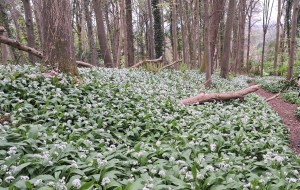
Life continues, and Spring has burst forth in all its glory, the bluebells are in full bloom,  wild garlic releases it aroma over beautiful white floral carpets and the birdsong is uplifting.

I would like to thank all my readers on both sides of ‘the pond’ for choosing to read Silent Revenge . If you enjoyed Lord Farrington and Jemima’s story then please leave a fair and unbiased review on Amazon or Goodreads. They are so important to authors, especially in these highly competitive days of algorithms. The paperback will be available for the summer… more about that next month!

Continue reading “Embracing Spring: A Time for Renewal and Reflection”

Regency Christmas celebrations

Merry Christmas

Christmastide in Regency times was a prolonged period of celebration, compared to our modern holiday, for those who could enjoy it. Public holidays did not exist so for the working class it was not a given that the day would be given  

It began on December 6th, Saint Nicholas’ Day. This was marked by exchanging small gifts.  

Christmastide ended on January 6th, otherwise known as ‘Twelfth Night’, marking Epiphany.  

For those who could celebrate Saint Nicholas’s Day, it was a period for parties, suppers, and balls to be held. But for all who had them it was a time for family and friends.  

This period did carry the feeling of ‘goodwill’ so it was expected that charity would be given to the poor, particularly on December 21st, Saint Thomas’s Day when the widows of soldiers who had died in the Napoleonic wars would go ‘Thomasing’, calling at the kitchen doors seeking alms or food parcels. 

On Christmas Eve holly and evergreens would be gathered and brought into the house to decorate and bring in the fresh small of nature. Garlands and wreaths would be woven with rosemary, bay, and laurel, and then embellished with apples, oranges, ribbons, and holly berries. 

Untitled design (1)

Mistletoe brought its own added spice to the festivities as kissing balls or boughs were made from it, a tradition that still lingers today. With each exchanged kiss a berry was plucked, once all the berries were gone then the kissing had to stop.  

A candle was lit on Christmas Eve and the Yule log was brought in wrapped in hazel twigs and custom stated that it should be lit with a remnant of last year’s log. The fire would then be kept burning as long as possible and be at the heart of family gatherings; a small piece being saved for the next year.  

istockphoto-184596879-612x612

On Christmas Day people attended church and then the gentry had a celebratory dinner of turkey, venison, or goose for the gentry, followed by plum pudding. Much of the seasonal food could be prepared ahead of time with a favourite being cold, brawn pies. 

The next day, Saint Stephen’s Day, was a day for charity. Richer people gave servants and tenants their ‘Christmas boxes’, usually gifts of money, hence it becomes known as ‘Boxing Day’. 

Finally, on the twelfth night there might be a party held with much dancing and singing. Hot spiced, mulled, wine was offered, and a special cake made to share amongst all the members of the household.  

Games such as ‘bobbing for apples,’ and ‘snapdragon’ – a game where raisins were soaked in a brandy in a large shallow bowl, were enjoyed. A more challenging one involved candles being blown out and the brandy lit, people then had to try and grab a raisin and eat it without burning themselves – health and safety was yet to be implemented!  

Men’s names were put into a hat so that ladies could then pick a name out to be her partner for the night.  
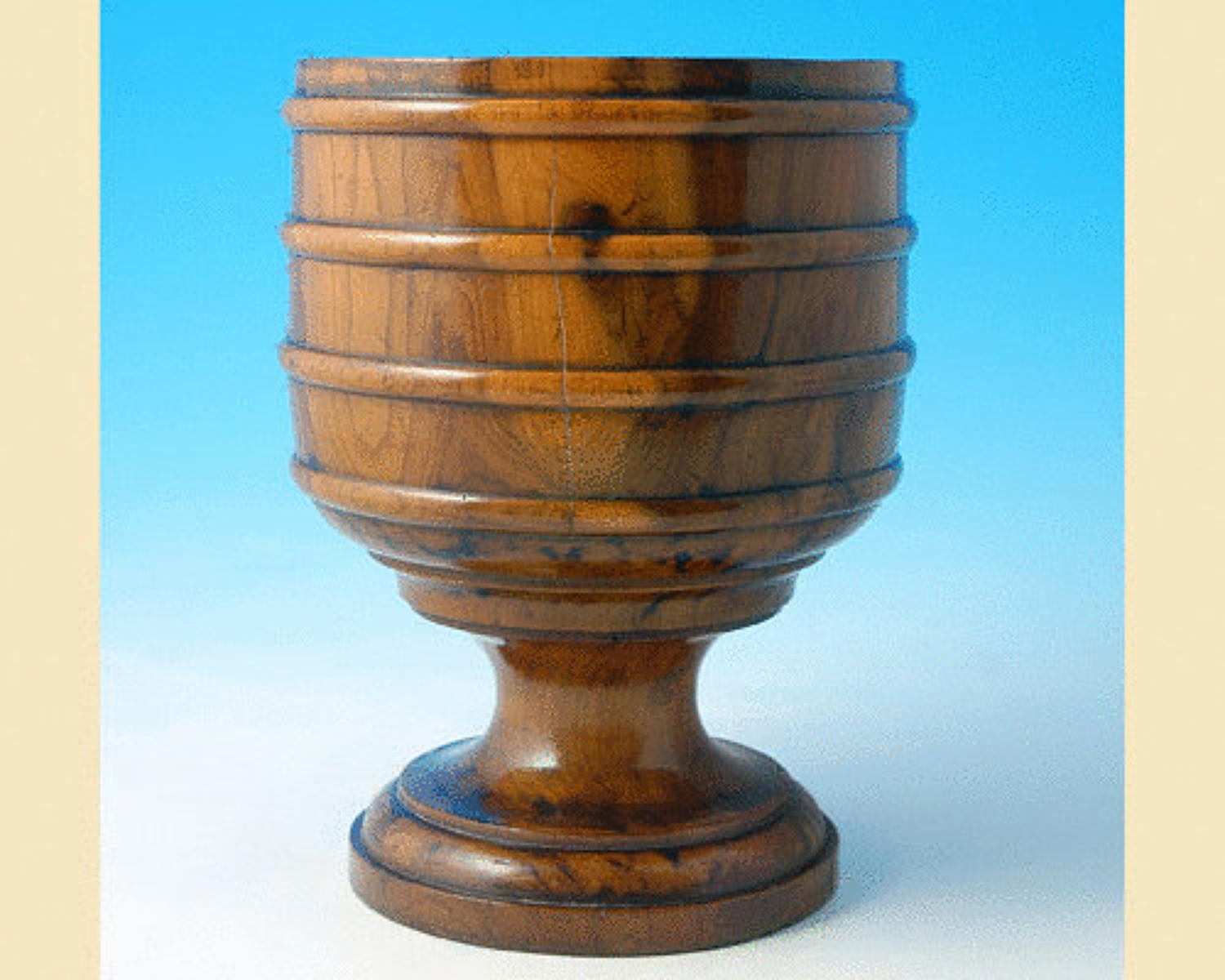
17thc-yew-wood-wassail-bowl-english-c1680---90_10183_main_size3

A C17 yew wood wassail bowl.

A wassail bowl was often carried from house to house, filled with warmed ale, mulled wine, or punch, sometimes accompanied by the singing of carols.  

The feeling of goodwill to all humankind was the message of the season. It depended on where you were on the social scale from impoverished to rich as to how much you could be a part of the tradition, but the feeling and love shared at this time was priceless then, just as it is today. 

Merry Christmas and season’s greetings to all my readers! 
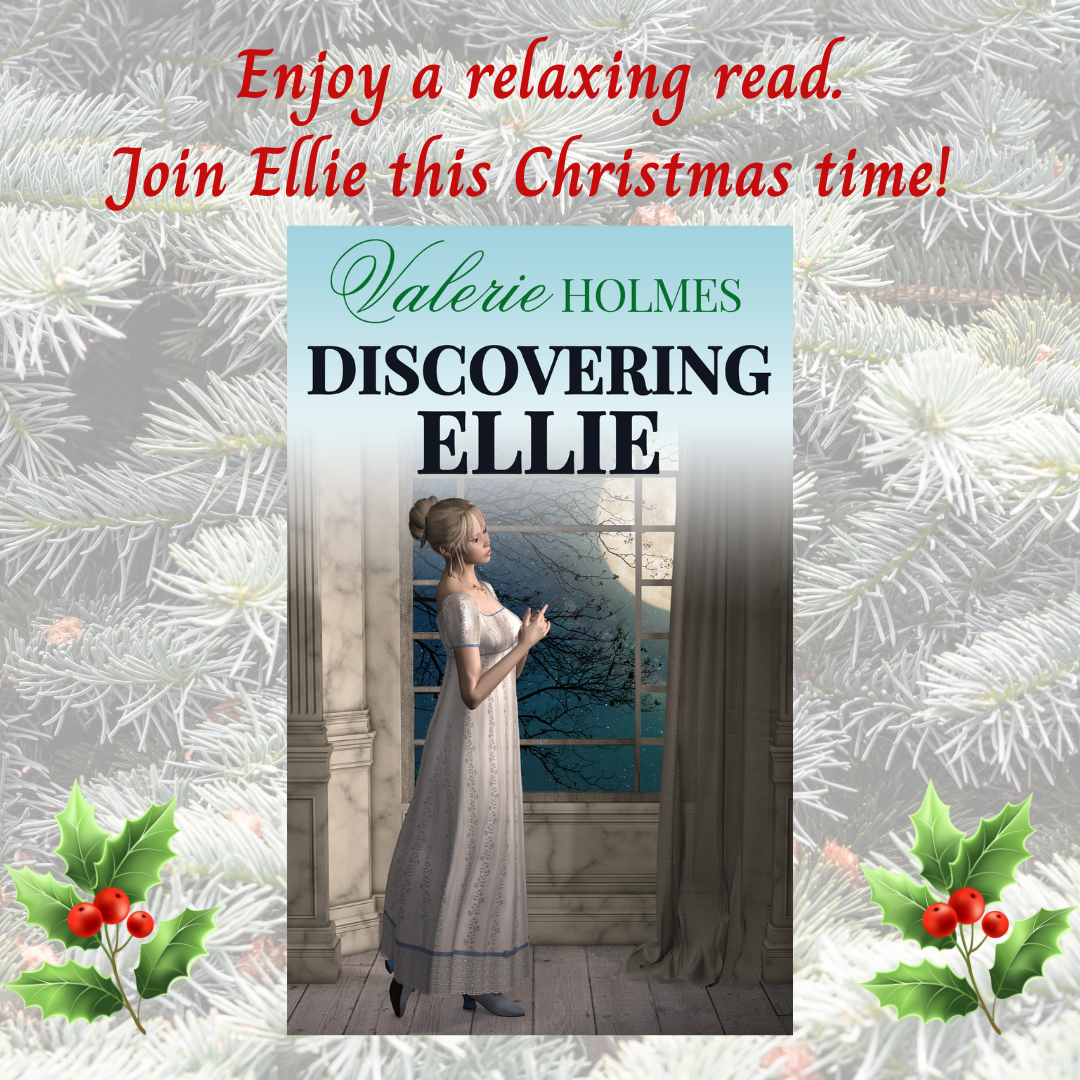
Relax, this Christmas time and share Phoebe’s adventure and romanceon the North East coast in Regency times.

Ellie encounters a handsome stranger, when escaping the claustrophobic presence of her widowed aunt, Mrs Hemming in The Old Hall. She is initially distressed and annoyed, until he introduces himself as Mr. Montgomery Cookson causing Ellie’s dark clouds to instantly lift, for she knows they will formally meet again.
Mrs Hemming homed the deserted Ellie, whilst bringing up her two cousins, Dorcas and Sybil, despite the ruinous reputation of her mother for deserting her husband and child.
Ellie had been shocked and scared, when infirmed she was expected to marry Mrs. Hemming’s own cousin, Mr. MONTGOMERY COOKSON.
But has Ellie met her match in Mr. Cookson?
Will her future be as grim as she envisaged?
When Fate has cast a shadow over her life for so long, can destiny shine a light into Ellie’s world?
Will Ellie finally discover who she really is?

Available on:  iBook    Kindle   Kobo   Smashwords 

Meet Carole Matthews – winner of the RNA’s 2021 Romantic Comedy Novel Award.

Welcome, Carole!Matthews summer days sea breezes author

How long has your road to success been from that first publication breakthrough?

I had my first book published in 1997, Let’s Meet on Platform 8, and since then I’ve written another thirty-three novels. I didn’t realise when I started that I’d still be around twenty-five years later.

SDSB cover

What has being a member of the RNA meant to you over the years?

Friendship and support. It’s lovely being able to mix with a group of like-minded people who are willing to share your successes and struggles. It’s a great asset for authors.

What was your reaction to firstly receiving the RNA Outstanding Achievement Award and now this one?

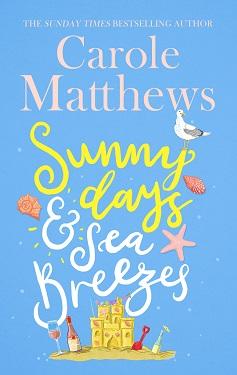
The Outstanding Achievement Award was wonderful. I shared the honour with Jill Mansell and we were both presented with our awards by Barbara Taylor Bradford which was amazing – what a woman! It’s very nice to be recognised by your peers. I received three nominations – two for Sunny Days & Sea Breezes, plus one for Christmas for Beginners which was a lovely surprise. To receive the award for Romantic Comedy Novel of the Year was such a thrill. Sunny Days & Sea Breezes has already proved to be one of my most popular books with readers and this feels like the ultimate stamp of approval.

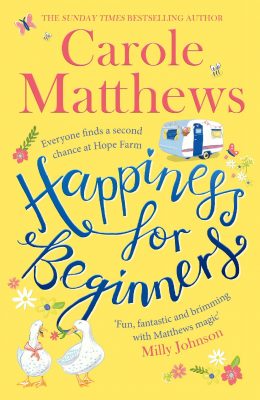
Happiness for Beginners was inspired by a real animal farm helping people – how do you balance the harsher realities and issues of life with a lighter touch to convey a heartfelt and serious theme?

That’s something that I’ve tried to do with all of my books and I think they reflect life in general. It’s not all ha-ha-hee-hee, but sometimes we’re able to see the funny side in difficulties. While my books are romantic comedies, I hope they reflect real life too. With Happiness for Beginners, the real farm helps people with behavioural and mental health issues, so that created the darker side of the book. They also rescued troubled and damaged animals and they definitely provided the comedy element!

Happiness (1)

Are you a detailed plotter or do you develop your work on the screen as you go and through revisions and edits?

A detailed plotter! As I’ve written two books a year for the last ten years, I don’t have the luxury of wondering what happens next – I need to know! I do, however, change and adapt as I go, but I start off with a definite beginning, middle and end. I spend about two weeks writing out character profiles and that helps me to get into their heads. Each morning, I start by editing what I’ve done the day before and then I have one final pass at the end. I do as little editing as humanly possible.

Your locations vary, keeping your work fresh and inspiring. Are there any that have been particularly memorable?

I have been fortunate to be able to base my books in some wonderful locations over the years. Part of With or Without You was set in Nepal and that was a very memorable trip. I loved every minute – the people and the culture are fantastic. I went to Swedish Lapland and stayed in the Ice Hotel as research for Calling Mrs Christmas and that was wonderful too. We had the most fabulous display of the Northern Lights – one of the highlights of my life. My latest, Sunny Days & Sea Breezes, is set on the Isle of Wight and I’ve fallen in love with the place and plan to visit time and time again. I must have described it nicely as many of my readers – and my editors – booked holidays there as a result!

You are a prolific author, but roughly how long does it take to do the research, writing, editing to final manuscript?

I’ve been doing a book every six months, so research, writing and editing all tends to roll into one. I’m usually researching the next book while writing the current one and editing the last one. I really wouldn’t like to see inside my brain!

All 4 confetti instagram grid

What is next for Carole?

Lots to look forwards to! The paperback of Sunny Days & Sea Breezes is out in May, so I’m looking forward to that. My publisher is re-jacketing and reissuing a lot of my backlist which is quite a job with thirty-odd books to do. The new-look Chocolate Lovers’ Club is out in eBook at the moment for 99p and the whole series will be reissued in paperback in August. This series of four books is among my most popular worldwide, so it’s nice to see them given a new lease of life. Later in the year – October – will see the paperback of Christmas for Beginners which was also nominated for an RNA award and sees another visit to Hope Farm.

Meet Shirley Mann – winner of the RNA’s 2021 Romantic Saga Award


Welcome Shirley!

Mann bobby war author (1)

Huge congratulations on winning the RNA Romantic Saga Novel of the Year 2021!

Hello Valerie, thank you so much for asking me. In the last three years of my mum’s life, I suddenly thought I might like to see, after years of writing factual content, whether I could write a novel and my parents’ wartime romance was so fascinating, I couldn’t wait to get it down on paper. I never thought I could make a career out of it, but it probably came at the right time for me – I was making films for environmental organisations and was running out of enthusiasm for scrambling over stiles carrying heavy camera equipment but the transition has been gradual and completely unexpected. OK, the truth is, there was no conscious decision and there’s nobody more surprised than me about where this journey is taking me.

Romantic saga

Bobby's War cover (2)


Research is obviously something you are very used to doing and experienced in, but roughly how long do you spend researching and planning each novel?

Oh, the joy of writing your first novel when you have years to fiddle around with the words, visit endless museums and wander all over the country finding incredible women in order to get their personal stories to make sure the books are authentic. Now, novel #2 and so on, that’s a different story. I am basically doing one a year and that means I really have to get a move on. I start with a basic plot idea and then just get stuck in. Research can be overwhelming so I do the basics and then the rest takes place as I go through the book but I do get a tad obsessed. My background as a journalist means that I love the safety blanket of facts and I panic until I know that a scene I’m writing actually could have happened so I have to be careful that I don’t get completely side-tracked by research. I once spent two days finding out whether they had ginger spice in 1942 to make biscuits before it occurred to me that my character could make garibaldi ones instead. However, I am astounded how the story starts to unfold as soon as I begin to write. I once wrote the words: ‘She had to think fast’ without realising that ‘she’- my character- meant me. I had no idea where I was going next. So, a cup of tea and a strong talking to and eh voilà, it came to me- no idea where from.

DSC_0829

Bobby’s War was inspired by strong women such as Mary Ellis, ATA pilot. Can you share with us some of the inspiration behind this and your other novels?

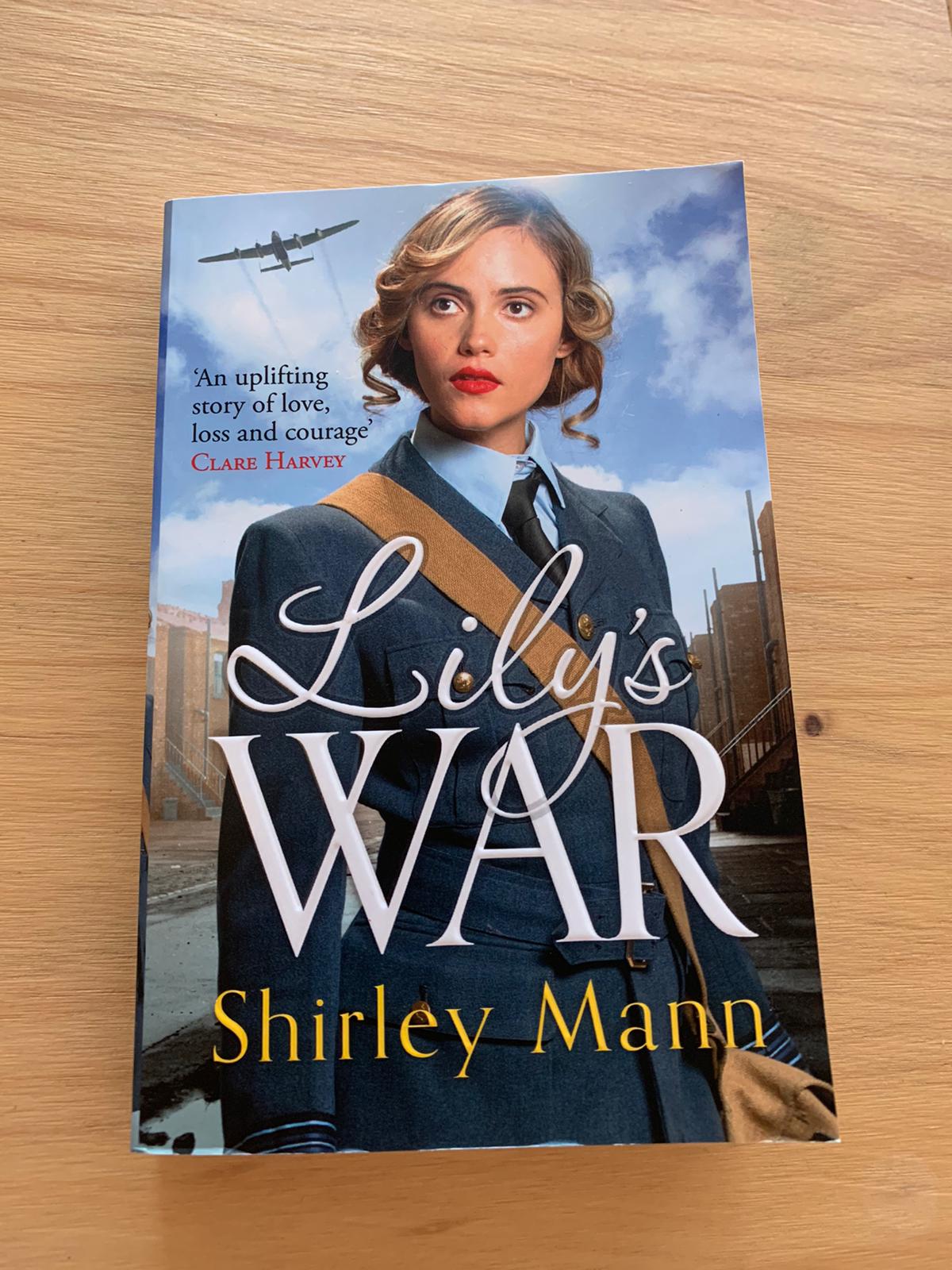
I was so lucky to get to meet Mary Ellis about two months before she died at the age of 101. I couldn’t help but come away inspired, awe-stricken and to be honest, with a little bit of a girl crush! She was just fabulous. My mum was my inspiration for ‘Lily’s War’ and I now realise how lucky I was that she was a WAAF in Bomber Command doing a glamorous job. The fact that my dad was in the 8th Army meant I was able to use his war time experiences as inspiration as well to tell his side of the story. I like to learn something in books I read so I want to emulate that and love giving something in the books that is unexpected so I like to look at the war from the viewpoint of a Tommy in Africa and Europe for example, or explore the shadowy world of an enigmatic civil servant or maybe even ( plot spoiler) a German POW. However, when my parents died, in a panic, because I hadn’t asked them enough questions, I raced around the country to find other servicewomen including Land Army girls, explosive workers and plotters etc and every time, I just found myself completely overwhelmed by what they had achieved- and put up with- at an age when I was having fun in the Uni bar. I loved imagining walking down the street with them in the 1940s and finding out those little details that aren’t in the history books. It made me determined to help readers walk down those streets too and make sure the women’s legacy was recorded so it would inspire future generations.

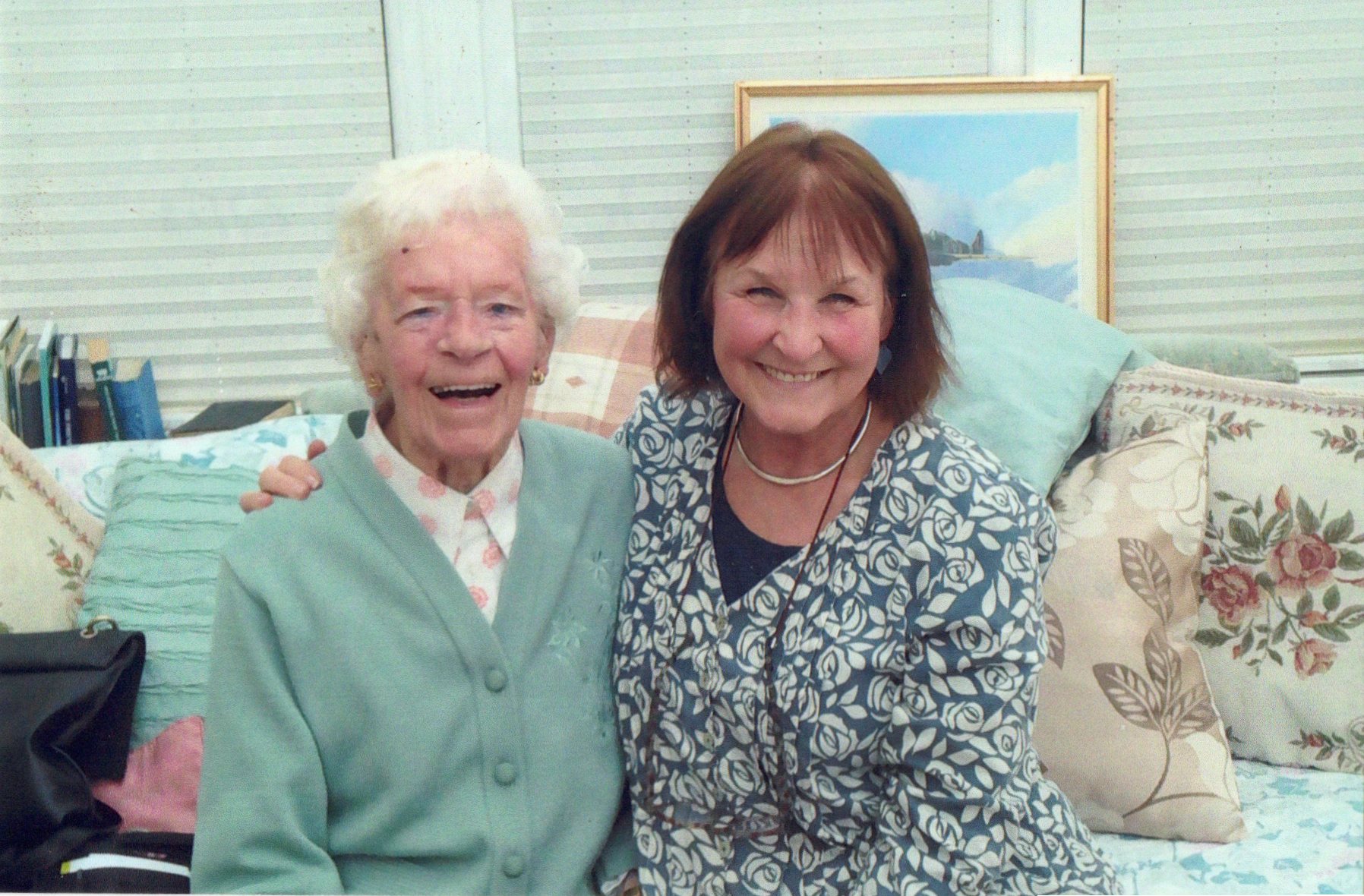
Shirley Mann with ATA pilot, Mary Ellis

What tips would you give your younger self about becoming a novelist?

Don’t give up your day job! It’s such a slow burn to establish yourself, get people to know and hopefully, like your work at the same time as writing enough books to establish credibility. I’m in my 60s and I honestly don’t think I could have done this earlier when, of course, I needed to make a living and there are certainly no  financial guarantees with novel-writing. Working for the BBC and running my own media company on top of having a family didn’t leave me much head-room to be able to think a story through, write it and deal with the social media and publicity to make my books stand out amongst all those other millions of books out there. I naively thought you just wrote a book!  I think the one advantage I had at this age was that I wasn’t afraid to fail, I just wanted to see whether I could do it, so maybe the answer to this question is, certainly take the writing seriously but don’t take yourself too seriously and enjoy the ride.

What have been the highlights of your professional life: as a journalist and as a novelist?

I’ve been so lucky in my careers- I just didn’t mean to have this many of them. As a journalist, I’ve met a huge array of famous people and can out-bore any dinner party guest (when we’re allowed to have them again) with insider gossip but it was the real people who left me humbled, the ones who strove against adversity and triumphed quietly- like the woman who worked to help the mothers whose children had been snatched by estranged husbands or the family who moved to a remote hillside in India to try to save threatened tigers. I suppose the same applies with the novels. I still talk to my lovely servicewomen- now in their late 90s- who talk in matter-of-fact tones about how they were young women living every moment despite bombing raids, being constantly hungry and  being asked to do things that would terrify a super hero. On days when I’ve been feeling sorry for myself because I haven’t been able to see friends or go on holiday, that common sense pulls me up sharply- these are the highlight moments of all of this for me.

IMG-20200430-WA0007 (3)

What has the RNA meant to you over the years?

I’m such a newbie at this, ‘Lily’s War’ was only published last year so I’m only just finding out what an amazing organisation the RNA is and how incredibly supportive it is of romantic fiction writers. I’m about to start a course with them to find out how to use social media to promote my books and my daughters, who are on a hotline Whatsapp group, are incredibly relieved that someone else is taking me in hand and teaching me what NOT to press. Added to that is the fact that the RNA has just amazingly given me an award for only my second novel, so hell, yeah, I think they’re incredible! 


What is next for Shirley?

I’m just finishing Book 3 which ‘Hannah’s War’ about a Land Army girl and I did struggle with this to begin with because both Lily and Bobby were such strong characters doing exciting jobs and I wanted to make Hannah a different sort of girl, one who was shyer and less confident of her potential. I soon realised that these LA girls were every bit as heroic as the ones like Lily and Bobby. They toiled in all weathers, in all circumstances and often, deprived accommodation to feed the country. Hannah’s journey is perhaps even more admirable because, without the war, she was one of those girls who would have remained tied to their mother’s apron strings and would, I suspect, never have discovered how strong they really were. Then it’s straight onto Book 4, which is set in the Isle of Man where they had internment camps, housing everyone they didn’t know what to do with- so Germans lived alongside Jews, Conscientious Objectors, gypsies and Italians. What a fantastic melting pot for a novel!  My parents lived their last years in the Isle of Man and are buried there. I love the island and as a next step, it seems a perfect way to complete the circle from ‘Lily’s War.’ I just need to be able to get over there to start the research.

Oh, and what else is next? ….I want to get my hair cut!


Celebrating: The Katie Fforde Debut Romantic Novel shortlist!

unnamed (4)

The Katie Fforde Debut Romantic Novel

Bestselling author Katie Fforde lives in the beautiful Cotswold countryside with her family and is a true country girl at heart. Each of her books explores a different profession or background and her research has helped her bring these to life. She’s been a porter in an auction house, tried her hand at pottery, refurbished furniture, delved behind the scenes of a dating website, and she’s even been on a Ray Mears survival course. She loves being a writer; to her there isn’t a more satisfying and pleasing thing to do. She particularly enjoys writing love stories. She believes falling in love is the best thing in the world, and she wants all her characters to experience it, and her readers to share their stories.

Every author has their own unique story to tell about how and why they came to be a novelist. Read on to find out the stories behind the talented authors shortlisted for the prestigious award, as they reveal them, and the inspiration behind their lovely novels.

Cow Girl – Kirsty Eyre

HarperCollins UK

Cow Girl was inspired by my mum, my friend and a herd of cows. Billie’s voice came first (my friend), then the setting (the smells and sounds of a dairy farm in Yorkshire), then the battle (my mum, like Billie’s dad, had a brain tumour). Misogyny. Romance. Homophobia. Charity pantomime cow races. The story is as much about female friendship as it is about romance, the herd a silent, reassuring feminist ally.

Eyre - cow girl coverEyre cow girl author

The Bookshop of Second Chances – Jackie Fraser

Simon & Schuster

I’m usually inspired by a place – sometimes a building – or the idea of a particular kind of character or relationship. I started writing The Bookshop of Second Chances while on holiday in Dumfries and Galloway in the Scottish Lowlands, inspired by the little towns strung out along the A75. This gave me my setting, and I knew I wanted to write about older people and the challenges and opportunities of starting again in your forties.

Fraser bookshop second chances coverFraser - bookshop second chances author

The Silent Treatment – Abbie Greaves

Century, Cornerstone

Like many authors, I’d always wanted to write a novel, but the problem was finding a story with the legs to walk 80,000+ words! When I read a newspaper article about a man who hadn’t spoken to his wife for twenty years, I became fascinated with the idea of a silence settling at the heart of a relationship and I knew there was enough there to sustain a whole book. THE SILENT TREATMENT was born.

Greaves silent treatment coverGreaves silent treatment author

This Is Not A Love Story – Mary Hargreaves

Trapeze

I have always found writing easy – that sounds pretentious, but I don’t mean it to; for me, putting the contents of my brain into written words is always easier than speaking them aloud. I spent my childhood and teenage years daydreaming and weaving new worlds in my imagination, and decided to finally bite the bullet and write This Is Not A Love Story when I was 23. It’s the best thing |’ve ever done!

Hargreaves not a love story coverHargreaves not a love story author

A New Life for Ariana Byrne – Liz Hurley

Hera Books

Why I write? Well, oddly enough because someone asked me to. Or rather they asked if I knew anyone that could write a lifestyle column for the local newspaper. I own a bookshop so presumably they thought I knew loads of authors. I did, but not anyone suitable. So, I volunteered. And I loved it. I have always written letters and diaries, this was just an extension. From there it was an inescapable slide into fiction! And I’m loving the ride.

Why I wrote Ari

The idea for a story came fully formed with a whole series of adventures for each sister. I wanted something that just pushed the boundaries of everyday life but still actually plausible. It had to be happy and uplifting and I felt that inheriting a great big old house, a title and loads of money would be just the start. And of course I had to set it in Norfolk, the happiest place in the world. But then I’m a Norfolk dumpling, so I would say that.

Hurley new life for AB coverHurley new life for AB author

The Authenticity Project – Clare Pooley

Bantam Press

My life, six years ago, appeared idyllic. In reality, I was grappling with a self-destructive addiction to alcohol.

I knew I had to quit drinking, and as therapy, started a blog into which I poured out the truth.

That act of authenticity transformed my life, and the lives of thousands of people who read it. Which made me wonder: what would happen if other people told their innermost truths to strangers?

And that was the inspiration for my novel: The Authenticity Project.”

Pooley authenticity project coverPooley authenticity project author

The winner will be announced on the 8th March 2021.

Please feel free to leave a comment or like the post.

Promotion Time!

Stolen Treasure is now only 99p!

Some secrets are intended to stay buried...

In 1809 Elizabeth Matthews shares many a childhood adventure with her soul-mate, Thomas Lamb, son of the estate’s handyman.
Elizabeth is entrusted with the safe keeping of a tin box by her Mama but instead, leaves the task to Thomas’s father Joseph. However, life in the windswept north-east coastal village of Alunby is left behind when she is promptly sent away to be schooled in the city of York.
Risking her reputation, and a possible marriage match, Elizabeth dreams of the day when the secret inside the tin box will be revealed to her, and goes on a journey of rediscovery to find Thomas and seek out the stolen treasure.
Some secrets were intended to stay buried, however, what Elizabeth discovers is of greater value than she could ever have imagined.

‘Great read, especially for the price!’

Catching up with Valerie-Anne Baglietto!

Headshot_ValerieAnneBaglietto

Hi Val, welcome back!

Your first interview was back in 2013. So what exciting things have happened since then?

When you asked me, just before Christmas, if I’d like to do this update, I seem to remember silently screaming, No, go away, can’t cope with this, or something along those lines. Basically I was in festive meltdown – organising kids, grandparents, husband etc. – and didn’t want to have to think about work. After I calmed myself down and messaged you back, you kindly reassured me I could leave it until after January.

So here I am, revisiting my old self from a few years back, remembering what goals she set and what she was planning writing-wise. I’m satisfied that she appears to have achieved her aims, and of course, she’s set some new ones since then, too.

 (I’ll slide firmly into first person POV now, so I don’t sound any more pretentious than I have to.)

Firstly, ONCE UPON A WINTER, which had just come out before I was last here on Val’s blog, went on to top the Amazon UK Fairy Tale Chart in 2013 and at the last count had over sixty 5-star reviews. Understandably, I was thrilled about that, considering it was my first attempt at modern magical realism. The feedback from readers, both old and new, was encouraging.

Last time round, I also mentioned a short story I was contributing to the ‘Sunlounger’ anthology organised in 2013 by Belinda Jones. There was another one the following year, and I took part in that, too. My second tale, PANDORA  AND THE MUSIC BOX, has also been a featured read on Wattpad. I hadn’t attempted a short story in years, but I valued the discipline of keeping to a strict, low word count.

As for the novella I spoke about last time, I actually ended up writing two that year. A GIRL I KNEW (formerly known as The Trouble With Knights in Shining Armour) and my Christmas themed THE LITTLE BOOK OF LOST HEARTS. The latter set the scene for the next full length work, FOUR SIDES TO EVERY STORY, which I have to admit is the favourite of my contemporary fairy tales so far. It was shortlisted in the 2015 Love Stories Awards and was a 5-star read of 2015 on Chat About Books.

Last year was a bit of a departure, though, as I started working on something different from anything I’d attempted before. I even invented a pen-name – a whole other person to hide behind, which was liberating. But as the year drew to a close, I realised I wasn’t happy. I missed my fairy tales. For reasons rooted in insecurity, I’d begun to think they weren’t ‘proper’ books, not worthy somehow, and could never stand alongside the amazing, emotive fiction being published today.

Then it all changed. FOUR SIDES TO EVERY STORY was listed as a top read for 2016 on Portobello Book Blog, along with a dozen other titles, many of which I’m in awe of. Out of the 140 or so novels Joanne (@portybelle) had read that year, mine had been memorable enough to hover in her top 10(ish). I felt touched, and very grateful. Something clicked in my fragile writer’s brain. A realisation. Just because I choose to weave reality – or our concept of it – with traces of magic, doesn’t mean my work isn’t of value, or unable to hold its own in a crowded market. If this were true, then why is it  some of the most famous and enduring stories in our culture happen to be fairy tales, myths and parables? All through history, fiction has worked to make sense of the world around us, and often metaphors are the best way to do it.

So, when the kids went back to school at the start of this year, I dug out a notebook bursting with the plot for a sequel to FOUR SIDES TO EVERY STORY, and sat down as Valerie-Anne to begin this new project. And that’s what I’m working on right now. Oddly, it’s as liberating as having a pseudonym. I feel as if I’ve come home, having forgotten what a wonderful place it can be. I’m  energised by my writing again, rather than drained, and excited to find out what 2017 holds for me.

Thank you, Val, for inviting me to return to your blog, to share an update. I’ve enjoyed looking back as well as forward, and come to the conclusion that it’s quite a healthy thing to do at this time of year. Maybe everyone should give it a go!

 Exciting times for you, Val. I wish you every continued success in the future!