Discover Captivating Regency Adventures on Audible

Summer may be drawing to a close in the UK, but what a warm one it has been! Whether you enjoyed staying at home or ventured abroad I hope you had a fun time. Personally, I love to balance travel and home. Are you a home bunny or long to see the world? 

Holidays are a way to escape from the normal routine of daily life commitments, to experience new challenges and recharge… Like escaping in a good book. If you enjoy a slow burn romance wrapped around a Regency romantic adventure, then read on…   

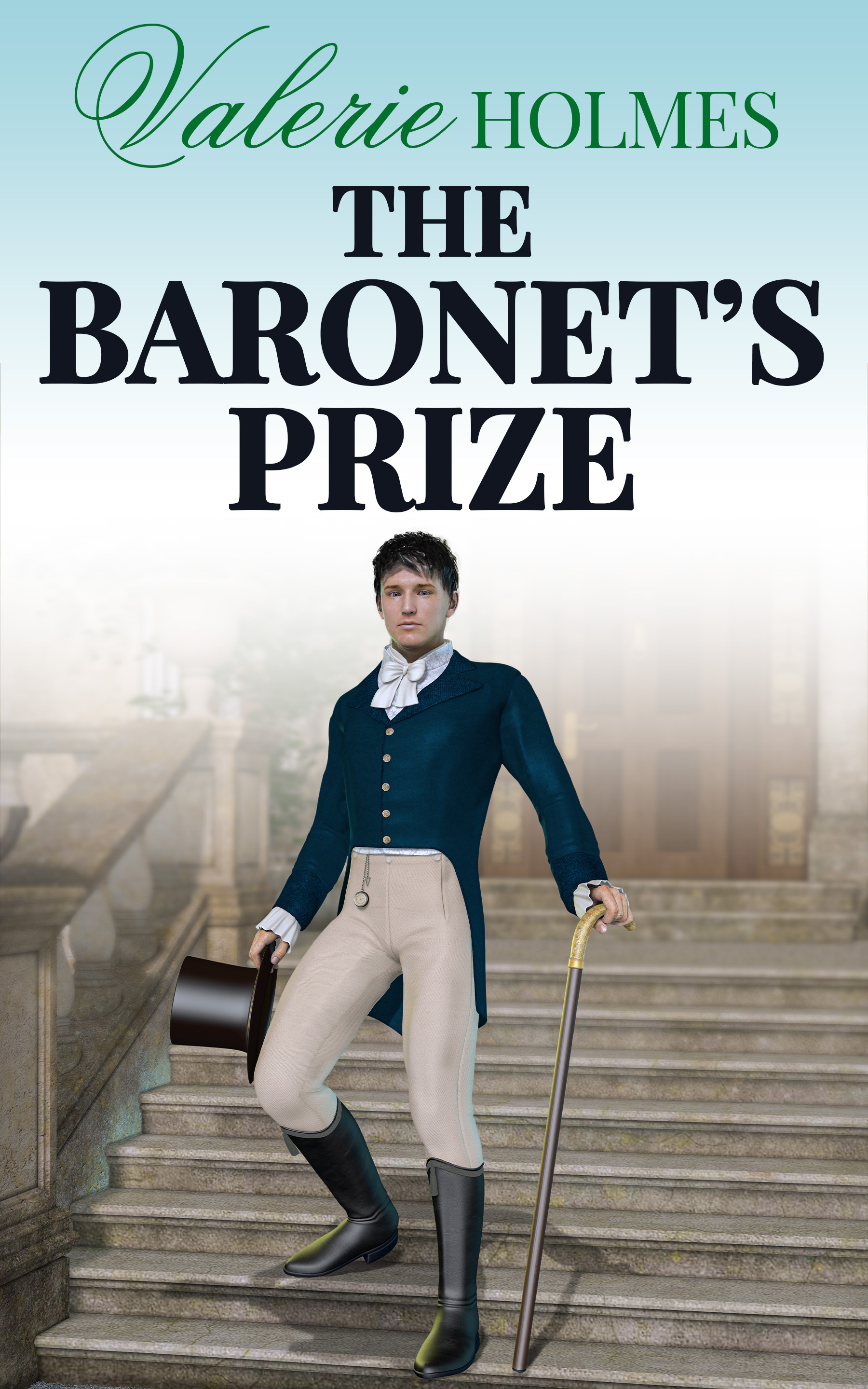
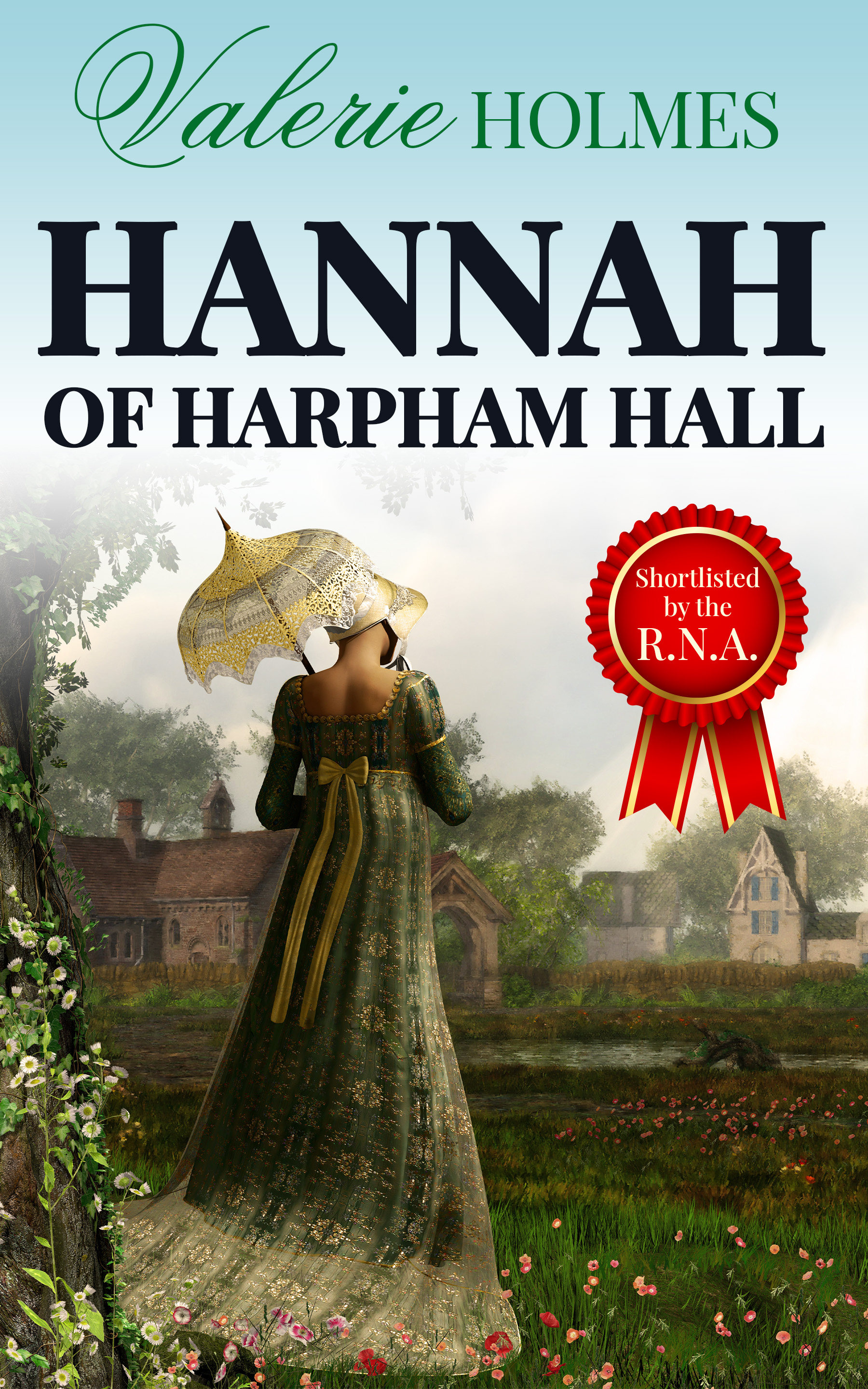
My exciting news for Amazon.com readers is that from today three of my Regency novellas are now available to listen to free from Audible.com – Hannah from Harpham Hall, which was shortlisted for The Love Story of the Year Award by the Romantic Novelists’ Association when it was first published by DC Thompson has now joined The Baronet’s Prize and Phoebe’s Challenge.

In the UK and other countries they can be purchased on Kindle or enjoyed free from KindleUnlimited. I hope that in the future they will also be come available in Audible in the UK too. These are my first three novellas to be re-edited and re-launched in digital format, their length is perfect for listening to on a journey or loosing yourself for a few hours in a complete slow burn mantic wrapped around an exciting adventure.

All writers grow and learn as their careers progress. Since 2003, when my first novella was accepted for publication, a further 52 have been published in traditional large print and distributed through the Commonwealth library system.

Libraries have had to compete with the change in readers’ online habits and the availability today of books in various formats through various distribution channels. A library provides a physical presence within a community, but as well as offering its invaluable traditional book-loaning service they now offer so much more to their local community. Which is why they should be used and valued.

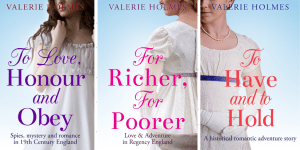
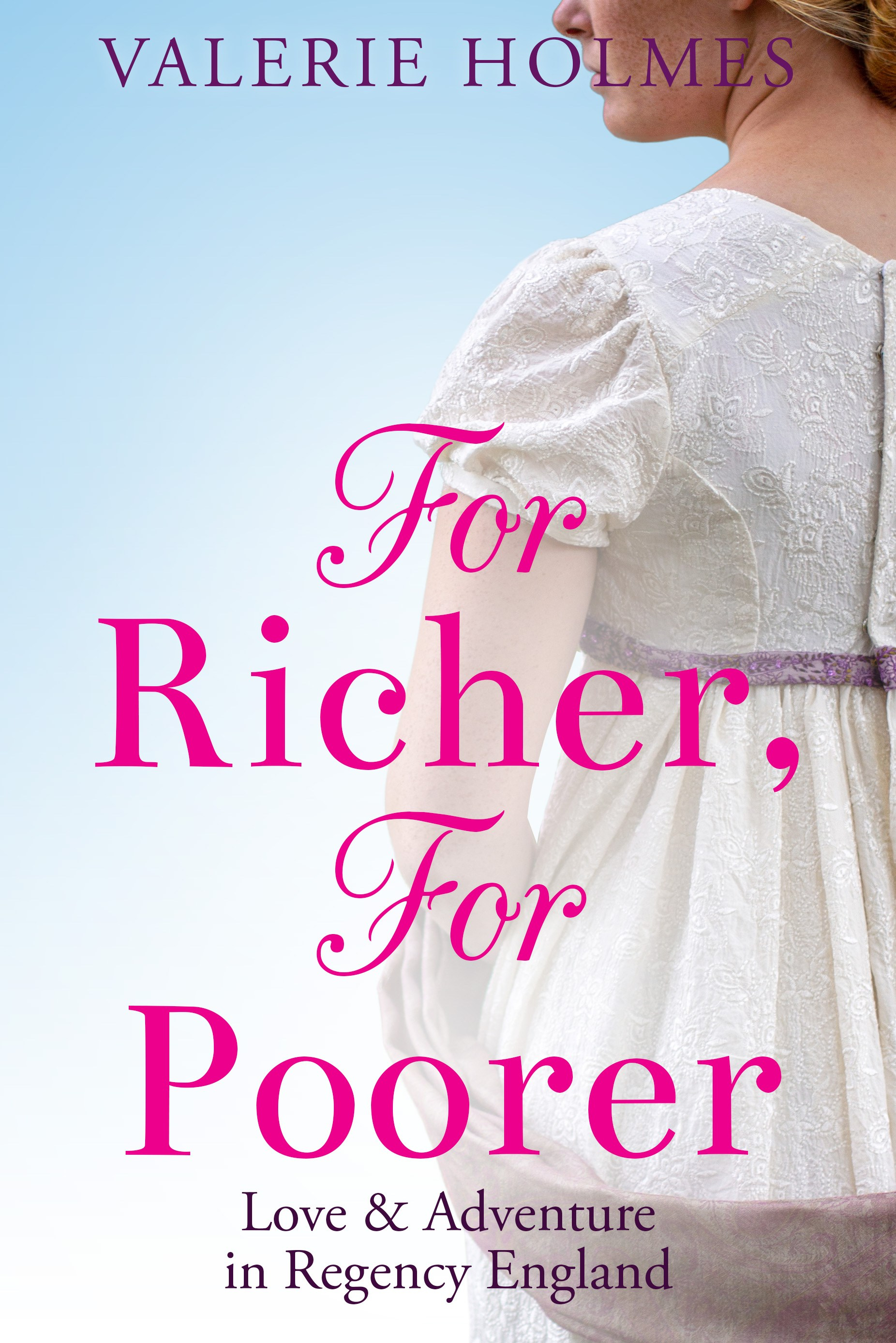
More good news is that For Richer For Poorer, published by Sapere Books, will be released in large print by Ulverscroft in early 2026.  

For reader’s who want a longer read with all the elements of romance, mystery and adventure then get ready to fall in love! 

My books offer Regency romances that will warm and captivate your heart. Discover the untold stories, hidden away from societies prying eyes. 

Read now and escape into the adventure! 

“Silent Revenge has the potential to capture not only devoted Regency romance fans, but also readers drawn to intrigue, history, and enduring love.” 

I hope you agree. Please feel free to leave comments and questions below. 

‘Secrets’ and a Blacksmith: Crafting Tradition and Innovation

I hope you have enjoyed the sunshine and warmth of June, when the UK sampled temperatures nearing those in the tropics! In North Yorkshire the heather is ready to bloom, bringing swathes of lush purple to the vast expanses of moorland. It is a truly beautiful and everchanging landscape.

Another beautiful county that I visited recently in the South West of England was Somerset. When I stopped at a garden centre I came across a working blacksmiths’ forge and felt as though I’d taken a step back in time. Instantly thoughts of Wilfred Underwood, Imogen’s father in Secrets, came to mind. Although we tend to think of smithing as a traditional craft of yesteryear, the charming owner soon corrected that impression.

There is still a demand for the old skills, used now for restoration work, preserving items from the past. This requires the mastery of the trade and knowledge of old methods, material, tools and skillset of the original worker to recreate or mend the item in question. Past imperfections are what makes an old item interesting today.

We live in a time where we have more technical accuracy and, perhaps as a consequence, less individuality. Science has moved on, providing precision tools and improved understanding of the process, yet a modern day blacksmith has to embrace and learn the old ways as well as the new.

Old skills are called upon to mend traditional machines and objects, some still used in other local trades like the local butcher’s grinder, along with reproducing such basic items as the imperfect nails made at a smithy’s before mass production. Each repair has to be done in the style and materials of that bygone age, but today’s Blacksmith also has to build on this historic knowledge by keeping up to date with modern, contemporary designs changes in style, tools, markets and techniques.

There is a long apprenticeship still required, for this labour of love, as science and art combine.

Historically, a chestnut tree was planted near the large forecourt providing shade and was symbolically associated with the trade. Yorkshire wrought iron was and is highly prized for its quality.

In Secrets Imogen’s father, Wilfred Underwood, is the blacksmith for my fictitious village of Dibbledale – a tranquil unspoilt place inspired by such villages as Hutton-le-Hole in the North Yorkshire Moors Park. His trade was central to the local community for the upkeep of agricultural equipment, as a farrier, and the many other jobs concerning the mending of household and trade goods. Wilfred, a gentle giant of a man, also encouraged Imogen’s creative nature providing her with fine tools and wire to make delicate jewellery, deepening the bond between father and daughter.

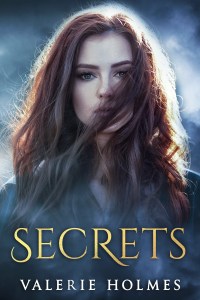
Secrets and their consequences worm their way between Micah and Imogen. Will they be able to save Dibbledale’s peace and tranquillity? Only when secrets are revealed can devoted friends be distinguished from destructive foes and allow love to find its true home.

From a writing perspective there is a fine balance between keeping historical fiction accurate to the period it is written about, and accessible to a modern reader, who may be unfamiliar with that period of history.

Trades, like everyday language, evolve and adapt through time. The visual importance and need of a central blacksmith may have changed, but in Regency they were essential and central to a thriving village community. They were also excellently placed to see and hear all the comings and goings of the villagers and pick up information from travellers who crossed their paths. Wilfred as a character is able to keep his finger on the pulse of local events.

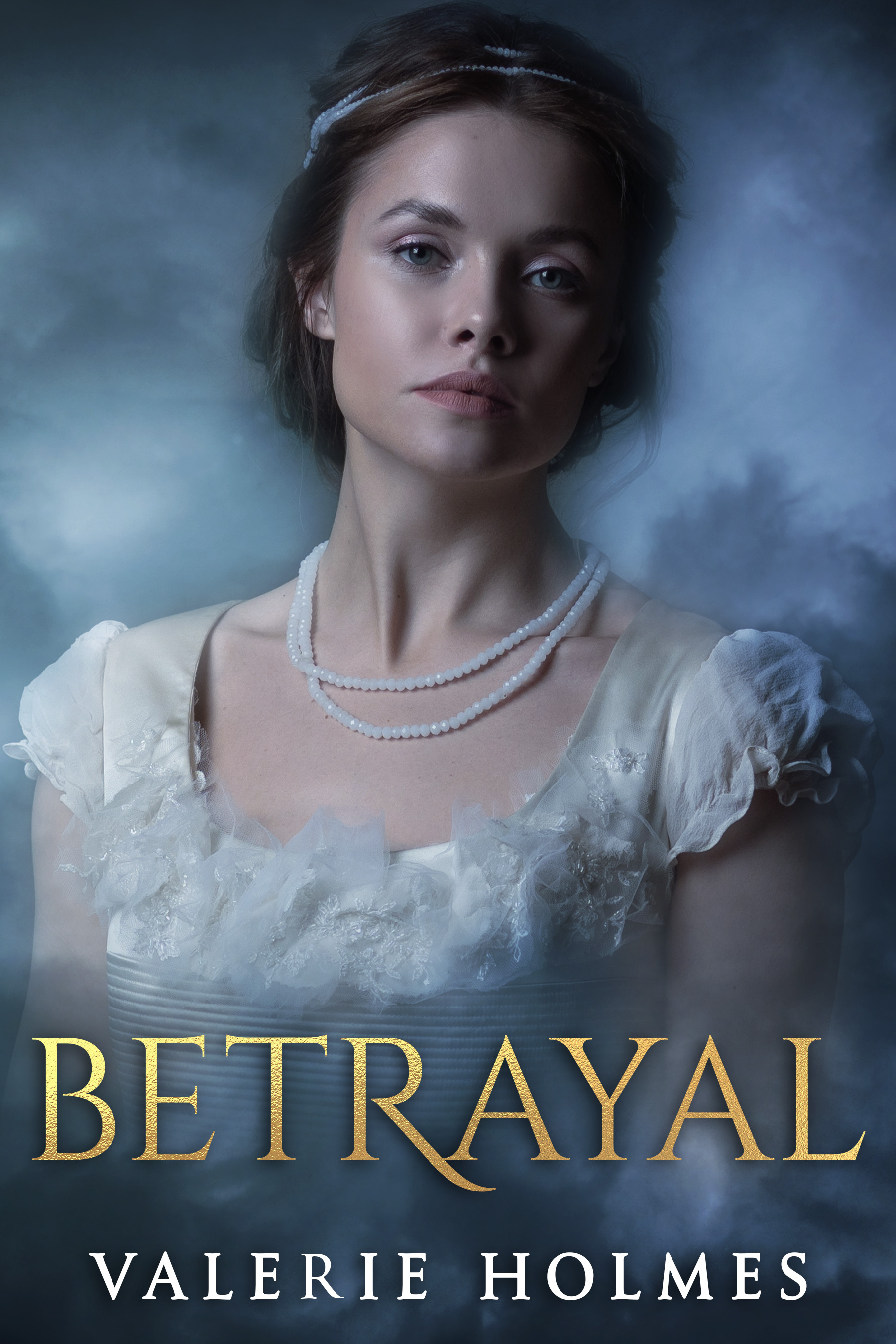
I would like to greet and thank my new readers in the United States as well as the UK and Australia who have read and enjoyed Betrayal – Book 1 of Friends and Foes Regency romantic adventure series. The

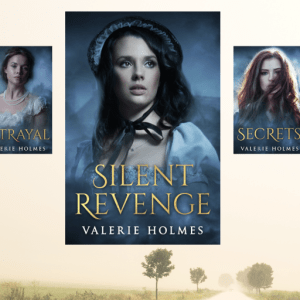
I hope you go on to read the completed trilogy and discover what happens to Lord Farrington, an enigmatic character who features in Book 3 Silent Revenge , which will be published in paperback on 5th July. More about him next time!

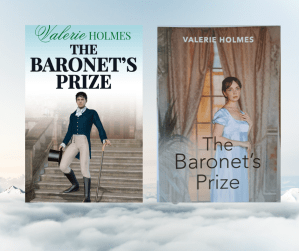
July’s bargain book is The Baronet’s Prize, which is now 77p/$1, which also available on KindleUnlimited.

“A delicious Regency! Eleanor is horrified to be made homeless by her brother’s gambling debts and still more disturbed to find herself falling in love with the man who won the estate. Valerie Holmes resolves this dilemma in a spirited tale that keeps you turning the pages until the final “Ah!” of satisfaction.”
GL Robinson, New York USA, Regency romance author.

Reviews left on Amazon (and sites such as Goodreads) are always welcomed and appreciated by authors, especially if the book has been read and enjoyed. They are what keeps the algorithms working in the competitive world of publishing.

I would love to hear from my readers, wherever in the world you are based, and also from visitors to the region.

Have a lovely and safe weekend.

Secrets and Betrayals: A Historical Fiction Trilogy

“A well told tale set in a time when women and ‘ladies’ were expected to obey their master’s and ‘betters’. Here we have a feisty young woman who challenges the rules to her own advantage.”

Val Wood

1814, North Yorkshire, England

The trilogy of #FriendsandFoes begins with ‘Betrayal’ in its simplest and cruel form of the breaking of trust and the abuse of power. The early nineteenth century was a time of war, change and strict social dependencies. The landed gentry held power, and the bulk of the population served, in trade, in houses, or fought for their country overseas against the might of Napoleon’s army.

When a woman of status lost their main male relative, they fell into a void where marriage, or service as a housekeeper or governess prevented them from falling low. In Betrayal Lord and Lady Bagby own a vast estate in the fictitious growing market town of Beckton. Lord Bagby takes advantage of governess, Miss Georgina Davey. This spawns a web of lies and deceit from which Miss Lydia Fletcher tries to rescue her. Lydia’s own situation and silence is controlled and manipulated by the need to keep her ailing father’s tenancy in one of the Bagby estate cottages.

Enter Lord Samuel Speers, a qualified Edinburgh surgeon who is trying to locate his lost cousin, whose last known position was at Bagby Hall. Aided by his friend Lord Farrington, an Intelligence Officer to Lord Wellington, who soon realises that the Bagby’s have taken betrayal to an unimaginable scale.

Whilst finding his cousin, Speers has to accept his future role as head of the family estate following his beloved brother’s death.

The interplay of plot and the threads of deceit that run through the core and sub-plots give the story plenty of room for character development, as the external and inner conflicts arise and clash. We all like to think that in any given situation we would do the ‘right’ thing, but fortunately few of us are tested to the limit. In fiction, characters can be tested – and as authors we can determine who will rise and fall, whilst being true to the personalities that have been created. Hiding their flaws, playing with motivation and loyalties all add depth and credibility to each.

Personally, I love a happy or hopeful ending so my novels inspire and uplift after the adventure has played out. I hope my readers agree. Please leave comments below.

Secrets the second book in the series will be on Kindle countdown Amazon.co.uk from 15th June to 22nd June. In it you meet another friend of Lord Farrington the inspirational Lieutenant Micah Arrow, who has a vision to preserve his home village of Dibbledale, marry for love, and offer hope to returning soldiers – can his dreams be fulfilled? Find out in Secrets.

Silent Revenge brings the trilogy to a close with Lord Farrington’s return home, but after years oversees fighting a very visible enemy, he is now seeking a homegrown one, unaware that he and his family are in great danger from an unseen one.

Reviews are especially important in this highly competitive business, so please leave your honest feedback on Amazon and/or Goodreads.

As a special thank you to my readers Phoebe’s Challenge is 77p/$1 throughout June.

Have a lovely June!

Celebrate Mother’s Day with Silent Revenge: an exciting Regency adventure!

Mother’s Day is rapidly approaching, which also means that my pre-order Regency novel, Silent Revenge, is about to go live on #Kindleunlimted and #Kindle. I am so excited to announce this as it has been a labour of love completing my #FriendandFoes trilogy.

Intelligence Officer, widower, Lord Oscar Farrington, returns to his family estate with mixed emotions. This is unsettling for the powerful, charismatic, and loyal officer who likes to be in control of his own feelings. With his overseas duties finally completed, there is talk of insurgence within the country, so he is still under orders to gather intelligence on his own countrymen, another cause for inner conflict as he has fought alongside his fellow soldiers and has some sympathy for the plight of the returnees.

Sworn never to remarry, he is devoted to his young, adopted daughter, Jessica, who he rescued with her mother in Betrayal. But Lord Farrington of all people should know ‘never to say never’, especially when Miss Jemima Parkes re-enters his life.

Silent Revenge keeps the reader turning the pages and is available for pre-order now!

My other news is that the large print edition of The Baronet’s Prize is available for order directly form the publishers Ulverscroft or via Commonwealth libraries. The original short novel is also available on Kindle.

All my novels are set in the beautiful country of North Yorkshire, England. Littered amongst the actual places of Whitby, York, Harrogate and Northallerton are my fictitious market towns of Gorebeck, Beckton and Dibbledale, which are loosely based on the picturesque Helmsley, Guisborough and Hutton-le-Hole. Please share your favourite places to visit within the region.

Enjoy the coming of Spring and if it triggers the desire to start a new project, write your own adventure, then please check out my manuscript appraisal page. I have over twenty-five years  of experience as a creative writing tutor and love to encourage new writers to explore this fascinating world of possibilities.

A Woman’s Options in Regency England.

1811-1820

“It is always incomprehensible to a man that a woman should ever refuse an offer of marriage.”

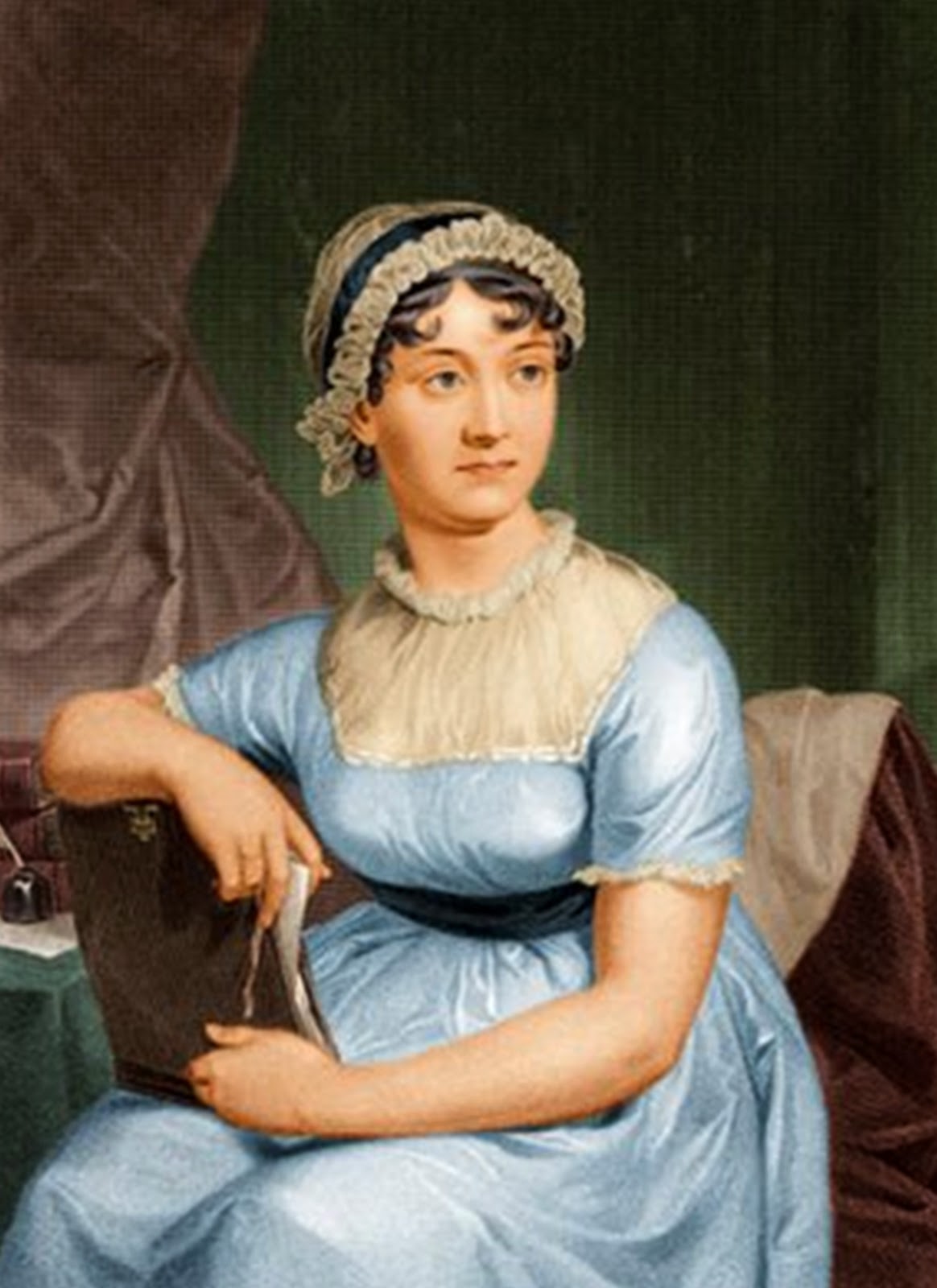
Jane Austen, Emma

Jane Austen

When George III was declared unfit to function as monarch his son, the Prince of Wales, became the Prince Regent. George the younger had little interest in politics, leaving the wars with France to the politicians, whilst he indulged his friends and himself with a lavish lifestyle of elegance and fashion. The Ton – from the French phrase ‘le bon ton’ meaning ‘elegant style’ represent the fashionable society of London – an elite group. The divide between the extremes of the rich of Mayfair, London, and the poor of St Giles, living in the city slums, could not have been more dramatic.

In Parliament seats in the House of Lords were inherited and in the House of Commons could be corruptly bought, so the working and fighting man and the women who relied upon them, who made up most of the population, had little representation to improve their lot. My stories are set in the north of England away from the Ton and Parliament, but life was influenced by their wars, laws, and taxes.

In the above quote Jane Austen expressed a commonly held view, because women of the time had few legal rights as their lives were basically controlled by men.

Upper- and middle-class single females, under the age of twenty-one in England and Wales, were usually dependent upon their father or nearest male relative. If their male relatives were honest, caring, and loving family members then amicable matches secured the future of both parties, in hopefully wedded bliss, once the dowry, pin money, inheritance and jointure, in the event of death of the husband, had been legally agreed.

Book 2 http://getbook.at/ForRicher
Book 2

However, fiction requires drama and conflict to spark a good plot, driven by engaging characters. It also reflects the unpalatable truth of the past.

If their male relative were greedy (For Richer, For Poorer), an irresponsible gambler (The Baronet’s Prize) or an overbearing parent (Hannah of Harpham Hall) then the young woman would have few options, left to her own devices unless they had the help of a hero, or a woman of independent means.

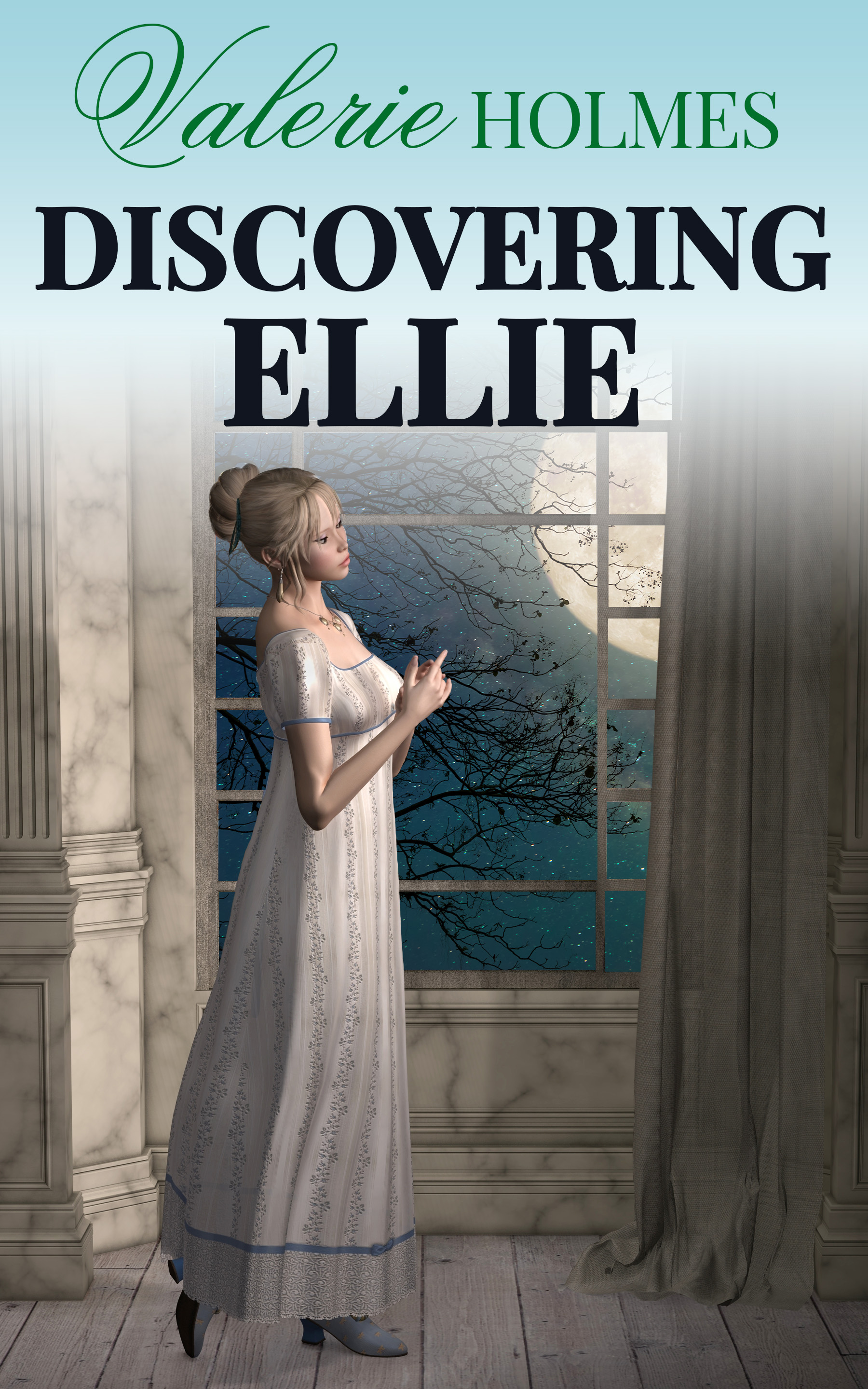
baronets prize (2) (1)When Ellie (Discovering Ellie) is faced with a marriage match, she tries to diplomatically decline her aunt’s intentions without causing further conflict…

“I am not worldly, Aunt. I cannot think how I could make such a man happy…”

Mrs Hemming laughed. “Well, we agree on one point at least, you cannot think!”

Ellie ignored the insult and continued in her conciliatory tone. “I fear I would only annoy him. Therefore, I wish to politely decline this marriage proposal, discreetly of course, before it is made public. I do not want to cause further embarrassment to anyone. Then he would be able to find a more suitable companion, equal to the task.”

Ellie is completely dependent upon her aunt’s charity until she turns twenty-one. This dependency drives the plot,discovering ellie as Ellie must discover who she is, why she has a recurring nightmare, and how she can avoid a match that is being arranged ‘for her own good’ before it is publicly announced. This latter point is especially important because once it was made public, to break such a legal proclamation would be considered scandalous. Ellie is naïve and knows little of the law, or of the greater world, as many young women of the time.

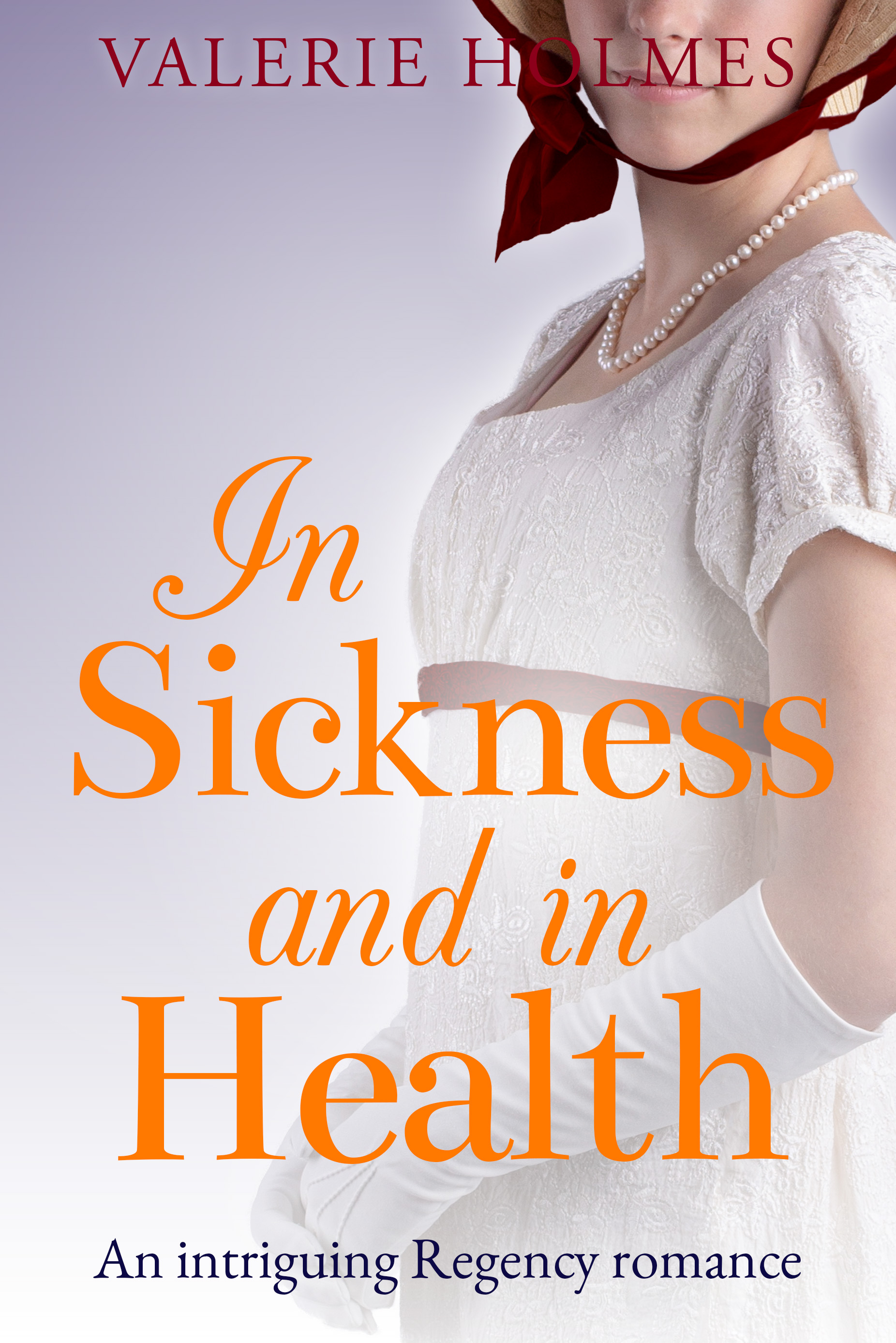
In Sickness and in Health
Book 4

In a situation where an engagement is made between two people if broken, then it could result in a legal action of  ‘breach of promise’. At the very least a reputation could be tarnished or destroyed as happened with Lucas Huntley – In Sickness and in Health.

In England, the Marriage Act of 1753 declared both parties had to have their parents’ consent if under 21. However, in Scotland this was not the case, hence the rush for elopements to the nearest place to wed north of the border, such as the famous, Gretna Green, which provided a reason for a mad dash in For Richer, For Poorer.

betrayal front (2)
Friends & Foes Book 1

It is often claimed that fact is often stranger than fiction, but with historical facts the trigger for dramatic fiction is constantly there. Although women were ruled by the law, deemed unable to run their own lives, own their own wealth or children when married, deny their husband sex, or have rights to defend themselves when employed, there would have been plenty who questioned why this was so, such as:

“I do not wish them [women] to have power over men; but over themselves.”
Mary Wollstonecraft, A Vindication of the Rights of Woman.

Lydia Fletcher in Betrayal was so influenced. Heroines need to have obstacles to overcome, situations that are a mystery, and the realisation that not all men look upon them in the same light.

Being single by choice was not really an option for a woman, no matter how much she desired to be the arbiter of her own fate. Unless her social status and personal income had been legally entailed and could support her, like the independent Miss Parkes of Penny Manor who befriends Ellie, she would be dependent upon others.

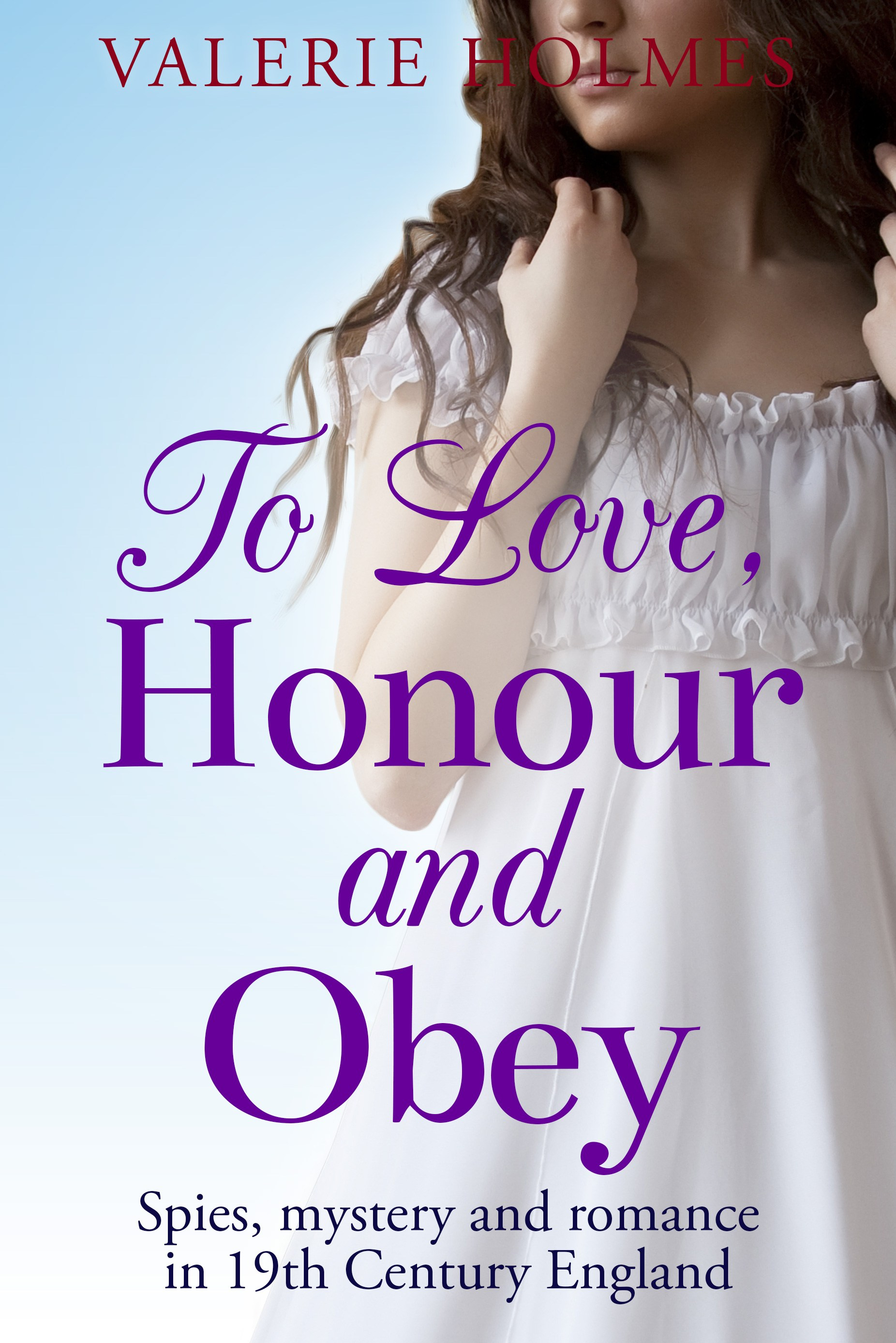
If young women were sufficiently educated, they could try to earn a living as a companion or a governess/teacher, but these were lonely situations with no long-term security. Uneducated or poorer women had less desirable options such as going into service, leaving the cottage to work within the factory or working the land to feed their families. In, To Love, Honour and Obey, Beth is an orphan who has no family or male relative to protect her from the system that was supposed to protect her.

lovehonourobey
Book 1

Prostitution was an option for the truly desperate. Few climbed the social ladder to a happy and long life even as a rich man’s mistress. Although some beauties and actresses managed to acquire rich patrons, such as the exceptional Harriett Mellon, born a pauper in Cork, Ireland but who ended up married to Thomas Coutts of the banking family, who successfully inherited and managed a fortune..

Servants were supposed to be chaste and could be dismissed without reference or notice if they fell pregnant. They were also open to abuse from their employers, as happens to the kindly Georgina in Betrayal. Again, as I write love stories that are aimed to provide adventure and uplift rather than depress, Georgina’s future is much brighter than many a maid who found themselves pregnant and thrown out on the streets without a reference, through no fault of their own.

hannahThank you for taking time out to read my blog and visit my website. Please like or leave any comments or questions below or contact me directly via the form on my Manuscript Appraisal page. If any of the above themes appeal just click the title or cover to be directed to the Amazon page. 

Catching up with M.A. Nichols!

Welcome back, Melanie!

Headshot (Official) - Cropped

Since your Sept 2020 interview, when the UK thought Covid was on its way out – we have had two further lockdowns – how did you fare in the States?

I live in a sparsely populated state, so my experience is certainly different from a lot of others. My city had a couple of lockdowns, but at this point, it feels like a lifetime ago.

Did you make it back to the UK for your research trip?

I did! I recently made the transition to full-time author and said goodbye to my day job. A few weeks after that, I flew out to the UK and spent two months traipsing around the country. I’ve visited a couple of times before, but I really wanted to spend a lot of time there, immersing myself in the history. There are so many amazing estates to tour and museums to see, all of which have information and experiences I can’t get from studying books.

Congratulations on making this the full-time day job.  What lovely historic sites did you visit?

I spent one month based in London, but then hopped the train out for day trips to Bath, Bristol, York, Plymouth, and a handful of other places. Then, I spent the second month moving all over the place, spending time in the West Country, the Midlands, Wales, Scotland, and Ireland.

What in particular inspired you?

If I were to share all the things that inspired me, I’d end up writing an essay. This was my second major research trip to the UK, and every time I find so many details and historical titbits that spark ideas. If I had to list some of the most inspiring things I did, I would say the Plymouth Historic Dockyards, the Royal Opera House Tour (and going to see a couple of performances there), the Theatre Royal at Drury Lane Tour, the London Canal Museum (and tunnel boat tour), the National Railway Museum, and…if I don’t stop now, I’ll end up listing every museum I visited.

And all the amazing ruins… *sigh*

Of course, the historic estates, houses, townhouses, and the like are super important for my research. I took over 11,000 photos and hundreds of pages of notes, most of which are all the little details I find when I’m wandering those historic properties. The sights, sounds, smells, and all the other possible descriptions that can later be used. I’m not a very visual person when I’m imagining my stories and don’t generally see clear, vivid pictures in my head, so I use those photos to help me design and describe my books’ locations.

Oh, and in a very real way, that trip inspired a scene in my latest book, “To Have and to Hold.” I needed a picnic scene, and I had visited quite a few ruins on this trip. I ended up creating a fake one (since the area in which my book is set didn’t have any readily available ruins that suited my needs), which was an amalgamation of two ruins I’d visited.

I love the new cover designs – what was their inspiration?

Honestly, part of the inspiration was that I wanted a style that would be easy to manipulate. Swapping out the model’s head or hands or some other feature can look weird if not done right, so adding the watercolour style over the top makes it easier to Frankenstein an image together from different bits and make it look uniform. Not to mention, finding male historical stock photos can be difficult, and even when you do, I think they often look slovenly or not period accurate. With this style I can use historic paintings for their bodies. For example, on “The Shameless Flirt,” the male torso is actually from a painting and the head is from a stock photo.
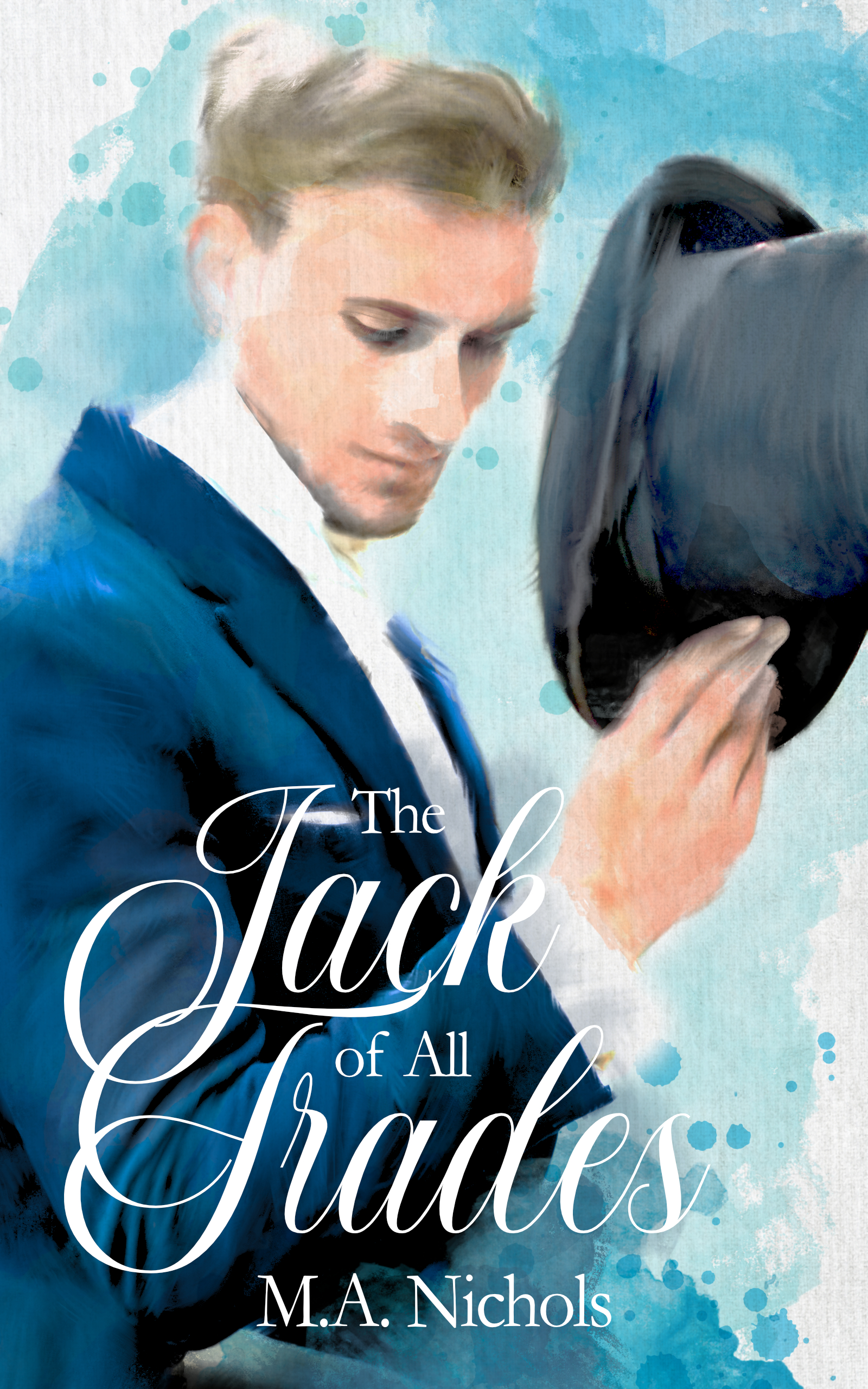
8 JAT

But also, I just really love it. I spent months playing with different ideas and styles, and one day, I stumbled upon some stock photos that someone had manipulated into looking like a painting. I watched a bunch of YouTube videos on how to do it, experimented a ton, and came up with the style.

Have they proved successful?

Depends on what you define as successful. Financially, they haven’t helped my sales, and in some ways, I worry that they may have hurt them a little. While being unique seems like a good thing, a common bit of advice to cover designers is that you don’t want to do that. If a book looks too different from the rest of the genre, it may turn off readers. So, yeah. I worry about it.

Artistically, I love them, and I’m so proud of the work I did on them. It was a massive effort to get them to where they are, and I have no interest in changing them again. And while some fans say they like the old ones better, most love them, too.

And they definitely fulfil the original purpose that inspired me to make the change in the first place. They’re more work, but I have a lot more artistic freedom when it comes to the base photos I use.

I think they look fresh and attractive!

I was recently at the Historical Novel Association conference in the ancient city of Durham and the question of how much time authors spend on social media came up. Do you think of social media as a friend or foe?

A bit of both. Personally, I’m not a fan of social media. I don’t use them in my personal life at all anymore because I prefer personal contact. But as an author, I use it all the time. I don’t view it as a marketing platform in which I can find new readers but as a place in which I can connect with my readers and fans. One of my favourite things to do is sharing behind the scenes info or research titbits. All those little things that are interesting to me an author but never made it onto the pages of my books.

It is a bit of a chore for me at times to come up with content, but I’ve developed a system that works for me.
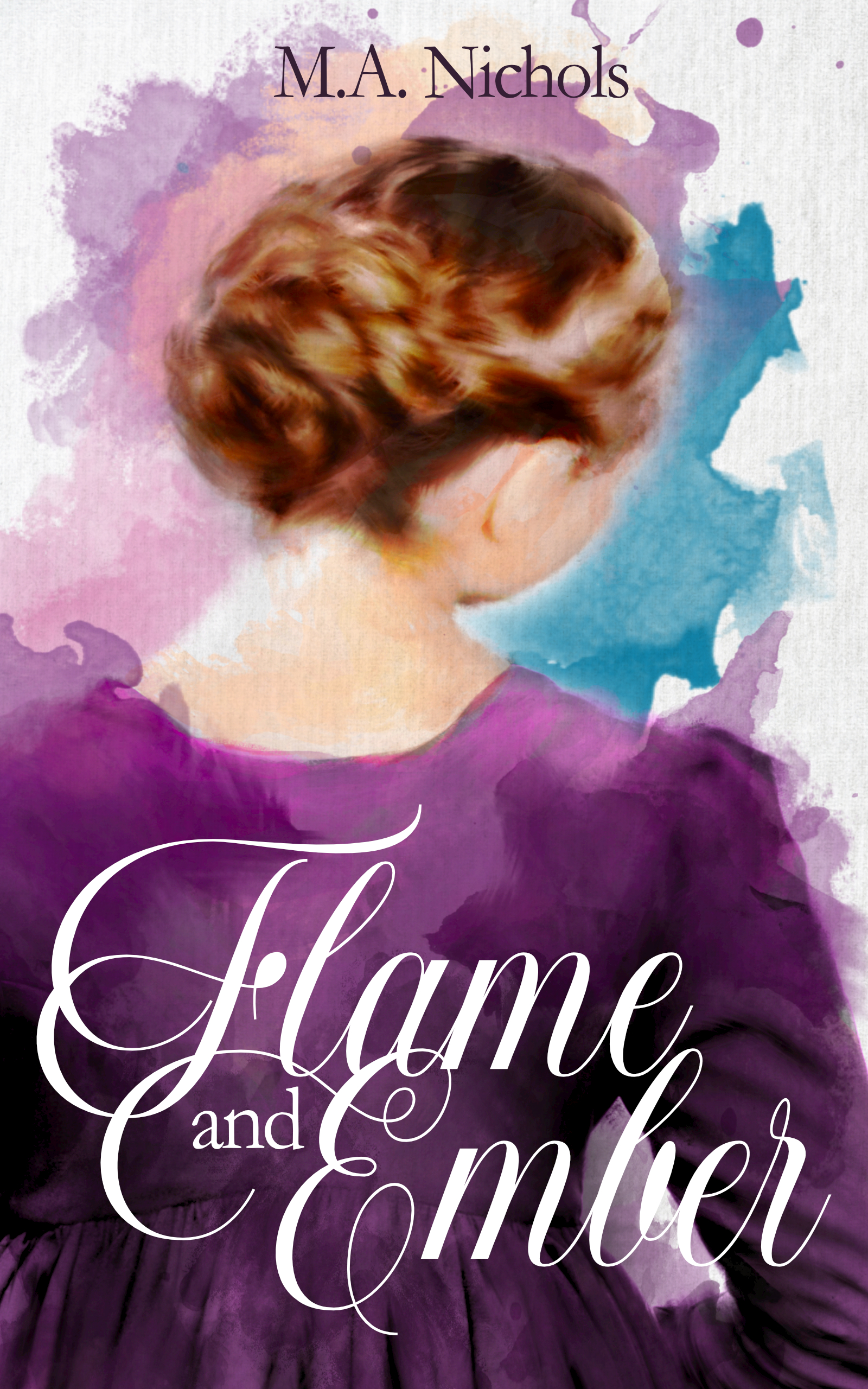
http://www.dreamstime.com/stock-images-romantic-bun-rear-view-he

How do you split your time between research/writing/ marketing?

I write every work day. Or I try to. I need an outline before I can write, and that isn’t always ready when I’m sitting down to start for the day. Generally, that takes up 3-4 hours a day. Then I spend the afternoon editing, outlining, researching, and any other prep work so that the next day I can sit down and write.

Generally, I do my marketing in the evening. A lot of it is stuff I can do while watching TV, so I’ll take my laptop down to the couch and relax while I input stats, work on my ads, or create social media content. This isn’t something I do every day. I’ve always heard that the best marketing is putting out a new book, and I ascribe to that mentality. I do a few traditional marketing things, but I try to keep it to a minimum and focus on creating new stories.

Researching is something I try to fit in wherever I can. Sometimes it happens as I’m writing or creating an outline, when I realize I need to know something. But often, I’m just always trying to watch documentaries, read books, listen to podcasts, and learn stuff I don’t know that I don’t know. You can’t learn it all, but I try to keep learning new things because I never know what’s going to spark an idea.
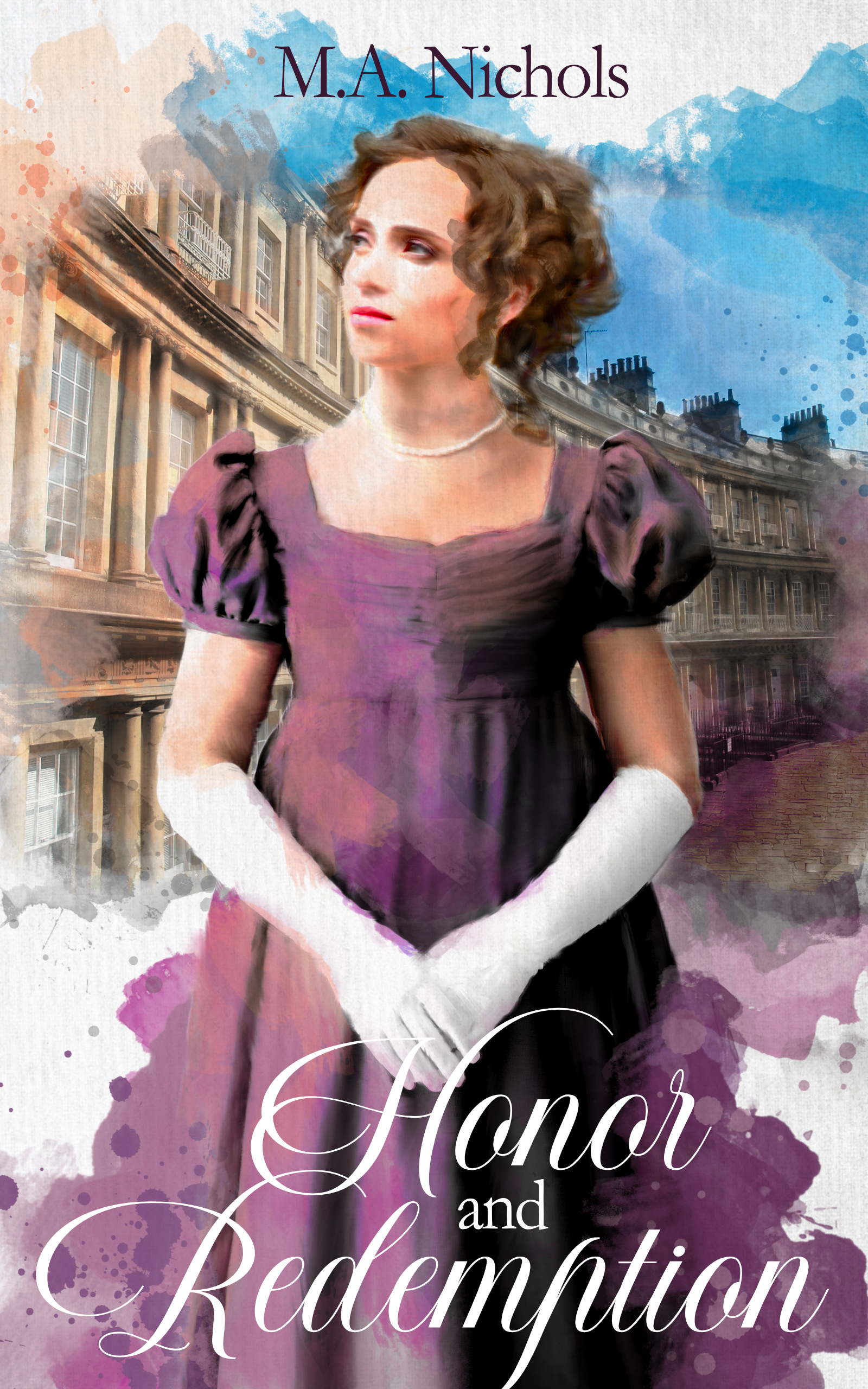
4 H&R

What are you currently working on?

I’m writing my first Christmas novel, “The Christmas Wish.” It’s part of my Victorian Love series, and I’m outlining my next project, which will be my first novella. I’ve wanted to try my hand at shorter stories because I have some ideas that just won’t work in a longer format, and I think now is the time to do it. I’m not entirely sure what it’s going to be because I have a lot of ideas right now, but we’ll see. I don’t always know what I’m going to write next until right before I need to start writing the 1st draft.

What is next?

Now that I’m writing full-time, I’ve put together a pretty amazing publishing schedule. I’m alternating between novels and novellas, and the plan is to publish 4 novels and 4-5 novellas in 2023. While I am focused on Regency & Victorian right now, I would like to branch into historical western romance sometime in the near future. And maybe a bit of historical paranormal romance maybe…

What can I say? I’m an eclectic reader, and I like writing in different genres. I started off in fantasy and would love to do more with it.

You are certainly inspiring. I wish you every continued success with all your projects.

Thank you for taking time out of your busy schedule to do the interview.
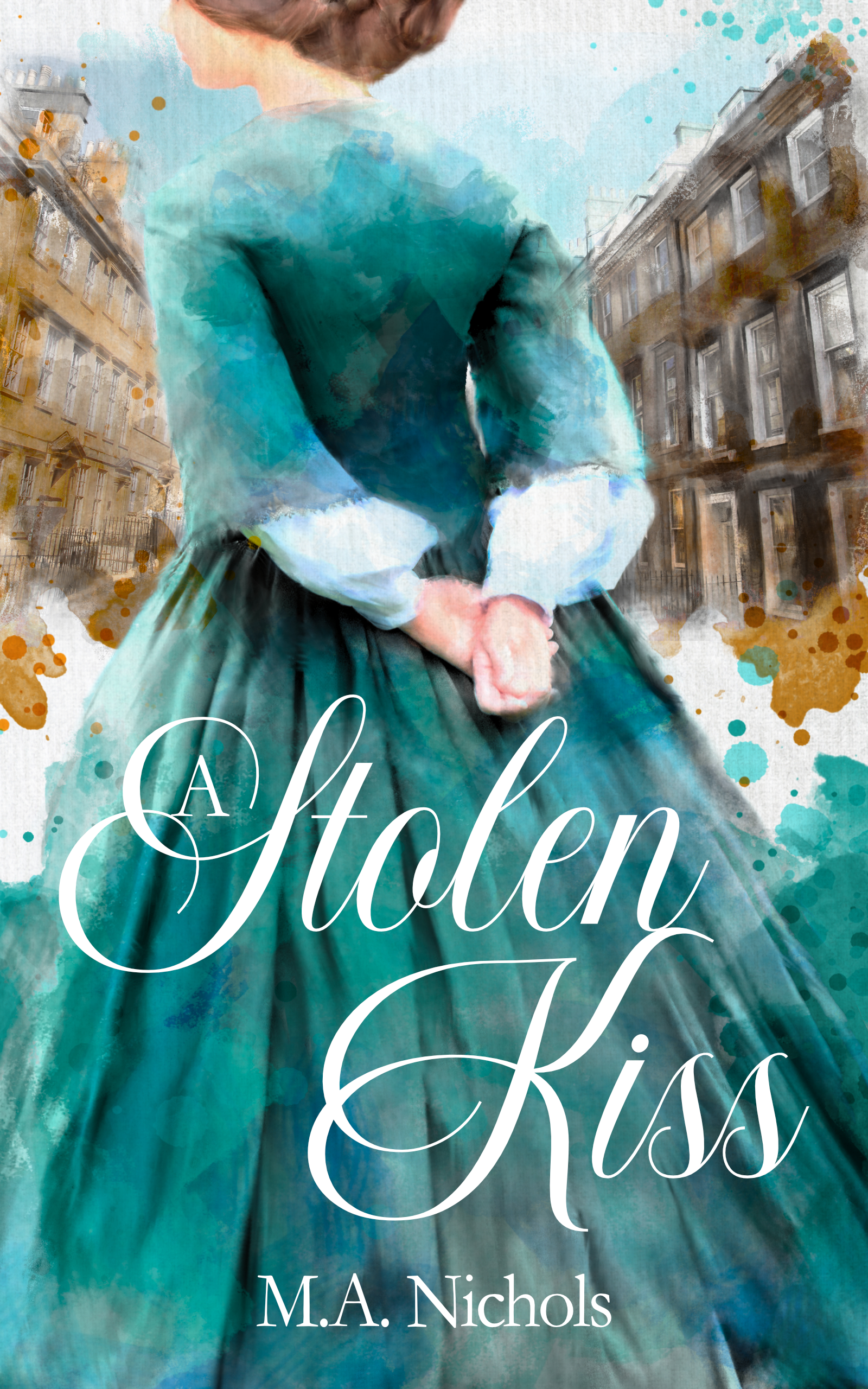
5 ASK

Meet Regency author, Natalie Kleinman

Author image - Natalie Kleinman

I am delighted to welcome fellow Sapere Books author, Natalie, to chat about her new release.

With publication of The Girl With Flaming Hair only a few days from now, what plans do you have for launching it on its way?

I’m so delighted with the cover image – she may not be Helen of Troy but she’s beautiful nonetheless and I will be sharing her on social media, primarily Facebook and Twitter. I’m also lucky in that Rachel Gilbey (Rachel’s Random Resources) has organised a blog tour for me which will begin on 18th June. Bloggers and reviewers are so generous with their time and I’m especially grateful to them, and to you. There will be ongoing news as well with giveaways and competitions for those who subscribe to my newsletter.

The Girl With Flaming Hair Full Tour Banner

Everyone’s route to publication is different – what was yours?

An unexpected one! I’d finished studying with the Open University and was looking for something to occupy my little grey cells so I joined a ten week creative writing course run by my local council. What a magnet that turned out to be! Fast forward through various interest groups until in 2011 I discovered The Write Place (TWP), a creative writing school not too far from where I live. Up to this point I’d been writing short stories but I was made to wonder if I couldn’t write a book as well. Since then I’ve written fourteen though three will never see the light of day but I’m grateful to them – they were my learning curve. I found out about the Romantic Novelists Association from TWP and joined their New Writers Scheme. You may imagine my joy when my first submitted book, a contemporary romance, was taken up by a publisher and I graduated the scheme in the first year. That was in 2014.

We both share a love of Regency with our publisher Sapere books, but when did your love of the period begin and sustains your interest with it?

I must have been about eleven at the time and I have my mother to thank, as do so many others theirs, for it was she who handed me my first Georgette Heyer. It’s never palled and I’ve had books fall to pieces in my hands, not from abuse but because they just weren’t up to the number of times I’ve re-read them. When that happened they were replaced. Some outstanding productions have illustrated how well stories in this genre translate to the screen. And recently Bridgerton did a great job of raising the profile of Regency romance.

You have written many short stories. Do you enjoy switching between the two disciplines of writing short and long fiction?

I love them both and they are entirely different disciplines. It’s wonderful to create a world in just two or three thousand words and very satisfying. I’m very grateful that my stories have been enjoyed by so many. Long fiction gives the opportunity to develop one’s characters and, as my stories tend to be character-driven, that’s of huge benefit to me and the way I write. I just have to be careful they don’t start writing themselves as they have a tendency to run away with the plot.

What has been a member of the RNA meant to you?

The RNA is a place for making friends as well as acquiring knowledge. Writers tend to be pretty genuine people and very ready to help each other. Consequently, having attended numerous conferences, workshops and chapter meetings, I’ve had the chance to meet, to learn and to move forward. Everyone is so kind. Maybe it’s the romanticism in us.

How have you kept mentally and physically fit during lockdown?

Does one out of two count? I loved sports when I was younger but I’ve never been a fan of what I think of as gym-based exercise. I have disciplined myself to do online exercises but I know they are the barest minimum. Mentally though I’m so very grateful for my occupation. What better than losing oneself either in one’s own creation or in that of another author? Other time periods, science fiction, cosy crime, they’ve all taken me to places I wouldn’t otherwise have visited. And Zoom and other video links have been invaluable.

What is next for Natalie?

Exciting times for me. You will know that Sapere recently published The Reluctant Bride. Well, after The Girl With Flaming Hair there are three more in the pipeline so I guess I’ll be pretty busy for the foreseeable future.

The Reluctant Bride Cover

Thank you so much for having me on the blog today, Val.

Natalie

You are very welcome!

About The Girl With Flaming Hair:

While driving his curricle, Rufus Solgrave, Earl of Luxton comes across Sophie Clifford lying unconscious in the road, having fallen from her horse. Not too far from home, he takes her back to Ashby, his country seat, leaving her in the care of his mother, Elizabeth, Countess of Luxton, and his sister, Lydia. Under their kindly supervision, Sophie soon begins to recover.

Upon discovering that Sophie has never mixed with London society, Elizabeth invites her to accompany the family to town for Lydia’s come-out. Unhappy with her home life and eager to sample the delights of the season, Sophie accepts. However, her enjoyment is marred when talk of an old scandal surrounding her birth resurfaces. What’s more, her devious stepbrother, Francis Follet, has followed her to London, intent on making her his bride.

Sensing Sophie’s distress, Rufus steps in to protect her from Francis’s unwelcome advances. And although neither Rufus nor Sophie are yet thinking of marriage, both soon begin to wonder whether their comfortable friendship could blossom into something warmer…

About Natalie:

Natalie’s passion for reading became a compulsion to write when she attended a ten-week course in creative writing some sixteen or so years ago. She takes delight in creating short stories of which more than forty have been published, but it was her lifelong love of Regency romance that led her to turn from contemporary romantic fiction to try her hand at her favourite genre. Raised on a diet of Jane Austen and Georgette Heyer, she is never happier than when immersed in an age of etiquette and manners, fashion and intrigue, all combined into a romping good tale. She lives on the London/Kent border, close to the capital’s plethora of museums and galleries which she uses for research as well as pleasure. A perfect day though is when she heads out of town to enjoy lunch by a pub on the river, any river, in company with her husband and friends.

Natalie is a member of the Romantic Novelists Association, the Society of Authors and the Society of Women Writers and Journalists.

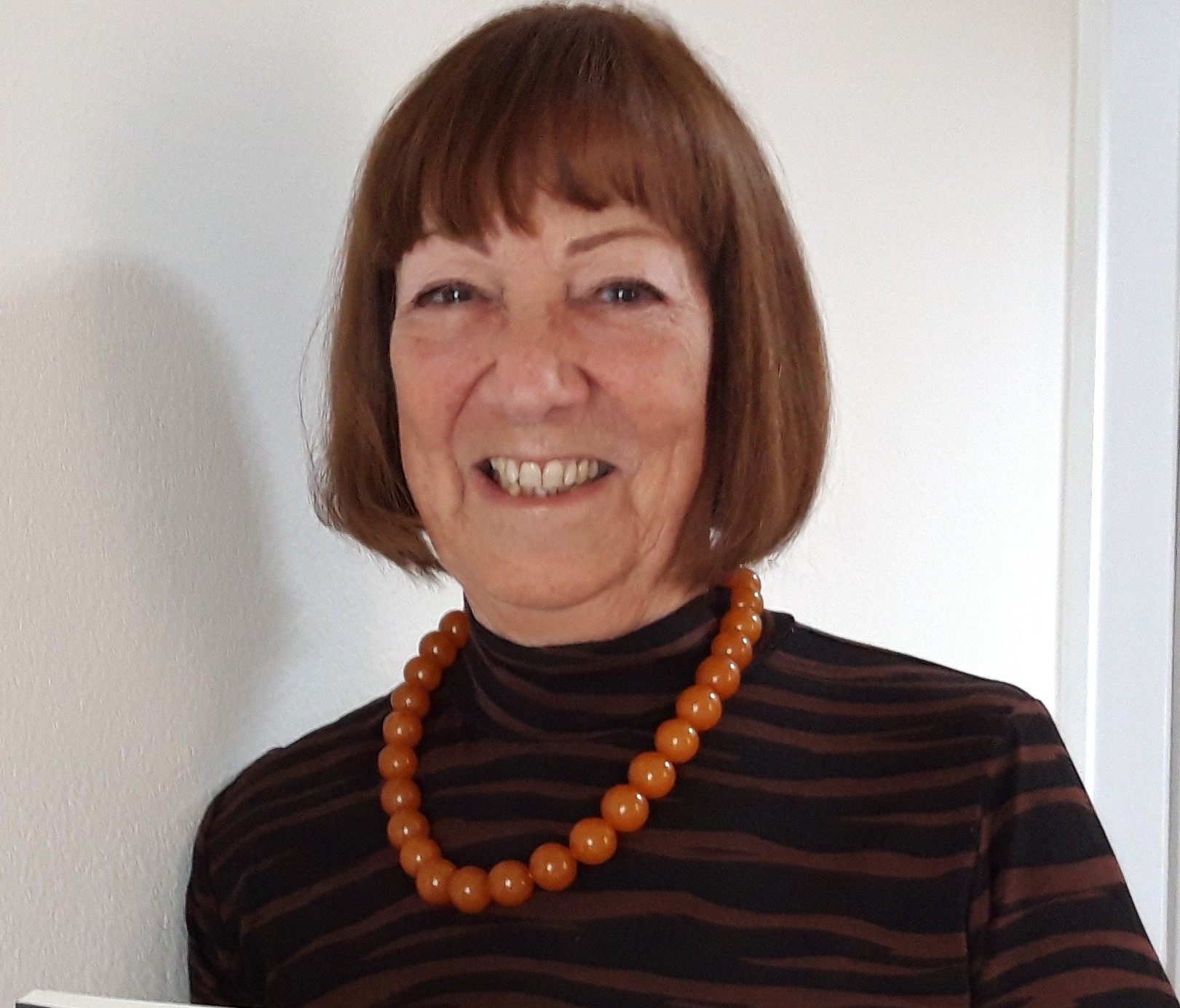
Meet Catherine Tinley – winner of the RNA’s 2021 Goldsboro Books Historical Romantic Novel Award!

Tinley rags to riches author (2)

Welcome, Catherine, and huge congratulations on winning the RNA’s 2021 Goldsboro Books Historical Romantic Novel Award!


Rona winner MB (1)

When did a love of books turn into a desire to actually write them?

It was probably when I realised that Georgette Heyer should have written at least another hundred books, and I started to play around with story ideas. I don’t claim to have even a smidgen of her wit, but it was her books that made me fall in love with the whole world of Regency Romance. My very first idea was of a character that was like The Grand Sophy, but different. Like Sophy, she was moving to relatives in London having been raised abroad by an easygoing father. Unlike Sophy though, she was introverted, and her new relatives were less than welcoming. Those initial jottings became Waltzing with the Earl, my first novel.

M&B large file CCE (2)

When did you get your first break into publishing?

I had no idea about the publishing industry. I didn’t know about competitions, or the RNA, or agents, or writers’ groups none of it. Once I had the manuscript into reasonable form, I simply sent off query letters to four publishers, including Harlequin Mills & Boon.

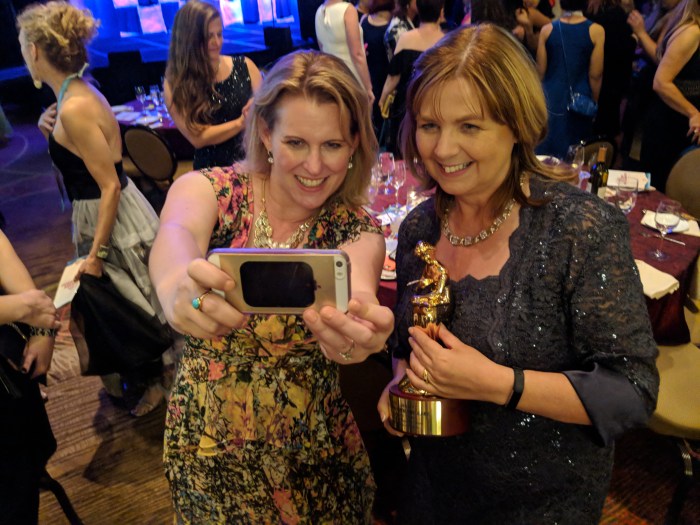
Three came back with a ‘no’, but the lovely Julia Williams at Mills and Boon picked up my book from the slush pile and, after some edits, offered me a two-book contract! Waltzing then went on to win the prestigious Rita® Award in the USA. It was a finalist in two categories – ‘Best Historical’ and ‘Best First Book’ and it won the historical section, where it was up against some wonderful books by very experienced writers. I went to the US for the awards ceremony, and afterwards Tessa Dare asked for a selfie with me! It still seems like a dream.

tessa-selfie-1

What does being a member of the RNA mean to you?

I love the sense of community and mutual support. There’s never a feeling of competition not even on the night of the RoNA Awards! Some of the women in the RNA Irish Chapter are good friends of mine now, and we’ve been encouraging each other to keep writing during the pandemic. I’d like to thank Ruth Long and Suzanne Hull, our chapter coordinators, for doing such a great job.

Why did you choose Regency as your preferred era?

It kind of chose me! I’ve been reading romance since I was a teenager, but I’ve always been drawn to historical settings. Between Georgette Heyer and the BBC Pride & Prejudice, I succumbed, and have been a Regencyite ever since.

What do you want your readers to have gained from reading a Catherine Tinley novel?

I want them to be carried away by a story, feel all the feels, then feel good uplifted and hopeful by the end. Surely that’s not too much to ask lol? I generally write ‘quiet’ stories set among families and tight-knit communities, rather than action adventures or comedies. Yes, sometimes there are passages or events that are dramatic or funny, but mostly I try to make the world and the people very real to readers.

Your work has been described as ‘unputdownable’ and you have won awards, including this year’s RoNA Award for Best Historical Romance, so what are your future writing ambitions?

I just want to keep writing, and I’d like readers to keep enjoying my books. Everything else is a bonus. I was genuinely shocked when I won the RoNA recently for Rags-to-Riches Wife, as there were nine great finalists. However I do know that many readers particularly enjoyed that book. I deal with class issues, bereavement, and recovery from previous trauma, so I somehow managed to pack a lot in there. Jane, my heroine, is a lady’s maid who visits wealthy relatives and suddenly finds herself sitting in drawing-rooms rather than kitchens. No-one ever asked Cinderella if she was uncomfortable adapting to her new status and surroundings. Jane has a lot of challenges to face before she gets her happy-ever-after!

What advice would you give your younger, unpublished self?

Just keep writing, I guess. I was never particularly hung up on the idea of being published, although of course I hoped for it. For me, the pleasure is always in the writing itself.

Tinley 6 dog (1)

How have you coped/worked through lockdown?

I work full-time in the NHS, so the past year has been challenging in many ways. My colleagues are amazing, but we’re all bone-weary at this point. I manage a large maternity service and neonatal unit, and those babies just kept coming, pandemic or no pandemic! We’ve adapted to PPE, social distancing, covid testing, and a million other things, and we’ve tried to be flexible and responsive to women’s (and partners’) needs.

When not writing what do you do to relax?

Writing is my relaxing. I’m usually too tired to write in the evenings after work, so my writing is done on weekends and days off. I find it totally relaxing to return to my created world and my beloved characters. It’s mindfulness on stilts! I also love walking with my family (and our wee dog, Carey) in local beauty spots, including the Fairy Glen and Kilbroney, CS Lewis’s inspiration for Narnia, apparently.

What is next for Catherine?

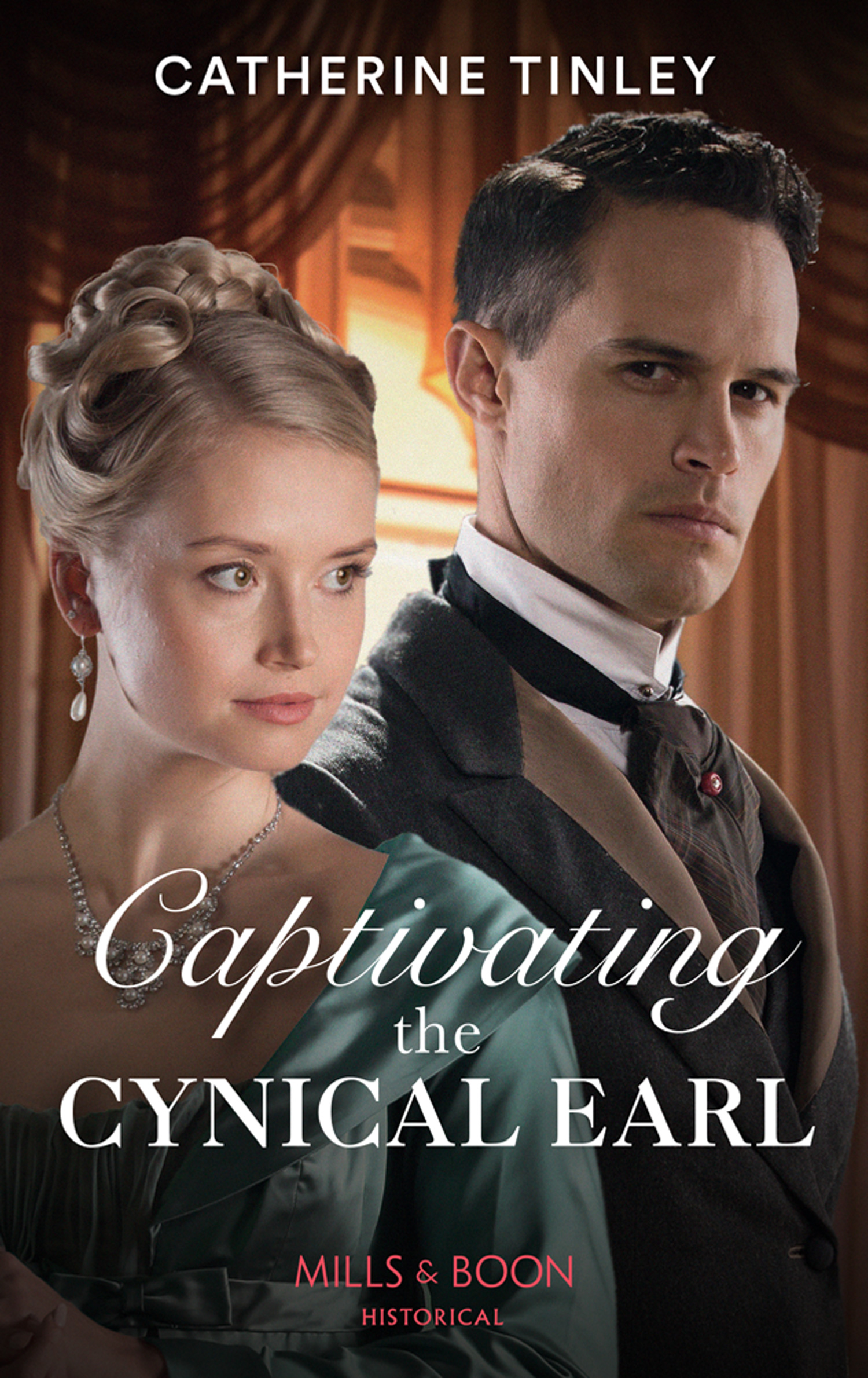
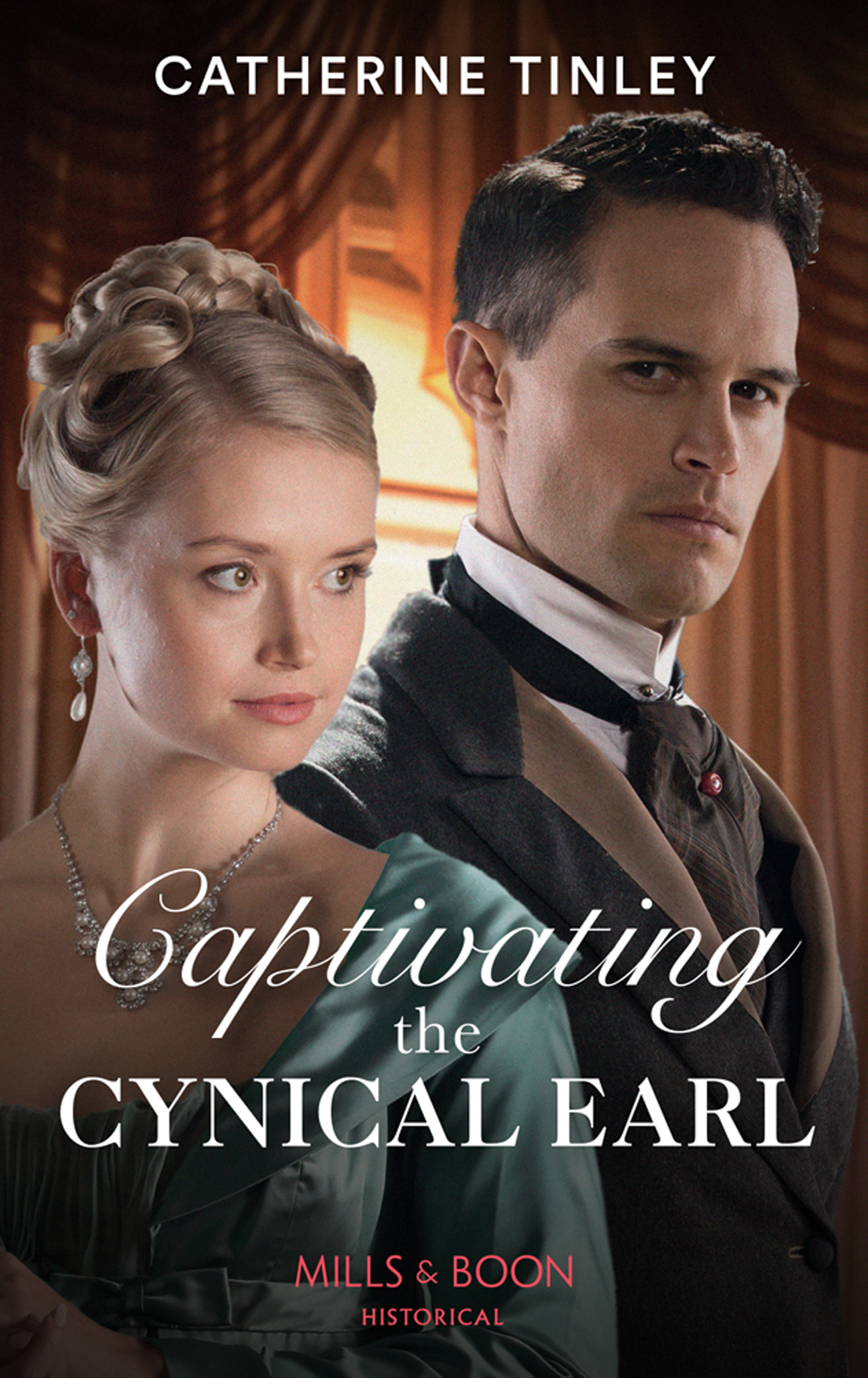
My next book, Captivating the Cynical Earl, will be out in July, plus I’m half-way through writing the one after. It’s set in the Hebrides in 1810 so lots of research involved. I’m going to keep writing, for as long as readers want to read my books. Simple as!

M&B large file CCE (1)

My sincere thanks to you and your amazing NHS colleagues who have worked so hard to look after us throughout the pandemic.

I wish you every continued success!

Celebrating: The Goldsboro Books Historical Romantic Novel shortlist!

Goldsboro Books is the UK’s leading independent bookshop, specialising since 1999 in first editions, signed, collectable and exclusive books. Situated in Cecil Court in London’s West End, and – as of December 2020 – Brighton’s famous Lanes, it has gained a reputation for championing debut authors, as well as creating the UK’s largest book collectors’ club, and is influential in selling large quantities of hard-back fiction. 

The Goldsboro Books Historical Romantic Novel

Every author has their own unique story to tell about how and why they came to be a novelist. Read on to find out the stories behind the talented authors shortlisted for the prestigious award, as they reveal them, and the inspiration behind their lovely novels.

Goldsboro Books is the UK’s leading independent bookshop, specialising since 1999 in first editions, signed, collectable and exclusive books. Situated in Cecil Court in London’s West End, and – as of December 2020 – Brighton’s famous Lanes, it has gained a reputation for championing debut authors, as well as creating the UK’s largest book collectors’ club, and is influential in selling large quantities of hard-back fiction.

Heartbreak in the Valleys – Francesca Capaldi

Hera Books

The idea for Heartbreak in the Valleys came from a document I discovered on Ancestry.com. It was the WW1 record for my great grandfather, Hugh Morgan. It revealed that he’d enlisted into the Rhondda Pals but was discharged on medical grounds eight months later, with tachycardia, while still training. Wondering what he must have felt, with his pals off to war, and how it affected those around him, I came up with the basis of the novel.

The Coming of the Wolf – Elizabeth Chadwick

Sphere, Little, Brown

I wanted to write a story about how people of every culture coped after the Battle of Hastings in 1066 and The Coming of the Wolf is the result, with a Cambro-Norman hero and an English heroine. I wrote the novel long ago, but dug it out to edit and put a few chapters online. My readers immediately demanded the rest and it was their encouragement and push that ultimately led to the novel’s publication and subsequent shortlisting.

Spirited – Julie Cohen

Orion Fiction

Daniel’s Daughter – Victoria Cornwall

Choc Lit

Daniel’s Daughter tells the story of a character who appeared at the end of one of my previous novels in the Cornish Tales series, The Captain’s Daughter. I always wondered what would happen to Grace should she discover a secret that would destroy her trust in everyone she loves. The books in the Cornish Tales series are stand-alone stories and can be read in any order, however writing Daniel’s Daughter brought closure to me as a writer.

The French Wife – Diney Costeloe

Head of Zeus

Encouraged by my publisher father, I have written stories all my life. In 1980 I entered Woman’s Hour’s romantic novel competition, and though I didn’t win, I was shortlisted and so I submitted my novel to Robert Hale. It was the beginning of my published career. I wrote ten romances for them and others before moving on to historical fiction, 19th century, WWI, WWII but always with a romantic element. That’s where I am now.

People Like Us – Louise Fein

Head of Zeus

As a child, I always had my nose in a book. I think I wrote my first story aged around six. It wasn’t until my youngest daughter’s illness forced me to give up work that I began writing seriously. I took a master’s degree and began working on a novel. That novel, the first I ever wrote, became People Like Us. It is beyond my wildest dreams to be published and shortlisted for this award!

The Lost Lights of St Kilda – Elisabeth Gifford

Corvus

The Lost Lights of St Kilda was inspired by the last families to live in Scotland’s most remote island who had to abandon their beloved home in 1930.

I was able to visit St Kilda with its magnificent scenery, and the abandoned village. I combined this with a story of a WW2 Scottish soldier who stays on the island as a student, and falls in love with an island girl. He is captured during the Dunkirk evacuations. His escape to get home to Chrissie was inspired by our grandparents’ stories of helping escapees to escape Nazi-held France.

Rags-to-Riches Wife – Catherine Tinley

Mills & Boon Historical

In Regency Romance, there is an emphasis on the world of high society. My own ancestors though would not have been aristocrats. We were farmers, tradespeople, servants. This was my chance to delve into the life of a regency servant. Jane is a lady’s maid, and is invited to stay with wealthy relatives. How will she manage as she wears silk dresses instead of cleaning them, as she is mocked for her chapped hands and lack of schooling, as she finds herself falling in love with a gentleman – someone above her social class?

The Skylark’s Secret – Fiona Valpy

Lake Union Publishing

I was travelling in the far north of Scotland and I came across the Russian Arctic Convoys Museum. I was astonished – it was a WW2 story that I’d known nothing about. Loch Ewe was chosen as the

muster point for ships braving the Arctic seas, running the gauntlet of Nazi U-boats and air strikes to keep the Russians supplied with food and armaments. The idea of this peaceful, remote crofting community suddenly becoming such a strategic focal point in the war inspired The Skylark’s Secret

The winner will be announced on the 8th March 2021.

Please feel free to leave a comment or like the post.