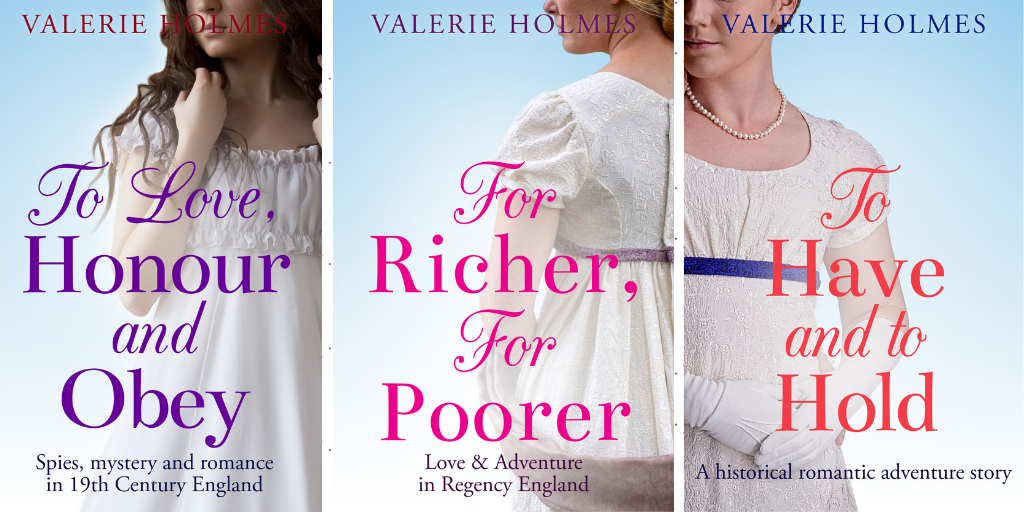
Discover Captivating Regency Adventures on Audible

Summer may be drawing to a close in the UK, but what a warm one it has been! Whether you enjoyed staying at home or ventured abroad I hope you had a fun time. Personally, I love to balance travel and home. Are you a home bunny or long to see the world? 

Holidays are a way to escape from the normal routine of daily life commitments, to experience new challenges and recharge… Like escaping in a good book. If you enjoy a slow burn romance wrapped around a Regency romantic adventure, then read on…   

My exciting news for Amazon.com readers is that from today three of my Regency novellas are now available to listen to free from Audible.com – Hannah from Harpham Hall, which was shortlisted for The Love Story of the Year Award by the Romantic Novelists’ Association when it was first published by DC Thompson has now joined The Baronet’s Prize and Phoebe’s Challenge.

In the UK and other countries they can be purchased on Kindle or enjoyed free from KindleUnlimited. I hope that in the future they will also be come available in Audible in the UK too. These are my first three novellas to be re-edited and re-launched in digital format, their length is perfect for listening to on a journey or loosing yourself for a few hours in a complete slow burn mantic wrapped around an exciting adventure.

All writers grow and learn as their careers progress. Since 2003, when my first novella was accepted for publication, a further 52 have been published in traditional large print and distributed through the Commonwealth library system.

Libraries have had to compete with the change in readers’ online habits and the availability today of books in various formats through various distribution channels. A library provides a physical presence within a community, but as well as offering its invaluable traditional book-loaning service they now offer so much more to their local community. Which is why they should be used and valued.

More good news is that For Richer For Poorer, published by Sapere Books, will be released in large print by Ulverscroft in early 2026.  

For reader’s who want a longer read with all the elements of romance, mystery and adventure then get ready to fall in love! 

My books offer Regency romances that will warm and captivate your heart. Discover the untold stories, hidden away from societies prying eyes. 

Read now and escape into the adventure! 

“Silent Revenge has the potential to capture not only devoted Regency romance fans, but also readers drawn to intrigue, history, and enduring love.” 

I hope you agree. Please feel free to leave comments and questions below. 

‘Secrets’ and a Blacksmith: Crafting Tradition and Innovation

I hope you have enjoyed the sunshine and warmth of June, when the UK sampled temperatures nearing those in the tropics! In North Yorkshire the heather is ready to bloom, bringing swathes of lush purple to the vast expanses of moorland. It is a truly beautiful and everchanging landscape.

Another beautiful county that I visited recently in the South West of England was Somerset. When I stopped at a garden centre I came across a working blacksmiths’ forge and felt as though I’d taken a step back in time. Instantly thoughts of Wilfred Underwood, Imogen’s father in Secrets, came to mind. Although we tend to think of smithing as a traditional craft of yesteryear, the charming owner soon corrected that impression.

There is still a demand for the old skills, used now for restoration work, preserving items from the past. This requires the mastery of the trade and knowledge of old methods, material, tools and skillset of the original worker to recreate or mend the item in question. Past imperfections are what makes an old item interesting today.

We live in a time where we have more technical accuracy and, perhaps as a consequence, less individuality. Science has moved on, providing precision tools and improved understanding of the process, yet a modern day blacksmith has to embrace and learn the old ways as well as the new.

Old skills are called upon to mend traditional machines and objects, some still used in other local trades like the local butcher’s grinder, along with reproducing such basic items as the imperfect nails made at a smithy’s before mass production. Each repair has to be done in the style and materials of that bygone age, but today’s Blacksmith also has to build on this historic knowledge by keeping up to date with modern, contemporary designs changes in style, tools, markets and techniques.

There is a long apprenticeship still required, for this labour of love, as science and art combine.

Historically, a chestnut tree was planted near the large forecourt providing shade and was symbolically associated with the trade. Yorkshire wrought iron was and is highly prized for its quality.

In Secrets Imogen’s father, Wilfred Underwood, is the blacksmith for my fictitious village of Dibbledale – a tranquil unspoilt place inspired by such villages as Hutton-le-Hole in the North Yorkshire Moors Park. His trade was central to the local community for the upkeep of agricultural equipment, as a farrier, and the many other jobs concerning the mending of household and trade goods. Wilfred, a gentle giant of a man, also encouraged Imogen’s creative nature providing her with fine tools and wire to make delicate jewellery, deepening the bond between father and daughter.

Secrets and their consequences worm their way between Micah and Imogen. Will they be able to save Dibbledale’s peace and tranquillity? Only when secrets are revealed can devoted friends be distinguished from destructive foes and allow love to find its true home.

From a writing perspective there is a fine balance between keeping historical fiction accurate to the period it is written about, and accessible to a modern reader, who may be unfamiliar with that period of history.

Trades, like everyday language, evolve and adapt through time. The visual importance and need of a central blacksmith may have changed, but in Regency they were essential and central to a thriving village community. They were also excellently placed to see and hear all the comings and goings of the villagers and pick up information from travellers who crossed their paths. Wilfred as a character is able to keep his finger on the pulse of local events.

I would like to greet and thank my new readers in the United States as well as the UK and Australia who have read and enjoyed Betrayal – Book 1 of Friends and Foes Regency romantic adventure series. The

I hope you go on to read the completed trilogy and discover what happens to Lord Farrington, an enigmatic character who features in Book 3 Silent Revenge , which will be published in paperback on 5th July. More about him next time!

July’s bargain book is The Baronet’s Prize, which is now 77p/$1, which also available on KindleUnlimited.

“A delicious Regency! Eleanor is horrified to be made homeless by her brother’s gambling debts and still more disturbed to find herself falling in love with the man who won the estate. Valerie Holmes resolves this dilemma in a spirited tale that keeps you turning the pages until the final “Ah!” of satisfaction.”
GL Robinson, New York USA, Regency romance author.

Reviews left on Amazon (and sites such as Goodreads) are always welcomed and appreciated by authors, especially if the book has been read and enjoyed. They are what keeps the algorithms working in the competitive world of publishing.

I would love to hear from my readers, wherever in the world you are based, and also from visitors to the region.

Have a lovely and safe weekend.

Love the Adventure

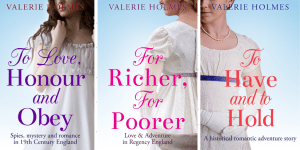
To-Love-Honour-and-Obey-267x400Fifty novellas ago, I began writing love stories each wrapped around an adventure, set against the rugged beauty of the North Riding of Yorkshire. These found their home in the Commonwealth library market and from this base a further six novels have evolved.

When To Love Honour and Obey published by Sapere Books, was reviewed by a fellow author, he described it as ‘Where Poldark meets Heathcliff’ – I was delighted.

I have always loved reading both fiction and non-fiction exploring the Regency period. I enjoy the romance whether written from the perspective of the rigid society of London’s ‘Ton’, so beautifully portrayed by Georgette Heyer and more recently Julia Quinn, or the melodrama of the darker more menacing shadows of Daphne du Maurier’s Jamaica Inn.

Basically, my tastes cross genres within the period, from Jane Austen’s and the Bronte’s classics to E.V. Thompson’s20240126_161100 Cornish sagas, or Bernard Cornwell’s action and adventure series about the rifleman who rose from the ranks, Richard Sharpe.

I have worked as a creative writing tutor for years and one piece of advice commonly given to authors starting out, is to write about what you know. That does not mean that you must know everything first – no one can, especially where murder and mayhem is involved. Without a time-travel machine, a writer today cannot depict a bygone age with total accuracy capturing the language, attitude, beliefs, habits, understanding of people centuries ago when travel and knowledge were limited.

Research is the key! Whatever the genre; romance, crime, thriller, horror, fantasy or any other preferred, the author must accrue enough knowledge beforehand to write their story and make it credible and believable to today’s readership. Jane Austen was of course writing in her own time; about the world she knew.

Research can be all encompassing when it is focussed on a topic you are enthusiastic about. In first drafts ‘info-dumps’ can creep into a manuscript, slowing the pace of the story. Which is where an editor’s skills are needed to take out the non-essential information, as the author will always know more that the reader needs to about their created ‘world’.

DSC03023When I began writing I thought about the ‘write about what you know’ advice and started exploring my home area. The North Yorkshire Moors and the bay towns from Whitby to Saltburn provided a dramatic backdrop for many of my stories.

Saltburn-by-the-Sea had its own infamous ‘King of Smugglers’ John Andrew, who in 1780 was landlord of the unique Ship Inn, which nestles to this day under the shadow of the 110m high Huntcliff. My fictitious Ebton is based on Saltburn, my Coble Inn nestles in the shadow of Stangcliffe, the headland based on Huntcliff.

 “We’re on Stangcliffe, the headland!” Joshua exclaimed, as realisation hit him harder than the force of the wind. He was inches away from a sheer drop to the sea below where sharp-edged rocks hid under each of the crashing waves…

To Love, Honour and Obey Sapere Books

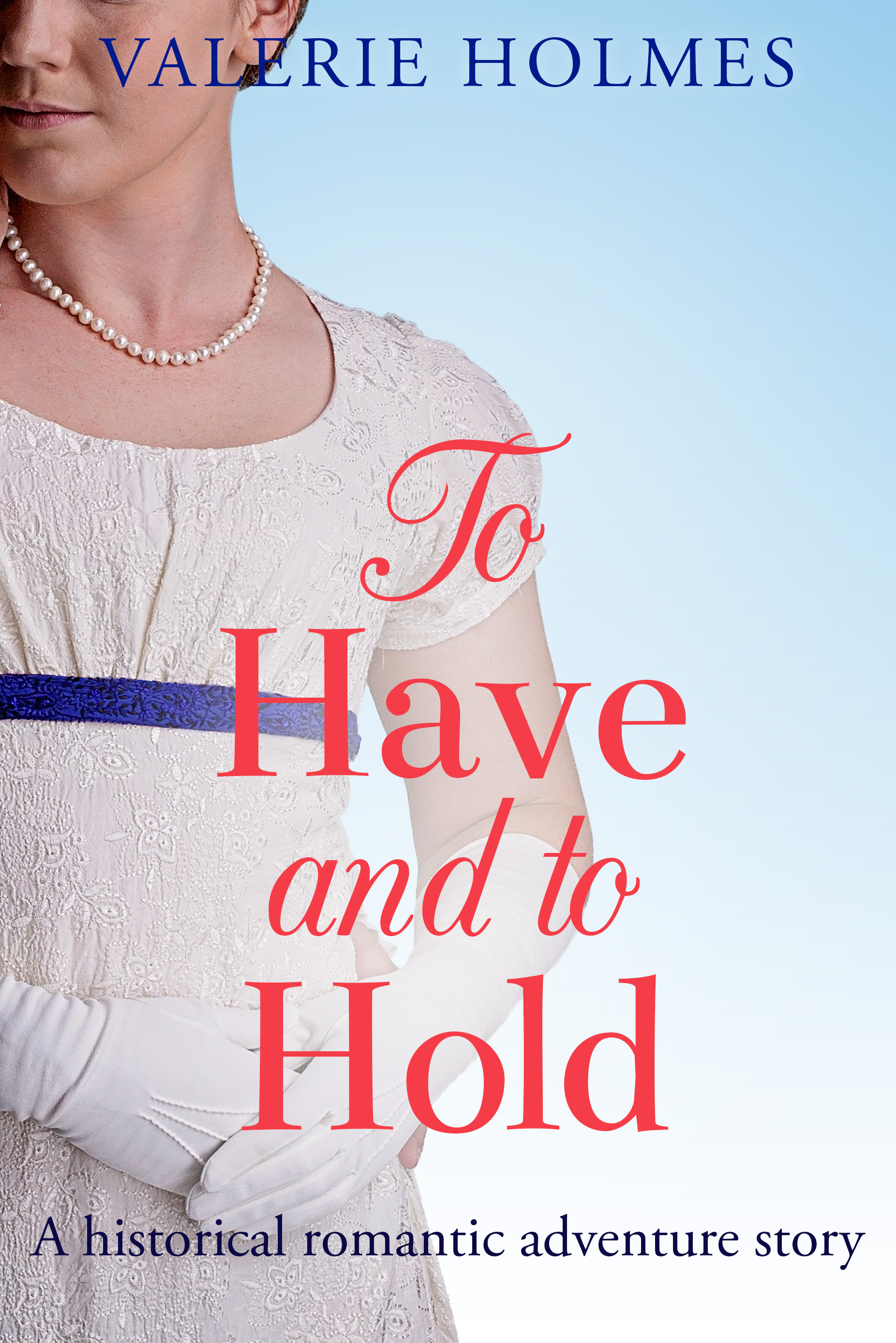
To Have and To Hold
Book 3

This Jurassic coastline encompasses rugged high cliffs and sweeping flat sandy bays. The wild moor inland would have been crossed by locals along small tracks for centuries by the Regency period. The dales, areas of fertile farmland and woodland, dropped down from the moors, with ancient abbeys and small villages of stone-built cottages nestled  within – but cottage industries were being replaced as manufacturing developed in the growing towns causing population shifts, consequently impacting livelihoods, Secrets, due to the Industrial Revolution, a theme resonated in To Have and To Hold, Sapere Books.

Unrest was growing nationally, the Luddite movement triggered fear in Parliament that revolution would happen in England as it had in France. In Phoebe’s Challenge, brother and sister are hunted as machine-breakers – punishment was  anything from a fine, to hanging or transportation to Australia.

secrets front
Friends & Foes Book 2

My books are not dark, but touch on the darker side of human-nature and society, Betrayal, ultimately showing that love and justice will win the day. In real life things may not always work out that way, but in fiction – which is a form of escape from reality – in my stories at least, things do.

The world of Valerie Holmes has the tagline ‘Love the adventure’ – a sentiment that I hope my readers will share.

Beyond the book cover, plot and protagonist, which has a greater influence on your choice as a reader: the physical setting or the period in which it is set?

Please share your thoughts and preferences.

If you are interested in writing, and want to create your own fiction, but need some professional guidance or support, please contact me via my manuscript appraisal page.

I am delighted to announce that Discovering Ellie is now available in Large Print Paperback for those who cannot manage an eReader – just click here

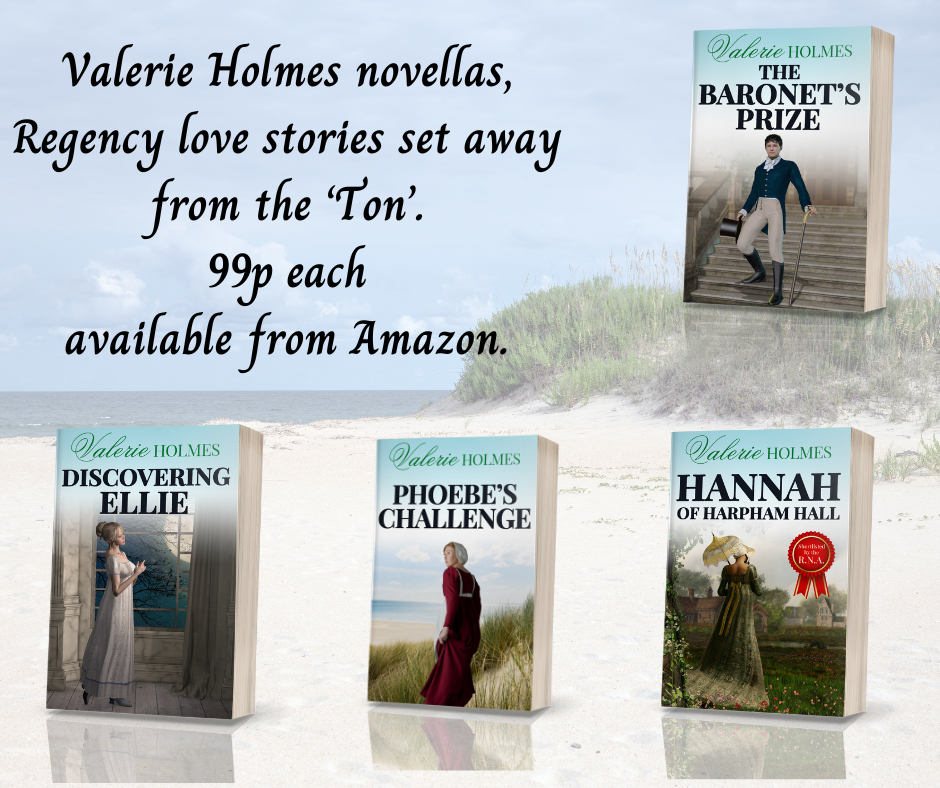
Valerie Holmes novellas. 99p each available in

Smuggling, treason and espionage.

Smuggling in Regency times was rife in the rugged and isolated ‘bay towns’ of what was the North Riding of Yorkshire. Although the skill and daring of those involved in the trade can be admired, there was a dark and far-reaching side to their activities.

20181026_145817

In my books there is a recurring element of smuggling showing how it could have affected the lives of those within the region and, inadvertently, helped Napoleon in his war against our own nation.

Being an island, smuggling had been prevalent for many years within the coastal communities nationwide. With a much smaller population than today, most of the inhabitants of these places would be either involved, or at least aware, of contraband being stored or moved through their communities.

This extract from Rudyard Kipling’s’ poem A Smuggler’s Song captured it beautifully:

If you wake at midnight, and hear a horse’s feet,
Don’t go drawing back the blind, or looking in the street,
Them that ask no questions isn’t told a lie.
Watch the wall my darling while the Gentlemen go by.

The reasons the trade existed were complex but huge import taxes applied to certain consumables made brandy, tobacco, tea, silk and many other desired goods far too expensive for most people, instantly creating opportunity to fill a demand illegally.

Napoleon Bonaparte had no wish to lose the income France received from this illicit trade. So, he ordered the French Channel ports be kept open for business. This also created wealth for the organiser of the smuggling gangs’ pockets, some of which were part of the British landed gentry. Their subordinates lower down the chain of command were often unaware of the identity of the ‘top man’ who could only be known by a select few.

This trade was open to being used for further nefarious purposes, as free traders earned even more money by selling government secrets. This shared intelligence could cover troop deployments/movements/logistics, coastal patrols and the names and responsibilities of important people. This information had its value in coin, which Napoleon desperately needed to fuel his war effort. It was aiding treason.

phoebes-challenge

Government agents tried to uncover such traitors. In Phoebe’s Challenge Rev. Matthew Fenton provides information to uncover the local gangs. In The Friends and Foes series, Lord Farrington is a semi-retired Intelligence Officer who has been given the task of unearthing a traitor in Betrayal, but his role is concerned with insurgence and threats to the government at home too. This is a time of hardship and much perceived threats, externally from France and her allies and internally from those deeply affected by the loss of livelihood and the industrialisation, which was bringing huge wealth to a new ‘middle-class’ and displaced communities from the countryside to town and mills.

Revolution on our shores was a fear.

dscn0347Lord Farrington discusses the situation with  Dr. Samuel Speers,  in Betrayal

“I already know they are involved in the business of financing the trade in contraband. But what else? Lord Bagby has influential friends who he meets in his clubs – does he pass on information to our enemies as well as coin? Is he a traitor through and through? These facts I must seek out.”

Samuel looked up, quite shocked. “You think they are traitors. Many people locally dabble in smuggling to eke out their meagre livings…” 

Farrington leaned forward. “Stop my friend if you wish to remain so. Smugglers give coin to Napoleon’s war effort – they help our enemy and our men die. I do not debate the taxes set, but the way they fund our enemies for selfish gain. Do not be so naïve. I shall bring down the Bagby’s and this man Jed Webb who eludes our Riding Officers.”

 Villagers could earn some coin to supplement their meagre incomes by hiding contraband in amazingly inventive places or help to convey goods on arrival from larger vessels at sea in their own fishing boats to hide them on land. Tubmen were men paid to convey the goods from delivery to their next destination. They needed to be strong, often landsmen, who knew the area and walked the trods and snickets that linked the bay towns and crossed the open moors.

IMG-20181103-WA0006

The northeast coast leant itself perfectly to this. Many of these coastal villages have long, flat beaches of fine sand, where the local ‘cobles’, the shallow draught fishing boats could be easily drawn up and the villagers knew how to avoid the scars, the vicious fingers of rocks that extended from the shore. Fishing was the main source of employment on the coast. Whitby and Robin Hood’s Bay are well known for their smuggling links but the coast between Saltburn and Redcar was almost as notorious towards the end of the eighteenth century. The bay towns in my books of Ebton and Allunby are fictitious villages based on the sweeping bay of Saltburn to Coatham, where I grew up and hold a strong affection for.

Three organisations were created to try and stop this trade. The Revenue Cruisers, the Riding Officers and the Preventive Water Guard.

Revenue Cruisers patrolled offshore in ships that with full sail could often overtake smaller vessels once located. The problem they faced was locating ships amongst the many who sailed along the German Ocean, and also the honesty of the crews who were on occasion known to work with some of the smugglers in exchange for a cut of the goods, made discerning their whereabouts even harder.

Riding Officers were based around the coast, living near the suspected communities and riding the coast to try and prevent the collusion between land and sea. A nearly impossible task.

The Preventive Waterguard was established in 1809. They had houses around the coast – Watch Houses, and smaller boat crews which would patrol their stretch of coastland.

Between all three branches the tide was slowly turning in the governments favour. In 1822 they were incorporated into one force, The Coast Guard, charged with stopping the import of these highly taxed goods. They employed ex sailors, strong, tough and knowledgeable who needed employment after the end of the Napoleonic Wars.

This led to a gradual decline of demand and consequently causing the amount of smuggling that was committed throughout the first half of the nineteenth century to dwindle.

Before this happened though the battles fought to catch the smugglers and traitors lay the seed of many a good tale, some yet to be told.

Thank you for taking the time to visit my page. If you like the article please hit the like button and share where you are visiting from in the comments below.

Best wishes

Valerie

The Yorkshire Saga standalone series published by Sapere Books
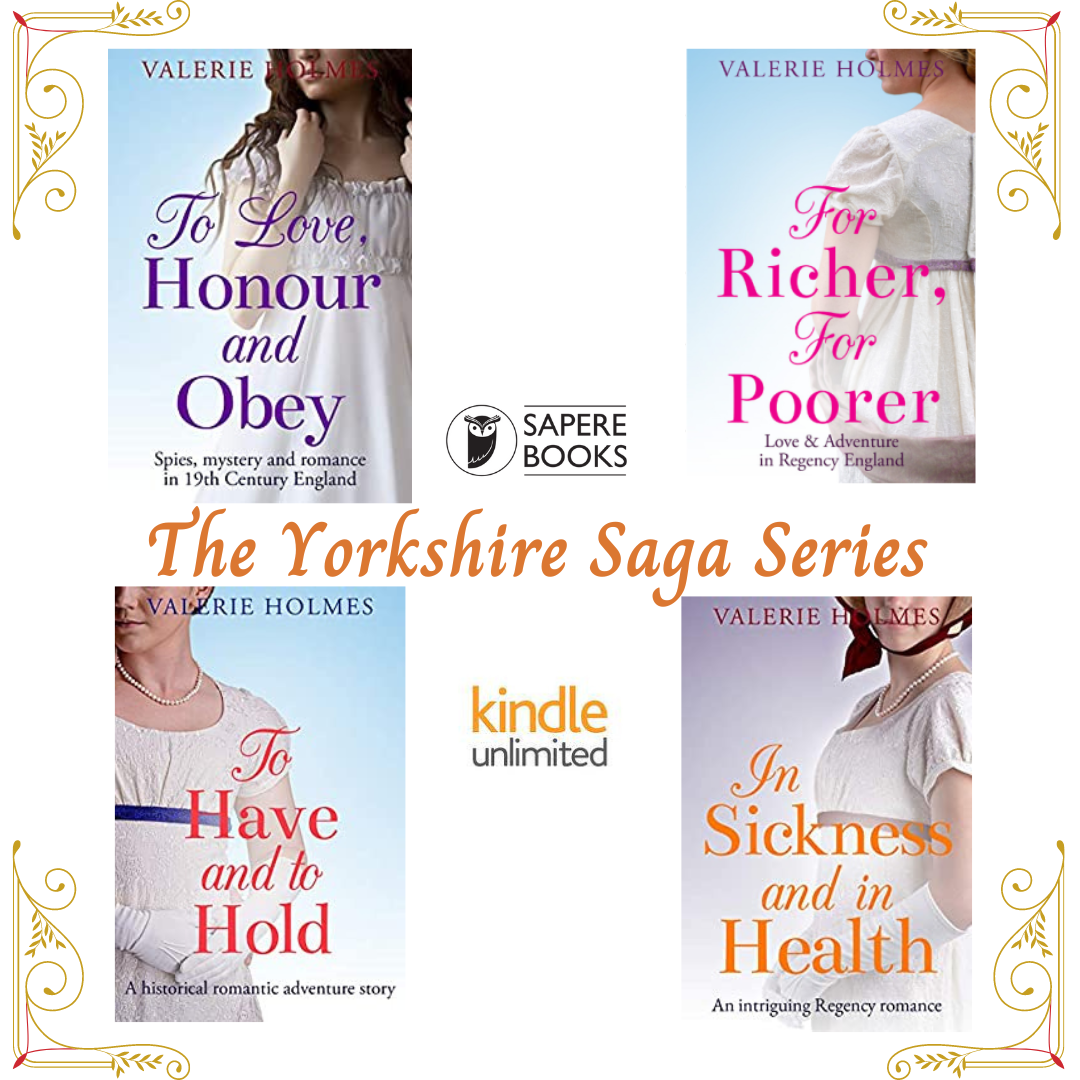

series insty (1)

The ‘Wise-Woman’ and her place in history!

secrets front

In the days before communities were served through the NHS with a local doctor or even before that with a doctor who had to be paid for his services there existed ‘Wise-Women’ otherwise known as folk-healers, or what we would call early midwives.

These women became synonymous with ‘witches’ and many suffered after the renaissance through the persecution of witchcraft. This in part was justified by their use of lucky or healing charms, amulets and crosses made of Rowan, to ward off evil. Ironic really as they used natural, God-given cures that they should have been accused of dancing with the devil.

DSC08679

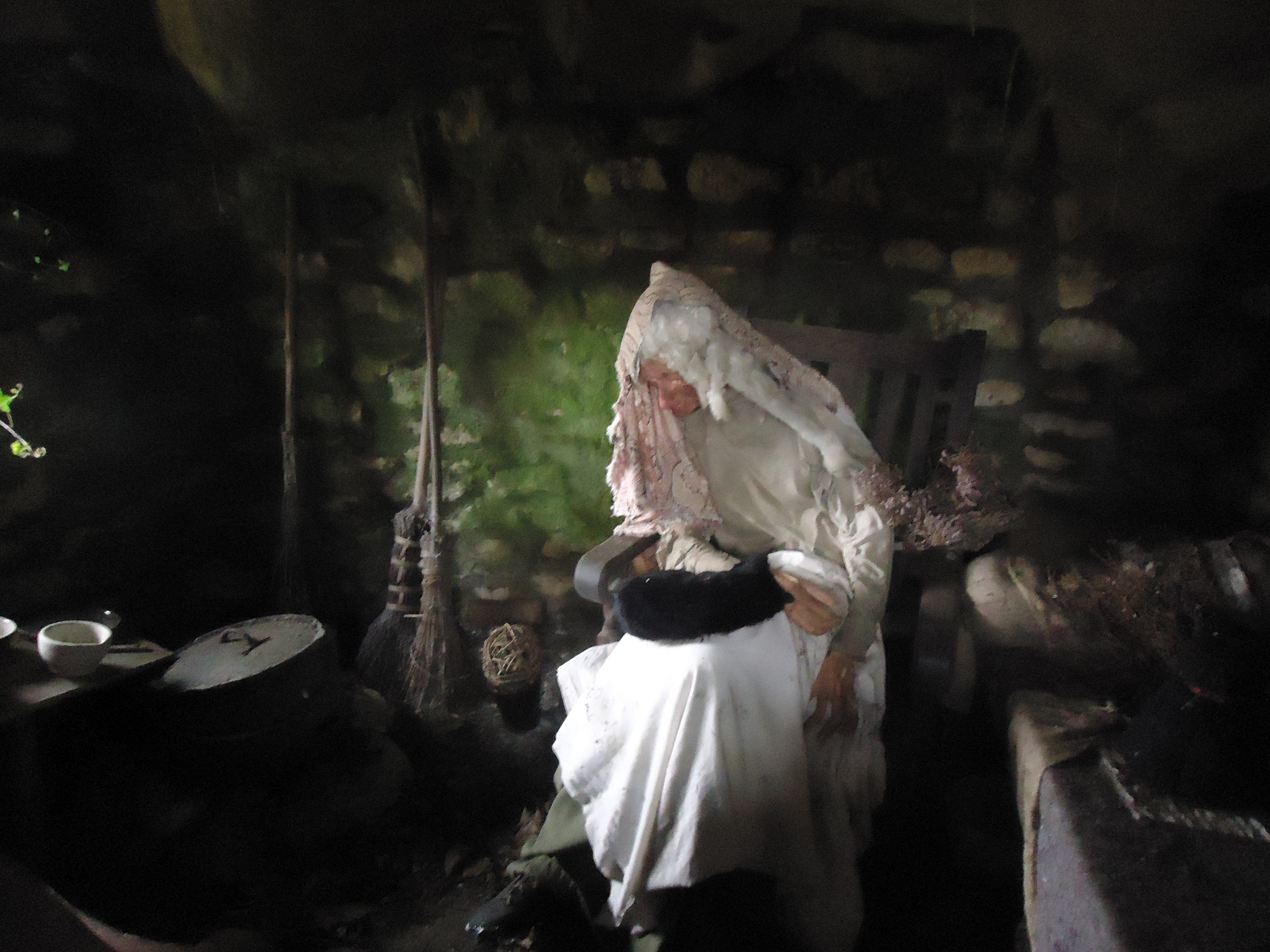
 “…she never was a witch. She never traded potions, poisons, or spells; she was just a wise woman who knew how to survive off the land. She believed in a god, whether it was the God or a greater spirit, or a mother of all the earth, but her instincts were acute.” Mary Underwood in ‘Secrets’

However, ‘Wise-Women’ deserve a place of their own in history. They aided their communities since the Middle Ages and could often be held in some regard and notoriety. Which is perhaps why they were so heavily hunted by radicals in the Reformation. When their ‘patient’ died opinion could turn against them quickly. Mary Underwood describes her grandmother’s life in Ireland to her daughter Imogen:

“She lived in a small cottage with a peat fire. It was not as comfy as this one, but I loved it. She was full of tales, and she knew how to read the seasons, use the plants, see beyond the obvious and I so wanted to be like her. The local folk used her potions, asked about what they should do – she was wise and kind. She even knew her letters and taught me as I have taught you.” Secrets

Medicine, in its early development took place in cities and towns and was purely the province of men. The term ‘doctor’ was not used for people who healed outside of universities until the 19th century.

In the rural parts of the UK, healing was down to these ‘wise-women’. They were people who would create remedies from things in the local landscape: plants, animals, water and minerals such as salt.

rowan tree cross

Hence, vicar’s wife Ruth Arrow’s comments, that lingered with her son Micah:

“Micah’s mother had forbidden him to ever go near the Underwoods, the ‘wise woman’ who used plants to heal. They were considered ungodly ways…”

Traditionally the cures were passed down from mother to daughter and the results shared with the local community.

As scientific knowledge of the human body was very limited, these cures sometimes became known as charms or spells. Terminology that later became very dangerous for these women.

Even when being a ‘doctor’ became a paid job, in the rural areas the citizens would still turn to the local ‘wise-woman’. She could be paid through a barter system and was trusted – until something went wrong!

old-wise-woman-

These practises continued into the rural areas until into the twentieth century and the advent of the NHS to varying degrees. The practitioners ran the risk of being turned upon by those they treated. This could mean being isolated or being physically attacked.

Just as in today’s homeopathic treatments, many of the old ‘cures’ would be able to help common ailments, particularly when diets were much more limited than they are today.

You can read Mary’s story in Secrets, available on Kindle and KindleUnlimited.

The beautiful abbey ruins of North Yorkshire… 

The beautiful abbey ruins of North Yorkshire 

Henry VIII is perhaps most infamously remembered for his treatment of his six wives. However, this king changed a nation by separating his country from the power of the Roman Catholic church and proclaiming himself head of the Church of England, in 1534.  Two years later the Reformation in England took a more profitable turn for Henry as a destructive and brutal phase began with the dissolution of the monasteries.  

North Yorkshire has many majestic reminders of the magnificent abbeys that once served and dominated local rural life: Rievaulx, Whitby, Fountains, Byland, Ampleforth and Mount Grace Priory to name a few. 

These are fascinating ‘places of interest’. They inspired many during the years they were inhabited and – in a non-pandemic year – are visited by many people now who soak in their history and sense of peace that their lovingly tended sites exude. 

Life in days gone by can be easily imagined; both harsh and cold and yet their lives encouraged selfless devotion whilst supporting their local community.   

Often constructed in beautiful rural surroundings of agricultural land, woods and moors. They would grow crops and raise animals to feed themselves and create profit from a trade, the land they owned and tenancies. The monasteries owned a quarter of the cultural land within the country – a vast wealth and Henry was a man who needed to fund his own lifestyle and wars. 

Their majestic ruins have influenced and inspired some of the scenes with in my novels such as Georgina’s escape in Betrayal, Beth’s and Willoughby’s earnest discussion under the arches of Whitby Abbey in To Love Honour and Obey or Wilson’s hiding place in Dead to Sin. 

Whitby Abbey

In my most recent novel ‘Betrayal’ Lydia Fletcher is part of a rescue of her friend within the grounds of one such building: 

 The monastery’s stone walls slowly emerged before her – a testament to their ancestors’      achievements and faith. This sanctified place once filled with holy praise, was now losing the fight against the ravages of time as they crumbled back to the earth. Encased within the lush undergrowth it had not been revered for centuries. 

In the novel the ruins are being used by a band of smugglers who dress as the monks of old to keep the superstitious locals away. 

Between the old arches of the ivy clad fallen parapets, moving smoothly through the distant mist, was the distinctive figure of a monk, the ghostly habit covered by a dark hooded cape. Kell looked to see what had caught Jeremiah’s attention.  

“Souls of monks, long gone… they got no truck with us… so dig!” he ordered. Kell stared at him. Both Lydia and Jeremiah watched the monk disappear once more into the forest. The boy’s mouth hung open as the shovel fell from his hand. 

The Pilgrimage of Grace in 1536 consisted of 30000 strong rebel army from the north demanding that the abbeys be reopened. They were promised a pardon and a parliament on York, but once they disbanded their leaders were executed. In 1539 the larger monasteries also fell. Those monks who would not conform were also executed. 

The abbeys were hugely important to the life of the people in the area. Their battered walls and fallen arches are now preserved for all to discover and admire. 

IMG_20210611_221742_609

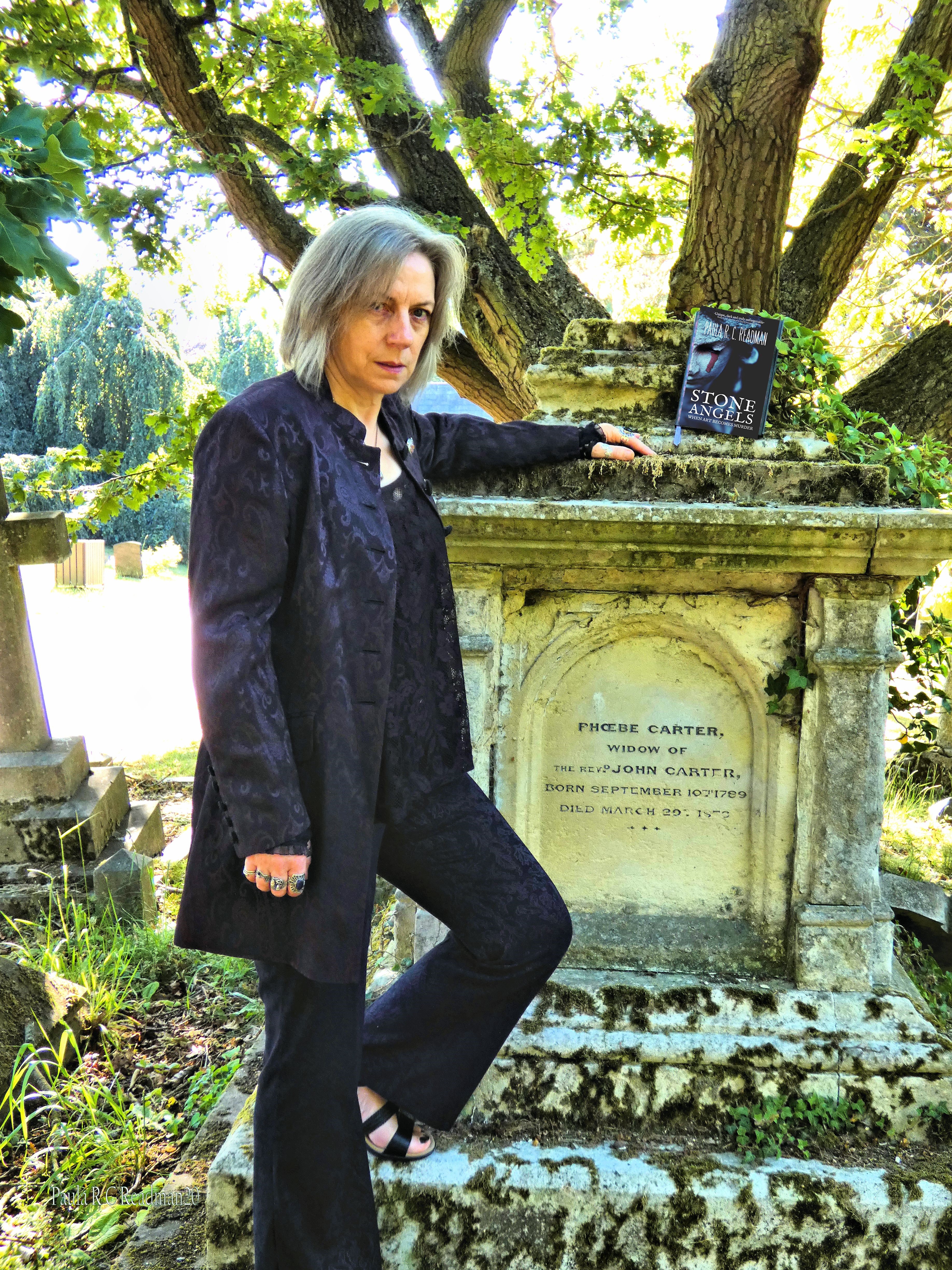
Meet prolific author, Paula R C Readman!

Paula R C Readman 300520 (1)

Welcome, Paula

What are you currently working on?

At the moment I have two projects in the pipeline.  A follow-on novel to my novella, The Funeral Birds, a tale about a failing detective agency run by Dave Cavendish and his side kick, a sixteenth century witch called Granny Wenlock who’s his ancestor. 

The follow –on novel, As the Crow Flies I’ll be exploring more of Granny’s background as well as giving the characters a new case to solve. The novel allows me to bring together two interesting timelines. My problem at the moment is how to make the flow of the plot work as the timelines shift.

My second project is a 7k short story for Black Hare Press Alice 13. It is thirteen different stories, in thirteen different genres all featuring Alice from Wonderland. I’ve written the plot idea, a synopsis and the first four pages. The deadline is allowing me plenty of time to think about it.

As my new novel is flowing nicely I want to focus on that for a little while before finishing my Alice story.       

 That sounds fascinating! Your work crosses different genres. Which came first?

I’ve always loved a good mystery. I think my love of mysteries comes from my love of history. At school I loved learning about ancient history.  We can only imagine how different the world must have been to our ancient ancestors. We know how most things work as science has shown us the key to all life, but to the people in the past it was a real mystery.

A mystery in fiction can cover a wide range of genre from romance to crime novels. I don’t write romance, but I do enjoy writing a wide range of genre from gothic ghost stories to Sci-fi tales.   

 Do you switch from one project to another to stay fresh?

All the time. When one deadline appears on the horizon I will stop and focus on that one and complete it. It gives you the break you need to see any typos, plot failures or weaknesses as well as sparking fresh ideas. When I return to a project I re-read the whole of it before writing more.      

 Do you plan out a story first with a detailed synopsis or work organically, allowing the plot to develop on the page.

A bit of both really. I normally have an idea of the beginning and the ending, so it’s a case of getting from A to B in the most interesting way. With books, I tend to create a paragraph of the overall plot and work out who is the best person to tell the story. My synopsis is written once I’m half way through writing the first draft. You can’t know your full plot until you’ve written the first draft because everything is very fluid when you initially start. 

 Do you begin with an idea of the plot, a character, a setting or does it vary depending upon genre?

I normally write a rough plot idea down, and then work out who my main character will be, along with the setting, timeline whether it is a short story or novel. Once I have the opening paragraph then I’m up and running. As the plot line develops so I add new characters and write up their background. I keep adding important information to a file like the type of car my main character is driving, hair and eye colour etc. I don’t spend time writing a detailed background sheet before starting because none of it may be of relevance to my storyline.   Do I really need to know what school my serial killer went to in my 5k word short story before writing it unless it is relevant to the plot?

What is your work schedule like when you’re writing?

My best time for writing is just after I’ve woken up. My mind is fresh and sharp and I can get quite a bit written. New ideas flow easier and I can pick up typos too. My husband is normally up early for work, so I’m at my keyboard at 4.00 in the morning.

 That is really impressive! Do you ever write real life experiences into your work?

All writers do through their emotions. No experience whether good or bad is wasted as it all feeds into our writing whether we like it or not. For our characters to be three dimensional we need to use all of our life experiences, which have made us rounded people to create them.  

What was your hardest scene to write?

I wrote a short story called The Meetings which tells of two people meeting in a park. The narrator is the park keeper.  Through him we learn about the couple, but there’s a twist. It touched a real nerve with me as I wrote it not long after my father passed away.

The story was rejected by People’s Friend Magazine but went on to become an overall winner in a writing competition.

How long on average does it take you to write a book or novella?

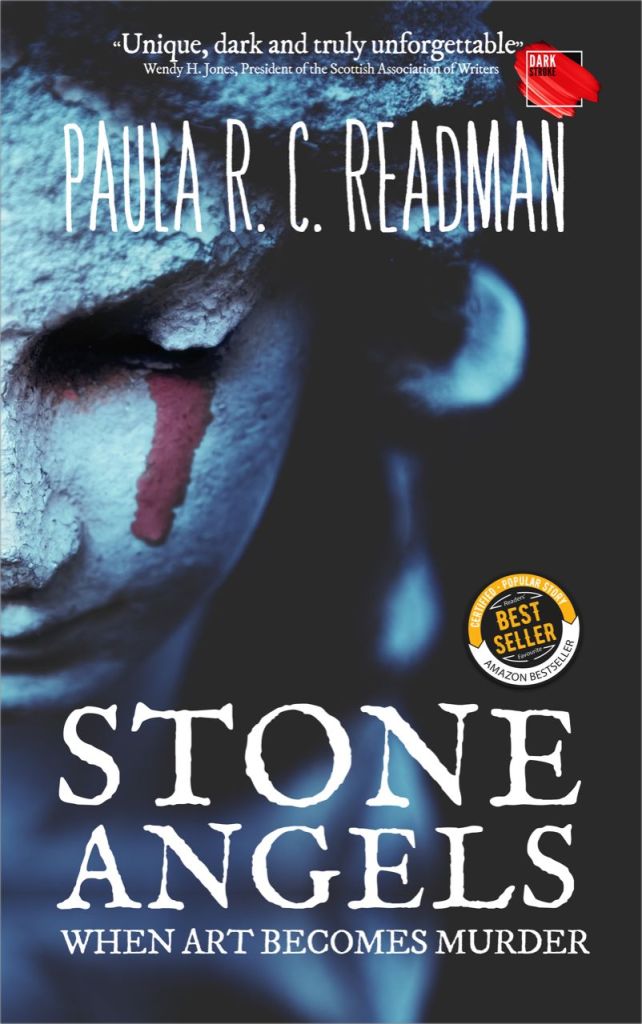
Oh goodness, how long is a piece of string? Too long in some cases, right? I have eight novels sitting on my computer in various stages of completion. Since I have been writing over 18 years and have only had three books published I’m not 100% sure how long each novel has taken to write. Stone Angels took me six years in total and then another eight months of editing.  In those six years, I lost my mum and life got a little crappy too.  My novella took a week to write but sat on my computer for a long time until the right submission call out came along. 

How have you coped with life in the pandemic?

Quite well. I was already in self-isolation as I was busy editing. So I’ve just continued doing what I was doing. My husband and I are missing travelling to Whitby for the Goth Festivals and I didn’t get my book launch I always dreamt of doing. Unfortunately, I lost two dear friends last year which dampened my excitement at seeing my work published.   

I so miss travelling in North Yorkshire and Whitby in particular. I wish you every success, Paula, with all of your projects and look forward to learning of your next publishing deal.

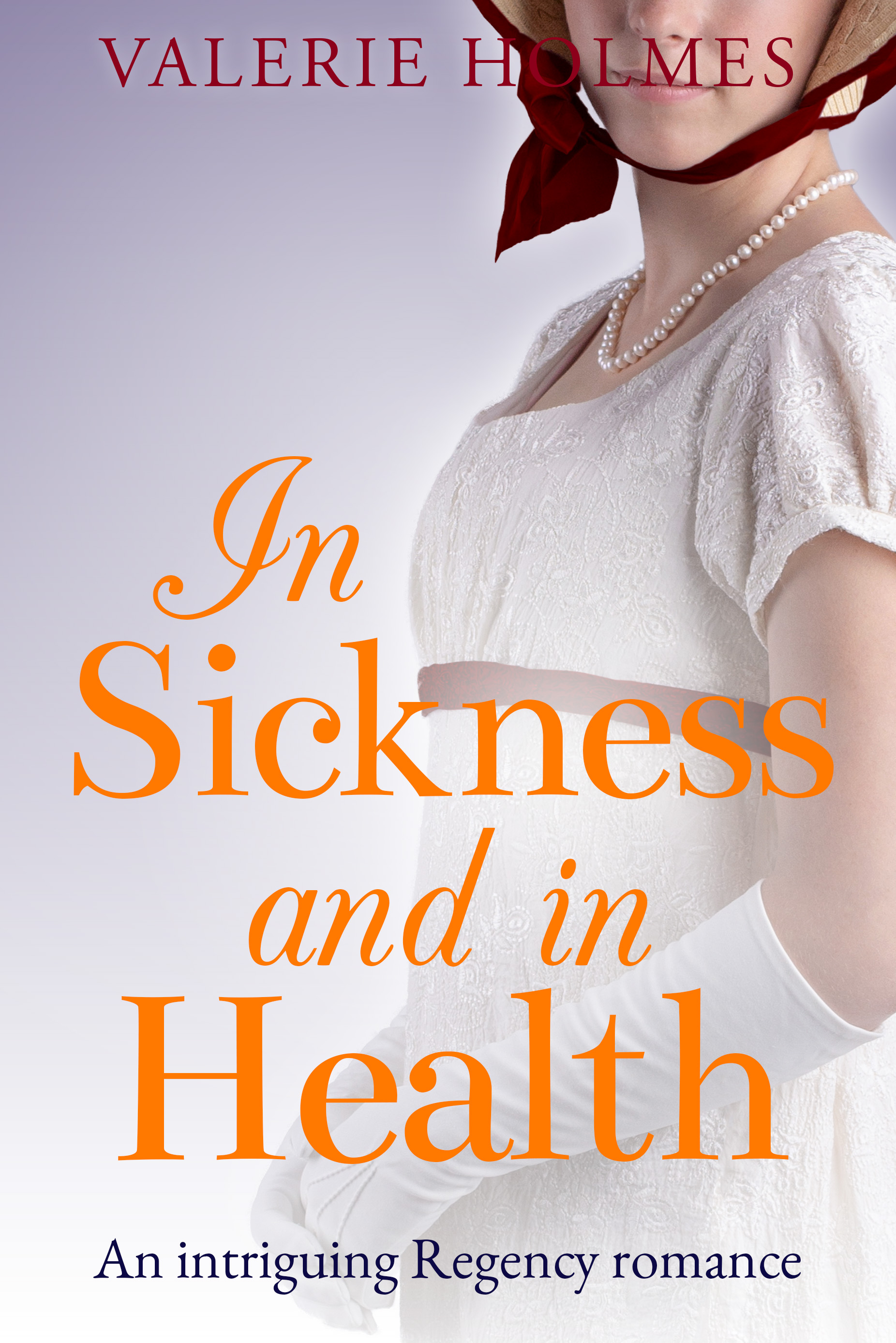
In Sickness and In Health

In Sickness and in Health
Class prejudice is inbuilt within our culture going back centuries. In In Sickness and In Health Sophia and Isaac are meant to be together, but like so many people whose love was thwarted within the early nineteenth century, propriety, social divisions, war and need prevented this from happening.

Survival of the under classes depended upon their good health and equally good fortune as there was no health care, and knowledge of the human condition was limited, superstition and trial and error were rife. Therefore, being healthy to provide a living was essential. Isaac can provide for Sophia through his good fortune and hard work, but will not be a ‘cripple’ and a burden to her.

He and Sophia are a love match. However, he would not have dared approach Sophia if she had not been so open and honest with her desire for him. Naivety and youthful passion resulted in Isaac being sent away; his father dies in his absence. Yet, Joshua was forever proud of his son and would only wish Isaac happiness with Sophia.

Love finds a way, but at a high cost.

I have always been fascinated by the major changes that happened in the early nineteenth century. It was a period of great conflict and change: a time of war, pressgangs, and extreme social, agricultural, religious and political changes. All these impacted on the ordinary people who were left behind, whilst the wars with Napoleon dragged on.

The countryside was changing as mills were being built and cottage industries suffered, along with their communities. The population gravitated to these places of work and life in the countryside changed.

The government taxed its people harshly, whilst still fearing the possibility of a revolution as had happened in France. It was hardly surprising then that smuggling and opportunists abounded, yet in plying the trade they gave coin to an enemy. Some gangs were known for their violence, others were less so and merely supplied a ready market that crossed over social rank and was often funded by a moneyed man.

With the onset of the Industrial Revolution, Luddite activities and the growth of new money, lives were changing and the old money was feeling threatened.

In the cities ‘society’ had strict rules: influence and connections were so very important.
In my books the settings are more remote. These influences mean nothing when a character is dealing with survival, either their own or someone who they have met. So boundaries are crossed, rules of society are broken or are made irrelevant.

Most of my titles are set in an area of the country that I love: North Yorkshire, with its beautiful coast and moors.

My villages of Beckton and Gorebeck are based upon typical North Yorkshire market towns, such as: Guisborough, Yarm, Thirsk, Helmsley. By 1815 both have their own small mills situated just outside the towns.

This slideshow requires JavaScript.

Ebton is based on the well known Victorian town of Saltburn-by-Sea,only my version is as I imagine it to have been at the turn of the nineteenth century.

Love is a timeless essential of life. Throughout history, love in all its forms is a constant: be it passionate, caring, needy, manipulative, possessive or one that is strong enough to cross barriers of culture or faith. When two souls meet in a situation which takes them out of their normal social strata or into a shared danger, a relationship forms as the adventure unfolds.

If you have enjoyed reading any of my titles I would really appreciate it if you could take a moment to leave a review either on Amazon or Goodreads, or wherever you wish.
It is helpful to read feedback and I am always interested in what my readers think, or would like to read next.

Stay safe in these difficult times everyone wherever you are in the world!

If you are a new writer or need advice on a work-in-progress I also offer an independent manuscript appraisal service and/or mentoring, always aiming to give constructive and professional, honest feedback. I have worked as a creative writing tutor for over fifteen years. You can contact me here for information and fees.

Whitby: unique, beautiful and historic

dsc01587

The historic maritime port of Whitby conjures up a myriad of images that connect people through time to this beautiful ancient town.


From the iconic Abbey ruins atop its headland, reminding us of its Christian heritage, to the harbour below where the Esk flows into the sea, a booming whaling industry thrived; now it is a tourist magnet and thriving community.

The existing Whitby Abbey ruins date from the Norman period when Benedictine monks founded a new abbey on the site of the original, which had been destroyed by Viking raiders in 867 AD. The order and abbey was to be destroyed and dissolved by Henry VIII.  However, it is the original abbey that holds its lasting place in history, founded by Oswy, King of Northumberland in 657AD and associated with St Hilda. The Synod of Whitby, which was held in 664AD, was noteworthy as Celtic Christians lost the debate with Roman Christians on how the calculation of Easter would be made, the effect of which we still feel today.

Whitby as a settlement can be traced back to the Bronze Age. Brigantes, Romans, Saxons, Vikings all played their part in the town’s development, but it was the abbey that first made the difference between a settlement and the town it would become, between the mid-C18 and C19, a thriving maritime port.

lovehonourobey
The Yorkshire Saga #1

The Alum industry in the C16 century also played an important part in the growth of the importance of the port. Alum was an important fixative used in the dyeing of cloth. The remains of such a works can be explored at Ravenscar further along the coast. In To Love Honour and Obey this is mentioned, as the fires and smells of the process polluted the coastline at the time. Modern methods of production made the century old methods of alum production obsolete, but in the early C19 it thrived.
From the mid C18 to mid C19 the port was an important whaling, fishing, boat-building, rope and sail-making harbour with many associated industries prospering alongside.

One of these ‘trades’ was smuggling and the narrow alleyways and snickets were excellent for moving contraband through the streets unseen to the prying eyes of the customs or revenue men. Another use for them was for young and able men to dodge the pressgang should one dare to come by.


This slideshow requires JavaScript.

Today Whitby is a bustling town where freshly caught fish are savoured in the many restaurants and inns. Whitby crab is delicious.

The White Horse and Griffin is a restored C18 coaching inn on the east side where Charles Dickens once stayed. The cobbled yard to its side, and the style of small brick out houses further along hidden in one of these yards, inspired the bath house where Willoughby takes Beth in The Yorkshire Saga series Book 1.

The visitor can take a trip out of the harbour and see for themselves the view many a returning sailor would have seen, as the church on the headland welcomed them home.


Whitby has many historic sites and buildings to explore, a myriad of gift and crafts shops. It also holds a number of popular festivals including the very lively and colourful Whitby Folk Week, the dramatic costumes of the Whitby Goth Weekend and even a Pirate Festival to name but a few.

The famous cartographer and explorer, James Cook, lived at his master’s house in Grape Lane in 1748 at age 18 as he served a merchant seaman’s apprenticeship.  The house is now the home of The Captain Cook Memorial Museum and is well worth a visit.

Sir William Scoresby is another famous native who invented the ‘crow’s nest’ to protect sailors, and his family’s legacy to the town and whaling industry is also celebrated within the town’s museum.

After the mid C19 the whaling industry and shipbuilding trade died down but a new invention, the railway, arrived and the town on the west side of the Esk developed to accommodate guests in fine hotels. This railway accesses the beauty of North Yorkshire NYMR such as Goathland, Grosmont and Pickering; some of the locations were used in TV’s Heartbeat series and Harry Potter. It is a really beautiful journey to take.

One of the guests who stayed here was Bram Stoker. This gave the town a connection to his famous work ‘Dracula’.


The 199 steps lead up from Church Street from the C15 cottages to St Mary’s church at the top and the abbey beyond it. The church inspired another scene within To Love Honour and Obey because of the unique box pews and the gallery above. The setting, building and views from outside this church are well worth a visit.
When Queen Victoria went into a long period of mourning, another of Whitby’s industries thrived; that of Whitby Jet. The Jurassic period’s fossilised remains were mined and skilfully crafted into jewellery. Once the fashion changed, and association to death dulled its popularity in the early C19, demand faded, but not completely as it has regained some popularity today.


Whitby also features in For Richer, For Poorer as Jerome and Parthena escape their pursuer in a Yorkshire coble. The harbour would have been busy with many vessels leaving from the steps at all times of day and night to catch the tide.


The Yorkshire Saga series is set against the beautiful setting of North Yorkshire weaving fact and fiction, real and imagined towns along the coat and moors.

Untitled design.png

Aunty Mary’s Rhubarb Crumble


The humble rhubarb has gone from being known as an ancient cure, to a favourite British dessert, to one that post WWII fell from grace. During the war years the price was controlled so that everyone could afford it and many, like my Aunty Mary learned how to use it in a variety of recipes from tarts to Rhubarb and Ginger Jam.

This article looks at the ever popular Rhubarb Crumble.

So what is it and how did it come to be linked so strongly with Yorkshire?

It is a large leafed herbaceous perennial growing from rhizomes – a vegetable, the stalk of which provides vitamins K and C but lacks sweetness and so is low in calories. However, the leaves are high in oxalic acid which can damage the kidneys.

DSC01631

Because it is not sweet sugar is used in recipes and this will affect some of the benefits eating the stalk can bring, when cooked properly. It is thought to have been used as far back as 2700 BC as a medicine. Claims that it could treat gut, lung and liver problems kept it popular. In recent years it has come back into fashion and there is still a Wakefield Rhubarb Festival held in February.

Rhubarb was a native crop in Siberia growing on the banks of the Volga.  Marco Polo is attributed with bringing it to Europe. In the seventeenth century it is claimed to have been more valuable than opium.

The Yorkshire Rhubarb Triangle began around 1877 when the method of forcing rhubarb was brought to West Yorkshire. Forcing had been discovered by accident in the Chelsea Physic Garden, London, in 1817, but the conditions of the sheltered area  between Leeds, Wakefield and Bradford in the shadows of the Pennines provided a perfect growing environment. The rain, cold and the high nitrogen available from ‘Shoddy’ – a by product of the successful woollen mill industry that also thrived in the area – all helped. The Yorkshire coalfields provided an ample supply of fuel to heat the sheds needed to grow the crop in the dark. Then excellent railways in the region linked to London and Covent Garden market as well.

Forced rhubarb was grown in sheds and the first crop early in the year was said to be the best.

The following recipe is for a simple dessert and not a health recommendation for this unique rhubarb crop.

When picking rhubarb go for early and straight, thin colourful stalks. If the stalks are limp they are not fresh. Later in the year you might need to strip off the tougher outer layer before cooking.

Ingredients

6 Stalks of rhubarb
Two teaspoonfuls of ground ginger
1 level tablespoon of Demerara sugar

For the Crumble

7 oz  unsalted butter
7 oz golden caster sugar
14 oz plain flour

Method

Rub butter and the flour together until crumble is fine. You can substitute some flour with oats to make the top crunchier.

Add in the sugar (to taste).

When finely mixed it should clump together when squeezed once and fall apart again a separate time.

Leave in the fridge to chill.

Top and tail the crunchy stalks of rhubarb.

Either soften in a pan with a knob of butter and the ginger and sugar until softer, or bake on a tray in the oven on 170C for ten minutes.

If the pan method is used, drain off some of the fluid. If the oven method is used then transfer to the serving dish once the rhubarb has been tested to make sure it is tender.

I would love to receive any other original recipes for the versatile and unique rhubarb.