A Woman’s Options in Regency England.

1811-1820

“It is always incomprehensible to a man that a woman should ever refuse an offer of marriage.”

Jane Austen, Emma

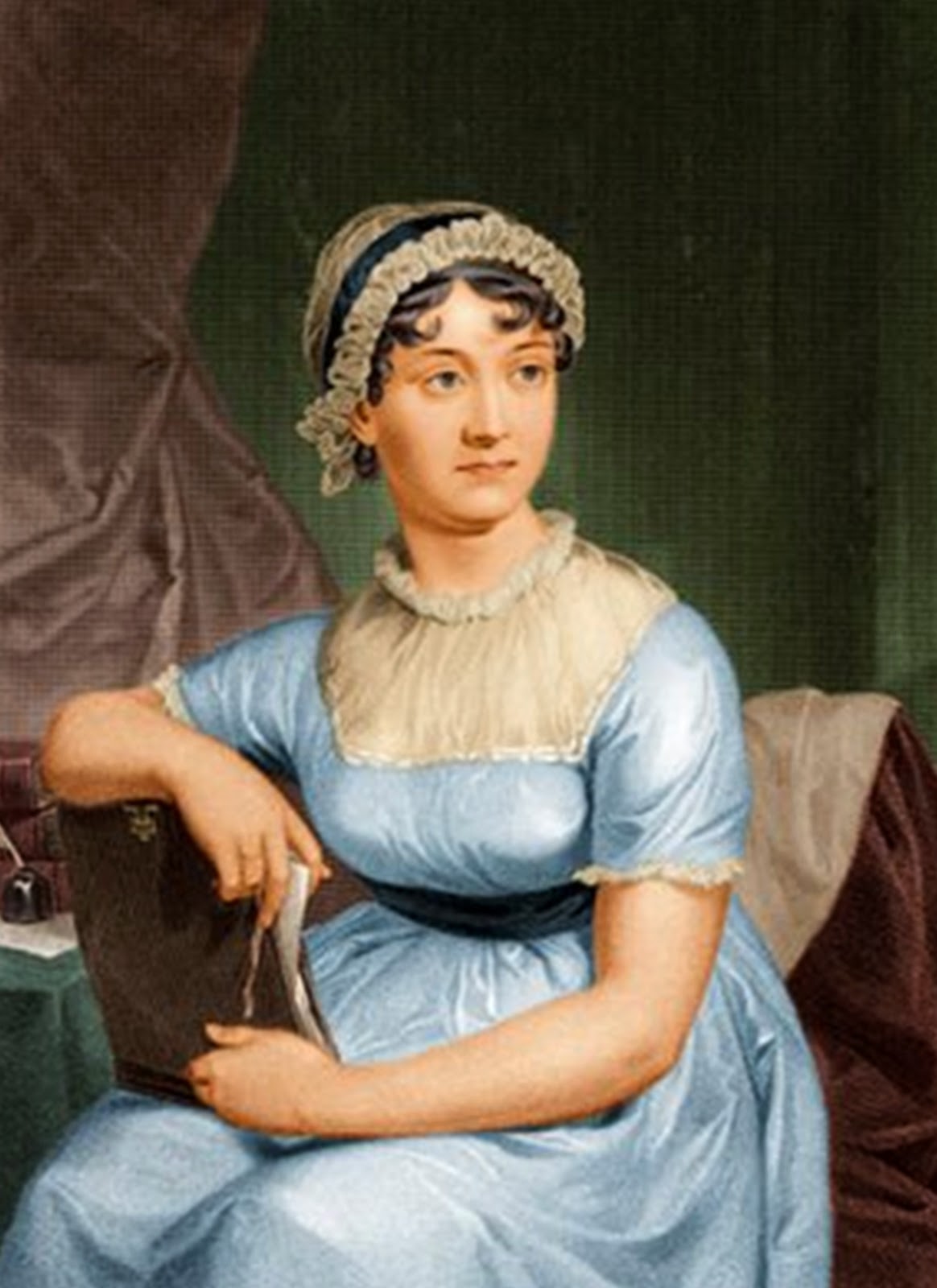
Jane Austen

When George III was declared unfit to function as monarch his son, the Prince of Wales, became the Prince Regent. George the younger had little interest in politics, leaving the wars with France to the politicians, whilst he indulged his friends and himself with a lavish lifestyle of elegance and fashion. The Ton – from the French phrase ‘le bon ton’ meaning ‘elegant style’ represent the fashionable society of London – an elite group. The divide between the extremes of the rich of Mayfair, London, and the poor of St Giles, living in the city slums, could not have been more dramatic.

In Parliament seats in the House of Lords were inherited and in the House of Commons could be corruptly bought, so the working and fighting man and the women who relied upon them, who made up most of the population, had little representation to improve their lot. My stories are set in the north of England away from the Ton and Parliament, but life was influenced by their wars, laws, and taxes.

In the above quote Jane Austen expressed a commonly held view, because women of the time had few legal rights as their lives were basically controlled by men.

Upper- and middle-class single females, under the age of twenty-one in England and Wales, were usually dependent upon their father or nearest male relative. If their male relatives were honest, caring, and loving family members then amicable matches secured the future of both parties, in hopefully wedded bliss, once the dowry, pin money, inheritance and jointure, in the event of death of the husband, had been legally agreed.

Book 2 http://getbook.at/ForRicher
Book 2

However, fiction requires drama and conflict to spark a good plot, driven by engaging characters. It also reflects the unpalatable truth of the past.

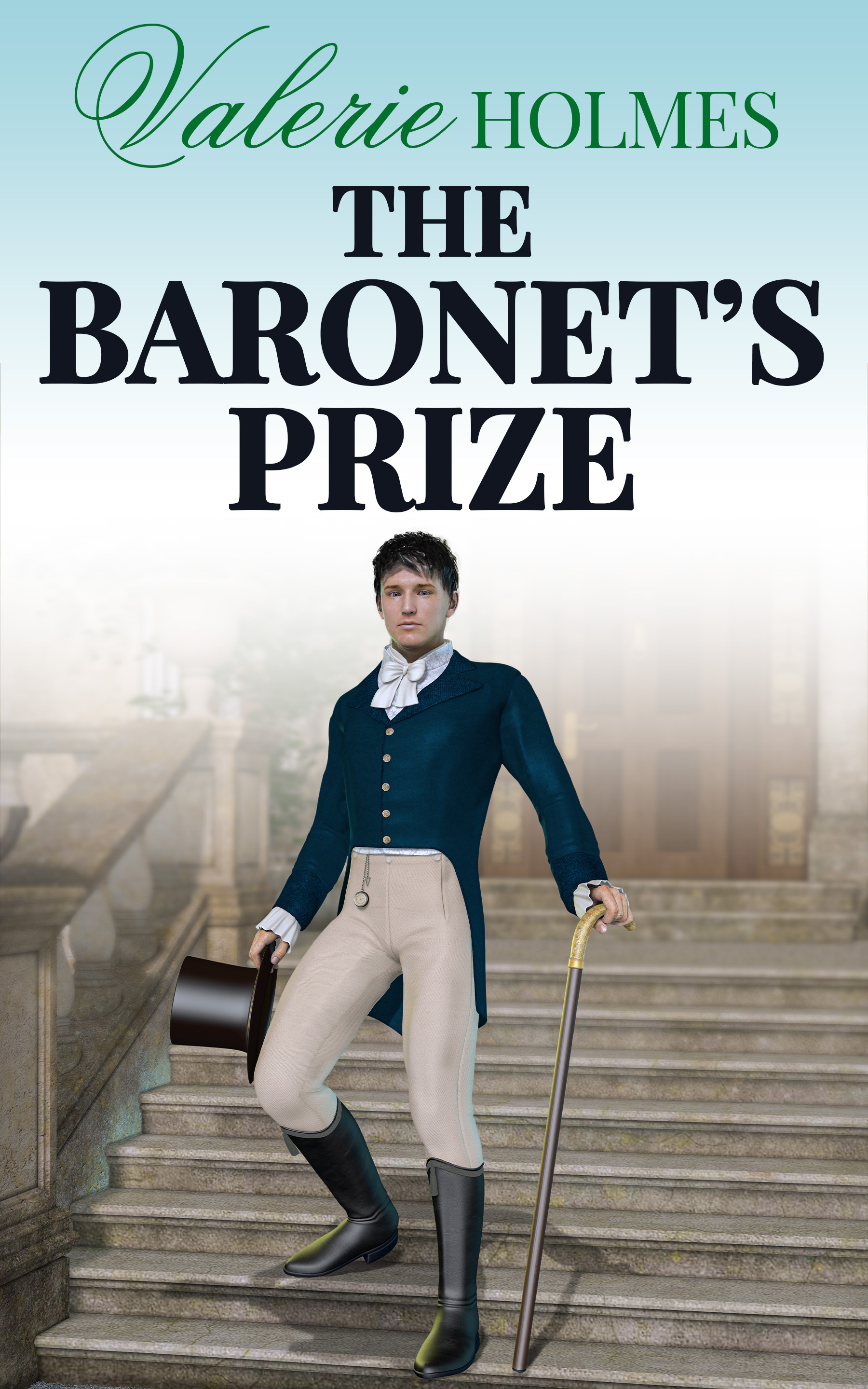
If their male relative were greedy (For Richer, For Poorer), an irresponsible gambler (The Baronet’s Prize) or an overbearing parent (Hannah of Harpham Hall) then the young woman would have few options, left to her own devices unless they had the help of a hero, or a woman of independent means.

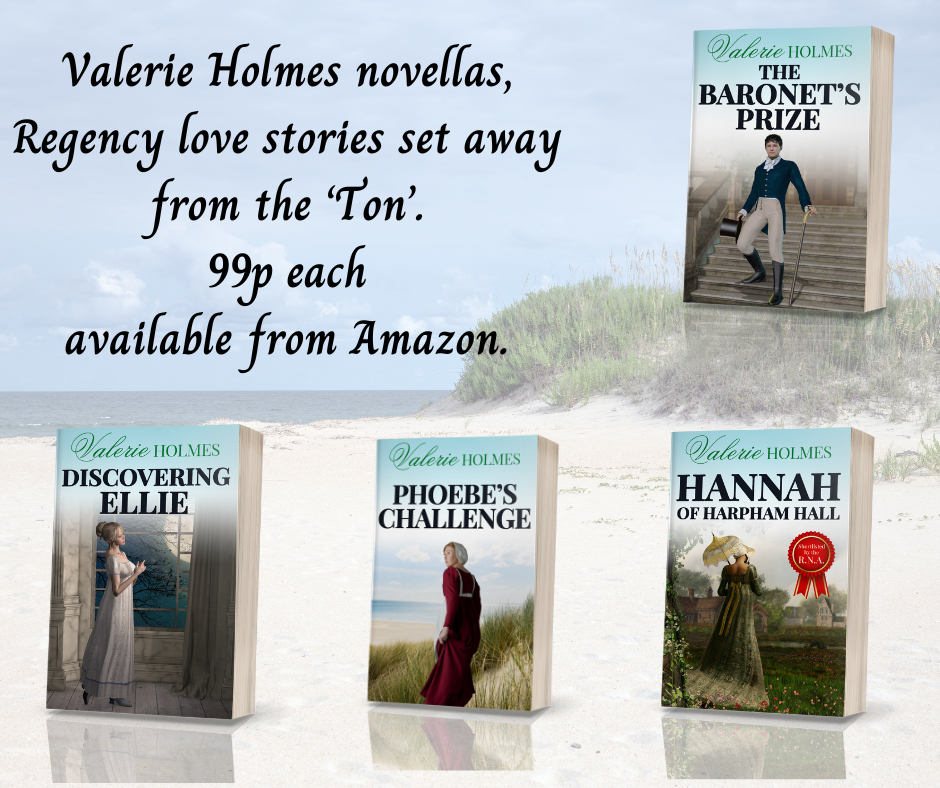
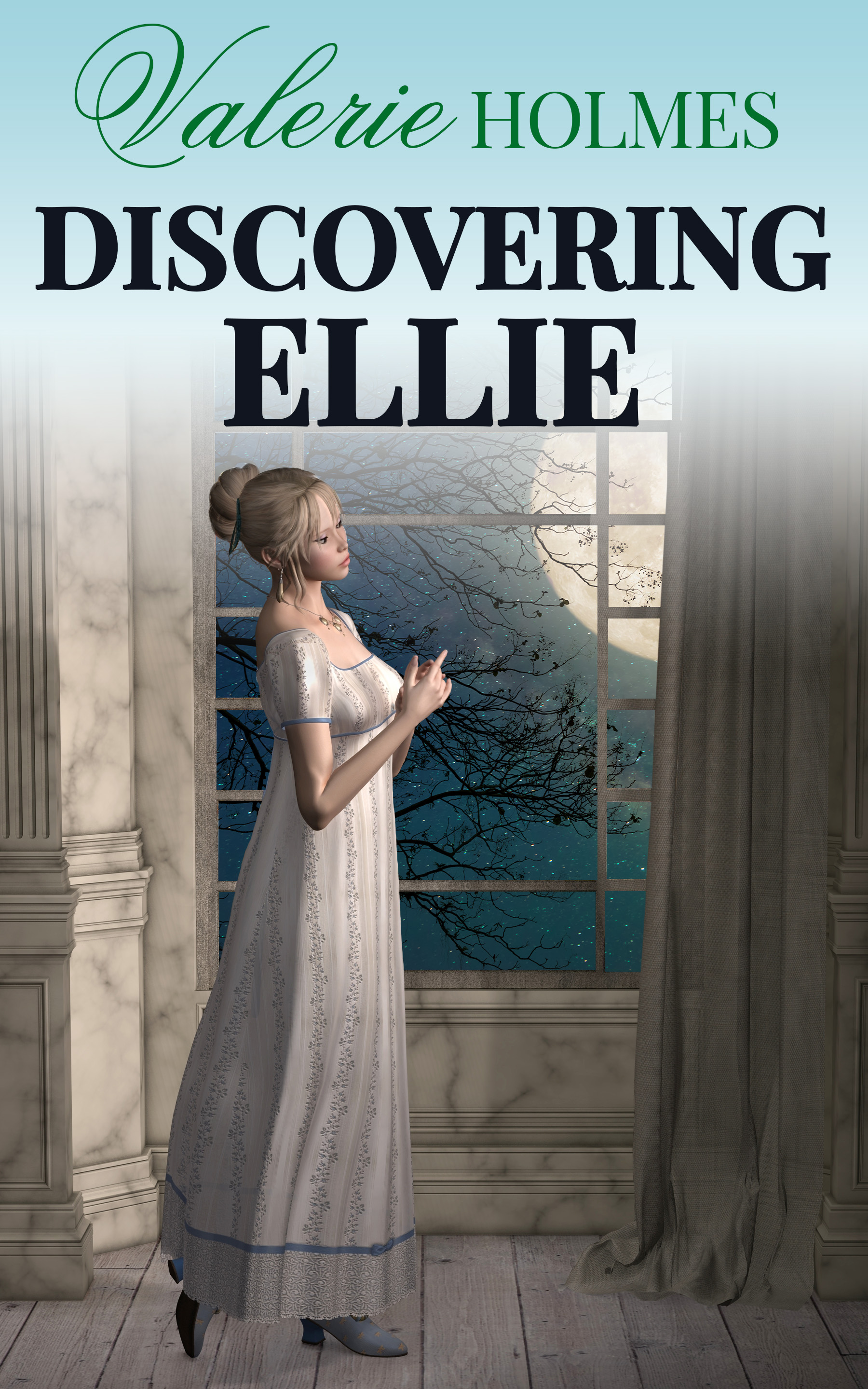
baronets prize (2) (1)When Ellie (Discovering Ellie) is faced with a marriage match, she tries to diplomatically decline her aunt’s intentions without causing further conflict…

“I am not worldly, Aunt. I cannot think how I could make such a man happy…”

Mrs Hemming laughed. “Well, we agree on one point at least, you cannot think!”

Ellie ignored the insult and continued in her conciliatory tone. “I fear I would only annoy him. Therefore, I wish to politely decline this marriage proposal, discreetly of course, before it is made public. I do not want to cause further embarrassment to anyone. Then he would be able to find a more suitable companion, equal to the task.”

Ellie is completely dependent upon her aunt’s charity until she turns twenty-one. This dependency drives the plot,discovering ellie as Ellie must discover who she is, why she has a recurring nightmare, and how she can avoid a match that is being arranged ‘for her own good’ before it is publicly announced. This latter point is especially important because once it was made public, to break such a legal proclamation would be considered scandalous. Ellie is naïve and knows little of the law, or of the greater world, as many young women of the time.

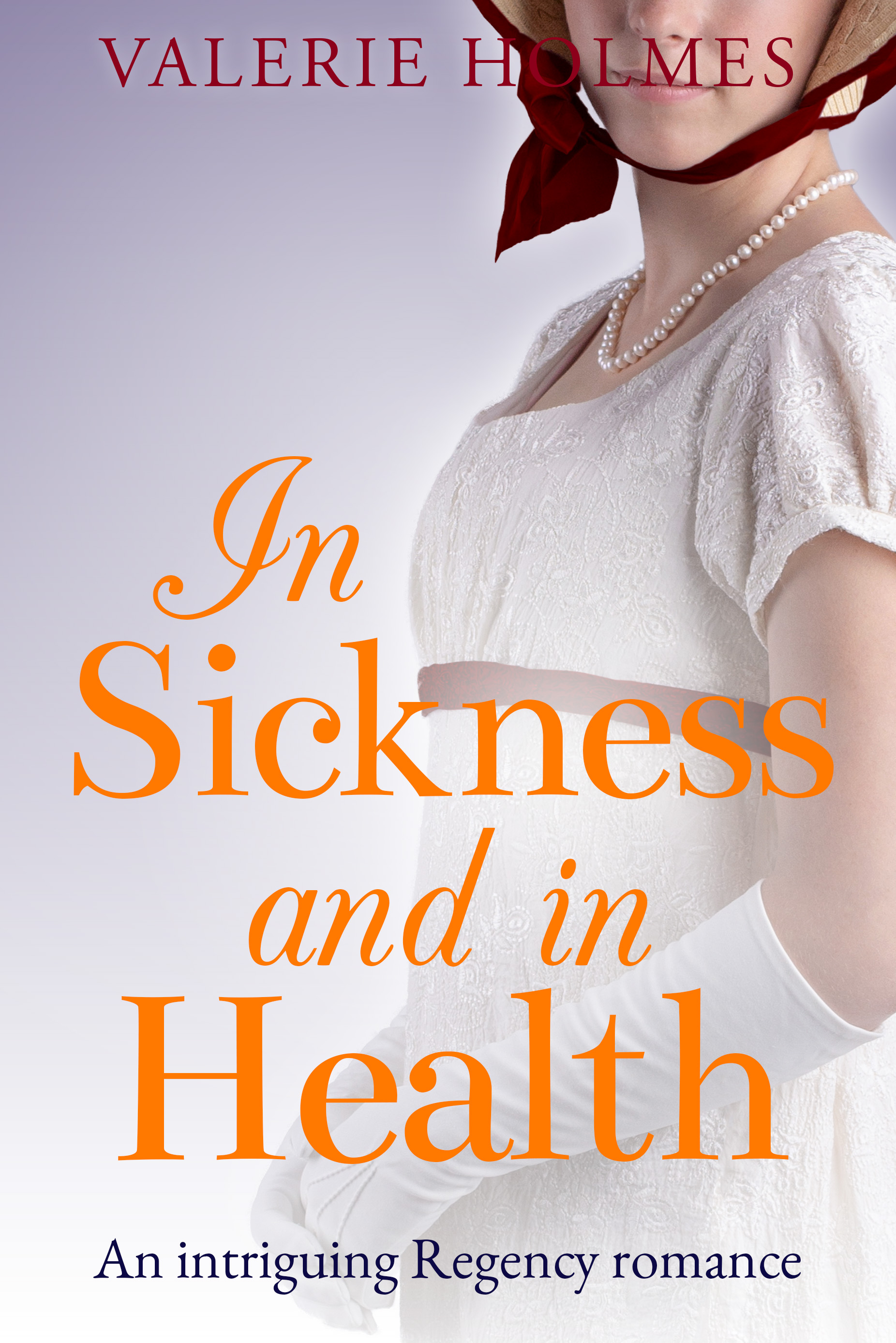
In Sickness and in Health
Book 4

In a situation where an engagement is made between two people if broken, then it could result in a legal action of  ‘breach of promise’. At the very least a reputation could be tarnished or destroyed as happened with Lucas Huntley – In Sickness and in Health.

In England, the Marriage Act of 1753 declared both parties had to have their parents’ consent if under 21. However, in Scotland this was not the case, hence the rush for elopements to the nearest place to wed north of the border, such as the famous, Gretna Green, which provided a reason for a mad dash in For Richer, For Poorer.

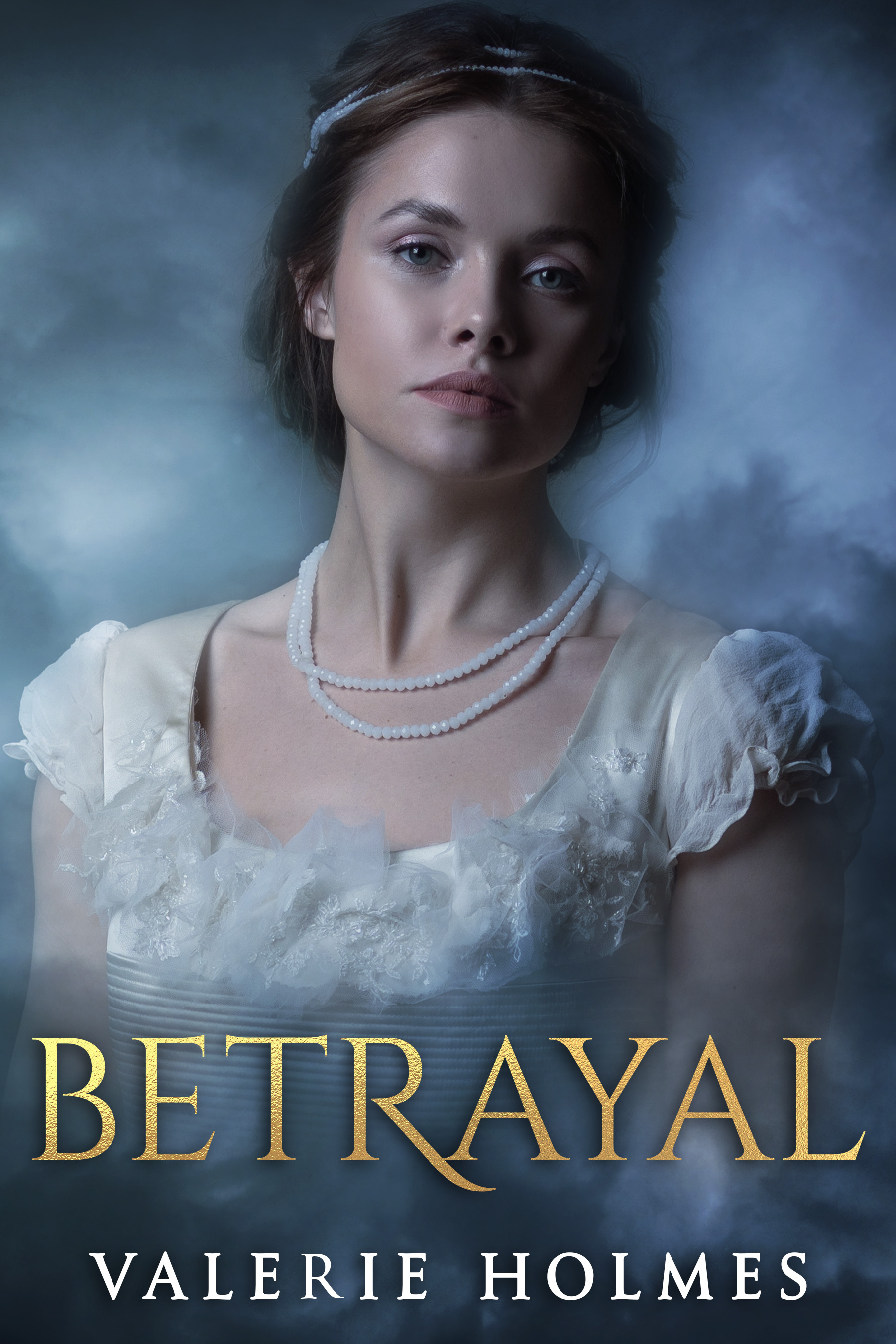
betrayal front (2)
Friends & Foes Book 1

It is often claimed that fact is often stranger than fiction, but with historical facts the trigger for dramatic fiction is constantly there. Although women were ruled by the law, deemed unable to run their own lives, own their own wealth or children when married, deny their husband sex, or have rights to defend themselves when employed, there would have been plenty who questioned why this was so, such as:

“I do not wish them [women] to have power over men; but over themselves.”
Mary Wollstonecraft, A Vindication of the Rights of Woman.

Lydia Fletcher in Betrayal was so influenced. Heroines need to have obstacles to overcome, situations that are a mystery, and the realisation that not all men look upon them in the same light.

Being single by choice was not really an option for a woman, no matter how much she desired to be the arbiter of her own fate. Unless her social status and personal income had been legally entailed and could support her, like the independent Miss Parkes of Penny Manor who befriends Ellie, she would be dependent upon others.

If young women were sufficiently educated, they could try to earn a living as a companion or a governess/teacher, but these were lonely situations with no long-term security. Uneducated or poorer women had less desirable options such as going into service, leaving the cottage to work within the factory or working the land to feed their families. In, To Love, Honour and Obey, Beth is an orphan who has no family or male relative to protect her from the system that was supposed to protect her.

lovehonourobey
Book 1

Prostitution was an option for the truly desperate. Few climbed the social ladder to a happy and long life even as a rich man’s mistress. Although some beauties and actresses managed to acquire rich patrons, such as the exceptional Harriett Mellon, born a pauper in Cork, Ireland but who ended up married to Thomas Coutts of the banking family, who successfully inherited and managed a fortune..

Servants were supposed to be chaste and could be dismissed without reference or notice if they fell pregnant. They were also open to abuse from their employers, as happens to the kindly Georgina in Betrayal. Again, as I write love stories that are aimed to provide adventure and uplift rather than depress, Georgina’s future is much brighter than many a maid who found themselves pregnant and thrown out on the streets without a reference, through no fault of their own.

hannahThank you for taking time out to read my blog and visit my website. Please like or leave any comments or questions below or contact me directly via the form on my Manuscript Appraisal page. If any of the above themes appeal just click the title or cover to be directed to the Amazon page. 

Good News!

Now in Large Print in Commonwealth Libraries or direct from FA Thorpe Publishing

Good news! I do like to share good news… In Sickness and In Health, published in eBook and print by SapereBooks is now available as a traditional large print paperback from @Ulvercroft. Copies can be ordered via Commonwealth libraries. Our libraries have had a hard few years, but there are people who find it difficult to manage an eReader so it is lovely to see this market niche is still catered for.

Welcoming in 2024 with Margaret James!

Margaret James 1A
Thank you, Margaret, for taking time out of your busy schedule as a novelist, journalist and teacher of creative writing to chat to me and share some of your New Year news!
It must have been exciting to end 2023 as a ‘hot new pick’ with your Charton Minster Trilogy, published by Joffe Books. What was the inspiration behind this wartime trilogy?

Thank you for inviting me to be your guest, Valerie. I’m very happy to be here!

The inspiration for the first novel in the Charton Minster Trilogy was the famous Red Cross recruiting poster for nursing volunteers to serve alongside the professional nurses working in the various theatres of operation during World War One. This image has reproduced thousands of times, so I’m sure it must have inspired plenty of other novelists, too.

First World War VAD Recruitment poster | British Red Cross

Are there plans to release more of the series in 2024?

Joffe has acquired the rights to all my novels originally published by Choc Lit, so there are four more books in the pipeline, to be released either individually or as sets.

Creative Writing Matters seems to go from strength to strength. What events and competitions do you have lined up for this year?

At the moment, the Creative Writing Matters team is reading its way through nearly 400 entries for the latest Exeter Novel Prize, which will be awarded in April this year.

Gang of Three

The CWM team:  Sophie Duffy, Cathy Hartigan  and Margaret

Can you give some tips on what makes a competition entry stand out?

Try to open the entry at a point which will get readers asking questions – for example, whose story is this, what does the central character want, how might the central character go about getting what he/she wants?

Let this central character face some kind of challenge.

Be wary of starting a story with a description of the scenery or an account of the central character’s life to date.

If the competition asks for a synopsis of a novel, novelette or even a short story, make sure the synopsis covers the entire story and explains how it ends. Anything else won’t tell the organisers/readers if the entrant can construct a satisfying story. It’s (comparatively) easy to start a story. It’s much harder to develop it and to offer readers a great ending that will live on in these readers’ memories – and also encourage to read the authors’ next stories or books.

What would you say is your perfect writing/teaching balance in life now along with other pursuits?

I shall never achieve a perfect balance in life! Right now, as I explained above, my energies are focused on reading competition entries, some of which are going to need reports. I’ll catch up with my magazine work later this year. As for other pursuits – if you mean hobbies, I’m determined to get my garden into shape this spring. But I say this every year, and it hasn’t happened yet.

CM Trilogy

The publishing industry has changed vastly over the span of your career to date. Are you optimistic about the  dramatic and dynamic current trends?

I suspect AI is going to become a really mixed blessing for writers of fiction. But digital publishing has made it easier for new writers to get in on the action, and commercial publishers are no longer the only gatekeepers, which is good for those who prefer to self-publish.

Thank you for chatting to me, and all best wishes for your continued writing success in 2024!

The New Year often provides opportunities and challenges – if you are an author what are your writing goals  this year?

If you have always wanted to write a novel/novella/short story, but feel daunted or lost as to where to start, then  check out CWM or my manuscript appraisal page where you can submit a query.

All best wishes for a happy and healthy 2024 to all!

Meet, Aneeta, winner of The Trisha Ashley Award 2022!

AneetaSundararaj

I wanted to start my New Year interviews off with a celebration!  So, when I learned that Aneeta Sundararaj, one of my London School of Journalism students, had won The Trisha Ashley Award, I asked her to share the inspiration behind her winning story.

 Welcome, Aneeta,

First, thank you for inviting me to your website, Valerie. It’s much appreciated. I must also thank the organisers for running this competition, choosing my story to be forwarded to Trisha, and to Trisha for choosing it as the winning one.  

You are welcome, Aneeta, and I passed on your thanks to both.

Margaret James of Creative Writing Matters who runs the competition was delighted and explained,

When we first set up the Exeter Story Prize, Trisha asked if we would like her to sponsor an award for a quirky or humorous story, and we said lovely, please do. So, when Cathie, Sophie and I have read all the entries, we choose a few that we hope Trisha might like, and she picks the winner, who gets £200.  Also, anyone can enter the ESP, so Aneeta was up against some very well-published authors, and she did very well to win.

The Weathermen – A Love Letter was based on a conversation I had with my friend, Swagata. I was sharing some of the challenges that I (and many girls I’ve spoken to over the years) faced. When the phone call ended, I decided to write it all out. More than inspiration, writing this story was a form of therapy.

Trisha had this to say,

I loved the quirky and original voice of the narrator in this unusual story.  It was, for me, the knock-out winner and I hope will lead to much more writing success in future.

 So, huge congratulations, Aneeta!

When did you discover a need to branch into creative writing after a successful career as a lawyer?

I left legal practice a long time ago.  I didn’t plan on a full-time career as a writer. I knew it would take me at least three months to find another job. So, I wrote the first draft for The Banana Leaf Men  I found that I liked ‘this writing thing’ and decided to try it for a while longer. I’ve never stopped.

The Banana Leaf Men (Reprint)

You are an experienced writer/journalist – what appealed to you about the challenge of writing for the RomCom genre?

This is a very good question, Valerie. I think that it wasn’t so much a challenge, but more applying all I’d learnt thus far. It starts with my need for variety. For instance, for years, I was a contributing writer for the Lifestyle section of the Sunday papers. This meant learning the art of writing feature pieces. When this sojourn ended, I focused on writing/fine-tuning the novel, which came with its own set of elements to follow. Then, I did something completely different and that was to pursue a PhD which meant returning to writing for academia. Once that was complete, I went back to fiction. This time, I focused on the short story form and creative non-fiction, like a piece called ‘Lord of the Ocean’. This story was about an invasion near my hometown that happened close to 1000 years ago. So, The Weathermen – A Love Letter was part reportage, part academic writing with a huge dose of all the elements of writing fiction.

 What challenges did you find or did the story flow naturally as the idea occurred.

The main challenge was to strike that balance between  having the courage to tell the story, still respect the practices of the East and make it all plausible for a Western reader. Nothing is worse than reading stories about a Malaysian or Malaysians that I don’t recognise. It’s painful! The best example from The Weathermen – A Love Letter is when a spiritual master asked Anjali if she was ‘clean’ to make sure that she wasn’t on her period. I understand the religious strictures at play. However, ask any Indian girl how she feels when she’s asked this question in the presence of men and I guarantee her honest (operative word, here) answer will be a negative one. If she’s ‘dirty’, she cannot step into a spiritual centre or temple and is only good for sweeping up rubbish. We girls are taught to hide our shame, but I often wonder how a man would like it if I asked him, “Are you clean?” My challenge was to write this without causing maximum offence.

Whenever I’ve faced such challenges, I think of two things. One is that there must be readers like me elsewhere who are open-minded enough to appreciate the practices of others. I mean, if I can accept reading stories about stigmata and what people put themselves through during Easter, why can’t others understand what my people will put themselves through in the names of faith and religion. Second, I go back to the British television series, Yes Minister and Yes, Prime Minister. The topics discussed were always so serious, but the writing was entertaining and everlasting.

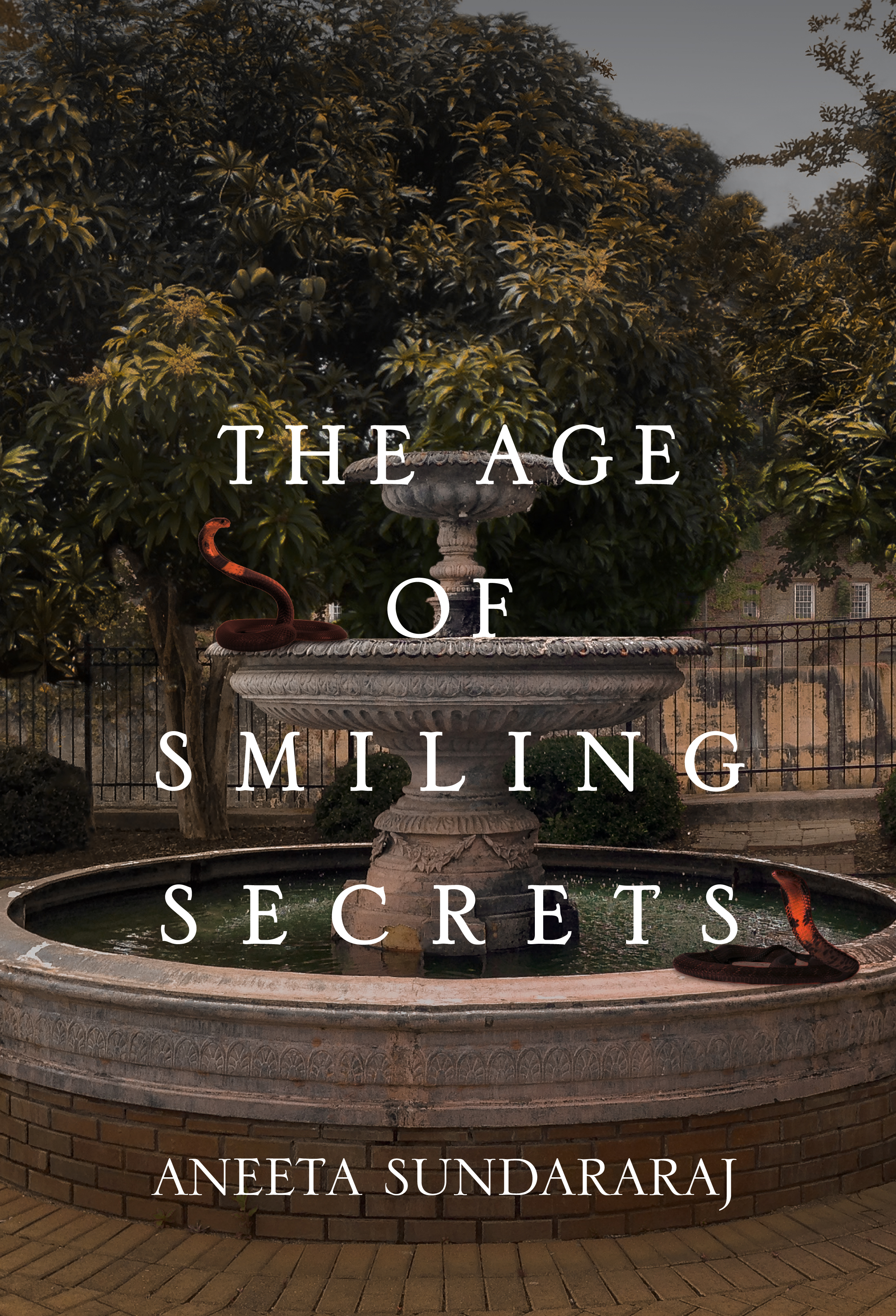
The Age of Smiling Secrets is an intriguing title – but the topic covered is very serious and highlights the problem of having religious law running alongside that of the country’s High Court, where the two can give conflicting outcomes. This is obviously a subject that is close to your heart. Why did you decide to write a fictional tale to illustrate the issue?

Thank you for saying that the title of The Age of Smiling Secrets  is intriguing.The Age of Smiling Secrets

I started to think about this story as early as 2005. As you’ve said, Malaysia is in the unique position where both the laws of Syariah and the Civil Law are practised concurrently. It was only a matter of time before conflicts about which jurisdiction should apply would arise. For ease of reference, my fictional story is based on the legal position when such conflicts arise. It’s about a family torn apart when a man converts to Islam and, without the consent or knowledge of his wife, converts their child as well.

As a lawyer, I understood the position of every person involved in this drama from the lawyers pursuing and defending the case, and the judges who had to hear the arguments from both sides, to the plaintiff, defendant and the children.

No one I know has ever looked at the all the emotions at play such as love, loss, betrayal, sacrifice and so much more. What happens when everyone returns home after a day in court? What does a parent say to the child at bedtime? “You’re my baby, but the court said you’re not.” How does the wife reconcile with the fact that the man she married is no longer her husband, or vice versa? And that’s simply because a court that has no jurisdiction over her says so? Why is the second wife accepted as a legal wife in one court and the husband is committing bigamy in another? Why is the child of the second wife considered legitimate in one court and the child of the first wife is considered illegitimate in another? Worse, how on earth does a parent explain all this to a child?

I cannot imagine what it must be like for a mother when the laws of the land allow her child to be taken away from her. So, these are the emotions I wanted to explore.

I must add that I remain surprised at how successful the publication of The Age of Smiling Secrets has been. I didn’t make much effort submitting the manuscript to agents/publishers after one of them asked me to fundamentally change the story so that a British reader would ‘get it’. It implied that the average British reader was too dumb to understand the conflicts that would arise and use of local lingo. I knew that this wasn’t the case. And after ten years of the story ‘percolating and marinating’ in my psyche, I wanted it published. So, I didn’t bother with the British publishing industry, stuck to the story I wanted to tell and worked with the wonderful team at MPH Publishers in Malaysia. I am not at all active on social media and I didn’t take part in the kind of publicity that I’ve seen so many authors do. I was, therefore, pleasantly surprised and delighted when the novel was short listed for the 2020 Book Award organised by the National Library of Malaysia. Furthermore, since it’s publication, edited versions of various chapters of this novel have been periodically included in various anthologies published internationally. Many readers have written to say that they cried at the end of reading the novel. Like all my books, once the first print run was over, I didn’t bother with another one. I’ve just placed them all on Amazon.com.

What is next for Aneeta?

I spent 2022 learning about submitting my short stories for many online competitions and literary journals. I figured out what it was like from the inside and, now, I’d like the chance to give back to others. So, together with a few friends, I’m using my website to host a short story competition. It’s called ‘Great Story Competition’ and we will open for submissions shortly.

Thank you, Valerie, for this chance to share my stories with you.

You are very welcome. I wish you every continued success with your projects and a happy and healthy 2023!

My thanks to Trisha Ashley Ashley gardn forgotten wishes author Margaret James 1A and to Margaret Jamesfor their kind comments and the team at Creative Writing Matters

Please like if you found this interview interesting or inspiring and leave any comments or questions below.

Check out my manuscript appraisal page, or please contact me, if you have a project you would like professional help with.

Happy writing!


Catching up with Heather, Digger and Biscuit!

image1

So much has happened since 2020! How have you coped through the pandemic?

I returned home to the UAE after a brief visit to London in February 2020 just as the first reports of coronavirus were emerging. I don’t think any of us realised what lay ahead for the world. By the end of March, we were in lockdown and home working became the norm. As a writer, that wasn’t a big change for me but like many people, it was not having the choice to go out or meet people that was really difficult. A vaccine programme was rolled out very quickly and I managed to avoid catching covid until a visit to London in November 2022!

image0

I loved the Digger and Biscuit story that you were developing when I first met you as your online tutor. How has the series developed since then?

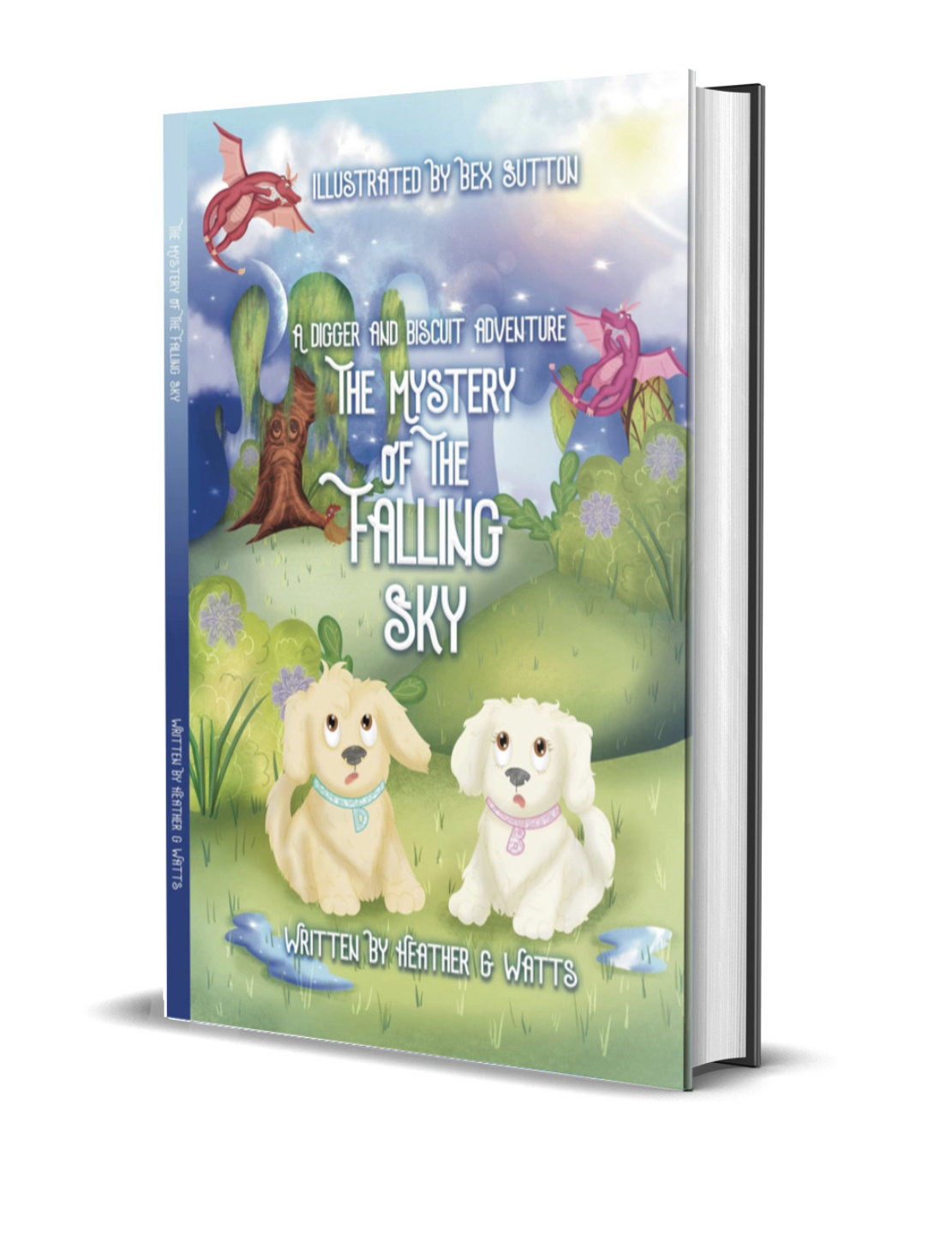
During the pandemic, writing provided a wonderful escape into magical worlds. I wrote, edited, rewrote and refined Digger and Biscuit’s third adventure which was published in September 2021. Our intrepid adventurers find themselves in a race to save Fairy Tale Land before the sky completely tumbles down.

Do you have plans for further adventures?

Our adventurous duo are helped by some friends from their previous adventures as well as new characters, including The Three Little Pigs, marauding dragons and Rapunzel. Of course, things never go smoothly for Digger and Biscuit, and they are pursued throughout by a shuffling – scuffling – creeping – peeping – scribbling – scratching sound…

For those that are familiar with the first two books, the third book delves more closely into the mysterious background of Fizz the Camel – and just why a camel is living in a castle with two pups and the magical Missy.

It was great to work with the very talented Bex Sutton again and all three books are now available featuring her beautiful illustrations in either colour or black and white.

During the pandemic my husband and I decided that after nearly eight wonderful years, it was time to return to the UK from Dubai. Since we returned in March this year it has been a whirlwind of house hunting, moving and unpacking!

As I was sorting through boxes, I found a notebook with the first draft  Digger and Biscuit’s fourth adventure. I thought the series would be a trilogy, but once I’d finished The Mystery of the Falling Sky, I missed Digger and Biscuit. Their fourth adventure sees them on a quest to solve a series of riddles and try to find out why everyone in Fairy Tale Land is disappearing and taking their stories with them. I’m really looking forward the seeing where this adventure takes them in 2023.

You are obviously a dog-lover, were these two lovable characters based upon your own pets?

As a dog lover, Digger and Biscuit’s antics are very much influenced by my own Golden Retrievers. Their games, interactions, personalities and love of all things edible, can definitely be seen in Digger and Biscuit. Our new home has a large garden which is already covered in holes from someone digging and there are toys scattered across the grass from games of tuggy! We have quite a few trees so chasing squirrels has become their new fitness craze. They’re so happy and excited, I haven’t the heart to tell them that the squirrels really don’t want to play with them.

As a teacher, I had a dog puppet called Digger who was part of our class. Digger would help by modelling learning and often the children would teach Digger. They loved seeing him grow in confidence and learn new skills. Digger was very mischievous, which of course, the children found very funny and they were so proud when he mastered a new skill.

Digger doesn’t always get things right, but he tries hard and he’s very loving and loyal to his friends and sister – despite some sibling rivalry. So yes, the characters of Digger and Biscuit very much grew from my own dogs and the characters created when I was teaching. I think Digger and Biscuit’s characters continue to evolve with each adventure.

This slideshow requires JavaScript.

Who are the intended audience for your books?

I wrote Digger and Biscuit’s adventures as a bridge between picture books and longer chapter books. There is a stage when children enjoy longer stories with more complex plots but they don’t yet have the fluency and resilience to read them themselves. They are written to be read aloud by an adult and children can then reread them independently. Each chapter takes around fifteen minutes to read aloud so they are ideal for bedtime or Storytime. Although aimed at ages five to nine, they are very popular with adults too as they are fun to read aloud and have twists and references to keep them entertained.

Recently I have been attending Christmas Fayres and it has been a real pleasure meeting different people and chatting about Digger and Biscuit’s adventures.

I wish you and Digger and Biscuit every continued success!

You can follow Heather on both Facebook and LinkedIn as Heather G. Watts, Instagram: Diggerandbiscuitadventures, Twitter: @diggerandb or via email at diggerandbiscuit@yahoo.com

If your New Year resolution is to finally write that story or book, then visit my manuscript appraisal page.

Heather’ ‘s testimonial.

Wishing you all a happy, healthy and successful 2023, wherever in the world you are!

Regency Christmas celebrations

Merry Christmas

Christmastide in Regency times was a prolonged period of celebration, compared to our modern holiday, for those who could enjoy it. Public holidays did not exist so for the working class it was not a given that the day would be given  

It began on December 6th, Saint Nicholas’ Day. This was marked by exchanging small gifts.  

Christmastide ended on January 6th, otherwise known as ‘Twelfth Night’, marking Epiphany.  

For those who could celebrate Saint Nicholas’s Day, it was a period for parties, suppers, and balls to be held. But for all who had them it was a time for family and friends.  

This period did carry the feeling of ‘goodwill’ so it was expected that charity would be given to the poor, particularly on December 21st, Saint Thomas’s Day when the widows of soldiers who had died in the Napoleonic wars would go ‘Thomasing’, calling at the kitchen doors seeking alms or food parcels. 

On Christmas Eve holly and evergreens would be gathered and brought into the house to decorate and bring in the fresh small of nature. Garlands and wreaths would be woven with rosemary, bay, and laurel, and then embellished with apples, oranges, ribbons, and holly berries. 

Untitled design (1)

Mistletoe brought its own added spice to the festivities as kissing balls or boughs were made from it, a tradition that still lingers today. With each exchanged kiss a berry was plucked, once all the berries were gone then the kissing had to stop.  

A candle was lit on Christmas Eve and the Yule log was brought in wrapped in hazel twigs and custom stated that it should be lit with a remnant of last year’s log. The fire would then be kept burning as long as possible and be at the heart of family gatherings; a small piece being saved for the next year.  

istockphoto-184596879-612x612

On Christmas Day people attended church and then the gentry had a celebratory dinner of turkey, venison, or goose for the gentry, followed by plum pudding. Much of the seasonal food could be prepared ahead of time with a favourite being cold, brawn pies. 

The next day, Saint Stephen’s Day, was a day for charity. Richer people gave servants and tenants their ‘Christmas boxes’, usually gifts of money, hence it becomes known as ‘Boxing Day’. 

Finally, on the twelfth night there might be a party held with much dancing and singing. Hot spiced, mulled, wine was offered, and a special cake made to share amongst all the members of the household.  

Games such as ‘bobbing for apples,’ and ‘snapdragon’ – a game where raisins were soaked in a brandy in a large shallow bowl, were enjoyed. A more challenging one involved candles being blown out and the brandy lit, people then had to try and grab a raisin and eat it without burning themselves – health and safety was yet to be implemented!  

Men’s names were put into a hat so that ladies could then pick a name out to be her partner for the night.  

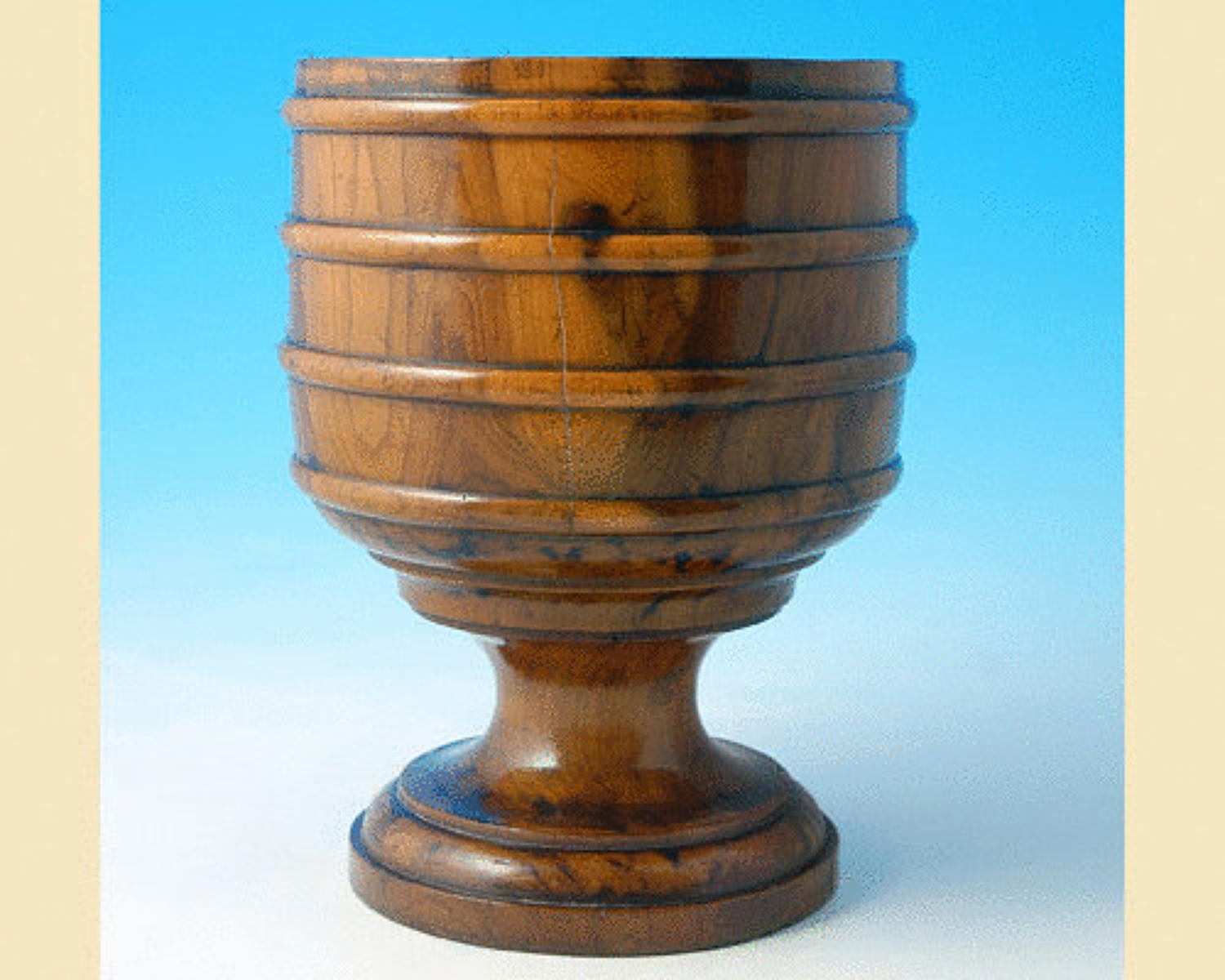
17thc-yew-wood-wassail-bowl-english-c1680---90_10183_main_size3

A C17 yew wood wassail bowl.

A wassail bowl was often carried from house to house, filled with warmed ale, mulled wine, or punch, sometimes accompanied by the singing of carols.  

The feeling of goodwill to all humankind was the message of the season. It depended on where you were on the social scale from impoverished to rich as to how much you could be a part of the tradition, but the feeling and love shared at this time was priceless then, just as it is today. 

Merry Christmas and season’s greetings to all my readers! 

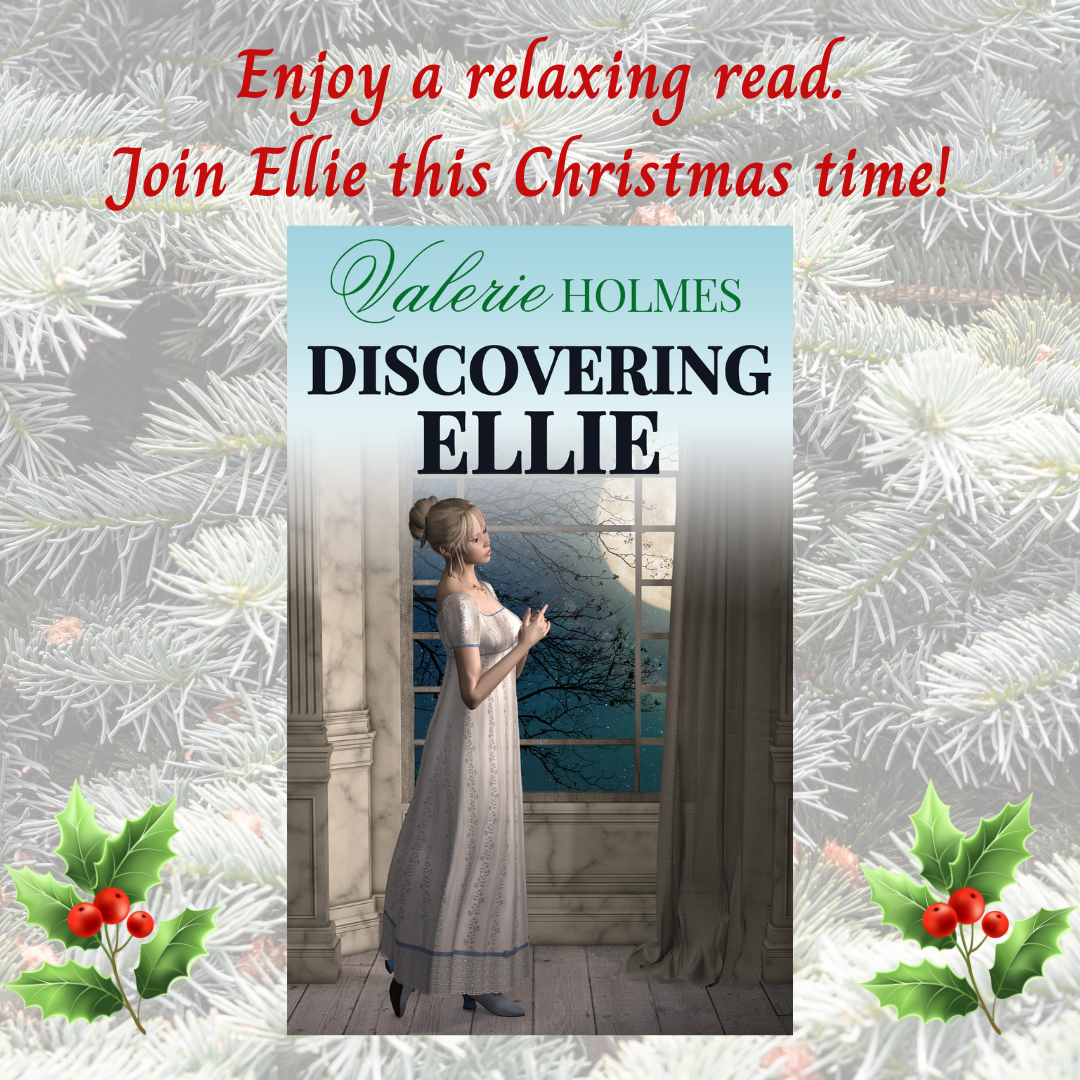
Relax, this Christmas time and share Phoebe’s adventure and romanceon the North East coast in Regency times.

Ellie encounters a handsome stranger, when escaping the claustrophobic presence of her widowed aunt, Mrs Hemming in The Old Hall. She is initially distressed and annoyed, until he introduces himself as Mr. Montgomery Cookson causing Ellie’s dark clouds to instantly lift, for she knows they will formally meet again.
Mrs Hemming homed the deserted Ellie, whilst bringing up her two cousins, Dorcas and Sybil, despite the ruinous reputation of her mother for deserting her husband and child.
Ellie had been shocked and scared, when infirmed she was expected to marry Mrs. Hemming’s own cousin, Mr. MONTGOMERY COOKSON.
But has Ellie met her match in Mr. Cookson?
Will her future be as grim as she envisaged?
When Fate has cast a shadow over her life for so long, can destiny shine a light into Ellie’s world?
Will Ellie finally discover who she really is?

Available on:  iBook    Kindle   Kobo   Smashwords 

The ‘Wise-Woman’ and her place in history!

secrets front

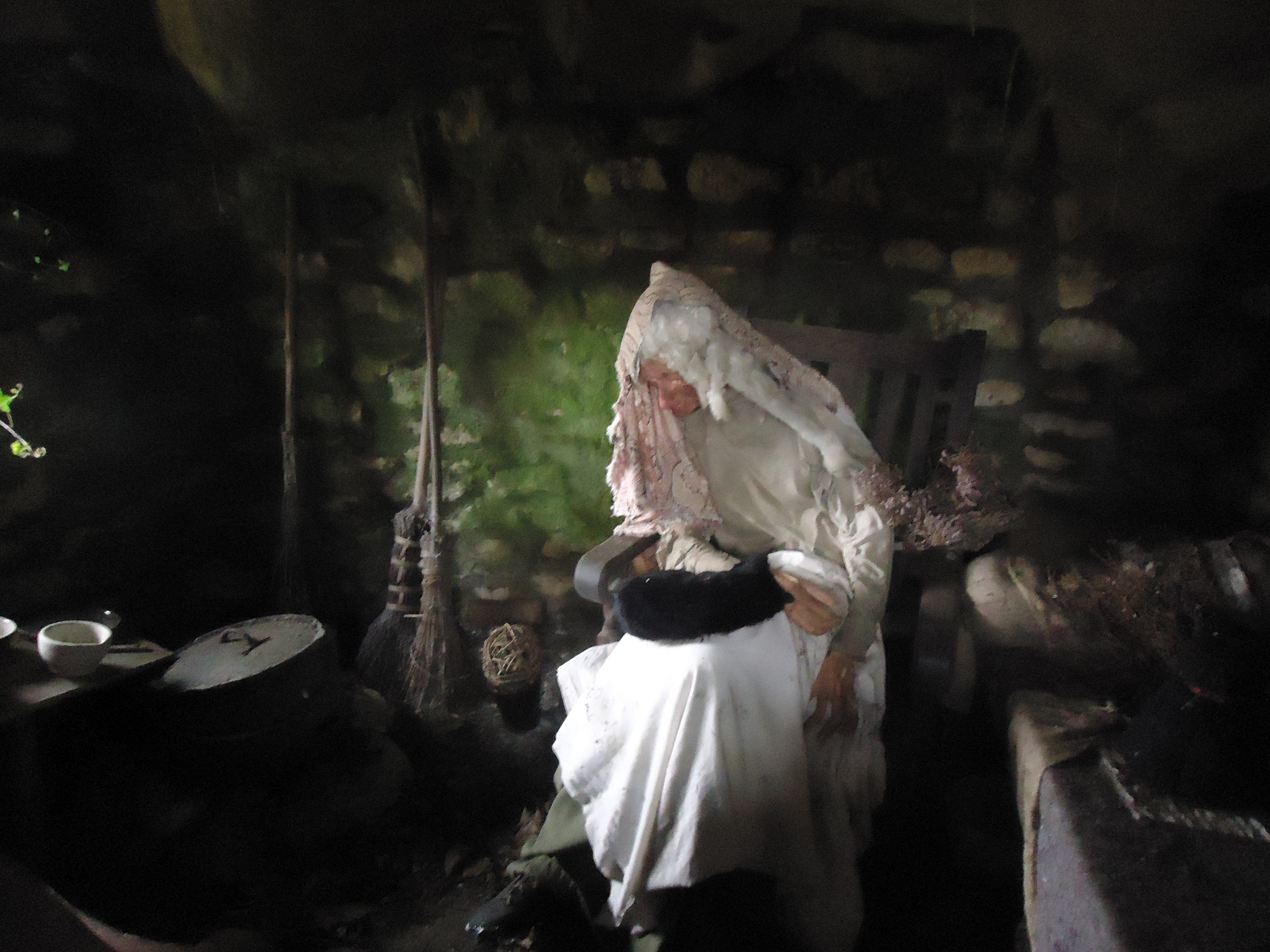
In the days before communities were served through the NHS with a local doctor or even before that with a doctor who had to be paid for his services there existed ‘Wise-Women’ otherwise known as folk-healers, or what we would call early midwives.

These women became synonymous with ‘witches’ and many suffered after the renaissance through the persecution of witchcraft. This in part was justified by their use of lucky or healing charms, amulets and crosses made of Rowan, to ward off evil. Ironic really as they used natural, God-given cures that they should have been accused of dancing with the devil.

DSC08679

 “…she never was a witch. She never traded potions, poisons, or spells; she was just a wise woman who knew how to survive off the land. She believed in a god, whether it was the God or a greater spirit, or a mother of all the earth, but her instincts were acute.” Mary Underwood in ‘Secrets’

However, ‘Wise-Women’ deserve a place of their own in history. They aided their communities since the Middle Ages and could often be held in some regard and notoriety. Which is perhaps why they were so heavily hunted by radicals in the Reformation. When their ‘patient’ died opinion could turn against them quickly. Mary Underwood describes her grandmother’s life in Ireland to her daughter Imogen:

“She lived in a small cottage with a peat fire. It was not as comfy as this one, but I loved it. She was full of tales, and she knew how to read the seasons, use the plants, see beyond the obvious and I so wanted to be like her. The local folk used her potions, asked about what they should do – she was wise and kind. She even knew her letters and taught me as I have taught you.” Secrets

Medicine, in its early development took place in cities and towns and was purely the province of men. The term ‘doctor’ was not used for people who healed outside of universities until the 19th century.

In the rural parts of the UK, healing was down to these ‘wise-women’. They were people who would create remedies from things in the local landscape: plants, animals, water and minerals such as salt.

rowan tree cross

Hence, vicar’s wife Ruth Arrow’s comments, that lingered with her son Micah:

“Micah’s mother had forbidden him to ever go near the Underwoods, the ‘wise woman’ who used plants to heal. They were considered ungodly ways…”

Traditionally the cures were passed down from mother to daughter and the results shared with the local community.

As scientific knowledge of the human body was very limited, these cures sometimes became known as charms or spells. Terminology that later became very dangerous for these women.

Even when being a ‘doctor’ became a paid job, in the rural areas the citizens would still turn to the local ‘wise-woman’. She could be paid through a barter system and was trusted – until something went wrong!

old-wise-woman-

These practises continued into the rural areas until into the twentieth century and the advent of the NHS to varying degrees. The practitioners ran the risk of being turned upon by those they treated. This could mean being isolated or being physically attacked.

Just as in today’s homeopathic treatments, many of the old ‘cures’ would be able to help common ailments, particularly when diets were much more limited than they are today.

You can read Mary’s story in Secrets, available on Kindle and KindleUnlimited.

Meet award winning author, USA Today bestseller, Evie Dunmore!

Evie Dunmore,  USA Today bestseller.

Welcome, Evie!

When did your love of novels, especially of the romance genre, begin?

My love for novels began when I could read, so, age five. I fell into the romance genre in my mid-twenties when I was working and commuting very long hours and was very receptive to the escapism romance novels offered. I noticed that no matter how dramatic the novel, as long as I could rely on there being a happy ever after, I could just switch off for a few hours. I never looked back.

What is the attraction of the Victorian era that so appeals to you?

It was a time of great economic, social, and technological changes, which gave rise to social movements such as the women’s rights movement and the labour movement that we still benefit from today. It means I could write heroines who are authentic and plausible for the era all while I can still find myself relating to them 140 years later. In a way, it allows me to explore how far we have come, and which issues remain that some people have already tried to change for more than a century.

UK_Cover

Bringing Down the Duke is the first engrossing novel in The League of Extraordinary Women series. The attraction between the two main characters is undeniable and absorbing. The protagonist attends Oxford against her family’s wishes, by being offered a scholarship from the Suffragettes. Is the series based upon the unsung heroines who paved the way for women today?

It is not based on any woman in particular but is certainly inspired by the first group of women students at Oxford and by the early suffragists, and their many allies whose names we will never know. The fight to access higher education took women decades; even after women had enrolled at Oxford for the first time in 1879, it should still take another 40 years before they could sit the same exams as the male students. The fight for women’s rights, especially the right to vote, was even longer, going back to the 18th century to Mary Wollstonecraft if you will. We hear quite a lot about the suffragettes, the militants of the Edwardian era, but countless women before them laid the groundwork for the charge and I loved learning more about them and their tactics while I wrote the novels.

Which three of the many ‘extraordinary women’ from the past do you admire the most and why?

Looking at the late Victorian era/early Edwardian era, it would be Annie Kenny, Christabel Pankhurst, and Cornelia Sorabji.

Annie Kenney was the only working-class suffragette to ever hold a leadership position in the suffragette movement after working her way from a Northern factory up to travelling the world and talking to heads of state for the cause. She was responsible for the incident that turned some suffragists militant and caused them to form the suffragette branch. She was also very likely bisexual. Her autobiography was fabulously insightful and stayed with me for a long time. She came across as incredibly loyal, brave, and funny.

Christabel was the strategic head and in some ways the heart of the suffragette movement. She held a law degree from Manchester University though as a woman she was not allowed to practice law at the time. What impresses me about her is the mix of both fanatic grit as well as level-headedness which she displayed for the entire duration of the movement.

Cornelia Sorabji was the first woman of colour and first female law student at Oxford University in 1889. When she arrived at Oxford, she already held a first-class degree from Bombay University, and she successfully fought tooth and nail to be treated like her fellow male students at Oxford. Back in India, she was not allowed to practice law for over a decade, but she found her own niche to assist women and girls in legal matters and had over 600 female legal wards and several successful pro-women social policies under her belt by the time she returned to Britain in her later years.

You have a personal connection to Oxford University having studied for a master’s degree there and an advanced creative writing course. From your experience, would you say that women academics have achieved equality there alongside their male counterparts?

A lot of brilliant women are hard at work at Oxford and fill important positions; since 2016, we even have a female Vice chancellor (Louise Richardson). My heroines would love to see it. However, personally I think female academics won’t achieve real equality in the workplace as long as they are compelled to choose between family and an academic career, or have to somehow juggle both, as this is something their male counterparts still don’t really have to worry about unless they are committed to fully sharing the care-work out of principle. The statistics still show a sharp drop in female academics from third year PhD to actual tenure, and we can already see that the pandemic disproportionally affected the output of female academics. Successful academic work requires you to think original thoughts and to write cutting-edge papers. It’s harder to do that amid years of sleep-deprivation and a mind loaded with other people’s needs and schedules. Without fathers stepping up or affordable external assistance, we’ll always have shining examples of some women having it all, but the overall statistics will probably continue to tell a different story.

Rogue

How challenging was and how did you go about writing the perspective of Queen Victoria in Bringing Down the Duke?

I had read her letters to her acquaintances where she raged about women’s rights activists and called for them to be whipped. Her official stance was also anti-suffrage and minced no words. Her close friendship with Disraeli and her behind-the-scenes meddling in politics when she was younger, is also no secret. It therefore wasn’t challenging as I put words into her mouth she herself had either written down verbatim or were very much in the spirit of her position. I guess it helped that I always had her actual photographs before my mind’s eye rather than the TV version played by the lovely Jenna Coleman.

Did it surprise you that such a prominent female monarch did not support women’s rights?

Not really. The queen saw herself as set apart from regular humans, and the dividing line between progressive people and those who want to keep things as they are does not neatly run along gender lines, it never has. A lot of women back then felt more comfortable with upholding the structures that suppressed them and harnessed the narrowly defined power allocated to the role of mother and wife instead. And sometimes, women’s reasons to be anti-suffrage were simply due to clashes with their other interests. For example, the Royal Society for the Protection of Birds was founded and run by women in the late 19th century, and they were anti-suffrage. Why? Because the suffragists and later suffragettes continued to use plumes as accessories.

How have you kept mentally and physically fit during the recent pandemic?

Unfortunately, I didn’t do a good job on either front, so I’m afraid I have no valuable tips to share here…

When life returns to the new ‘normal’ what do you look forward to doing when not writing or researching?

I look forward to the brain fog lifting. An end to this limbo of being unable to plan anything with certainty, all while we can’t really be spontaneous, either. I look forward to not having to worry about schools shutting down again and how the kids are affected by the situation; or about loved ones falling ill. I’d love to ditch the mask, and to hop on a train or plane to see family and friends I haven’t seen in nearly two years. I would like to offer my readers an in-person book signing. And I want to go to the movies and eat popcorn and not flinch when someone in the row behind me coughs.

Scotland_1

When and where did your affinity with Scotland begin?

I think it began when watching nature documentaries about the Highlands when I was a child. It was sealed when I moved to Britain and dated a mountaineer from St Andrews. The first time we entered Glen Coe around 15 years ago, it literally took my breath away. I felt moved to tears, it felt like coming home, when I had no prior connection to the place. Odd how that happens sometimes. Before the pandemic, I would regularly go up to Scotland a few times a year to stay with friends and to go hiking. Edinburgh is my favourite city in the world. I have been invited to RARE, a big romance author event, in Edinburgh in 2022, and I can’t wait to go and meet readers and colleagues.

Scotland_2

The Portrait of a Scotsman (Published 7th September) has a Scottish hero, when and where did the inspiration for this novel begin?

Inspiration for the story sparked during my research for my debut Bringing Down the Duke, where I came across photographs of Victorian women in trousers. The women in question were pit-brow lassies—they worked on the coalfields and frequently underground. Their existence was entirely at odds with the ideal Victorian image of women as the dainty Angels in the House, and I knew I wanted to highlight these remarkable women in one of the books in the series.

This, and my love for the Hades and Persephone myth, come together in the hero, Lucian Blackstone, a successful self-made Scotsman who he began his journey underground in a Scottish colliery.

Scotsman

What is next for Evie?

I’m currently trying to finish the fourth and final book in the series, and I for the last year I have been playing around with an idea for a fifth book. We’ll see what comes from that.

Thank you for taking time out of your busy schedule. I’m looking forward to reading Portrait of a Scotsman!

Catch up with Sunday Times bestselling, award winning romance author, Sue Moorcroft!

Welcome back, Sue!

Thanks very much for inviting me, Val.

The last time we chatted was back in 2016 when you had made some monumental decisions as to what you were doing with your writing/tutor time.

You were setting out new goals for the future. Now the future is here: what has worked and, if anything, what did not?

Things have gone very well. I have to pinch myself, sometimes. Since I began working with my agent, Juliet Pickering of Blake Friedmann Literary Agency, everything has taken off. I’ve been with Avon HarperCollins for ten books, with more in the pipeline, and I’m published in about fourteen other languages and territories. I’ve been to number 1 in the Kindle UK chart, I’m a Sunday Times bestseller, and I’ve been in the Top 100 US Kindle chart and the Top 50 in Germany.

There have been challenges and setbacks along the way, of course, but I can’t think of anything that ‘didn’t work’. Although I continue to write a few short stories and two-parters, I’ve achieved my ambition of living on the earnings from my novels.

Huge congratulations, but also it is success that is well deserved!

Covid has affected everyone, directly or indirectly. How have you coped with lockdowns and keeping healthy?

I’m lucky that I have a garden and I live near a park. I’ve been able to continue writing because it means going to another place in my head every day, where people hug and kiss and mix freely. That’s not a bad state of mind in which to spend fifty or sixty hours each week. I’ve stuck to the guidelines and kept healthy, thank you. On the downside, my classes at the gym have collapsed, I haven’t seen some of my best friends for ages and I haven’t been able to go abroad. But I’ve been much more comfortably circumstanced than many so I live the best life I can.

What are you working on now?

I’ve just completed the edits for my winter book, Under the Mistletoe, which is set in ‘my’ village of Middledip and features Laurel who left the village when she was sixteen but now has to go back. The reason she left is still living in the village. I’m also in the middle of the first draft of my summer 2022 book. It’s set in France, which I chose because I’ve set a book there before and have my photos and memories for reference. A big park features heavily which, funnily enough, bears quite a resemblance to the one I walk around several times a week. The book’s about blended families and cybercrime. The cybercrime element is stretching my powers of understanding …

What goals do you have for the next five years?

Keep writing, keep selling – and hope I can sell more!

img_9910-2

Sue Moorcroft is a Sunday Times bestselling author, has reached the #1 spot on Kindle UK and top 100 in the US. She’s won the Goldsboro Books Contemporary Romantic Novel Award, Readers’ Best Romantic Novel award and the Katie Fforde Bursary. Published by HarperCollins in the UK, US and Canada and by other publishers around the world.

The beautiful abbey ruins of North Yorkshire… 

The beautiful abbey ruins of North Yorkshire 

Henry VIII is perhaps most infamously remembered for his treatment of his six wives. However, this king changed a nation by separating his country from the power of the Roman Catholic church and proclaiming himself head of the Church of England, in 1534.  Two years later the Reformation in England took a more profitable turn for Henry as a destructive and brutal phase began with the dissolution of the monasteries.  

North Yorkshire has many majestic reminders of the magnificent abbeys that once served and dominated local rural life: Rievaulx, Whitby, Fountains, Byland, Ampleforth and Mount Grace Priory to name a few. 

These are fascinating ‘places of interest’. They inspired many during the years they were inhabited and – in a non-pandemic year – are visited by many people now who soak in their history and sense of peace that their lovingly tended sites exude. 

Life in days gone by can be easily imagined; both harsh and cold and yet their lives encouraged selfless devotion whilst supporting their local community.   

Often constructed in beautiful rural surroundings of agricultural land, woods and moors. They would grow crops and raise animals to feed themselves and create profit from a trade, the land they owned and tenancies. The monasteries owned a quarter of the cultural land within the country – a vast wealth and Henry was a man who needed to fund his own lifestyle and wars. 

Their majestic ruins have influenced and inspired some of the scenes with in my novels such as Georgina’s escape in Betrayal, Beth’s and Willoughby’s earnest discussion under the arches of Whitby Abbey in To Love Honour and Obey or Wilson’s hiding place in Dead to Sin. 

Whitby Abbey

In my most recent novel ‘Betrayal’ Lydia Fletcher is part of a rescue of her friend within the grounds of one such building: 

 The monastery’s stone walls slowly emerged before her – a testament to their ancestors’      achievements and faith. This sanctified place once filled with holy praise, was now losing the fight against the ravages of time as they crumbled back to the earth. Encased within the lush undergrowth it had not been revered for centuries. 

In the novel the ruins are being used by a band of smugglers who dress as the monks of old to keep the superstitious locals away. 

Between the old arches of the ivy clad fallen parapets, moving smoothly through the distant mist, was the distinctive figure of a monk, the ghostly habit covered by a dark hooded cape. Kell looked to see what had caught Jeremiah’s attention.  

“Souls of monks, long gone… they got no truck with us… so dig!” he ordered. Kell stared at him. Both Lydia and Jeremiah watched the monk disappear once more into the forest. The boy’s mouth hung open as the shovel fell from his hand. 

The Pilgrimage of Grace in 1536 consisted of 30000 strong rebel army from the north demanding that the abbeys be reopened. They were promised a pardon and a parliament on York, but once they disbanded their leaders were executed. In 1539 the larger monasteries also fell. Those monks who would not conform were also executed. 

The abbeys were hugely important to the life of the people in the area. Their battered walls and fallen arches are now preserved for all to discover and admire. 

IMG_20210611_221742_609