‘Secrets’ and a Blacksmith: Crafting Tradition and Innovation

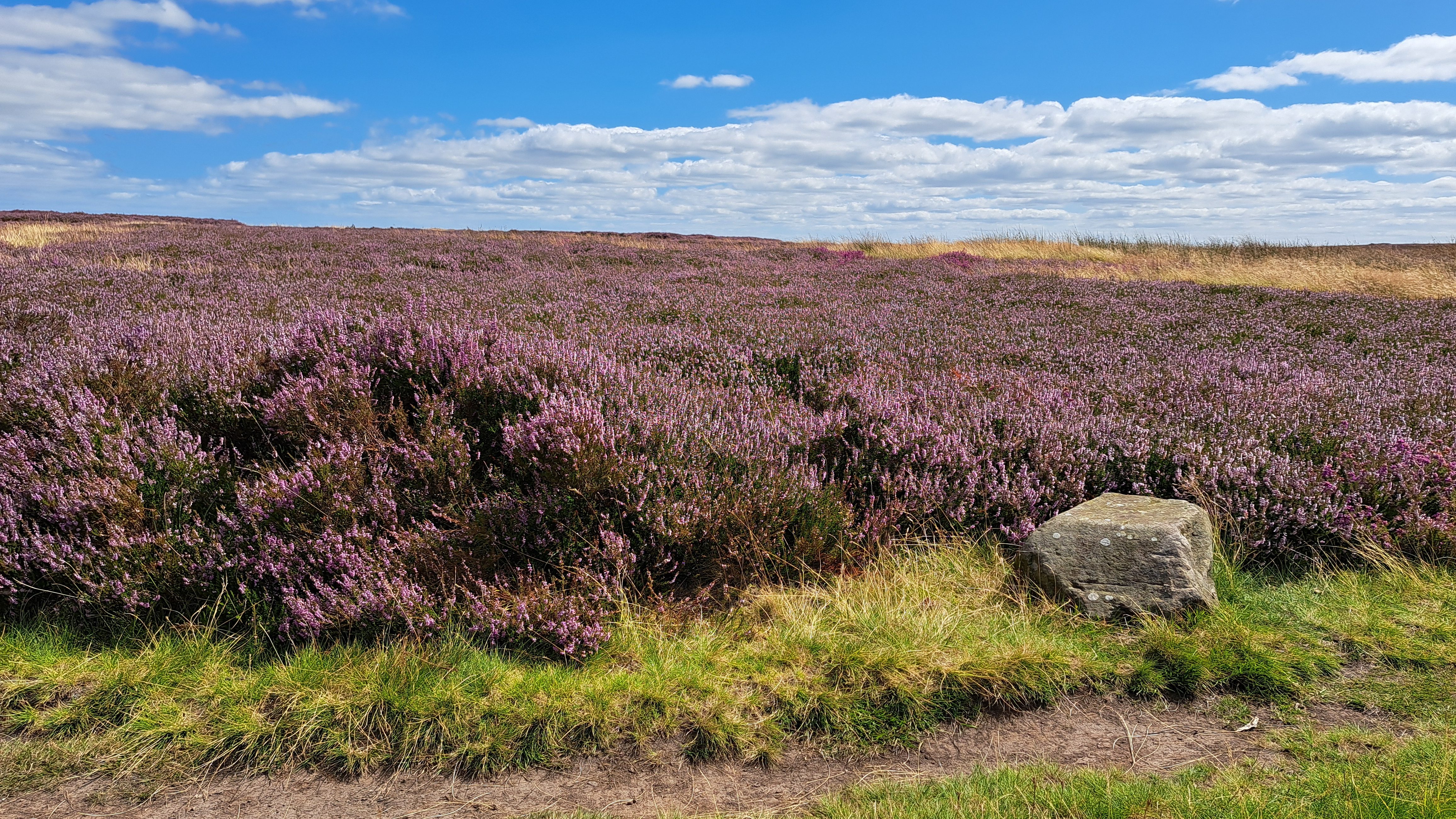
I hope you have enjoyed the sunshine and warmth of June, when the UK sampled temperatures nearing those in the tropics! In North Yorkshire the heather is ready to bloom, bringing swathes of lush purple to the vast expanses of moorland. It is a truly beautiful and everchanging landscape.

Another beautiful county that I visited recently in the South West of England was Somerset. When I stopped at a garden centre I came across a working blacksmiths’ forge and felt as though I’d taken a step back in time. Instantly thoughts of Wilfred Underwood, Imogen’s father in Secrets, came to mind. Although we tend to think of smithing as a traditional craft of yesteryear, the charming owner soon corrected that impression.

There is still a demand for the old skills, used now for restoration work, preserving items from the past. This requires the mastery of the trade and knowledge of old methods, material, tools and skillset of the original worker to recreate or mend the item in question. Past imperfections are what makes an old item interesting today.

We live in a time where we have more technical accuracy and, perhaps as a consequence, less individuality. Science has moved on, providing precision tools and improved understanding of the process, yet a modern day blacksmith has to embrace and learn the old ways as well as the new.

Old skills are called upon to mend traditional machines and objects, some still used in other local trades like the local butcher’s grinder, along with reproducing such basic items as the imperfect nails made at a smithy’s before mass production. Each repair has to be done in the style and materials of that bygone age, but today’s Blacksmith also has to build on this historic knowledge by keeping up to date with modern, contemporary designs changes in style, tools, markets and techniques.

There is a long apprenticeship still required, for this labour of love, as science and art combine.

Historically, a chestnut tree was planted near the large forecourt providing shade and was symbolically associated with the trade. Yorkshire wrought iron was and is highly prized for its quality.

In Secrets Imogen’s father, Wilfred Underwood, is the blacksmith for my fictitious village of Dibbledale – a tranquil unspoilt place inspired by such villages as Hutton-le-Hole in the North Yorkshire Moors Park. His trade was central to the local community for the upkeep of agricultural equipment, as a farrier, and the many other jobs concerning the mending of household and trade goods. Wilfred, a gentle giant of a man, also encouraged Imogen’s creative nature providing her with fine tools and wire to make delicate jewellery, deepening the bond between father and daughter.

Secrets and their consequences worm their way between Micah and Imogen. Will they be able to save Dibbledale’s peace and tranquillity? Only when secrets are revealed can devoted friends be distinguished from destructive foes and allow love to find its true home.

From a writing perspective there is a fine balance between keeping historical fiction accurate to the period it is written about, and accessible to a modern reader, who may be unfamiliar with that period of history.

Trades, like everyday language, evolve and adapt through time. The visual importance and need of a central blacksmith may have changed, but in Regency they were essential and central to a thriving village community. They were also excellently placed to see and hear all the comings and goings of the villagers and pick up information from travellers who crossed their paths. Wilfred as a character is able to keep his finger on the pulse of local events.

I would like to greet and thank my new readers in the United States as well as the UK and Australia who have read and enjoyed Betrayal – Book 1 of Friends and Foes Regency romantic adventure series. The

I hope you go on to read the completed trilogy and discover what happens to Lord Farrington, an enigmatic character who features in Book 3 Silent Revenge , which will be published in paperback on 5th July. More about him next time!

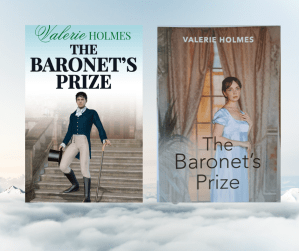
July’s bargain book is The Baronet’s Prize, which is now 77p/$1, which also available on KindleUnlimited.

“A delicious Regency! Eleanor is horrified to be made homeless by her brother’s gambling debts and still more disturbed to find herself falling in love with the man who won the estate. Valerie Holmes resolves this dilemma in a spirited tale that keeps you turning the pages until the final “Ah!” of satisfaction.”
GL Robinson, New York USA, Regency romance author.

Reviews left on Amazon (and sites such as Goodreads) are always welcomed and appreciated by authors, especially if the book has been read and enjoyed. They are what keeps the algorithms working in the competitive world of publishing.

I would love to hear from my readers, wherever in the world you are based, and also from visitors to the region.

Have a lovely and safe weekend.

Celebrate Mother’s Day with Silent Revenge: an exciting Regency adventure!

Mother’s Day is rapidly approaching, which also means that my pre-order Regency novel, Silent Revenge, is about to go live on #Kindleunlimted and #Kindle. I am so excited to announce this as it has been a labour of love completing my #FriendandFoes trilogy.

Intelligence Officer, widower, Lord Oscar Farrington, returns to his family estate with mixed emotions. This is unsettling for the powerful, charismatic, and loyal officer who likes to be in control of his own feelings. With his overseas duties finally completed, there is talk of insurgence within the country, so he is still under orders to gather intelligence on his own countrymen, another cause for inner conflict as he has fought alongside his fellow soldiers and has some sympathy for the plight of the returnees.

Sworn never to remarry, he is devoted to his young, adopted daughter, Jessica, who he rescued with her mother in Betrayal. But Lord Farrington of all people should know ‘never to say never’, especially when Miss Jemima Parkes re-enters his life.

Silent Revenge keeps the reader turning the pages and is available for pre-order now!

My other news is that the large print edition of The Baronet’s Prize is available for order directly form the publishers Ulverscroft or via Commonwealth libraries. The original short novel is also available on Kindle.

All my novels are set in the beautiful country of North Yorkshire, England. Littered amongst the actual places of Whitby, York, Harrogate and Northallerton are my fictitious market towns of Gorebeck, Beckton and Dibbledale, which are loosely based on the picturesque Helmsley, Guisborough and Hutton-le-Hole. Please share your favourite places to visit within the region.

Enjoy the coming of Spring and if it triggers the desire to start a new project, write your own adventure, then please check out my manuscript appraisal page. I have over twenty-five years  of experience as a creative writing tutor and love to encourage new writers to explore this fascinating world of possibilities.

Love the Adventure

To-Love-Honour-and-Obey-267x400Fifty novellas ago, I began writing love stories each wrapped around an adventure, set against the rugged beauty of the North Riding of Yorkshire. These found their home in the Commonwealth library market and from this base a further six novels have evolved.

When To Love Honour and Obey published by Sapere Books, was reviewed by a fellow author, he described it as ‘Where Poldark meets Heathcliff’ – I was delighted.

I have always loved reading both fiction and non-fiction exploring the Regency period. I enjoy the romance whether written from the perspective of the rigid society of London’s ‘Ton’, so beautifully portrayed by Georgette Heyer and more recently Julia Quinn, or the melodrama of the darker more menacing shadows of Daphne du Maurier’s Jamaica Inn.

Basically, my tastes cross genres within the period, from Jane Austen’s and the Bronte’s classics to E.V. Thompson’s20240126_161100 Cornish sagas, or Bernard Cornwell’s action and adventure series about the rifleman who rose from the ranks, Richard Sharpe.
I have worked as a creative writing tutor for years and one piece of advice commonly given to authors starting out, is to write about what you know. That does not mean that you must know everything first – no one can, especially where murder and mayhem is involved. Without a time-travel machine, a writer today cannot depict a bygone age with total accuracy capturing the language, attitude, beliefs, habits, understanding of people centuries ago when travel and knowledge were limited.

Research is the key! Whatever the genre; romance, crime, thriller, horror, fantasy or any other preferred, the author must accrue enough knowledge beforehand to write their story and make it credible and believable to today’s readership. Jane Austen was of course writing in her own time; about the world she knew.

Research can be all encompassing when it is focussed on a topic you are enthusiastic about. In first drafts ‘info-dumps’ can creep into a manuscript, slowing the pace of the story. Which is where an editor’s skills are needed to take out the non-essential information, as the author will always know more that the reader needs to about their created ‘world’.

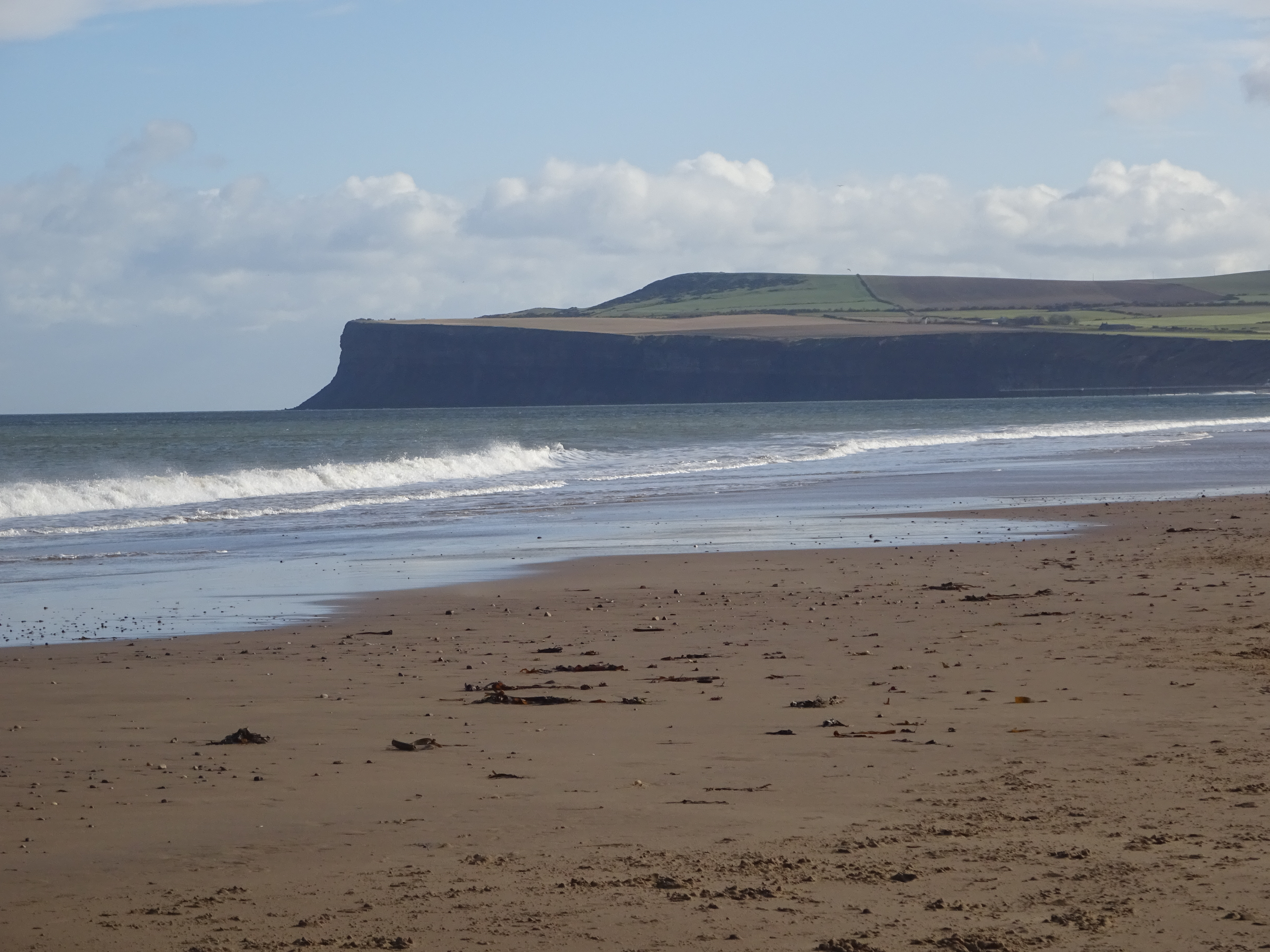
DSC03023When I began writing I thought about the ‘write about what you know’ advice and started exploring my home area. The North Yorkshire Moors and the bay towns from Whitby to Saltburn provided a dramatic backdrop for many of my stories.
Saltburn-by-the-Sea had its own infamous ‘King of Smugglers’ John Andrew, who in 1780 was landlord of the unique Ship Inn, which nestles to this day under the shadow of the 110m high Huntcliff. My fictitious Ebton is based on Saltburn, my Coble Inn nestles in the shadow of Stangcliffe, the headland based on Huntcliff.

 “We’re on Stangcliffe, the headland!” Joshua exclaimed, as realisation hit him harder than the force of the wind. He was inches away from a sheer drop to the sea below where sharp-edged rocks hid under each of the crashing waves…

To Love, Honour and Obey Sapere Books

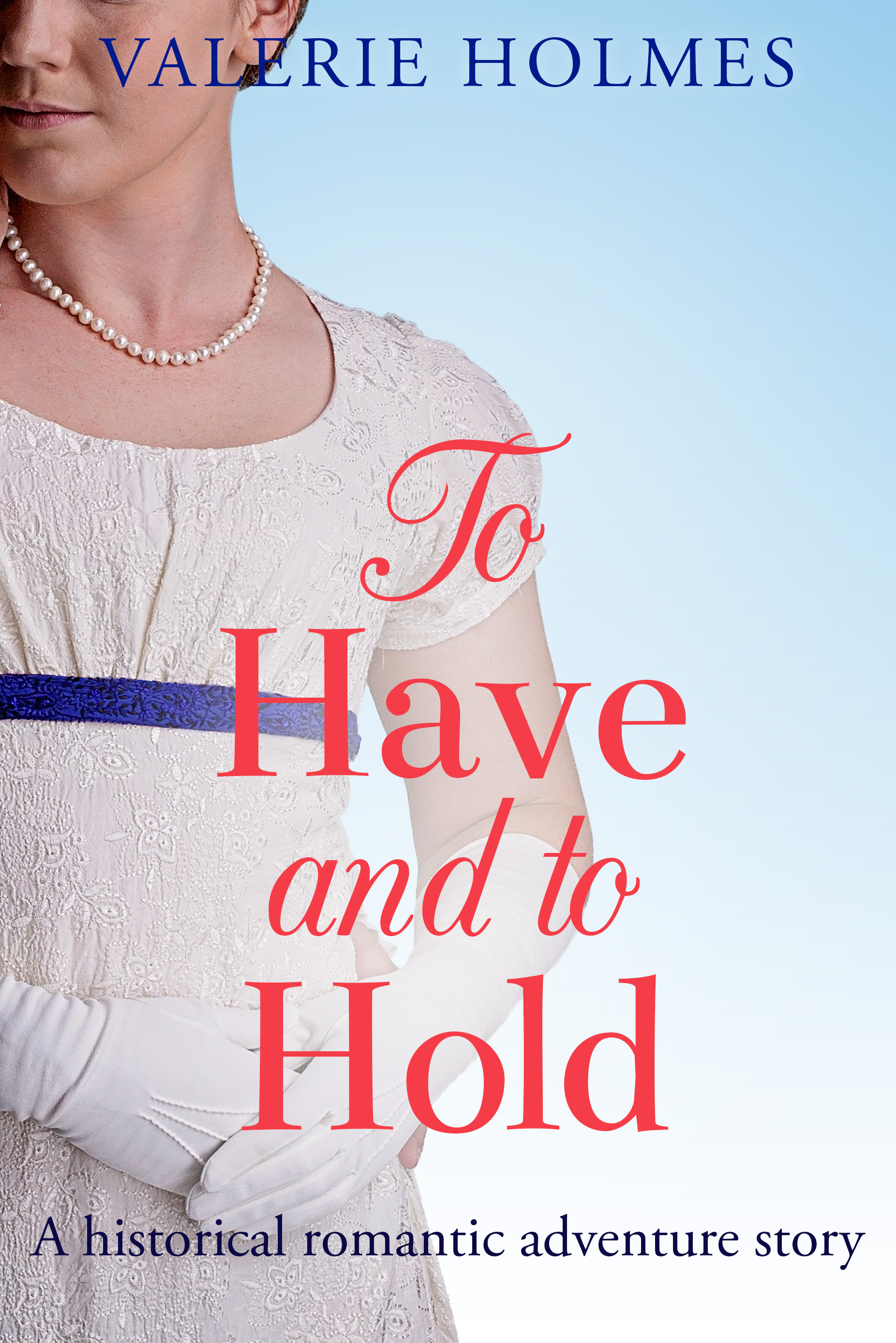
To Have and To Hold
Book 3

This Jurassic coastline encompasses rugged high cliffs and sweeping flat sandy bays. The wild moor inland would have been crossed by locals along small tracks for centuries by the Regency period. The dales, areas of fertile farmland and woodland, dropped down from the moors, with ancient abbeys and small villages of stone-built cottages nestled  within – but cottage industries were being replaced as manufacturing developed in the growing towns causing population shifts, consequently impacting livelihoods, Secrets, due to the Industrial Revolution, a theme resonated in To Have and To Hold, Sapere Books.

Unrest was growing nationally, the Luddite movement triggered fear in Parliament that revolution would happen in England as it had in France. In Phoebe’s Challenge, brother and sister are hunted as machine-breakers – punishment was  anything from a fine, to hanging or transportation to Australia.

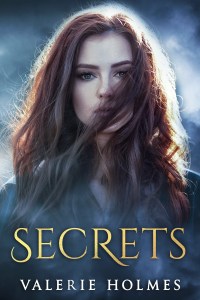
secrets front
Friends & Foes Book 2

My books are not dark, but touch on the darker side of human-nature and society, Betrayal, ultimately showing that love and justice will win the day. In real life things may not always work out that way, but in fiction – which is a form of escape from reality – in my stories at least, things do.

The world of Valerie Holmes has the tagline ‘Love the adventure’ – a sentiment that I hope my readers will share.

Beyond the book cover, plot and protagonist, which has a greater influence on your choice as a reader: the physical setting or the period in which it is set?

Please share your thoughts and preferences.

If you are interested in writing, and want to create your own fiction, but need some professional guidance or support, please contact me via my manuscript appraisal page.

I am delighted to announce that Discovering Ellie is now available in Large Print Paperback for those who cannot manage an eReader – just click here

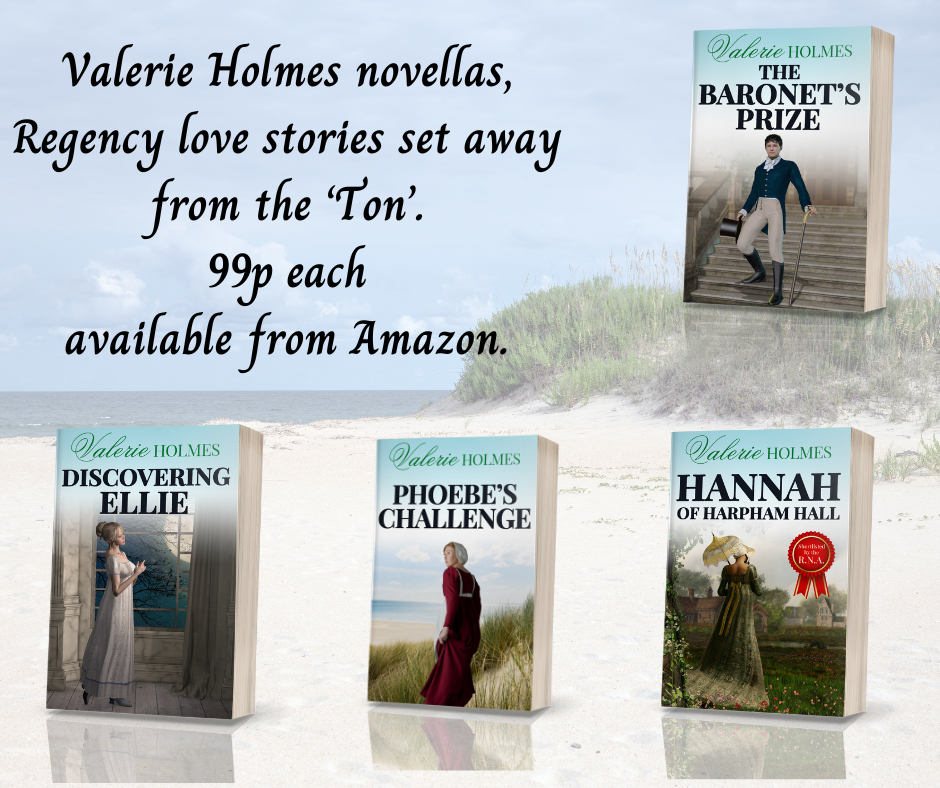
Valerie Holmes novellas. 99p each available in

Welcoming in 2024 with Margaret James!

Margaret James 1A
Thank you, Margaret, for taking time out of your busy schedule as a novelist, journalist and teacher of creative writing to chat to me and share some of your New Year news!
It must have been exciting to end 2023 as a ‘hot new pick’ with your Charton Minster Trilogy, published by Joffe Books. What was the inspiration behind this wartime trilogy?

Thank you for inviting me to be your guest, Valerie. I’m very happy to be here!

The inspiration for the first novel in the Charton Minster Trilogy was the famous Red Cross recruiting poster for nursing volunteers to serve alongside the professional nurses working in the various theatres of operation during World War One. This image has reproduced thousands of times, so I’m sure it must have inspired plenty of other novelists, too.

First World War VAD Recruitment poster | British Red Cross

Are there plans to release more of the series in 2024?

Joffe has acquired the rights to all my novels originally published by Choc Lit, so there are four more books in the pipeline, to be released either individually or as sets.

Creative Writing Matters seems to go from strength to strength. What events and competitions do you have lined up for this year?

At the moment, the Creative Writing Matters team is reading its way through nearly 400 entries for the latest Exeter Novel Prize, which will be awarded in April this year.

Gang of Three

The CWM team:  Sophie Duffy, Cathy Hartigan  and Margaret

Can you give some tips on what makes a competition entry stand out?

Try to open the entry at a point which will get readers asking questions – for example, whose story is this, what does the central character want, how might the central character go about getting what he/she wants?

Let this central character face some kind of challenge.

Be wary of starting a story with a description of the scenery or an account of the central character’s life to date.

If the competition asks for a synopsis of a novel, novelette or even a short story, make sure the synopsis covers the entire story and explains how it ends. Anything else won’t tell the organisers/readers if the entrant can construct a satisfying story. It’s (comparatively) easy to start a story. It’s much harder to develop it and to offer readers a great ending that will live on in these readers’ memories – and also encourage to read the authors’ next stories or books.

What would you say is your perfect writing/teaching balance in life now along with other pursuits?

I shall never achieve a perfect balance in life! Right now, as I explained above, my energies are focused on reading competition entries, some of which are going to need reports. I’ll catch up with my magazine work later this year. As for other pursuits – if you mean hobbies, I’m determined to get my garden into shape this spring. But I say this every year, and it hasn’t happened yet.

CM Trilogy

The publishing industry has changed vastly over the span of your career to date. Are you optimistic about the  dramatic and dynamic current trends?

I suspect AI is going to become a really mixed blessing for writers of fiction. But digital publishing has made it easier for new writers to get in on the action, and commercial publishers are no longer the only gatekeepers, which is good for those who prefer to self-publish.

Thank you for chatting to me, and all best wishes for your continued writing success in 2024!

The New Year often provides opportunities and challenges – if you are an author what are your writing goals  this year?

If you have always wanted to write a novel/novella/short story, but feel daunted or lost as to where to start, then  check out CWM or my manuscript appraisal page where you can submit a query.

All best wishes for a happy and healthy 2024 to all!

“Man traps, beware!”

secrets front

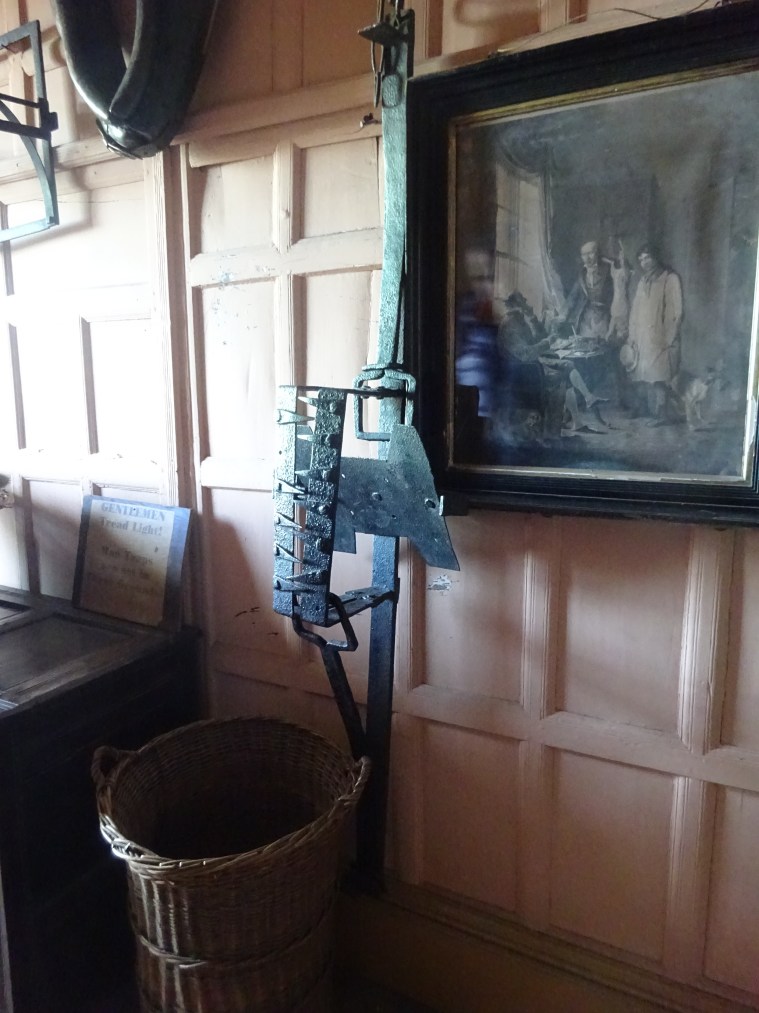
Micah, the charismatic hero of Secrets, encounters a man trap and saves a young lad from a terrible fate as the jaws snap shut.

Mantrap_Y
Godalming Museum

These devices were cruel, vicious deterrents that were set in the ground and when the central plate was pressed the jaws clamped shut, maiming the unsuspecting trespassers. 

Micah swung a leg over a fallen tree trunk, but then, as the metal’s edge caught his eye, he froze. He saw the danger and the notion of his peaceful village suddenly dispersed – man traps, never before had he seen such things around Dibbledale. The woodland had always been open to all.” 

Man traps have been used since the 18th century as the amount of what had been common ground or shared woodland began to be increasingly enclosed by unscrupulous and greedy landowners. 

Private landowners saw no reason to share the game that lived on the land with the ‘common folk.’ The 19th century progressed but so did poverty – rapidly, and many families struggled. Large pieces of what had previously been common land, free for all to graze their flocks and hunt on had been enclosed into private estates.

The Napoleonic Wars with France had incurred huge costs which had been passed on through taxation and by raising the cost of basic foods. Men had left to fight so their homes, wives and children had to cope alone. These were desperate times.

Beamish Museum

Man traps were cheaper than employing additional gamekeepers and were perfectly legal. The only proviso being that signs should be posted about the traps, or anyone injured could claim compensation. However, this aspect was not widely publicised, and it was hardly affective when literacy was rare.

DSC03148

Hunger motivated poaching gangs, breaking the law to feed their own families, and selling excess on. This upscaling of illegal activity meant landowners were more aware of the losses than they would have been with only occasional rabbits or birds disappearing. 

Man traps were an inhumane method of control, which could maimed and sometimes killed their victims. Easily disguised by putting leaves, twigs, or grass over them so that any foot, hoof or paw would spring the trap shut.

DSC02907
Ryedale Museums

They generally had a central plate with toothed jaws that would be held back by a spring until triggered when they would come together with considerable force leading to a bloodthirsty and gruelling result.

They were made illegal in 1827. Following this ‘humane’ man traps were created. A hole was dug, and the trap placed in it. These were then covered with suitable undergrowth. They still had a central plate, but the jaws were no longer toothed. No doubt it was not without pain, but it did not maim as it would previously. These had to be unlocked by the gamekeeper who had the key, but I imagine, extraordinarily little sympathy was given to the poacher who was then caught and sentenced. 

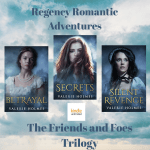
The Friends and Foes series, for lovers of romantic adventures is now available on Amazon and #KindleUnlimited. Just click here to take a peek!

Meet Christina Courtenay – winner of the RNA’s 2021 Fantasy Romantic Novel Award

Courtenay (1)

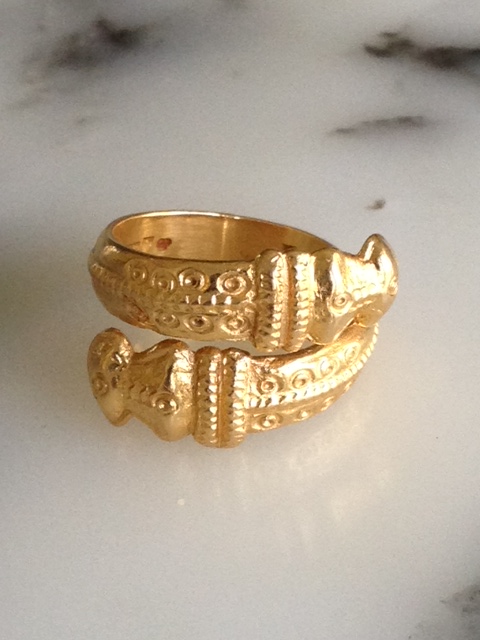
The story was inspired by a Viking style ring I own, an exact replica of one displayed at the Historical Museum in Stockholm. When I went to the museum to compare the two, I was struck by the germ of an idea for this book. My agent just happens to be Swedish as well and she encouraged me to explore our mutual heritage, so it seemed like it was meant to be – serendipity!

I am intrigued by the connection between your replica ring and the original – how long did you need to research this fascinating tale?

I can’t say precisely – the ring was the catalyst, and after I’d been to see the original in the Stockholm Historical Museum, I had the story in the back of my mind for many years but never did anything about it. Then all these weird coincidences started to happen – there was a huge Viking exhibition at the British Museum in London, several TV series about Vikings (both fiction and non-fiction), a couple of new books about them and some exciting new archaeological finds. I also managed to go to the Jorvik Viking festival at last, which I’d wanted to do for ages, and then I found my Swedish agent. It was as if the universe was telling me to just go for it – so I did and ECHOES OF THE RUNES was the result. I did some basic background research at first, then continued more in-depth as I went along, continuously reading, visiting museums and travelling to Viking sites.

Vring

What appeals to you about the romantic fantasy genre in particular?

I’ve loved timeslip and time travel stories ever since I first read The House on the Strand by Daphne du Maurier and Lady of Hay by Barbara Erskine. I think most history buffs (and I’m definitely one of those) imagine they’d love to travel back in time or somehow be able to experience the past. Within the romantic fantasy genre readers can do that – whether it’s by way of dreams, ghostly apparitions or proper time travel, the past comes to life. And we get to meet the people from the past, especially the heroes. It’s exciting and a great way to learn about history.

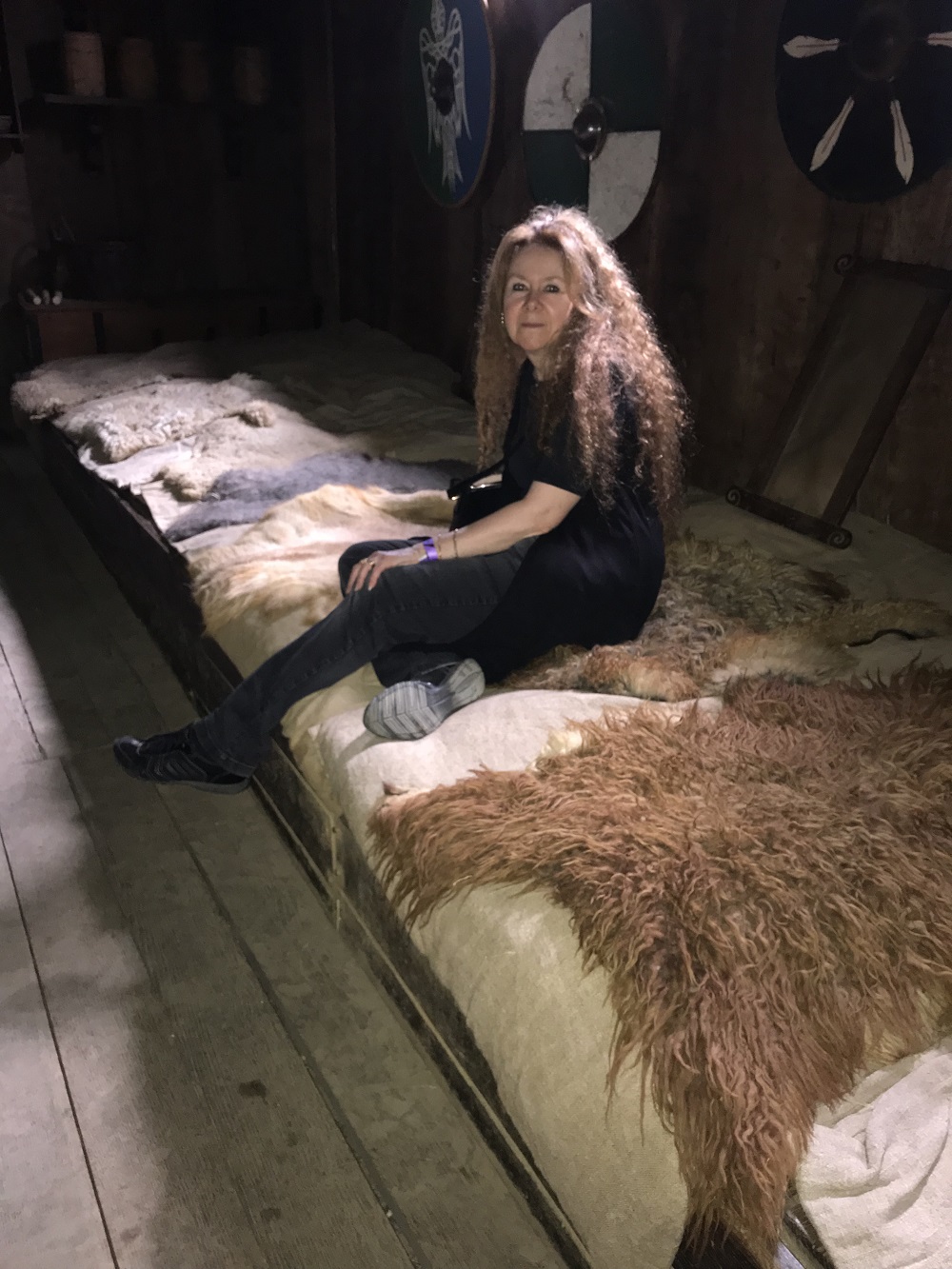
Christina in a Viking Longhouse

Will you stay within this or have you other projects in different sub-genres ongoing?

For the moment I’m staying with timeslip and time travel stories. I was writing YA a while back, but that’s on the backburner now. I think I’ve realised that I’m now writing exactly the sort of stories that appeal to me and that I enjoy most, so there is no reason to change that.

How have you coped/worked during lockdown life?

It’s been very up and down. To begin with, I was very enthusiastic and determined to get loads done. There are always so many things we put off doing, isn’t there? I did lots of writing at first and also tackled something I’d been meaning to do for ages – create a website for my genealogy project (on my maiden name). Once that was done, I sort of ran out of steam a bit, and the anxiety of the whole pandemic situation got to me. Now we seem to be heading for more normal times though, so I’m back to writing with a vengeance and actually working on two stories at once!

What advice would you give your younger unpublished self?

Join an organisation like the RNA straight away, go to as many workshops and events as possible and really listen to the advice, network, and find a writing buddy/critique partner. Before I found the RNA, I was floundering because I hadn’t come across any likeminded authors, but once I did, it felt like coming home.

The RNA obviously means a tremendous amount to you as a previous chairman but how much does winning this award mean to you?

It means so much, I can’t even begin to tell you! ECHOES OF THE RUNES was my first book with a new publisher, as well as being close to my heart because of the connection with my heritage. And after the horrible year we’ve all had, it really did feel wonderful to finally have something positive happening!

What is next for Christina?

I have two more books coming out this year with Headline Review in the Viking time travel series:  WHISPERS OF THE RUNES will be published at the end of June, and it follows a hero and heroine who get mixed up with the so-called Great Heathen Army that rampaged through Britain in the 870s AD. Then there is TEMPTED BY THE RUNES which will be out in December, and the couple in that story take the huge step of being among the first settlers in Iceland. Both these are time travel tales, where the heroines are from the present and have to adapt to living in the Viking age. Not an easy thing to do!

I wish you every continued success and look forward to reading your worthy winner.

You can follow Christina at:-

http://www.christinacourtenay.com

https://www.facebook.com/christinacourtenayauthor

Comments, likes and questions can be left below.

Meet award winning author – Val Wood

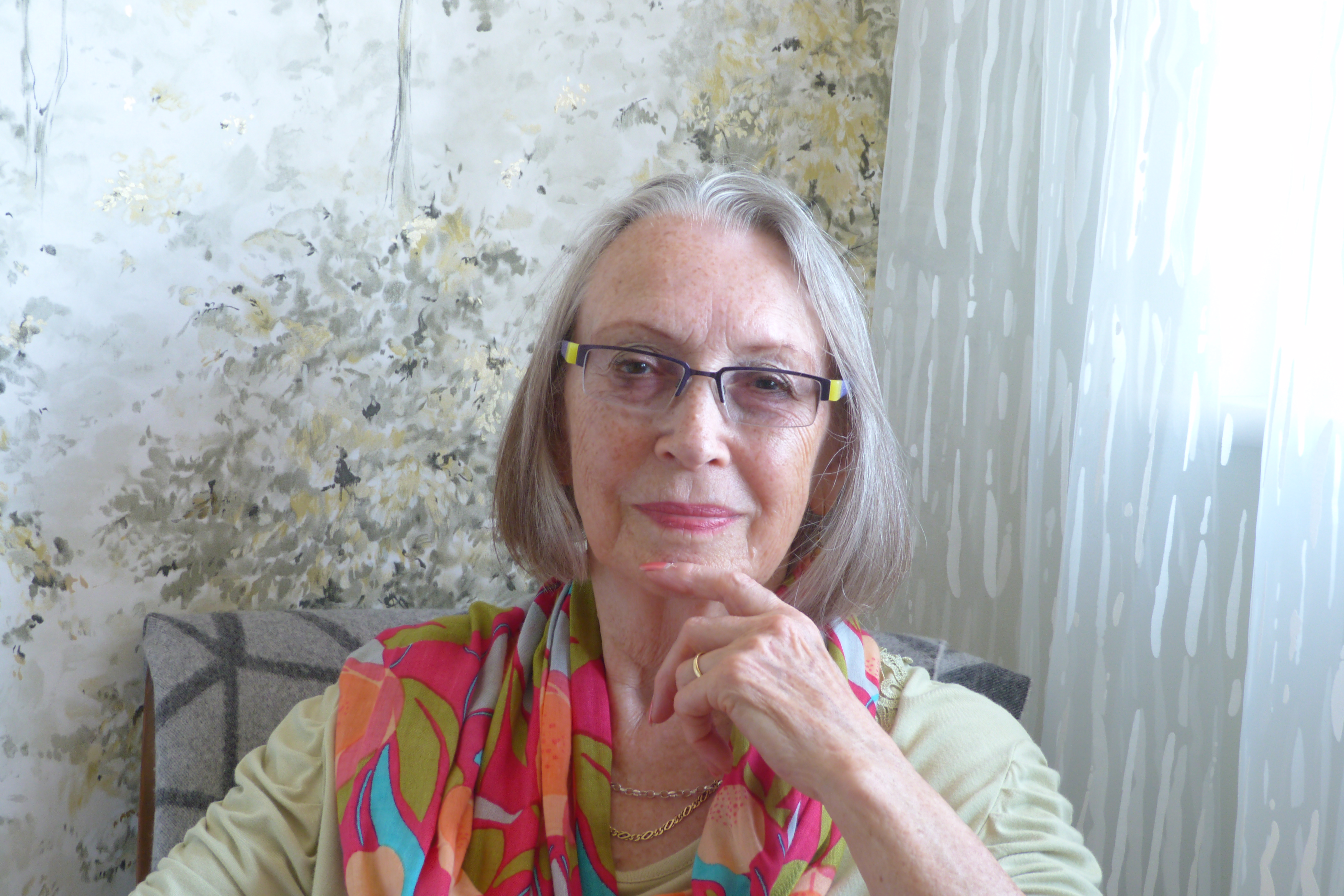
P1040413

Please share with us the amazing route that you took to becoming a published author when you had your first book accepted back in 1993, winning the Catherine Cookson Prize.

1993 seems like a lifetime ago and yet only yesterday. When my first novel THE HUNGRY TIDE was published I was totally shell shocked and astonished that I had won such a prestigious prize as the Catherine Cookson Award. My husband Peter had persuaded me to enter the manuscript, for I didn’t have the faith in myself to consider that it would be good enough, particularly as the competition was open to published as well as unpublished authors. When I was presented with the award by Joanna Trollope on a launch on the River Thames, I had no idea that this was only the beginning.

51AKX6f6APL._SX319_BO1,204,203,200_

You have your own prize now, was this inspired by a desire to also give back to upcoming talent?

I had had great encouragement whilst learning my craft of writing through many years of writers’ workshops, university lectures and discussion groups with other writers. The most pleasing aspect of all, was that most of my fellow writers wanted to write, not with the prospect of being published with a book to show, but to put meaningful words on the page that came from the heart and would interest anyone who might read it. Not forgetting the art of story-telling, which is probably one of the oldest crafts in the world. Most of us, and not only professional writers, have at some time in our lives enjoyed being read to, or have told an impromptu story from our imagination.

Ten years on and being totally committed to my work and with more books under my belt as I became established as a professional author, I began to consider that with the luck and encouragement that I’d had before and during my career, it was beholden of me to inspire others who were as keen to write as I was, and so with the help of an incredible team who organised the detail and with the assistance of the Hull Central Library, in 2013 we set up the annual Val Wood Creative Writing Competition, free to enter and with a prize. We have had many hundreds of entries over the years, we have a good system with skilled readers and I choose the final winners. 

Because of the pandemic the competition has taken longer to organize during this year’s library closures; the winners are about to be announced and we are already planning next year’s competition.

You live and write about a beautiful part of the country but is it the place or a character or a piece of historical detail that triggers the first ideas for your novels?

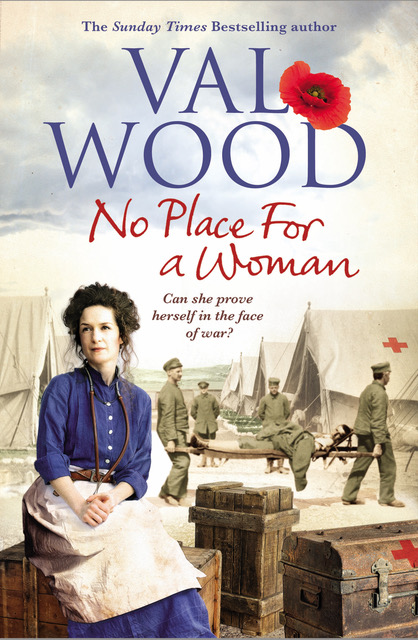
For me, when beginning a novel, the theme or subject matter is always of paramount importance and because the Victorian period was a symbol of change in industry, science and the women’s movement, I set my novels during this time, often with the background of poverty, injustice, women’s rights or lack of them as in No Place for a Woman, and how they set about righting the wrongs against them. From my imagination I have created women who didn’t want to sit and wait for a husband to claim them and who set out to find their own role in their lives as in Far from Home, and others who found they had made the wrong choice as in my latest novel The Lonely Wife. 

Do you let your characters grow organically on the page or do you plan ahead?

I don’t know my characters until I name them and then I watch them grow into the life I create for them. There are times when I don’t know which direction they will take, or sometimes I know the ending before I am halfway through. It is very important that the characters behave as real people of the nineteenth century would have done and don’t fall into  the trap of twenty-first century manners or speech such as OK or getting sorted, level playing field or even the latest phrase of roadmap! This would totally confuse a nineteenth century character. 

I always give the men in the novels a strong part; my males are considerate on the whole, though some are not and get their cum-uppance! And of course, there is always a romantic element, and I generally fall completely in love with the male protagonist!

Having written so many books based in the region, was it your inspiration to create the Val Wood’s Trails?

Alongside the theme and the characters, I think of the place or setting. I have done this from the very first novel because I need to know where my characters live; I drive out or walk to look at locations in East Yorkshire and I might well have terrified bystanders at some time in the past by standing on the edge of the crumbling cliffs of Holderness; confused others as I stare into space to imagine where a building or street in the heart of Hull might have been before it was blitzed, or clutching a cup of coffee in a café in an East Yorkshire market town that has retained some Victorian element. I place my characters there; this then inspired the idea of bringing those characters to life and allowing readers to follow their trail either physically or online as I did with The Kitchen Maid and The Harbour Girl.

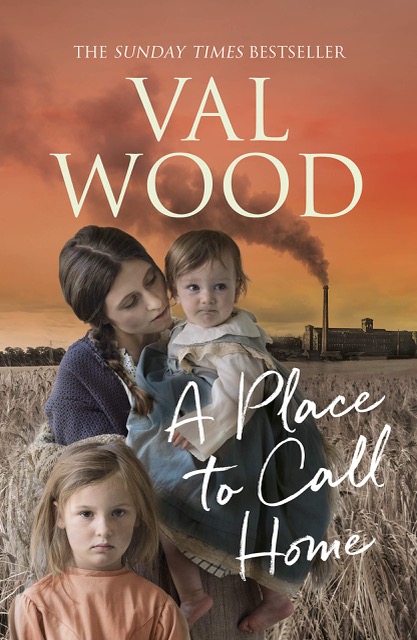
A Place to Call Home Cover

Pre Covid the libraries were a place that you have supported and being actively involved with so in what ways have you missed this side of your writing life and tried to compensate for it?

During this pandemic, I feel that many people including authors have felt the strain of uncertainty and doubt.  Beginning the present work in progress was difficult; I felt slowed down, uncertain where to begin; this was the first time ever that I have felt this way; I wanted to write a ‘feel good’ story, something to make readers happy and uplifted, but it just wouldn’t come. 

I was sorry to read of your personal loss due to Dementia and understand that you are actively involved in work with the Friends of the Hull Memory Clinic to spread greater awareness and understanding. Have you post-lockdown plans to continue with this?

Since my husband died from dementia in 2009 I have lived alone but haven’t felt lonely; my writing and a loving family saved me from that, but I have missed not being able to meet friends, not feeling safe enough to shop in a store or being unable to visit a favourite historical building. Simple things that we took for granted but won’t ever again.

I told myself to take it easy, to be kind to myself. I have written a book a year since 1993 even through my sad and difficult times, plus several short stories for magazines, essays and lectures and published one ‘long’ short story of 50 pages for a local charity in order to raise funds for a memorial to the people of Hull who died in the Second World War.

So I took a short time out and walked on the green and lovely common land of Westwood here in Beverley and I regained my equilibrium and after a time was able to begin again, deciding that I would continue from The Lonely Wife and write a sequel.

In the past I have been a ‘hands on’ volunteer, being with one charity for almost thirty years; but now in my later years I have changed roles to give support by becoming patron and vice president with charities that I have long supported. I consider that I do very little now but most of us can do some small thing and it is appreciated.

I contemplate that I have been very fortunate in my life, and the schoolgirl who struggled with maths and dates in history, but loved writing stories would not have believed how life could change because of a fertile imagination.

No Place For a Woman. PB

Which historic figures stand out as inspiring of the women you have researched?

I have learned so much during my writing life and read about some incredible women through my research; Marie Curie who was honoured with the Nobel Prize and under intense pressure from her male peers, went on to invent the first mobile X ray machines and took it herself to the Front during the First World War thus saving thousands of lives.

Elizabeth Garrett Anderson and her daughter Louise Garrett Anderson, both suffragettes and campaigners for women’s equal rights as men had, and Caroline Norton who petitioned Parliament to change the laws regarding Custody of Children, and so many more.

What have been the highlights of your career to date: the Honorary Doctorate, being a Times Bestseller, winning the Catherine Cookson Award – all or something else?

Winning the Catherine Cookson Award opened up a host of other opportunities from becoming a Sunday Times best- selling author to being honoured in 2017 by the University of Hull with an Honorary Doctorate for the contribution to literature, my greatest achievement; and in 2019 an invitation to a Royal Garden Party at Buckingham Palace that brought tears to my eyes as I walked through the hallowed portal. All for the love of writing.

What is next for Val Wood?                     

What comes next?  First of all finish the sequel to The Lonely Wife which is running head to head in popularity with The Doorstep Girls. My working title is Children of Fortune and features not only the children from the Lonely Wife as they grow into adulthood but also another child from a different family with a question mark over her parentage. I don’t yet know the ending.

                                               —-

Charities I support.

Home-Start (Hull) the children’s charity

Sight-Support – Hull and East Riding for people with sight loss 

Butterflies – The Hull Memory Loss Support group.

Celebrating: The Goldsboro Books Historical Romantic Novel shortlist!

Goldsboro Books is the UK’s leading independent bookshop, specialising since 1999 in first editions, signed, collectable and exclusive books. Situated in Cecil Court in London’s West End, and – as of December 2020 – Brighton’s famous Lanes, it has gained a reputation for championing debut authors, as well as creating the UK’s largest book collectors’ club, and is influential in selling large quantities of hard-back fiction. 

The Goldsboro Books Historical Romantic Novel

Every author has their own unique story to tell about how and why they came to be a novelist. Read on to find out the stories behind the talented authors shortlisted for the prestigious award, as they reveal them, and the inspiration behind their lovely novels.

Goldsboro Books is the UK’s leading independent bookshop, specialising since 1999 in first editions, signed, collectable and exclusive books. Situated in Cecil Court in London’s West End, and – as of December 2020 – Brighton’s famous Lanes, it has gained a reputation for championing debut authors, as well as creating the UK’s largest book collectors’ club, and is influential in selling large quantities of hard-back fiction.

Heartbreak in the Valleys – Francesca Capaldi

Hera Books

The idea for Heartbreak in the Valleys came from a document I discovered on Ancestry.com. It was the WW1 record for my great grandfather, Hugh Morgan. It revealed that he’d enlisted into the Rhondda Pals but was discharged on medical grounds eight months later, with tachycardia, while still training. Wondering what he must have felt, with his pals off to war, and how it affected those around him, I came up with the basis of the novel.

The Coming of the Wolf – Elizabeth Chadwick

Sphere, Little, Brown

I wanted to write a story about how people of every culture coped after the Battle of Hastings in 1066 and The Coming of the Wolf is the result, with a Cambro-Norman hero and an English heroine. I wrote the novel long ago, but dug it out to edit and put a few chapters online. My readers immediately demanded the rest and it was their encouragement and push that ultimately led to the novel’s publication and subsequent shortlisting.

Spirited – Julie Cohen

Orion Fiction

Daniel’s Daughter – Victoria Cornwall

Choc Lit

Daniel’s Daughter tells the story of a character who appeared at the end of one of my previous novels in the Cornish Tales series, The Captain’s Daughter. I always wondered what would happen to Grace should she discover a secret that would destroy her trust in everyone she loves. The books in the Cornish Tales series are stand-alone stories and can be read in any order, however writing Daniel’s Daughter brought closure to me as a writer.

The French Wife – Diney Costeloe

Head of Zeus

Encouraged by my publisher father, I have written stories all my life. In 1980 I entered Woman’s Hour’s romantic novel competition, and though I didn’t win, I was shortlisted and so I submitted my novel to Robert Hale. It was the beginning of my published career. I wrote ten romances for them and others before moving on to historical fiction, 19th century, WWI, WWII but always with a romantic element. That’s where I am now.

People Like Us – Louise Fein

Head of Zeus

As a child, I always had my nose in a book. I think I wrote my first story aged around six. It wasn’t until my youngest daughter’s illness forced me to give up work that I began writing seriously. I took a master’s degree and began working on a novel. That novel, the first I ever wrote, became People Like Us. It is beyond my wildest dreams to be published and shortlisted for this award!

The Lost Lights of St Kilda – Elisabeth Gifford

Corvus

The Lost Lights of St Kilda was inspired by the last families to live in Scotland’s most remote island who had to abandon their beloved home in 1930.

I was able to visit St Kilda with its magnificent scenery, and the abandoned village. I combined this with a story of a WW2 Scottish soldier who stays on the island as a student, and falls in love with an island girl. He is captured during the Dunkirk evacuations. His escape to get home to Chrissie was inspired by our grandparents’ stories of helping escapees to escape Nazi-held France.

Rags-to-Riches Wife – Catherine Tinley

Mills & Boon Historical

In Regency Romance, there is an emphasis on the world of high society. My own ancestors though would not have been aristocrats. We were farmers, tradespeople, servants. This was my chance to delve into the life of a regency servant. Jane is a lady’s maid, and is invited to stay with wealthy relatives. How will she manage as she wears silk dresses instead of cleaning them, as she is mocked for her chapped hands and lack of schooling, as she finds herself falling in love with a gentleman – someone above her social class?

The Skylark’s Secret – Fiona Valpy

Lake Union Publishing

I was travelling in the far north of Scotland and I came across the Russian Arctic Convoys Museum. I was astonished – it was a WW2 story that I’d known nothing about. Loch Ewe was chosen as the

muster point for ships braving the Arctic seas, running the gauntlet of Nazi U-boats and air strikes to keep the Russians supplied with food and armaments. The idea of this peaceful, remote crofting community suddenly becoming such a strategic focal point in the war inspired The Skylark’s Secret

The winner will be announced on the 8th March 2021.

Please feel free to leave a comment or like the post.

Meet prolific author, Paula R C Readman!

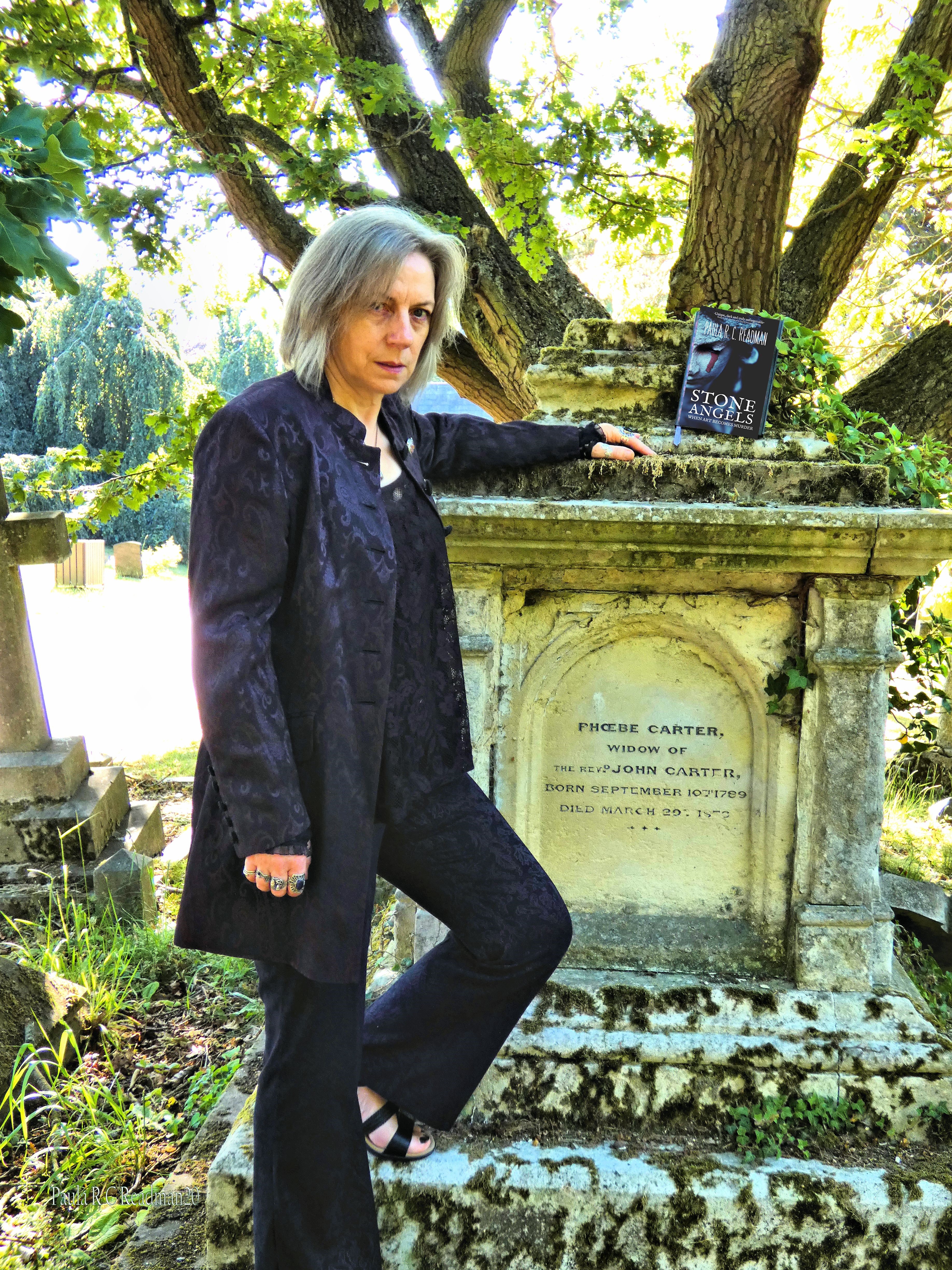
Paula R C Readman 300520 (1)

Welcome, Paula

What are you currently working on?

At the moment I have two projects in the pipeline.  A follow-on novel to my novella, The Funeral Birds, a tale about a failing detective agency run by Dave Cavendish and his side kick, a sixteenth century witch called Granny Wenlock who’s his ancestor. 

The follow –on novel, As the Crow Flies I’ll be exploring more of Granny’s background as well as giving the characters a new case to solve. The novel allows me to bring together two interesting timelines. My problem at the moment is how to make the flow of the plot work as the timelines shift.

My second project is a 7k short story for Black Hare Press Alice 13. It is thirteen different stories, in thirteen different genres all featuring Alice from Wonderland. I’ve written the plot idea, a synopsis and the first four pages. The deadline is allowing me plenty of time to think about it.

As my new novel is flowing nicely I want to focus on that for a little while before finishing my Alice story.       

 That sounds fascinating! Your work crosses different genres. Which came first?

I’ve always loved a good mystery. I think my love of mysteries comes from my love of history. At school I loved learning about ancient history.  We can only imagine how different the world must have been to our ancient ancestors. We know how most things work as science has shown us the key to all life, but to the people in the past it was a real mystery.

A mystery in fiction can cover a wide range of genre from romance to crime novels. I don’t write romance, but I do enjoy writing a wide range of genre from gothic ghost stories to Sci-fi tales.   

 Do you switch from one project to another to stay fresh?

All the time. When one deadline appears on the horizon I will stop and focus on that one and complete it. It gives you the break you need to see any typos, plot failures or weaknesses as well as sparking fresh ideas. When I return to a project I re-read the whole of it before writing more.      

 Do you plan out a story first with a detailed synopsis or work organically, allowing the plot to develop on the page.

A bit of both really. I normally have an idea of the beginning and the ending, so it’s a case of getting from A to B in the most interesting way. With books, I tend to create a paragraph of the overall plot and work out who is the best person to tell the story. My synopsis is written once I’m half way through writing the first draft. You can’t know your full plot until you’ve written the first draft because everything is very fluid when you initially start. 

 Do you begin with an idea of the plot, a character, a setting or does it vary depending upon genre?

I normally write a rough plot idea down, and then work out who my main character will be, along with the setting, timeline whether it is a short story or novel. Once I have the opening paragraph then I’m up and running. As the plot line develops so I add new characters and write up their background. I keep adding important information to a file like the type of car my main character is driving, hair and eye colour etc. I don’t spend time writing a detailed background sheet before starting because none of it may be of relevance to my storyline.   Do I really need to know what school my serial killer went to in my 5k word short story before writing it unless it is relevant to the plot?

What is your work schedule like when you’re writing?

My best time for writing is just after I’ve woken up. My mind is fresh and sharp and I can get quite a bit written. New ideas flow easier and I can pick up typos too. My husband is normally up early for work, so I’m at my keyboard at 4.00 in the morning.

 That is really impressive! Do you ever write real life experiences into your work?

All writers do through their emotions. No experience whether good or bad is wasted as it all feeds into our writing whether we like it or not. For our characters to be three dimensional we need to use all of our life experiences, which have made us rounded people to create them.  

What was your hardest scene to write?

I wrote a short story called The Meetings which tells of two people meeting in a park. The narrator is the park keeper.  Through him we learn about the couple, but there’s a twist. It touched a real nerve with me as I wrote it not long after my father passed away.

The story was rejected by People’s Friend Magazine but went on to become an overall winner in a writing competition.

How long on average does it take you to write a book or novella?

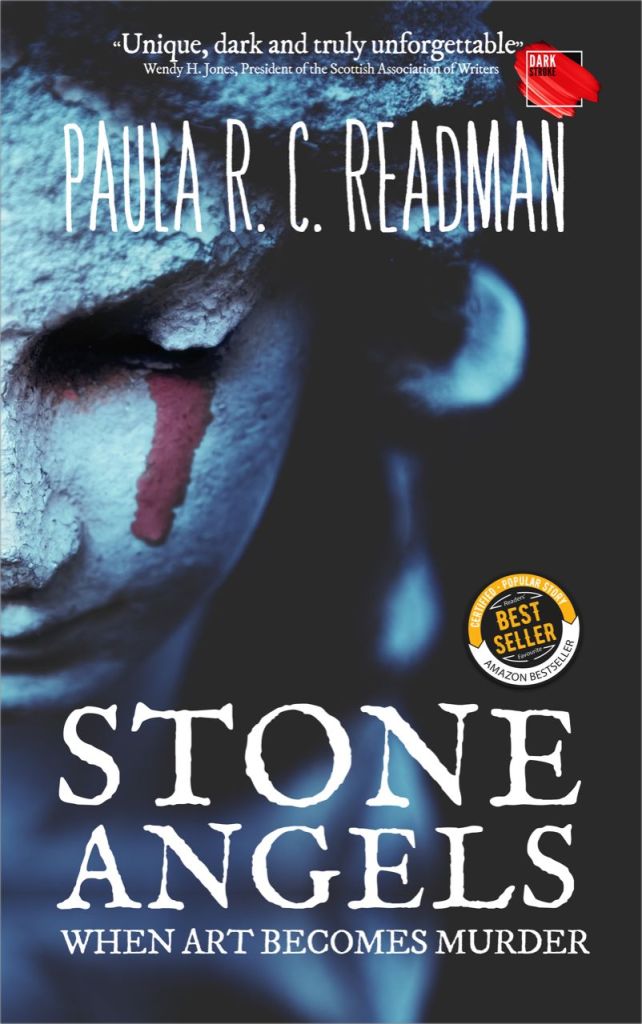
Oh goodness, how long is a piece of string? Too long in some cases, right? I have eight novels sitting on my computer in various stages of completion. Since I have been writing over 18 years and have only had three books published I’m not 100% sure how long each novel has taken to write. Stone Angels took me six years in total and then another eight months of editing.  In those six years, I lost my mum and life got a little crappy too.  My novella took a week to write but sat on my computer for a long time until the right submission call out came along. 

How have you coped with life in the pandemic?

Quite well. I was already in self-isolation as I was busy editing. So I’ve just continued doing what I was doing. My husband and I are missing travelling to Whitby for the Goth Festivals and I didn’t get my book launch I always dreamt of doing. Unfortunately, I lost two dear friends last year which dampened my excitement at seeing my work published.   

I so miss travelling in North Yorkshire and Whitby in particular. I wish you every success, Paula, with all of your projects and look forward to learning of your next publishing deal.

Meet historical fiction author, Elizabeth Bailey

I am really delighted to invite my fellow Sapere Books author, Elizabeth Bailey, as my guest this month.

Elizabeth Bailey author photo

Welcome, Elizabeth!

My first question has to be where did your love of storytelling and writing begin?

My father read to us and my older sister made up stories for my brother and me, thus fostering an early interest in literature. I can’t remember when stories were not part of my life. Difficult to recall when I began to write them. In school, for festivals, and for pleasure.

My first fairy tale featured a hero who had to rid the lake of a plague of giant spiders in order to win the princess – hence romance. But the darker side was there too in an epic tragi-poem of a sailor who murders the mermaid who loves him. Shades of the future there?

There is a touch of horror in there for me too – spiders!

Do you find switching between the two very different genres of romance and crime keeps your writing fresh?

To be honest, I don’t switch much. I’m either writing romances one after another, or mysteries ditto, whatever happens to be driving the bread and butter. I contributed to anthologies with five other authors, producing a string of Regencies which became the Brides by Chance Regency Adventures. My Lady Fan mysteries had languished when I lost my first publisher. When Sapere picked them up, I began a feverish assault on those and haven’t swapped back yet. I write the occasional snippet of something completely different when the mood strikes.

in honour bound 500

You touch on the paranormal in some novels, is this an area of research that you find fascinating?

I am absolutely sold on the supernatural. Powers above the norm, which I believe we all possess if we can access them. Telepathy is everywhere. You think of someone out of the blue and then they ring you up. Magic. Saying which, I was hooked on the Harry Potter series and I’m a sucker for fairy tales. As for past lives, we have all lived many times before. Far too much proof for doubt. One of my paranormals is based on an incident from one of my own past lives. I have no truck with the prevalent one-life belief!

That is fascinating. I admire your certainty.

In the ‘Lady Fan Series’ your protagonist is a woman who has to overstep the conventions of a lady in her day. This is a difficult challenge for an author and is a factor I also try to balance. How do you enable her to complete her investigations in a credible way for the period?

This is why I gave her Lord Francis. He is both husband and champion, her protector, and he can go where Ottilia can’t. If she does venture where ladies don’t, she is always accompanied by a stout male guardian – Francis or her Barbadian steward. Nevertheless, she still gets into dangerous situations. Her medical lore is gained from helping her brother doctor Patrick, with whom she lived for years before her launch into solving murders.

The Gilded Shroud 500 x

Her background is “the middling sort” – genteel but not moving in the first circles. She observes the aristocratic milieu she is now in with an outsider’s eye, and she is free of the shibboleths governing the behaviour of ladies in that strata. That’s why she oversteps the bounds of convention, relying on her status for impunity. She has married into the elite where eccentricity is tolerated. In other words, she gets away with it!

Writing a series with recurring characters means that they have to continue to grow and develop with each new novel. How do you keep track of their biographies so that this development is consistent?

Wow, I have no idea! Every story has its own “bible” with cast, places, etc and snippets of potential plot, all of which I add to as I go along. The basics are copied into the new bible for a new book. If I’m missing one, I get it from an old bible. I probably ought to keep a spreadsheet, but I know I’d never manage to keep it up! I’ve always written this way – a cast/plot document and a text document, plus research docs, discarded text in a temp doc in case I need to retrieve it.

How I keep track is a mystery, but I do. So far. The characters who keep coming back are a fistful really. When other family members intrude, it’s usually in a minor way and about the only thing I have to figure out is how old they are now. Francis and Ottilia have developed without much help from me. They evolve story by story. I do enjoy their relationship. They have their ups and downs, but I find readers are engaged by their enduring love story.

When I began the series, I determined to marry them off after the first book because a personal bugbear of mine is those off/on romances that persist through a whole series. Why can’t they just get it together? Instead, I decided to give each story a secondary romance, but in the event, it turned out my hero and heroine are still very much the romantic couple in every story. I didn’t plan it. They just are, those two!

You have had some fascinating career roles to date: acting, directing, teaching and of course writing. Has each one contributed something to your current profession of being an author?

Absolutely. Theatre has shaped my writing. Dramatic structure parallels story structure in terms of build-up, highs and lows, climax and denouement, not forgetting cliff-hanger scene endings, “curtain” in drama. There’s also motivation, emotional journey, conflict (inner and external), character, dialogue, sub-text – the spaces between the words and character introspection. As an actress, these things became part of me. As a teacher, I had to dissect them. Ditto as a director, viewing my “staged drama” as a whole moving picture. The difference is that words encourage the reader to watch “the play” in their imagination.

You have been blessed with cross-cultural experience and travelled widely throughout your life. Do you agree that these aspects of life help to deepen an author’s ability to create engaging characters and plots?

I think it has given me a large tolerance of other cultures. Perhaps most telling, an understanding that human nature is pretty much the same, nation to nation. Such cultural differences as there are consist by and large of moral standards and artistic appreciation. But the human condition is what it is throughout. We all run the gamut of emotions and struggle with our personal demons as we try to survive. Observation enables you to engage as you mirror the inhabitants of the world around you.

Who or what would you say has had a strong influence on your life/work ethic?

My values echo my father’s. A true gentleman, he had wide tolerance, liberal ideals, intelligence. Articulate, funny, considerate and kind, he was a big teddy bear to me. As to work ethic, I imagine my mother’s bundle-of-energy personality must have rubbed off on me. Not that I could keep up! But I do have her drive to push through and get things done.

You have been published and self-published. What would you say are the main advantages or disadvantages of each?

Oh, this is a hard one. These days, you can’t talk of leaving promotion to others because both avenues require you to play your part in touting the books. I think traditional publishers help with visibility and take the burden off in terms of editing, proofing, formatting, book cover design and initial launch. On your own, you have to do it all and that’s tough. On the plus side, you have artistic control and personal satisfaction, even if sales are not as easy to promote.

counts charade front 500

What advice would you give your younger self if you could as you set out on a life as an author?

Well, this is interesting because I am constantly giving advice to new authors. I’m not sure I would give the same advice to my younger self because things were very different in publishing when I started out. I had also already struggled to make it as an actor so persistence was not new to me. I think I would say: “Just do it. You’ll regret it if you don’t.”

What is next for Elizabeth Bailey?

Here’s where I reveal the dream! If I get my dearest wish, it will be a TV series of Lady Fan. That would put the icing on the cake of my writing career.

Thank you for taking the time to answer all my questions and I wish you every success in your career and in life. I hope you realise your dream!