

One of my fondest memories of growing up in the coastal town of Redcar was walking along the promenade with my father and seeing the flat-bottomed fishing boats being pulled up onto the beach after they crashed through the breakers on the shore-line.
People went down to meet them on the fine sand of the beach to see what they had to sell of their catch. I would eagerly peer inside. Fresh fish meant just that: mackerel, cod or crab to name but a few, depending on the season.
Sadly, this scene is no longer common. The boats that once lined the promenade are few. All along the bay towns of the northeast coast, the fishing industry has diminished.
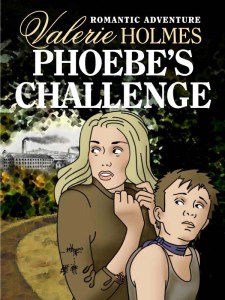
In Phoebe’s Challenge, she instantly looks upon the distant boats and the sweeping bay as a scene of beauty when she sees the bay open up before her for the very first time. This story is based on a village I call Ebton, which has striking resemblances to Saltburn.
In my previous blog post on Cobles and Contraband, I talked about the versatility of the cobles (often called cobbles locally) and their use in smuggling at the turn of the nineteenth century. When the sea wall was being built at the end of the eighteenth century many men were housed in the small towns of Coatham and Redcar. They supplemented their income, like the local people, by working in gangs to bring contraband ashore from the colliers and luggers that would hover illegally off the coast. They would then distribute it before the beleaguered customs service could catch them. They would have been vastly outnumbered anyway.
One historic boat, which does still have pride of place in its own museum, is the Zetland Lifeboat.
In October 1802 this oldest surviving lifeboat in the world arrived at the small coastal town of Redcar in North Yorkshire. In its time it has been used to save over 500 lives and the service that began with it has continued to work in the exceptionally dangerous conditions of rescues in the North Sea. Grace Darling was an exceptionally brave lady who risked her own life to save others. The RNLI continues to save lives. These days their boats do not need pulling down to the edge of the water, but they face the same dangerous, treacherous seas as their forefathers.


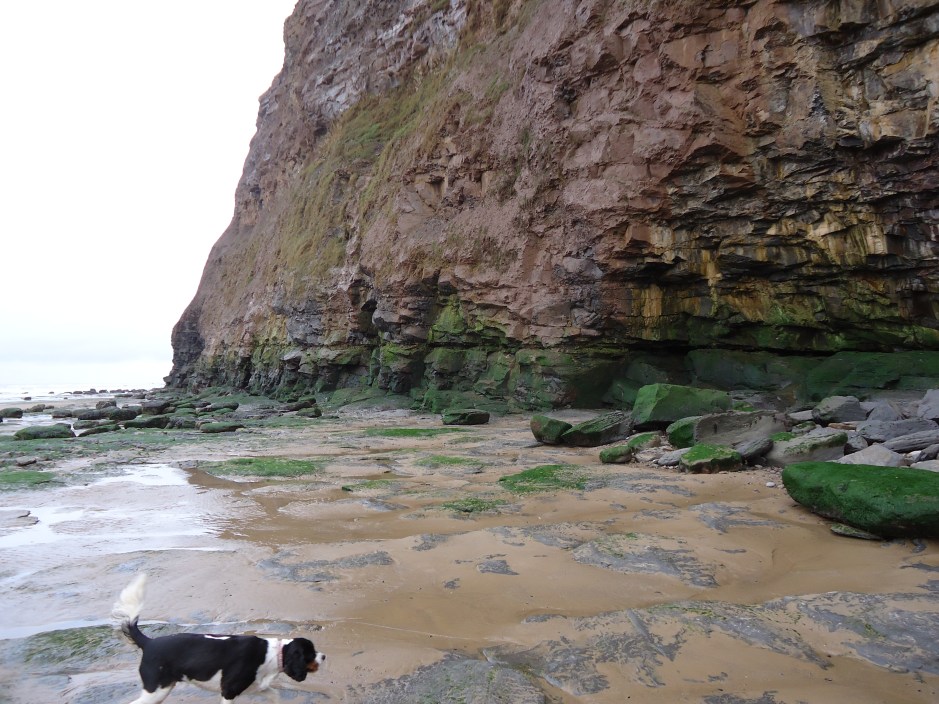


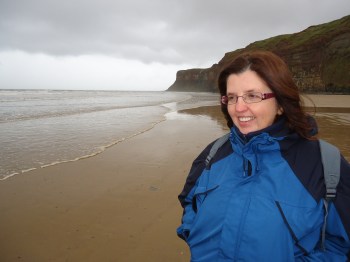 My stories are often set around the dramatic coast and countryside of North Yorkshire, where I grew up. It is an area of outstanding natural beauty and fascinating social history, especially around the early nineteenth century when England was at war with France and many things were changing at home.
 The Yorkshire cobles with their flat bottoms were ideal for beaching loads of contraband. Goods such as tea, cards, ankers of brandy, geneva, pepper, ‘sack’ or sherry, sugar loaves, silk and cards, to name a few were taxed heavily, which meant that common folk felt justified by buying them cheaply from the free-traders. The irony was that the coin, which made its way back to France, helped to fund the enemy that British soldiers were fighting.
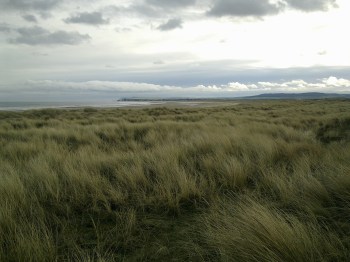
 The rugged headlands, flat sweeping fine sandy bays, natural woodland and the beautiful expanse of the North Yorkshire Moors inland add both a great variety of scenery and beauty. The settings for my stories are as dramatic as the plots. I have created my own villages and characters and will introduce you to some of them as I look more closely at the actual history of this fascinating region.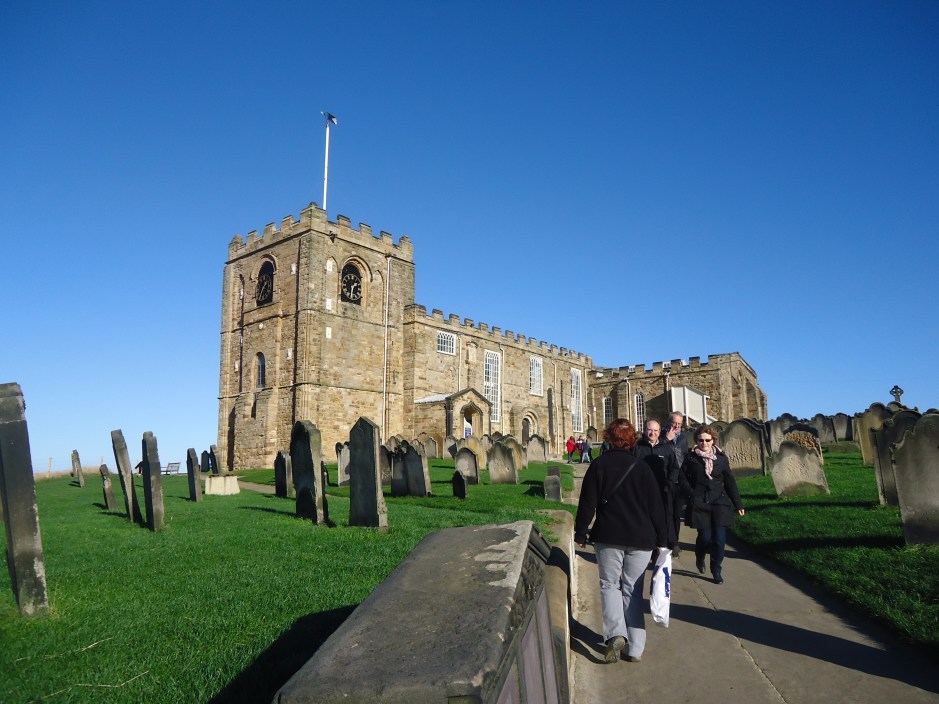



 Buy and read now!