Summer may be drawing to a close in the UK, but what a warm one it has been! Whether you enjoyed staying at home or ventured abroad I hope you had a fun time. Personally, I love to balance travel and home. Are you a home bunny or long to see the world?
Holidays are a way to escape from the normal routine of daily life commitments, to experience new challenges and recharge… Like escaping in a good book. If you enjoy a slow burn romance wrapped around a Regency romantic adventure, then read on…
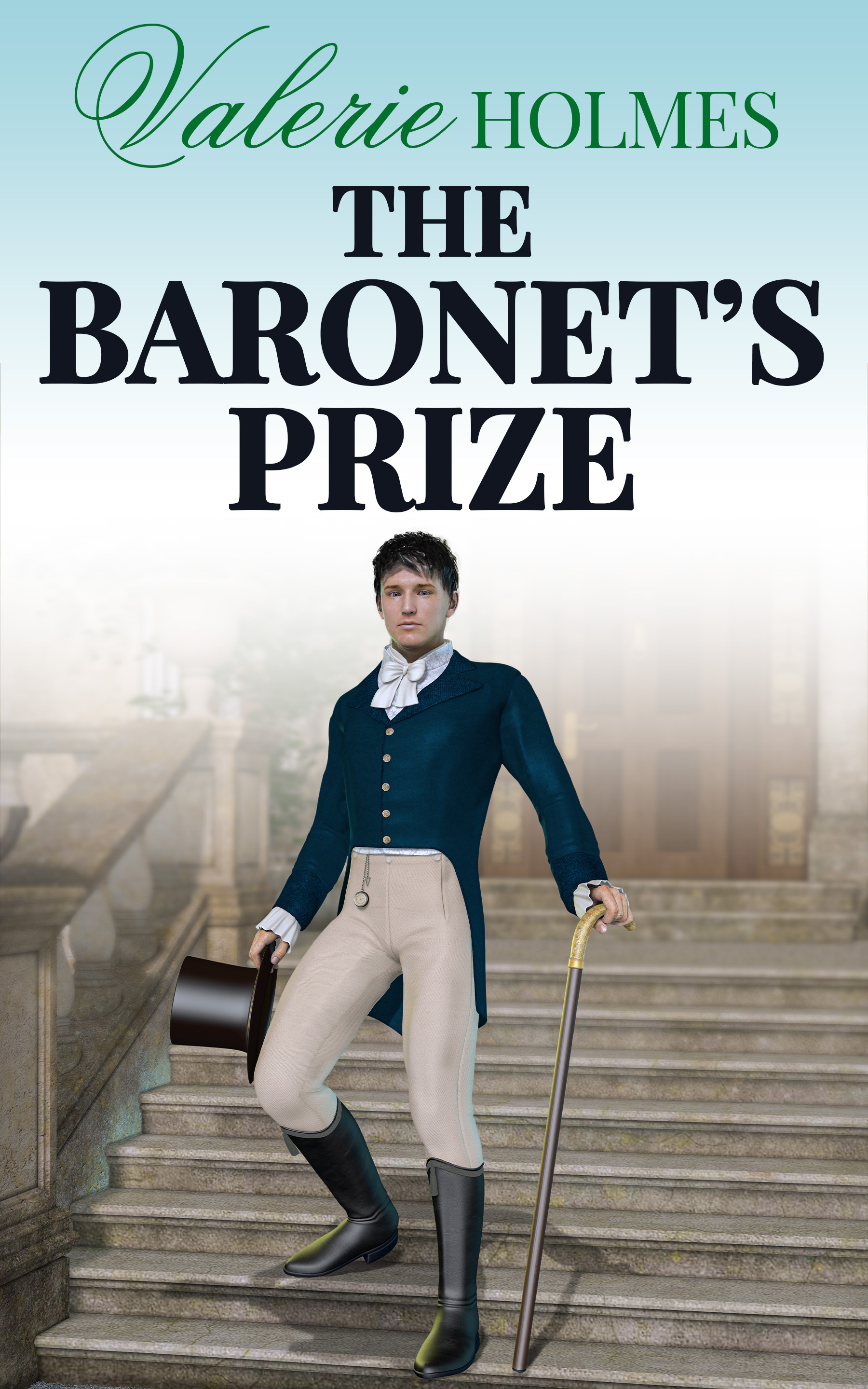
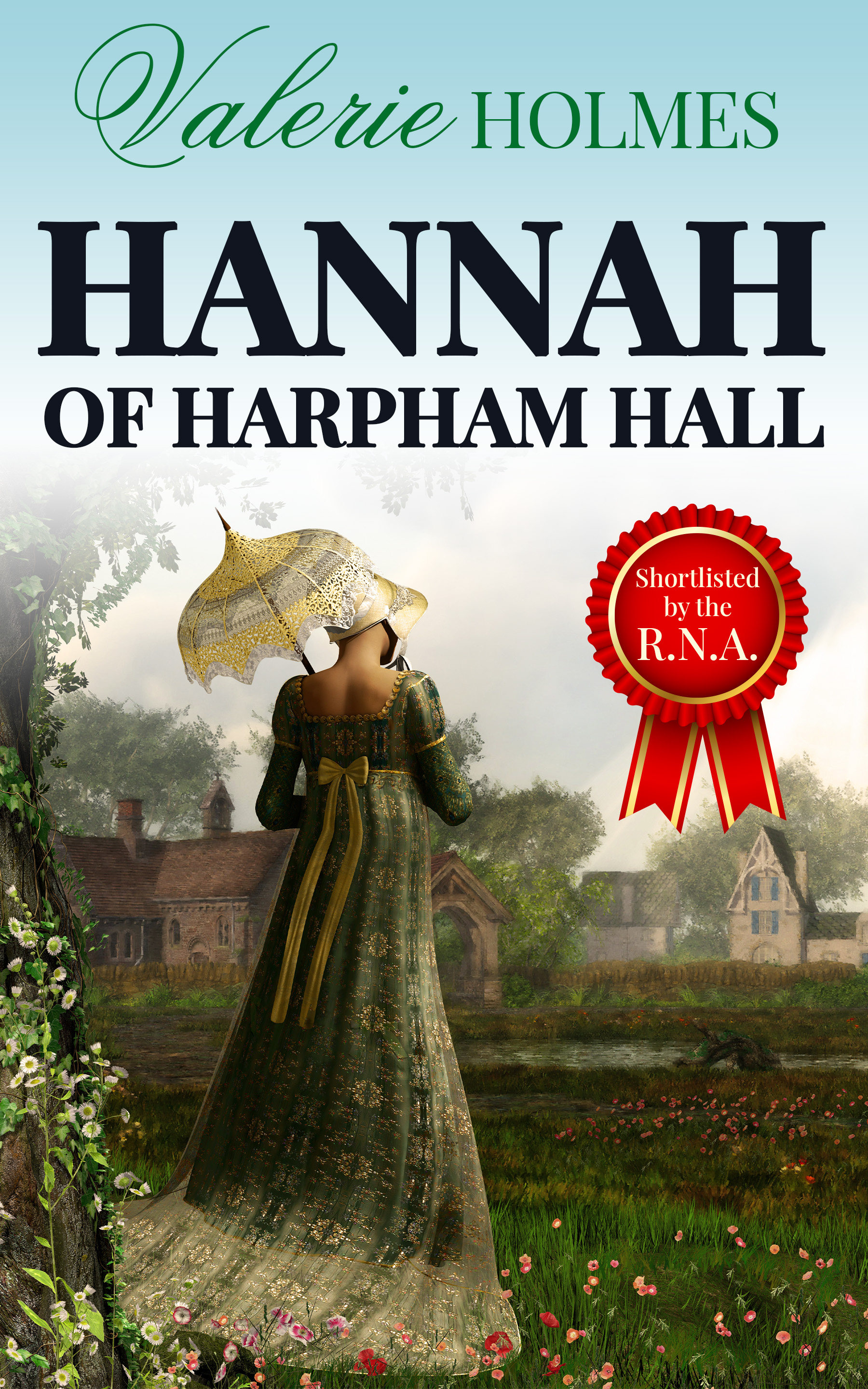
My exciting news for Amazon.com readers is that from today three of my Regency novellas are now available to listen to free from Audible.com – Hannah from Harpham Hall, which was shortlisted for The Love Story of the Year Award by the Romantic Novelists’ Association when it was first published by DC Thompson has now joined The Baronet’s Prize and Phoebe’s Challenge.
In the UK and other countries they can be purchased on Kindle or enjoyed free from KindleUnlimited. I hope that in the future they will also be come available in Audible in the UK too. These are my first three novellas to be re-edited and re-launched in digital format, their length is perfect for listening to on a journey or loosing yourself for a few hours in a complete slow burn mantic wrapped around an exciting adventure.
All writers grow and learn as their careers progress. Since 2003, when my first novella was accepted for publication, a further 52 have been published in traditional large print and distributed through the Commonwealth library system.
Libraries have had to compete with the change in readers’ online habits and the availability today of books in various formats through various distribution channels. A library provides a physical presence within a community, but as well as offering its invaluable traditional book-loaning service they now offer so much more to their local community. Which is why they should be used and valued.
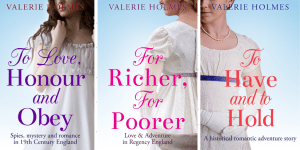
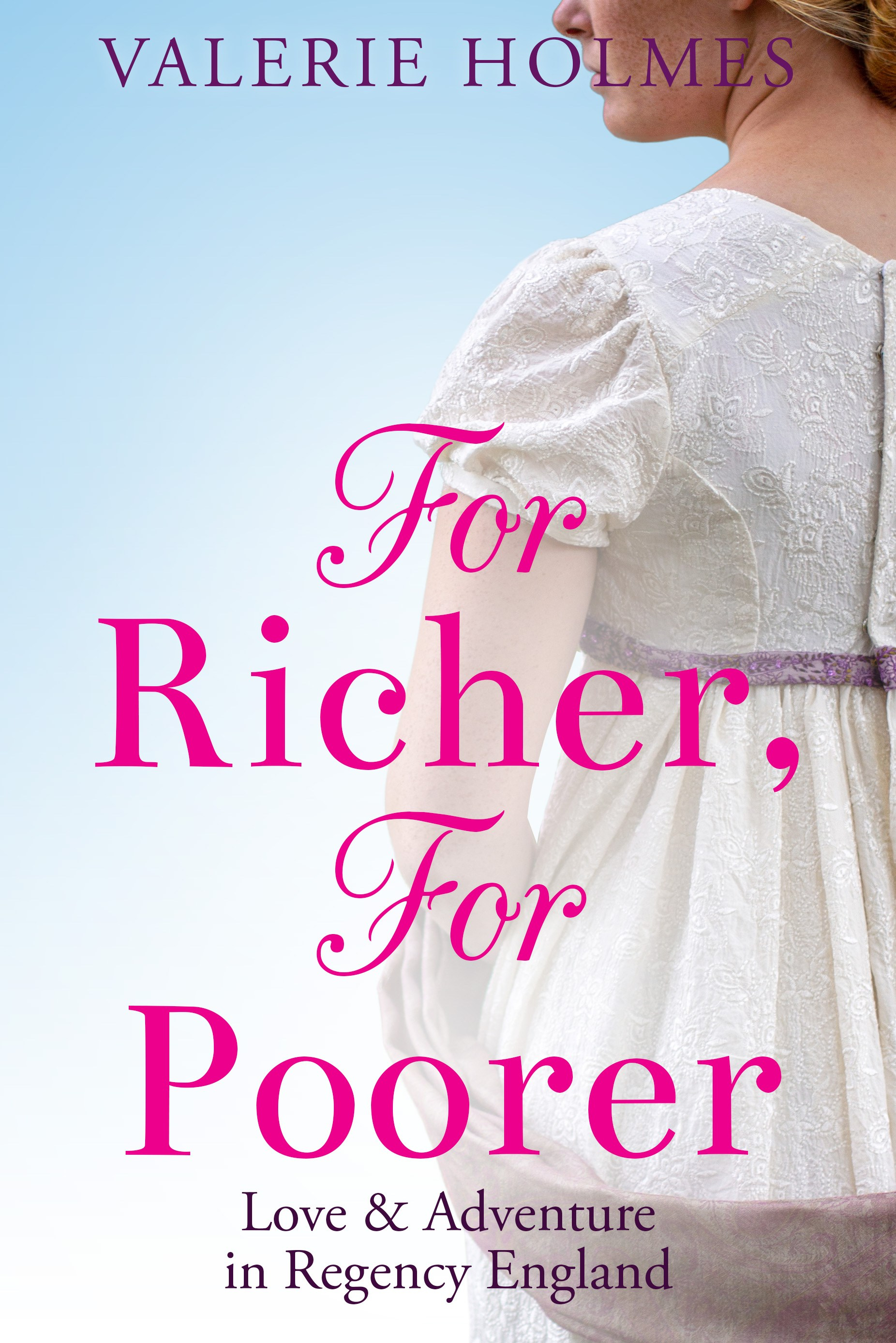
More good news is that For Richer For Poorer, published by Sapere Books, will be released in large print by Ulverscroft in early 2026.
For reader’s who want a longer read with all the elements of romance, mystery and adventure then get ready to fall in love!
My books offer Regency romances that will warm and captivate your heart. Discover the untold stories, hidden away from societies prying eyes.
Read now and escape into the adventure!
“Silent Revenge has the potential to capture not only devoted Regency romance fans, but also readers drawn to intrigue, history, and enduring love.”
I hope you agree. Please feel free to leave comments and questions below.
“It is always incomprehensible to a man that a woman should ever refuse an offer of marriage.”
Jane Austen, Emma
When George III was declared unfit to function as monarch his son, the Prince of Wales, became the Prince Regent. George the younger had little interest in politics, leaving the wars with France to the politicians, whilst he indulged his friends and himself with a lavish lifestyle of elegance and fashion. The Ton – from the French phrase ‘le bon ton’ meaning ‘elegant style’ represent the fashionable society of London – an elite group. The divide between the extremes of the rich of Mayfair, London, and the poor of St Giles, living in the city slums, could not have been more dramatic.
In Parliament seats in the House of Lords were inherited and in the House of Commons could be corruptly bought, so the working and fighting man and the women who relied upon them, who made up most of the population, had little representation to improve their lot. My stories are set in the north of England away from the Ton and Parliament, but life was influenced by their wars, laws, and taxes.
In the above quote Jane Austen expressed a commonly held view, because women of the time had few legal rights as their lives were basically controlled by men.
Upper- and middle-class single females, under the age of twenty-one in England and Wales, were usually dependent upon their father or nearest male relative. If their male relatives were honest, caring, and loving family members then amicable matches secured the future of both parties, in hopefully wedded bliss, once the dowry, pin money, inheritance and jointure, in the event of death of the husband, had been legally agreed.
Book 2
However, fiction requires drama and conflict to spark a good plot, driven by engaging characters. It also reflects the unpalatable truth of the past.
If their male relative were greedy (For Richer, For Poorer), an irresponsible gambler (The Baronet’s Prize) or an overbearing parent (Hannah of Harpham Hall) then the young woman would have few options, left to her own devices unless they had the help of a hero, or a woman of independent means.
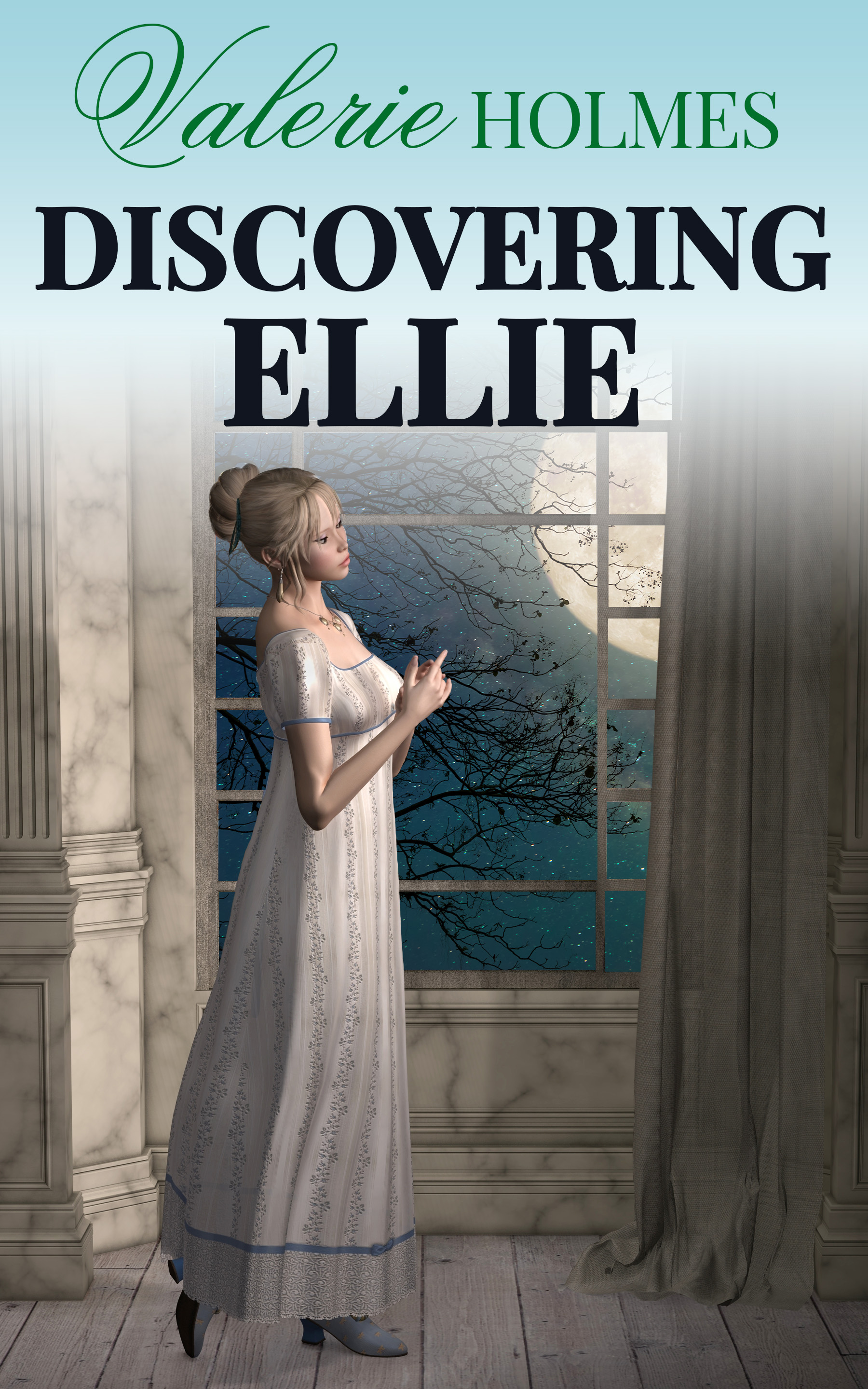
When Ellie (Discovering Ellie) is faced with a marriage match, she tries to diplomatically decline her aunt’s intentions without causing further conflict…
“I am not worldly, Aunt. I cannot think how I could make such a man happy…”
Mrs Hemming laughed. “Well, we agree on one point at least, you cannot think!”
Ellie ignored the insult and continued in her conciliatory tone. “I fear I would only annoy him. Therefore, I wish to politely decline this marriage proposal, discreetly of course, before it is made public. I do not want to cause further embarrassment to anyone. Then he would be able to find a more suitable companion, equal to the task.”
Ellie is completely dependent upon her aunt’s charity until she turns twenty-one. This dependency drives the plot, as Ellie must discover who she is, why she has a recurring nightmare, and how she can avoid a match that is being arranged ‘for her own good’ before it is publicly announced. This latter point is especially important because once it was made public, to break such a legal proclamation would be considered scandalous. Ellie is naïve and knows little of the law, or of the greater world, as many young women of the time.
Book 4
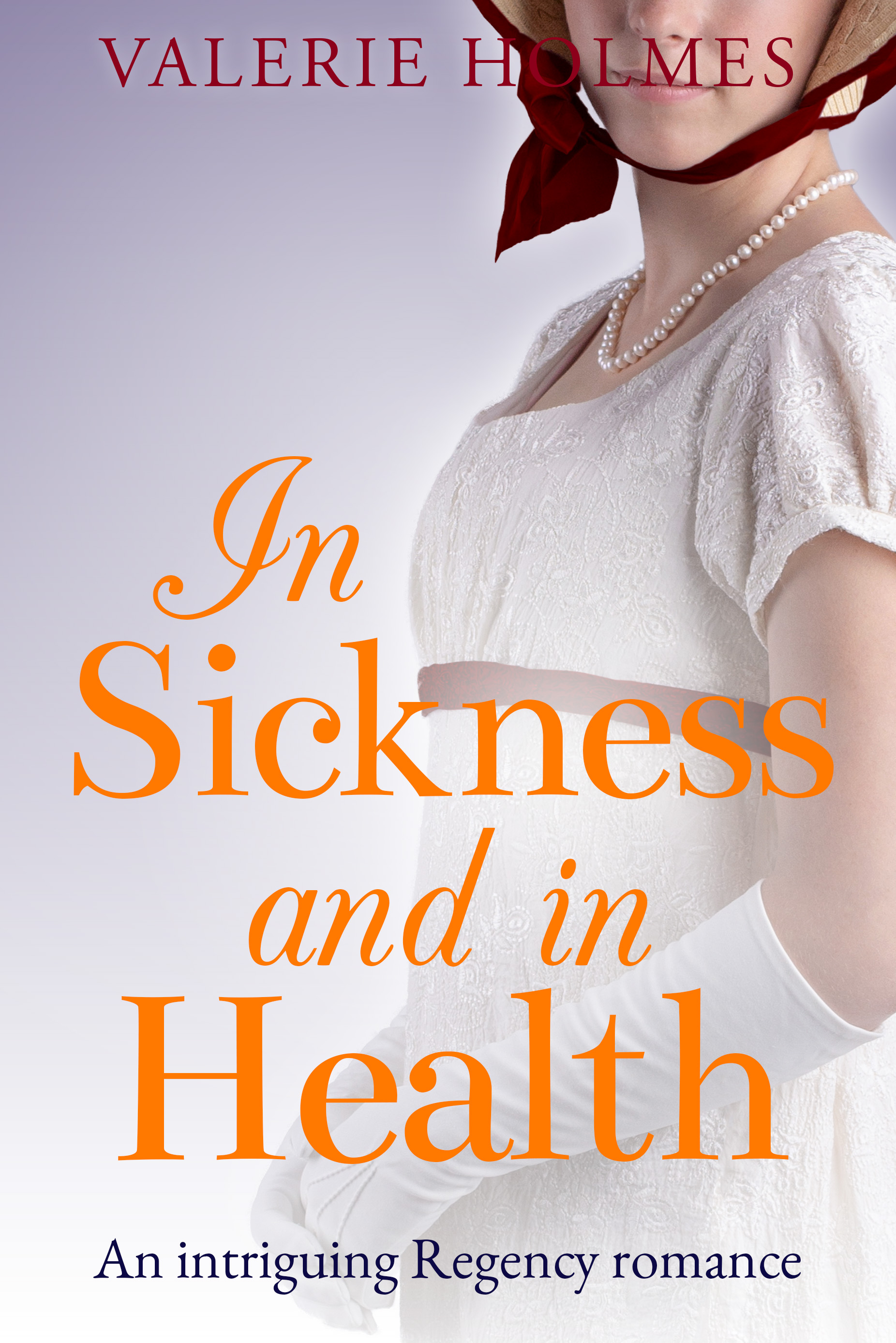
In a situation where an engagement is made between two people if broken, then it could result in a legal action of ‘breach of promise’. At the very least a reputation could be tarnished or destroyed as happened with Lucas Huntley – In Sickness and in Health.
In England, the Marriage Act of 1753 declared both parties had to have their parents’ consent if under 21. However, in Scotland this was not the case, hence the rush for elopements to the nearest place to wed north of the border, such as the famous, Gretna Green, which provided a reason for a mad dash in For Richer, For Poorer.
Friends & Foes Book 1
It is often claimed that fact is often stranger than fiction, but with historical facts the trigger for dramatic fiction is constantly there. Although women were ruled by the law, deemed unable to run their own lives, own their own wealth or children when married, deny their husband sex, or have rights to defend themselves when employed, there would have been plenty who questioned why this was so, such as:
“I do not wish them [women] to have power over men; but over themselves.” Mary Wollstonecraft, A Vindication of the Rights of Woman.
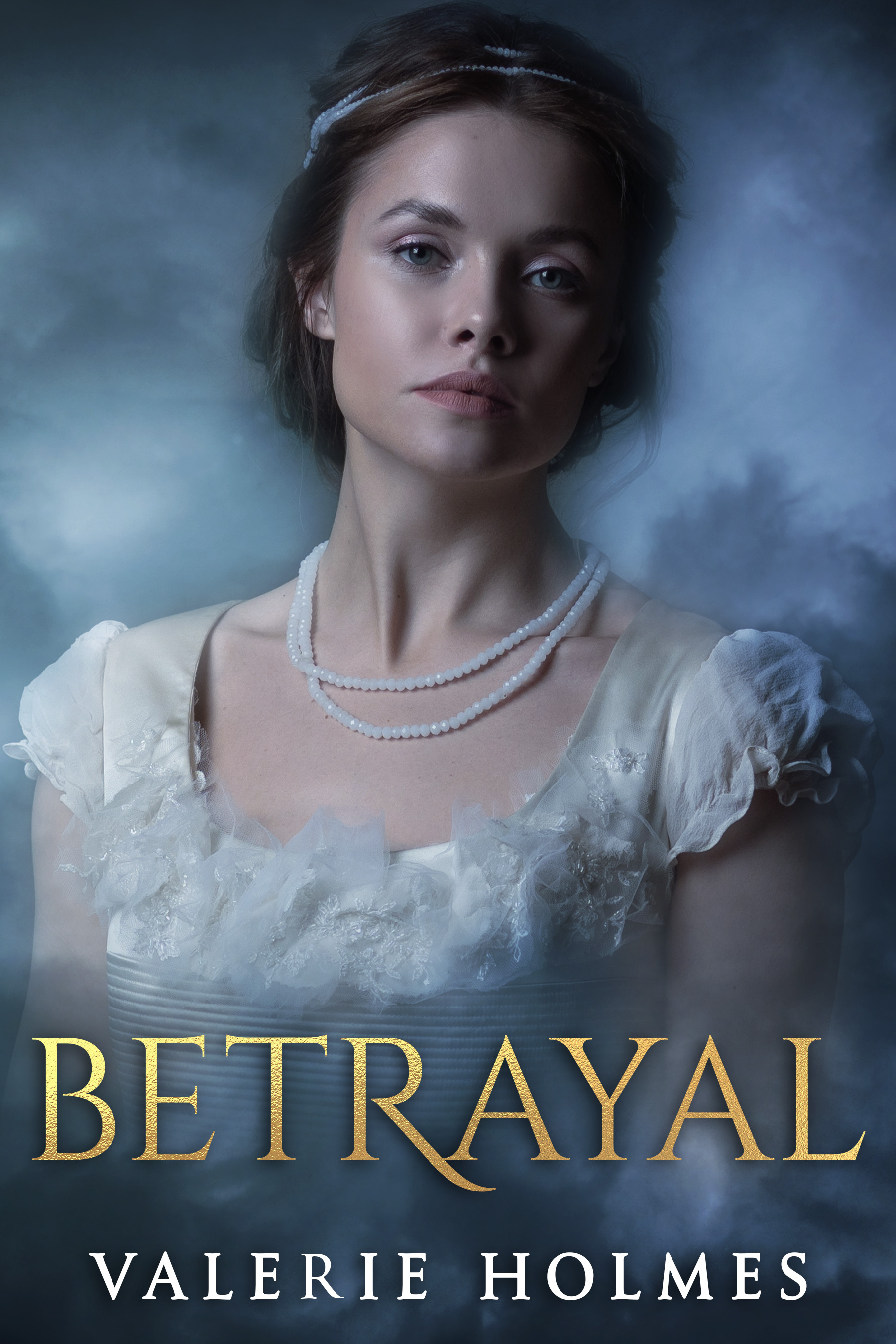
Lydia Fletcher in Betrayal was so influenced. Heroines need to have obstacles to overcome, situations that are a mystery, and the realisation that not all men look upon them in the same light.
Being single by choice was not really an option for a woman, no matter how much she desired to be the arbiter of her own fate. Unless her social status and personal income had been legally entailed and could support her, like the independent Miss Parkes of Penny Manor who befriends Ellie, she would be dependent upon others.
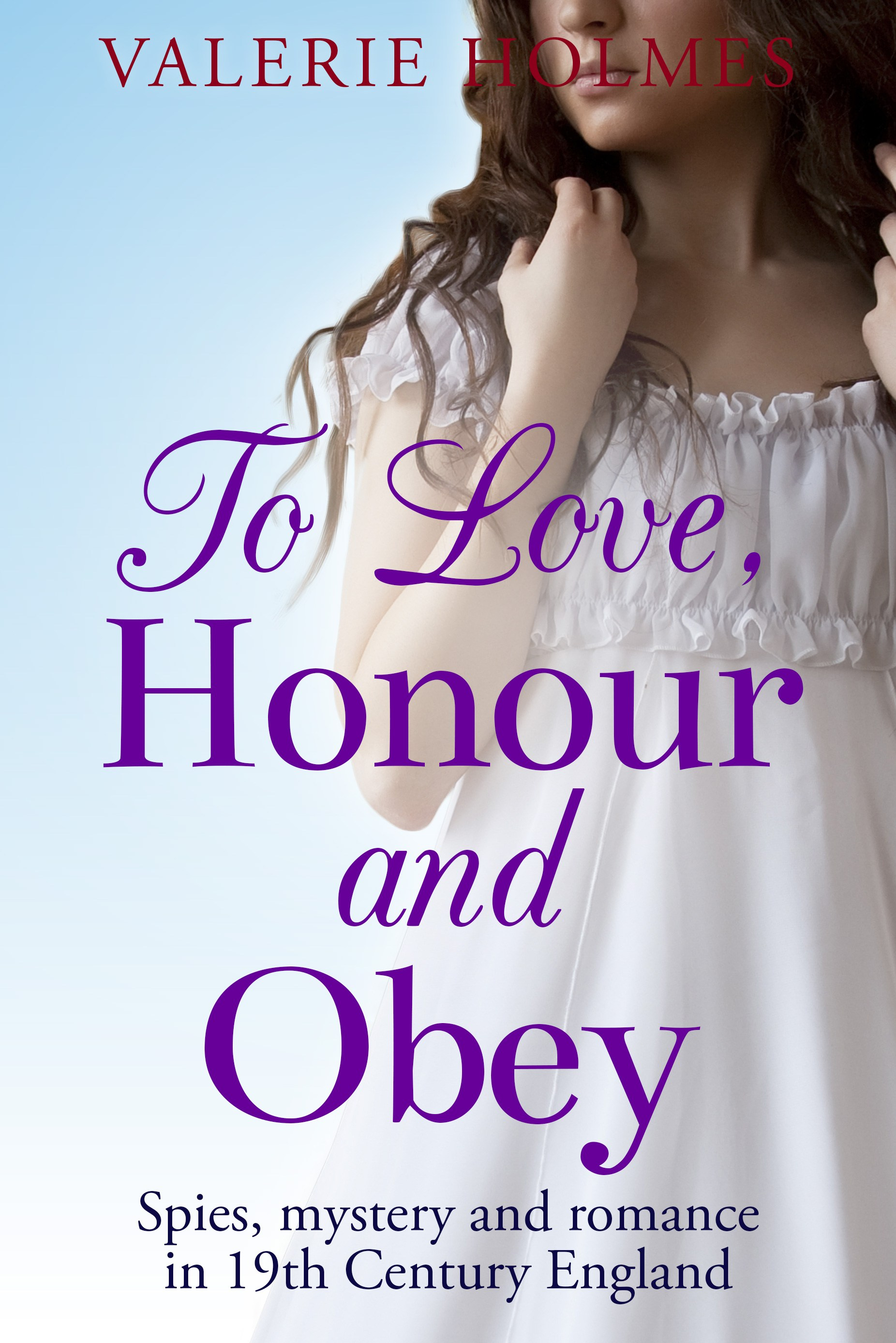
If young women were sufficiently educated, they could try to earn a living as a companion or a governess/teacher, but these were lonely situations with no long-term security. Uneducated or poorer women had less desirable options such as going into service, leaving the cottage to work within the factory or working the land to feed their families. In, To Love, Honour and Obey, Beth is an orphan who has no family or male relative to protect her from the system that was supposed to protect her.
Book 1
Prostitution was an option for the truly desperate. Few climbed the social ladder to a happy and long life even as a rich man’s mistress. Although some beauties and actresses managed to acquire rich patrons, such as the exceptional Harriett Mellon, born a pauper in Cork, Ireland but who ended up married to Thomas Coutts of the banking family, who successfully inherited and managed a fortune..
Servants were supposed to be chaste and could be dismissed without reference or notice if they fell pregnant. They were also open to abuse from their employers, as happens to the kindly Georgina in Betrayal. Again, as I write love stories that are aimed to provide adventure and uplift rather than depress, Georgina’s future is much brighter than many a maid who found themselves pregnant and thrown out on the streets without a reference, through no fault of their own.
Thank you for taking time out to read my blog and visit my website. Please like or leave any comments or questions below or contact me directly via the form on my Manuscript Appraisal page. If any of the above themes appeal just click the title or cover to be directed to the Amazon page.
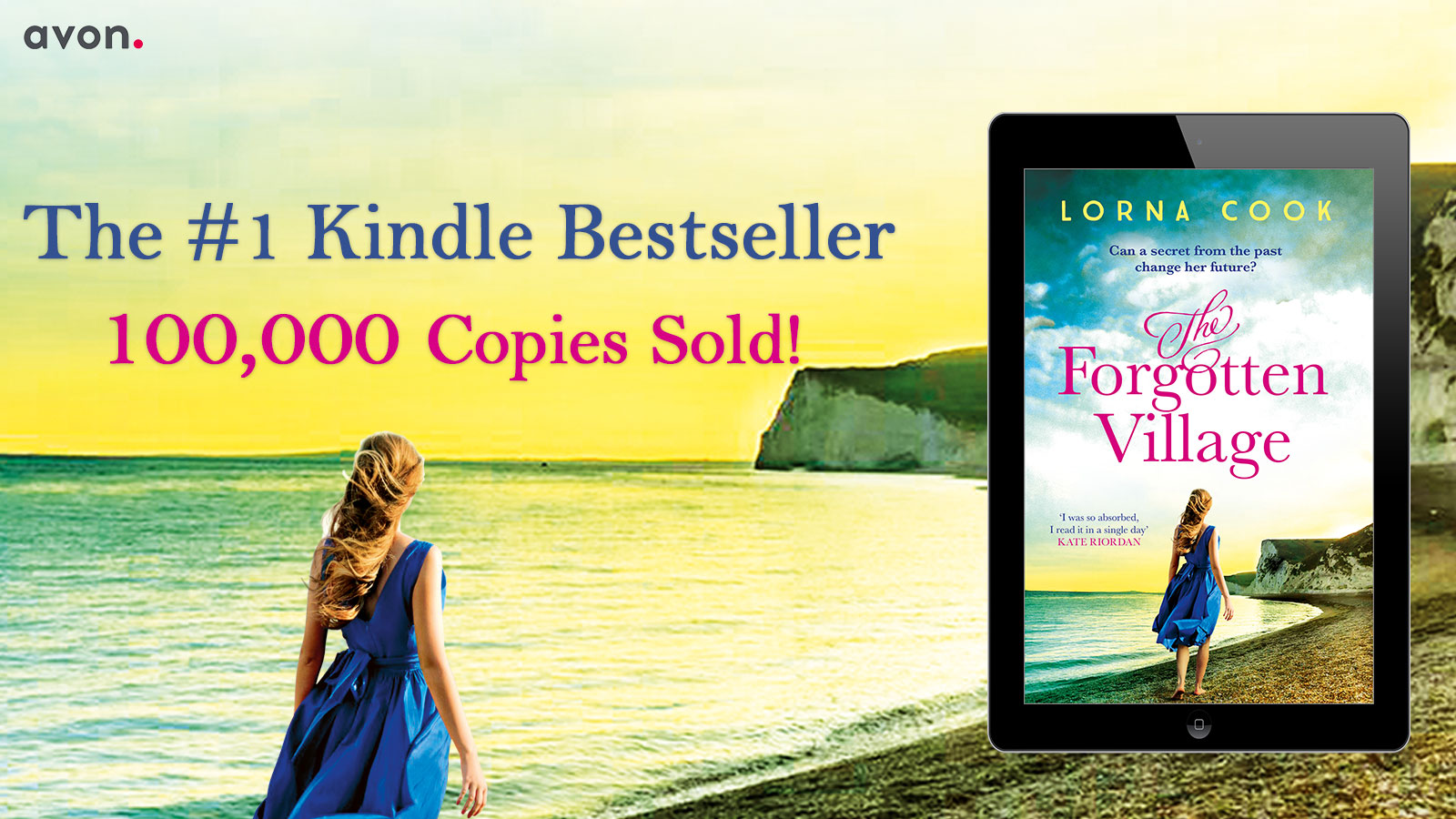
Congratulations Lorna on winning the Joan Hessayon Award with your lovely novel The Forgotten Village. You must still be thrilled! When did you first decide to write fiction or have you always been a natural story-teller?
Thank you for the kind congratulations! I wrote my first (unpublished and never will be) novel in 2016. It was a pure historical romance and was very very bad. But I managed to learn so much from writing it and also from having it critiqued privately so I knew the silly mistakes I was making such as head-hopping, and knew not to transfer the same mistakes over to anything else I wrote. While I was writing the very bad novel, I had the idea for The Forgotten Village. I finished the very bad novel, just to prove to myself I could finish something, filed it away and prayed no one would ever find it and then after a bit of breathing space, in 2017 I began The Forgotten Village. I had just joined the RNA via the New Writers’ Scheme that January and so I was determined that I would have something to submit by the August deadline. I managed to finish it in time.
Were you fortunate to gain publication of your first novel or has it taken a while to achieve your goal?
I have been very lucky. The Forgotten Village went out on submission to a handful of agents in February 2018 and I met with a couple of lovely agents before meeting Becky Ritchie at A.M. Heath. We worked together on the manuscript with a few key changes. Three months later Becky and her team had found me homes with publishers in the UK, Germany and Netherlands.
How long ago did you decide to write about the village of Tyneham and what inspired you about its history?
The village is utterly intriguing. I don’t know a single person who hasn’t been entranced by the real story of Tyneham, the village requisitioned in entirety in WW2 and never given back. I stumbled across an article in a national newspaper about how the village looked now (decimated) compared to how it looked before it was requisitioned (thriving) and I fell down an internet research rabbit hole. Once I’d researched I just knew the story I had in mind – about a woman trying to leave her husband in the middle of the war and a modern-day heroine on a mission to discover what happened to the woman in the past – had to be set in Tyneham during the frenzy of requisition.
Will you be writing more books in this genre?
Yes, my second novel The Forbidden Promise is out in March 2020 and is set in the Scottish Highlands. (It’s available to pre-order now, she says shamelessly.) It moves between WW2 and present day as the modern day heroine, Kate arrives at Invermoray House to find that a woman who lived there eighty years ago has been all-but removed from the family history.
Did you find it difficult to keep the story predominantly as a romance as there is a very strong mystery element?
Yes and No. I found lots of things difficult when writing The Forgotten Village! The key challenges in writing a book like this are that I adore it when a romance springs as a by-product of something else, especially a mystery. It’s a challenge to develop characters a reader will root for, develop a romance a reader will enjoy, create enough intrigue to keep them reading two timelines and then to give them a conclusion to all of it they’ll feel satisfied with. I have to do that for two timelines! And so essentially, with each section, the reader gets half the book so it’s quite condensed. I learnt to write succinctly because at 100,000 per book, it’s only really 50,000 words in the past and 50,000 words in the present. It’s a bit exhausting my end! A big glass of wine gets drunk in this house at the end of a writing day.
Are you very disciplined in the way you organise your project from research through to finished manuscript?
Yes. I plan the past section out intricately because it’s the past section that informs the mystery element of the present sections. I tend to plan the past sections and ‘pants’ my way through the present sections while knowing exactly what twists and turns there will be. See above comment about wine 😉
You obviously love historical fiction and research your chosen topic thoroughly. What advice would you give to anyone who was considering writing an historical or dual time novel?
I would echo some great advice I read by historical fiction authors, which is don’t get too wrapped up in the research in the early stages. Just write the story and if there’s a fact you don’t know just shove ‘XXXX’ into the manuscript. Then when you’ve finished your first draft and need to give yourself some breathing space, that’s when you can go off and start looking up all the facts you don’t know the answer to such as, ‘when did petrol go on the ration?’ or ‘what was the tape that criss-crossed the windows for air raids called?’ Also, researching all the nitty gritty afterwards means you won’t be tempted to put huge swathes of (probably rather boring) research into your manuscript that just slow it down. I can now tell you everything you want to know about requisition orders in WW2 but purposefully put very little of it into The Forgotten Village because…yawn.
What does being a member of the RNA mean to you?
It means so much. First and foremost, it’s friendship. After I finish writing this I’m off to see my buddies at the RNA Chelmsford Chapter for our monthly lunch. I’ve not been since January because I’ve been knee deep in writing The Forbidden Promise and on a very intense deadline and I’ve really really missed catching up with everyone.
Secondly, it’s the events and talks which have really educated and informed me these past couple of years. The conferences are so well thought out. The RNA gave me such a boost to my career via the NWS critique and then winning the Joan Hessayon Award has been phenomenal. The association is so well thought of in the industry and I’m incredibly proud to be a member.
What do you do to switch off from writing/researching/deadlines?
Reality TV! Isn’t that embarrassing. Made in Chelsea and The Only Way is Essex. Often back to back. For hours! I’ve also just discovered Real Housewives of Cheshire and I am HOOKED! Glamour and drama and some fantastic dialogue. I do find myself listening to some great lines and wondering if I can pinch them for future novels, especially when the blokes apologise for cheating or when they try and hit on a girl. Marvelous stuff.
On a more healthier note, I walk the dog and listen to podcasts or audio books and I love swimming because I can really switch off. Also there’s nothing like curling up in bed and reading a good book.
Do you embrace social media or control the time spent on it carefully?
I’m pretty good at switching off from social media. I post on Facebook, Instagram and Twitter a couple of times a week. I’m more of a social media voyeur though. I cruise in, look around at people’s posts, cruise back out and it was like I was never there.
What is next for Lorna?
Book 3! Oh the fear. This one is going to be a bit meatier, I think, than The Forgotten Village and the upcoming The Forbidden Promise. It’s set in a location quite close to a lot of people’s hearts and so I need to research to within an inch of my life beforehand, which is the very thing I recommended above that people don’t do! However, on this occasion, the timeline of events is something that I need to get absolutely right from the start and so I have covered the walls of my office with sheets of paper and am planning very intricately what happened on which dates as I prepare to weave a plot around it. I’m exhausted already but am determined that every book I write will be better than the last and so onwards we go!
Thank you for taking the time out of your busy schedule to complete the interview and best wishes for future success in your writing career, Lorna!






 valerie holmes, author