Love the Adventure

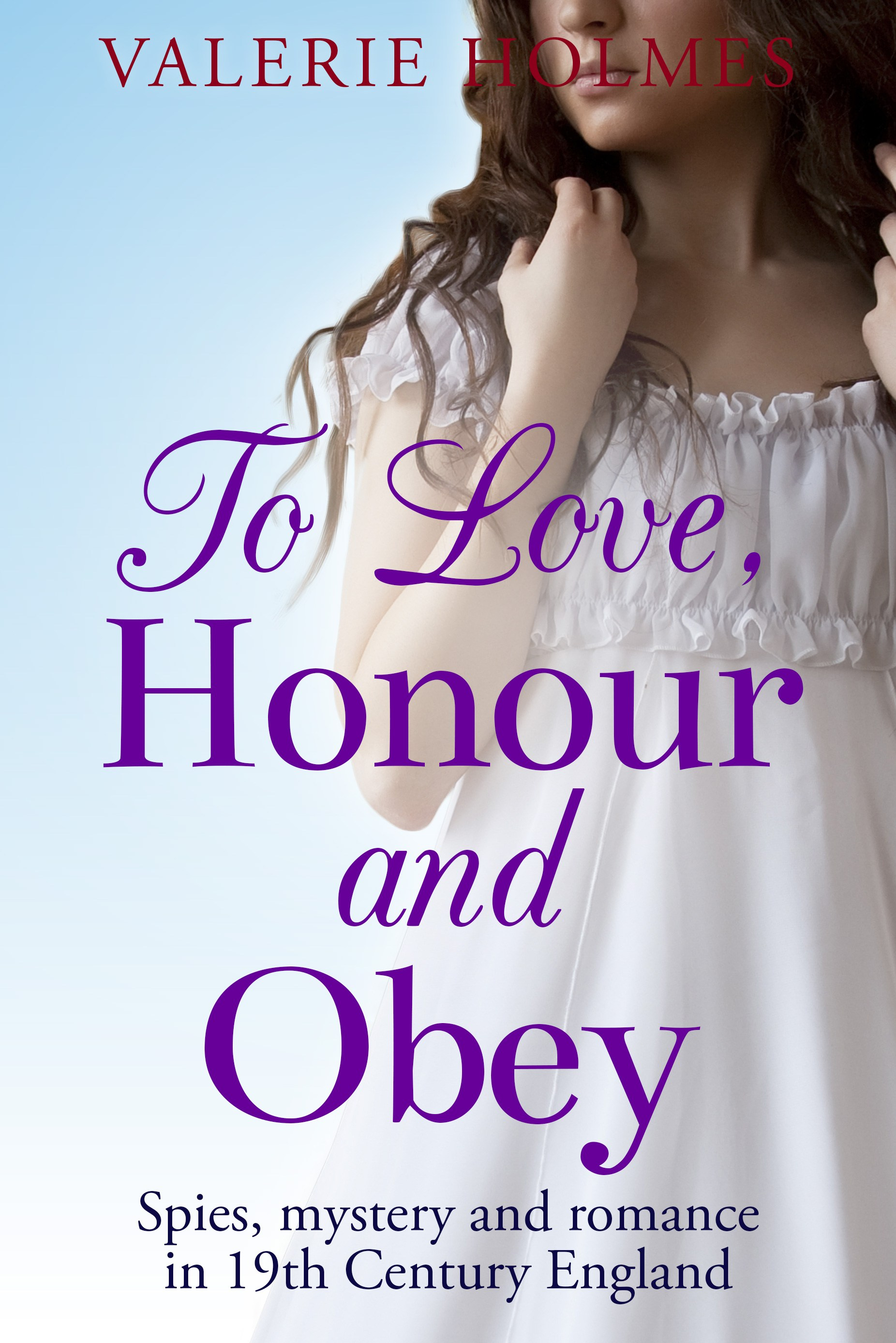
To-Love-Honour-and-Obey-267x400Fifty novellas ago, I began writing love stories each wrapped around an adventure, set against the rugged beauty of the North Riding of Yorkshire. These found their home in the Commonwealth library market and from this base a further six novels have evolved.

When To Love Honour and Obey published by Sapere Books, was reviewed by a fellow author, he described it as ‘Where Poldark meets Heathcliff’ – I was delighted.

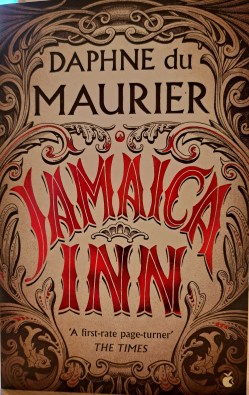
I have always loved reading both fiction and non-fiction exploring the Regency period. I enjoy the romance whether written from the perspective of the rigid society of London’s ‘Ton’, so beautifully portrayed by Georgette Heyer and more recently Julia Quinn, or the melodrama of the darker more menacing shadows of Daphne du Maurier’s Jamaica Inn.

Basically, my tastes cross genres within the period, from Jane Austen’s and the Bronte’s classics to E.V. Thompson’s20240126_161100 Cornish sagas, or Bernard Cornwell’s action and adventure series about the rifleman who rose from the ranks, Richard Sharpe.
I have worked as a creative writing tutor for years and one piece of advice commonly given to authors starting out, is to write about what you know. That does not mean that you must know everything first – no one can, especially where murder and mayhem is involved. Without a time-travel machine, a writer today cannot depict a bygone age with total accuracy capturing the language, attitude, beliefs, habits, understanding of people centuries ago when travel and knowledge were limited.

Research is the key! Whatever the genre; romance, crime, thriller, horror, fantasy or any other preferred, the author must accrue enough knowledge beforehand to write their story and make it credible and believable to today’s readership. Jane Austen was of course writing in her own time; about the world she knew.

Research can be all encompassing when it is focussed on a topic you are enthusiastic about. In first drafts ‘info-dumps’ can creep into a manuscript, slowing the pace of the story. Which is where an editor’s skills are needed to take out the non-essential information, as the author will always know more that the reader needs to about their created ‘world’.

DSC03023When I began writing I thought about the ‘write about what you know’ advice and started exploring my home area. The North Yorkshire Moors and the bay towns from Whitby to Saltburn provided a dramatic backdrop for many of my stories.

Saltburn-by-the-Sea had its own infamous ‘King of Smugglers’ John Andrew, who in 1780 was landlord of the unique Ship Inn, which nestles to this day under the shadow of the 110m high Huntcliff. My fictitious Ebton is based on Saltburn, my Coble Inn nestles in the shadow of Stangcliffe, the headland based on Huntcliff.

 “We’re on Stangcliffe, the headland!” Joshua exclaimed, as realisation hit him harder than the force of the wind. He was inches away from a sheer drop to the sea below where sharp-edged rocks hid under each of the crashing waves…

To Love, Honour and Obey Sapere Books
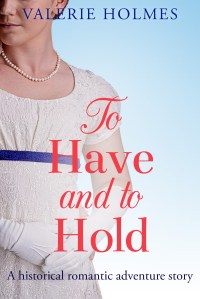
To Have and To Hold
Book 3

This Jurassic coastline encompasses rugged high cliffs and sweeping flat sandy bays. The wild moor inland would have been crossed by locals along small tracks for centuries by the Regency period. The dales, areas of fertile farmland and woodland, dropped down from the moors, with ancient abbeys and small villages of stone-built cottages nestled  within – but cottage industries were being replaced as manufacturing developed in the growing towns causing population shifts, consequently impacting livelihoods, Secrets, due to the Industrial Revolution, a theme resonated in To Have and To Hold, Sapere Books.

Unrest was growing nationally, the Luddite movement triggered fear in Parliament that revolution would happen in England as it had in France. In Phoebe’s Challenge, brother and sister are hunted as machine-breakers – punishment was  anything from a fine, to hanging or transportation to Australia.

secrets front
Friends & Foes Book 2

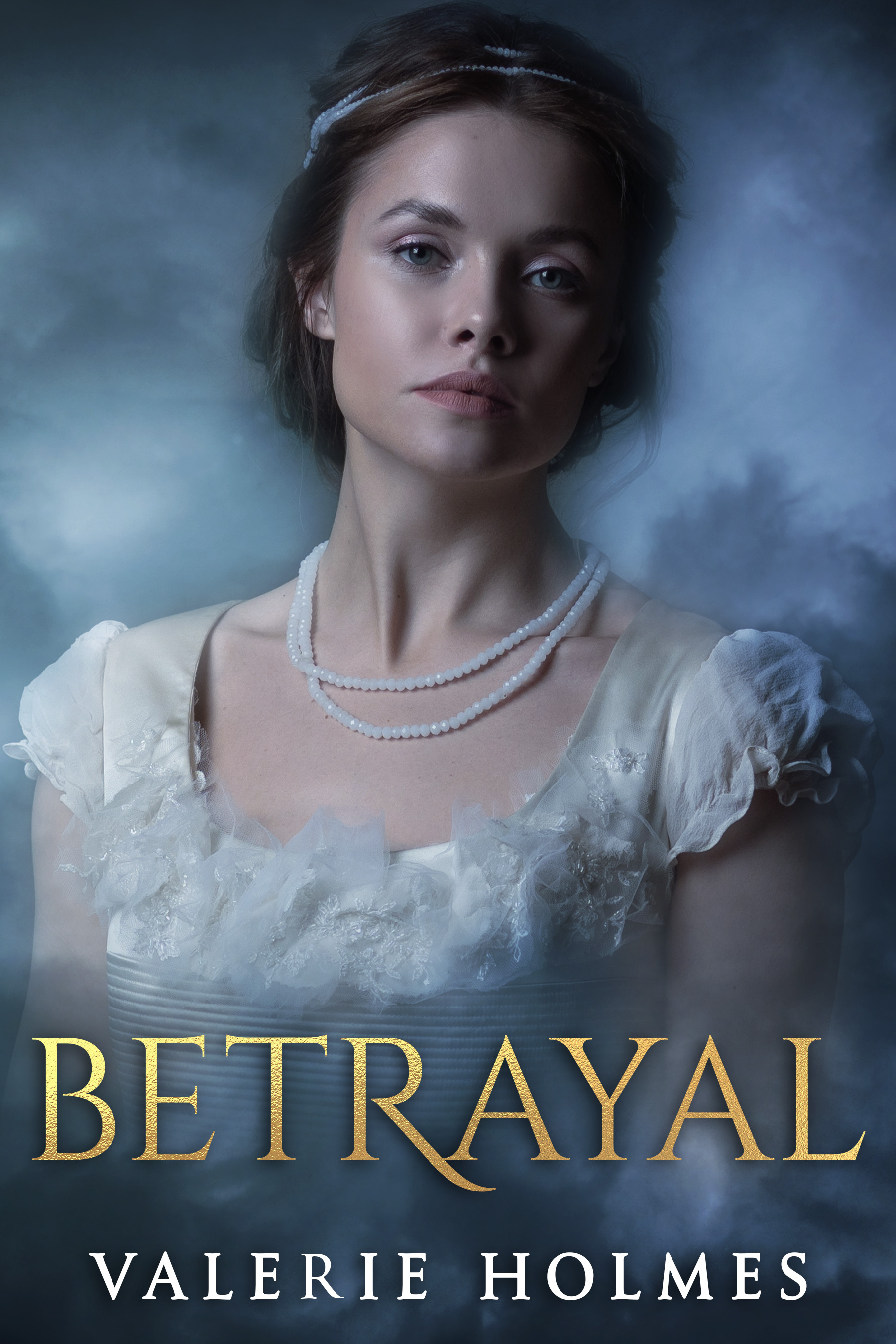
My books are not dark, but touch on the darker side of human-nature and society, Betrayal, ultimately showing that love and justice will win the day. In real life things may not always work out that way, but in fiction – which is a form of escape from reality – in my stories at least, things do.

The world of Valerie Holmes has the tagline ‘Love the adventure’ – a sentiment that I hope my readers will share.

Beyond the book cover, plot and protagonist, which has a greater influence on your choice as a reader: the physical setting or the period in which it is set?

Please share your thoughts and preferences.

If you are interested in writing, and want to create your own fiction, but need some professional guidance or support, please contact me via my manuscript appraisal page.

I am delighted to announce that Discovering Ellie is now available in Large Print Paperback for those who cannot manage an eReader – just click here
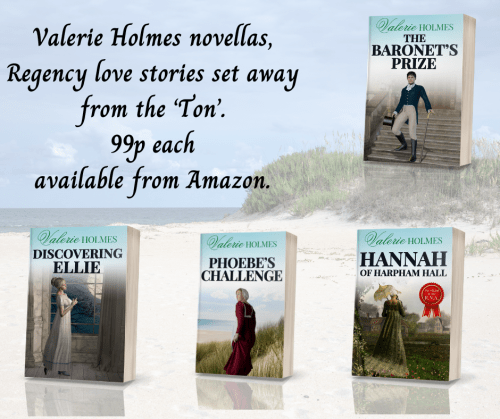
Valerie Holmes novellas. 99p each available in

A Woman’s Options in Regency England.

1811-1820

“It is always incomprehensible to a man that a woman should ever refuse an offer of marriage.”

Jane Austen, Emma

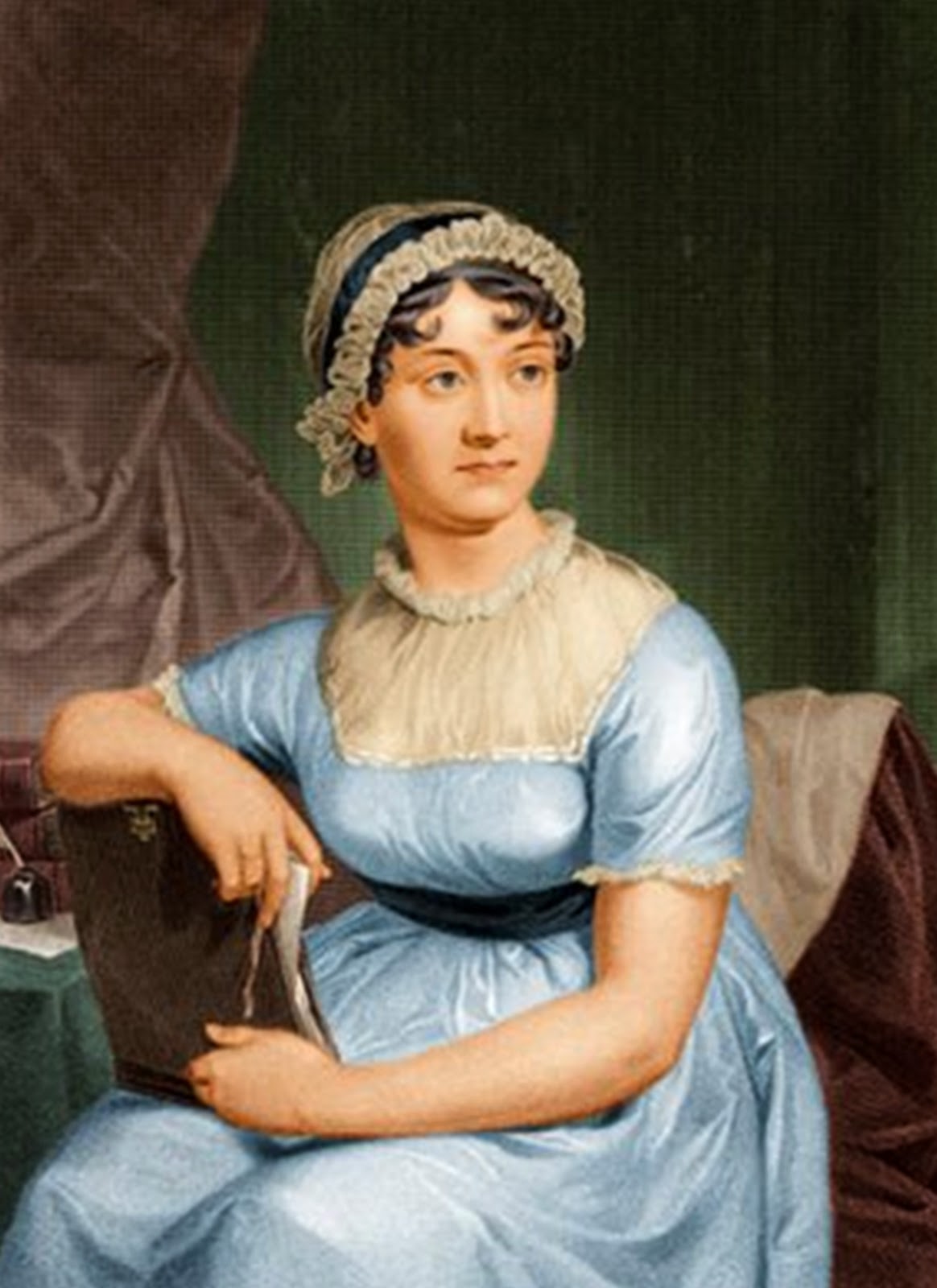
Jane Austen

When George III was declared unfit to function as monarch his son, the Prince of Wales, became the Prince Regent. George the younger had little interest in politics, leaving the wars with France to the politicians, whilst he indulged his friends and himself with a lavish lifestyle of elegance and fashion. The Ton – from the French phrase ‘le bon ton’ meaning ‘elegant style’ represent the fashionable society of London – an elite group. The divide between the extremes of the rich of Mayfair, London, and the poor of St Giles, living in the city slums, could not have been more dramatic.

In Parliament seats in the House of Lords were inherited and in the House of Commons could be corruptly bought, so the working and fighting man and the women who relied upon them, who made up most of the population, had little representation to improve their lot. My stories are set in the north of England away from the Ton and Parliament, but life was influenced by their wars, laws, and taxes.

In the above quote Jane Austen expressed a commonly held view, because women of the time had few legal rights as their lives were basically controlled by men.

Upper- and middle-class single females, under the age of twenty-one in England and Wales, were usually dependent upon their father or nearest male relative. If their male relatives were honest, caring, and loving family members then amicable matches secured the future of both parties, in hopefully wedded bliss, once the dowry, pin money, inheritance and jointure, in the event of death of the husband, had been legally agreed.

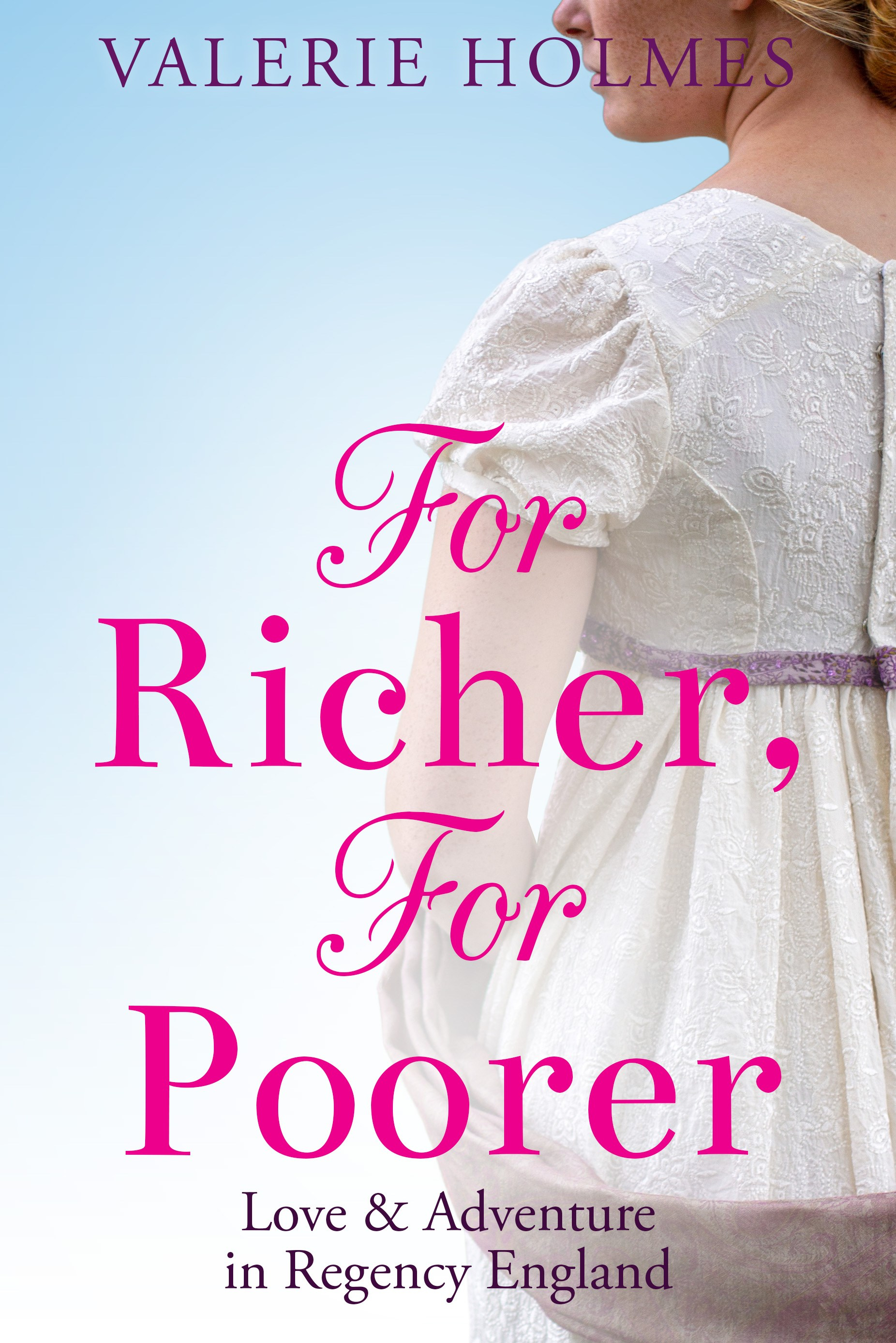
Book 2 http://getbook.at/ForRicher
Book 2

However, fiction requires drama and conflict to spark a good plot, driven by engaging characters. It also reflects the unpalatable truth of the past.

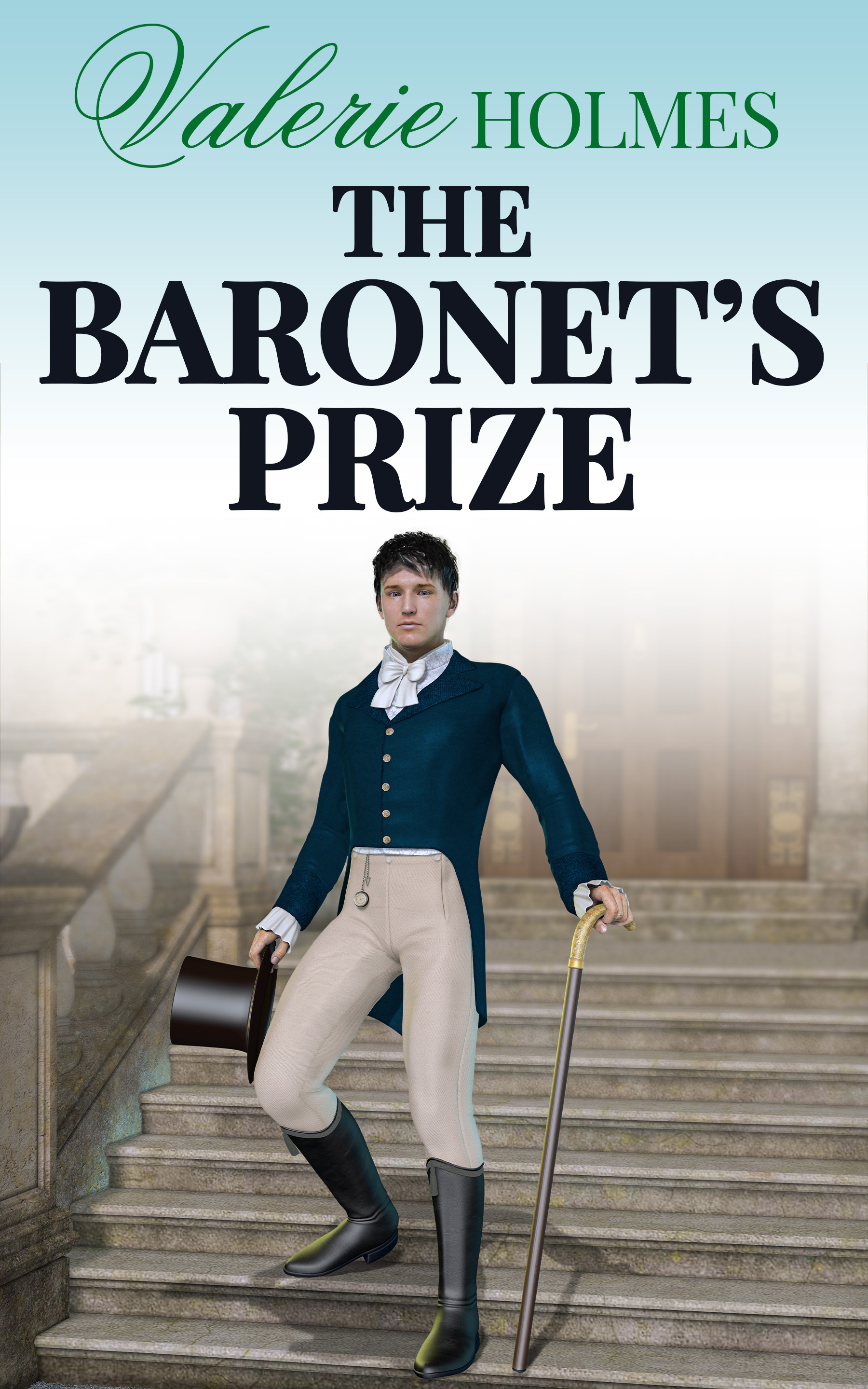
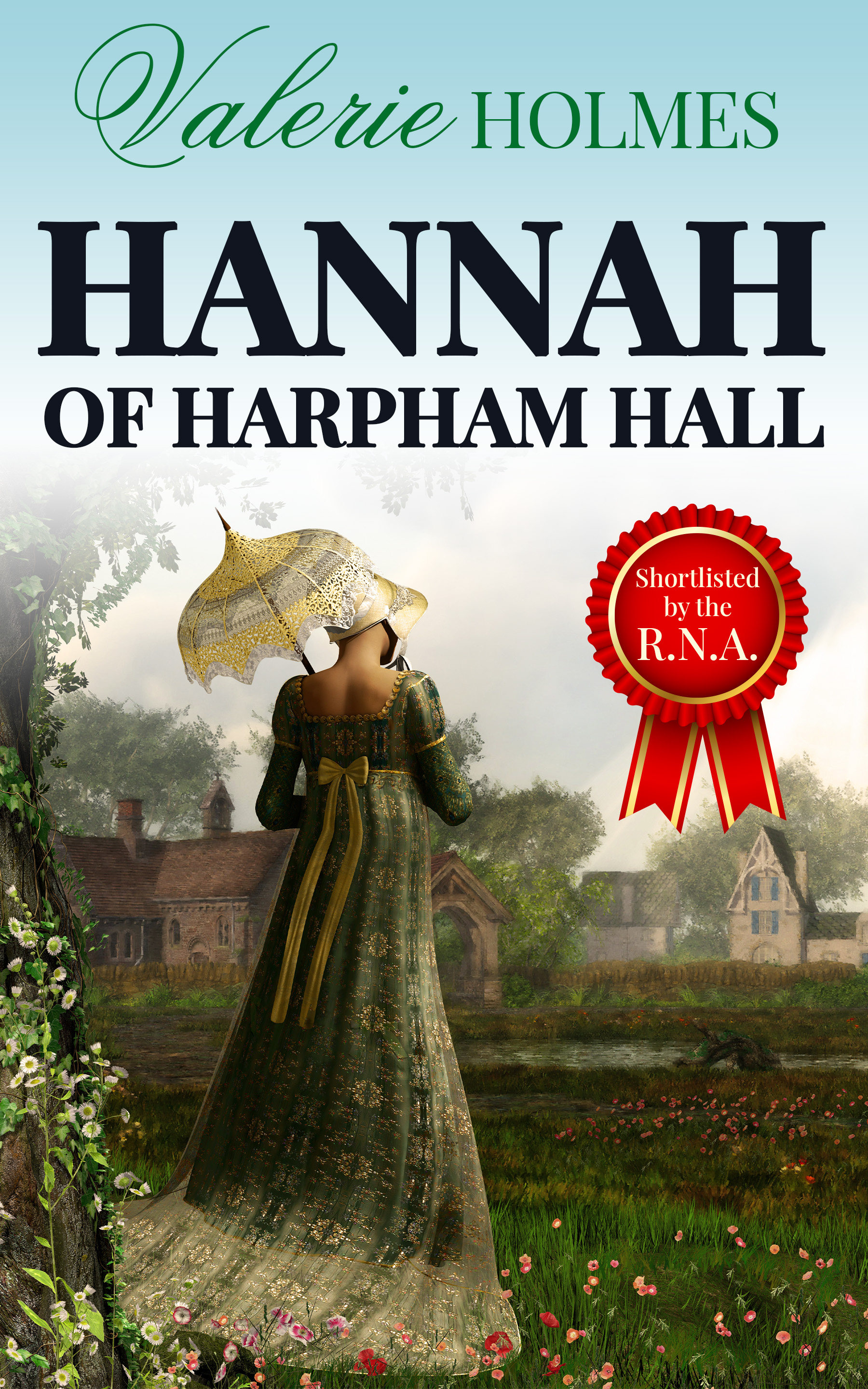
If their male relative were greedy (For Richer, For Poorer), an irresponsible gambler (The Baronet’s Prize) or an overbearing parent (Hannah of Harpham Hall) then the young woman would have few options, left to her own devices unless they had the help of a hero, or a woman of independent means.

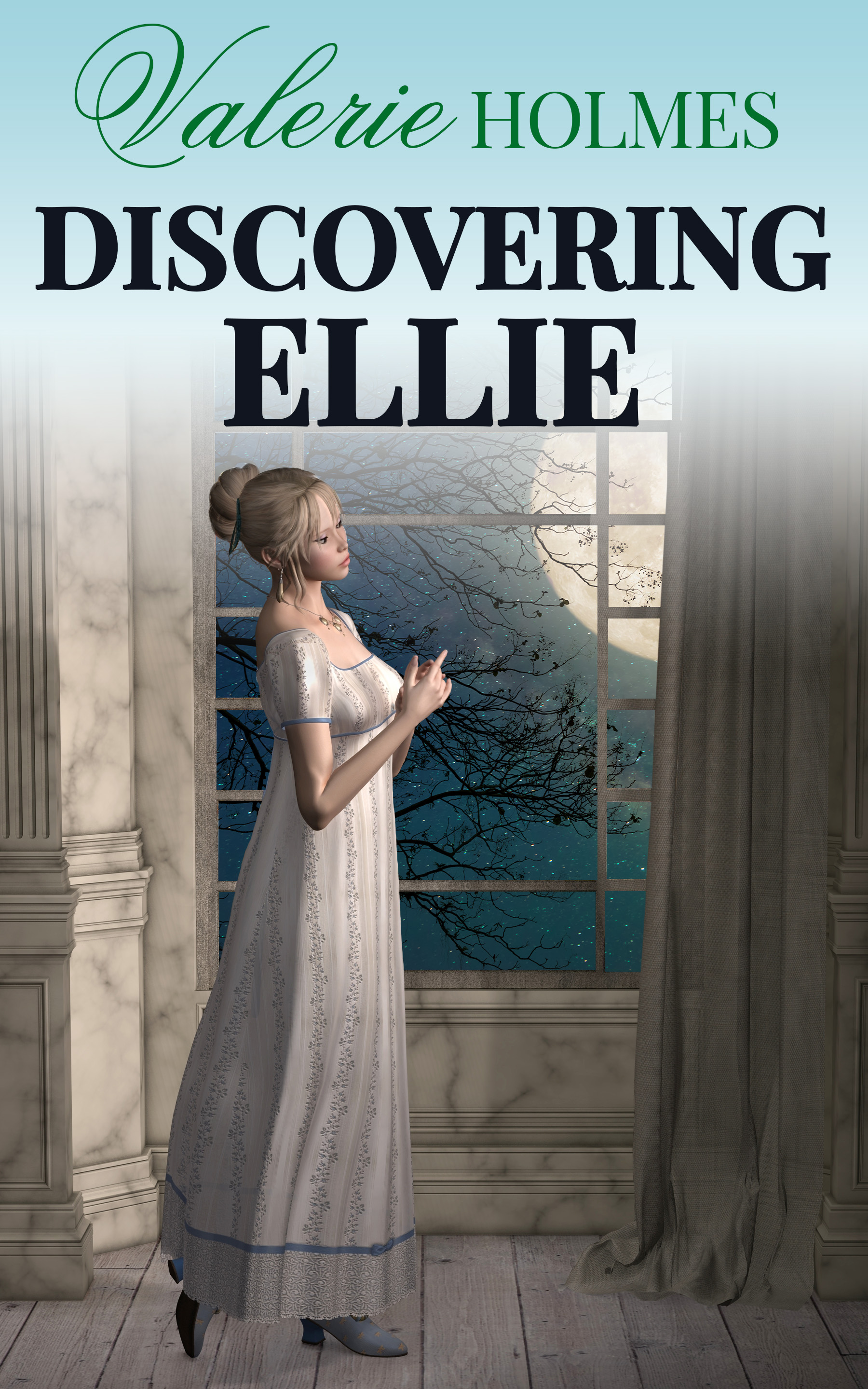
baronets prize (2) (1)When Ellie (Discovering Ellie) is faced with a marriage match, she tries to diplomatically decline her aunt’s intentions without causing further conflict…

“I am not worldly, Aunt. I cannot think how I could make such a man happy…”

Mrs Hemming laughed. “Well, we agree on one point at least, you cannot think!”

Ellie ignored the insult and continued in her conciliatory tone. “I fear I would only annoy him. Therefore, I wish to politely decline this marriage proposal, discreetly of course, before it is made public. I do not want to cause further embarrassment to anyone. Then he would be able to find a more suitable companion, equal to the task.”

Ellie is completely dependent upon her aunt’s charity until she turns twenty-one. This dependency drives the plot,discovering ellie as Ellie must discover who she is, why she has a recurring nightmare, and how she can avoid a match that is being arranged ‘for her own good’ before it is publicly announced. This latter point is especially important because once it was made public, to break such a legal proclamation would be considered scandalous. Ellie is naïve and knows little of the law, or of the greater world, as many young women of the time.

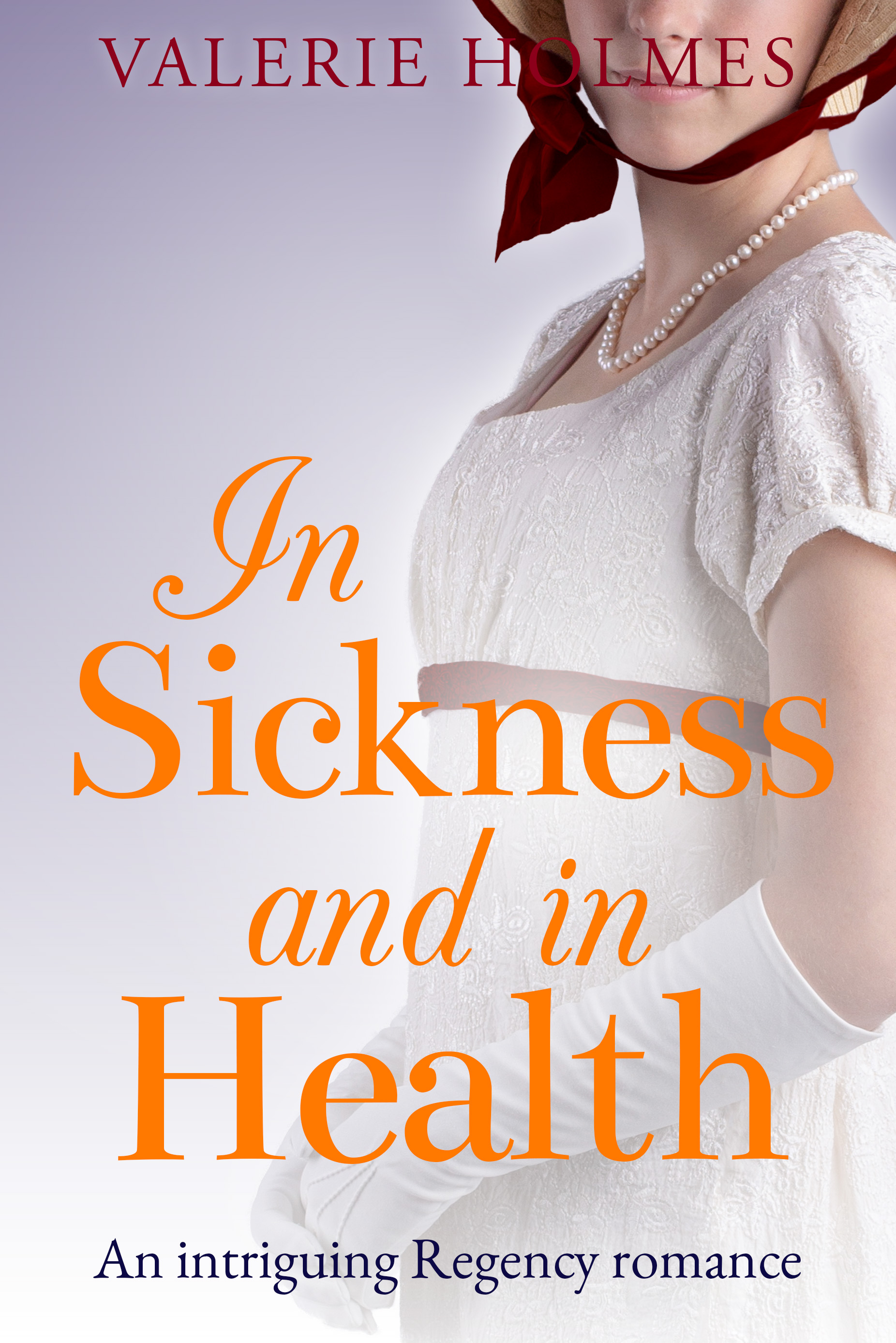
In Sickness and in Health
Book 4

In a situation where an engagement is made between two people if broken, then it could result in a legal action of  ‘breach of promise’. At the very least a reputation could be tarnished or destroyed as happened with Lucas Huntley – In Sickness and in Health.

In England, the Marriage Act of 1753 declared both parties had to have their parents’ consent if under 21. However, in Scotland this was not the case, hence the rush for elopements to the nearest place to wed north of the border, such as the famous, Gretna Green, which provided a reason for a mad dash in For Richer, For Poorer.

betrayal front (2)
Friends & Foes Book 1

It is often claimed that fact is often stranger than fiction, but with historical facts the trigger for dramatic fiction is constantly there. Although women were ruled by the law, deemed unable to run their own lives, own their own wealth or children when married, deny their husband sex, or have rights to defend themselves when employed, there would have been plenty who questioned why this was so, such as:

“I do not wish them [women] to have power over men; but over themselves.”
Mary Wollstonecraft, A Vindication of the Rights of Woman.

Lydia Fletcher in Betrayal was so influenced. Heroines need to have obstacles to overcome, situations that are a mystery, and the realisation that not all men look upon them in the same light.

Being single by choice was not really an option for a woman, no matter how much she desired to be the arbiter of her own fate. Unless her social status and personal income had been legally entailed and could support her, like the independent Miss Parkes of Penny Manor who befriends Ellie, she would be dependent upon others.

If young women were sufficiently educated, they could try to earn a living as a companion or a governess/teacher, but these were lonely situations with no long-term security. Uneducated or poorer women had less desirable options such as going into service, leaving the cottage to work within the factory or working the land to feed their families. In, To Love, Honour and Obey, Beth is an orphan who has no family or male relative to protect her from the system that was supposed to protect her.

lovehonourobey
Book 1

Prostitution was an option for the truly desperate. Few climbed the social ladder to a happy and long life even as a rich man’s mistress. Although some beauties and actresses managed to acquire rich patrons, such as the exceptional Harriett Mellon, born a pauper in Cork, Ireland but who ended up married to Thomas Coutts of the banking family, who successfully inherited and managed a fortune..

Servants were supposed to be chaste and could be dismissed without reference or notice if they fell pregnant. They were also open to abuse from their employers, as happens to the kindly Georgina in Betrayal. Again, as I write love stories that are aimed to provide adventure and uplift rather than depress, Georgina’s future is much brighter than many a maid who found themselves pregnant and thrown out on the streets without a reference, through no fault of their own.

hannahThank you for taking time out to read my blog and visit my website. Please like or leave any comments or questions below or contact me directly via the form on my Manuscript Appraisal page. If any of the above themes appeal just click the title or cover to be directed to the Amazon page.