
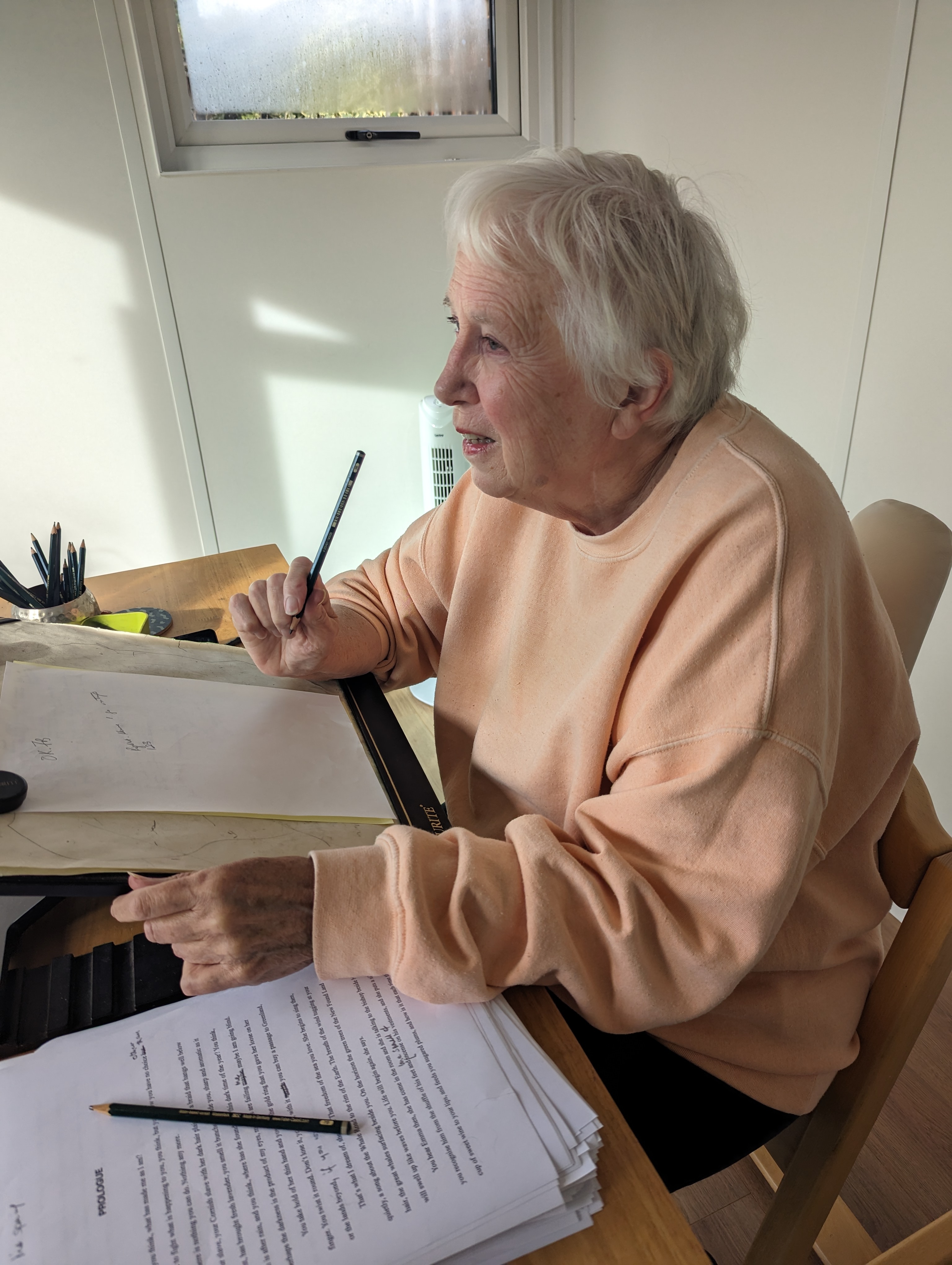
Welcome, Maggie,
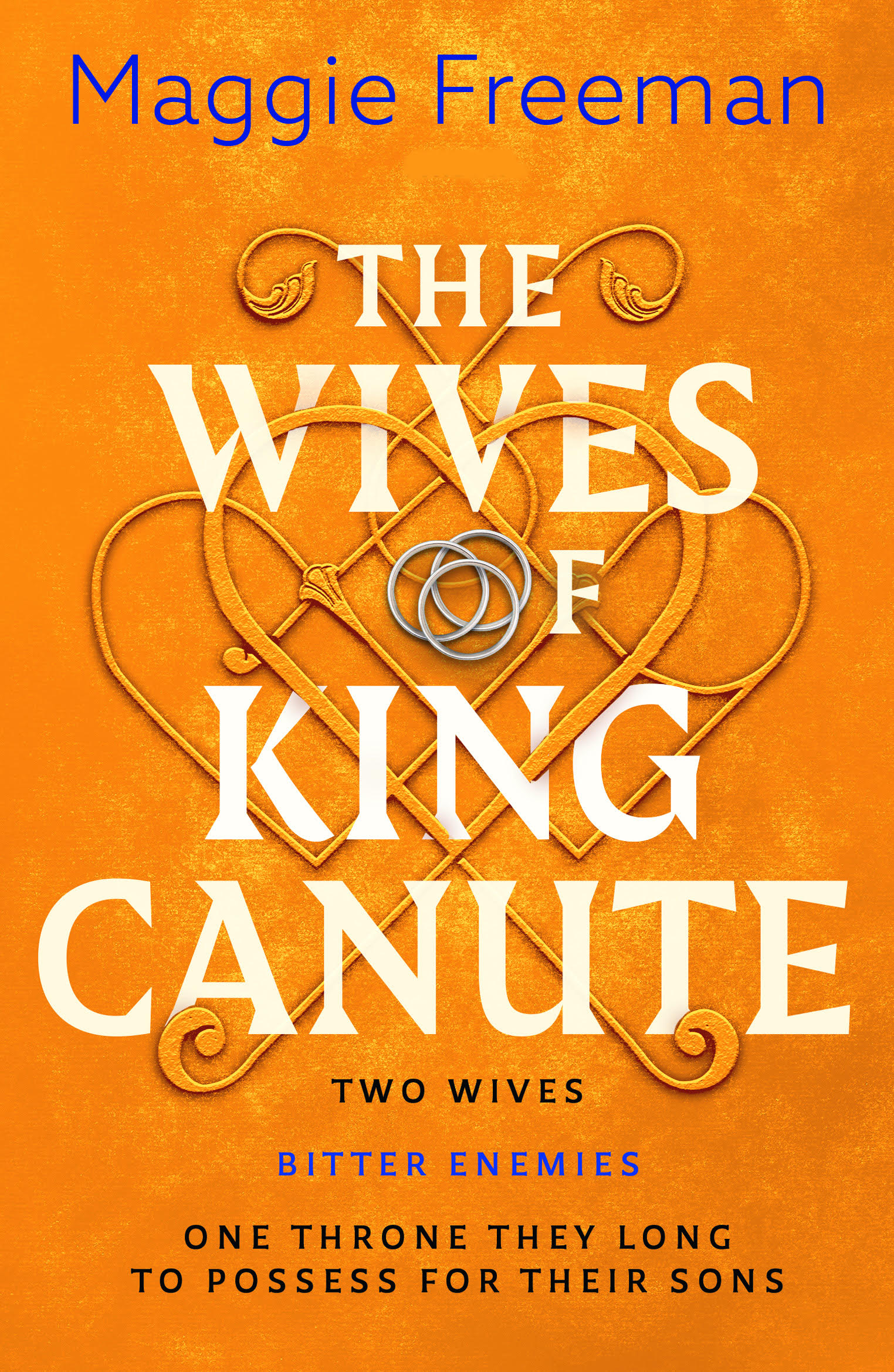
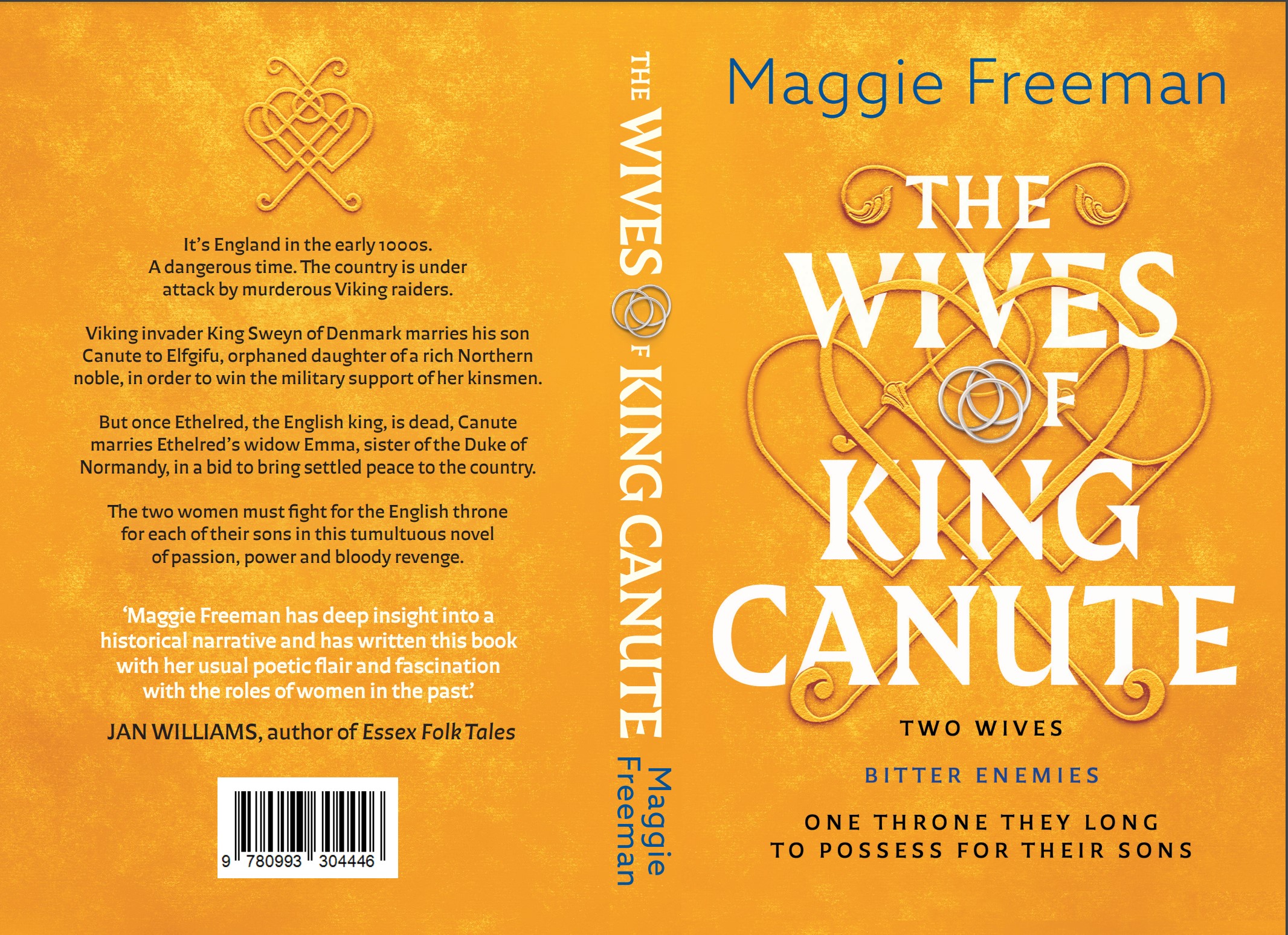
Let’s begin with your beautiful new novel, ‘The Wives of King Canute’. When did the inspiration for this amazing project strike?
‘The Wives of King Canute’ is a project that’s been a long time growing. My fascination with Vikings began when I was eleven, when in winter my mother would drive my sister and me to the Isle of Sheppey, and I’d walk along the sea-wall, looking out at the grey sea, and imagine, appearing over the horizon, the bright-sailed boats of the Vikings we were learning about at school. When I was married we’d stay every summer with my mother-in-law in the Isle of Man, with its many relics of its long-ago Viking rulers, from overgrown ship burials surrounded by wild flowers to castles poised on the rim of the sea.
In 2014 I went to the amazing exhibition about Vikings at the British Museum, which rekindled my enthusiasm for them – very romantic figures in my imagination – and I began to read more about them. When I came across the story of King Canute’s two wives I thought that would be a good basis for a novel, with plenty of conflict.
Would you describe it as a labour of love?
Absolutely. First because of the subject matter, and secondly because I love writing.
How much of a personal challenge has it been from first completed draft to publication?
I’d nearly completed the first draft when we moved house, and then I had problems with my own and family illness – in other words, life took over from writing! Also I wasn’t sure what to do with it – I’d had five agents, none of whom had ever sold any of my work, so I didn’t want to go that route again. I hadn’t earned much from the digital publishers who’d published my three previous novels. So I spent a very long time dithering and doing nothing, tinkering with it now and again to make it as strong as I could. In the end I’ve decided to try self-publishing and see how that works.
It’s quite likely I’d never have got round to publishing it if it hadn’t been for the enormous support, and pushing, I had from friends. I’m very grateful for that.
Your previous novels have been set in different periods of history. If it was possible to travel back in time, is there a specific period you would like to visit?
If so, why?
Yes – the late Tudor period – provided I was fairly well off, of course! I’ve lived in Kent and Essex and have always loved visiting old houses, imagining what it was like to live there.
And that period seems so alive, full of excitement and new ideas, from explorers discovering unknown lands to amazing writers, such as Shakespeare and Donne.

I love the idea of hibernating like the hazel dormouse as described on your website. Have you always had a love of nature and a poetic soul?
Yes, I’ve always had a love of nature. Till I was ten I lived in Trinidad and Tobago where my father managed a small coconut estate and my mother raised ducks and turkeys, so just about all I knew was the natural world. That’s where I feel most at home, and happiest, now.
I’m not quite sure what a poetic soul is – I certainly used to daydream a lot, and I do love writing poetry, most especially that set in the natural world.
Would it be an accurate statement to say that your protagonists are strong women who face and overcome many and varied harsh life challenges?
Yes. I find they’re very interesting to write about. And as a writer and a reader I’d never have much sympathy with a person whose life was very comfortable.

How long do you spend researching a novel?
It depends on the demands of the novel. ‘The Wives of King Canute’ needed a lot of research because I didn’t know much about the period at all – only my romantic visions of Vikings! In it I used the historical timeline as the main structure of the plot. My novel ‘The Clock-mender’ didn’t need much research, because I knew its Swedish setting very well, and I had the seven-page account of what happened written by the man on whom the novel is based – the rest is mainly imagination. I don’t do all the research at the beginning. I like, for example, to go to relevant places to top up my experience – for example, one cold Christmas I went to Hampton Court Palace and watched Tudor dancers, which helped me write a scene in ‘‘The Girl in the Great House’. I hadn’t known when I started the novel that it was going to have that scene in it.
Is it the character, era, conflict or a random fact that triggers your imagination?
All four of them trigger my imagination. In ‘The Wives of King Canute’ it was the conflict between two women from very different backgrounds, but married to the same man, that intrigued me and got me thinking. At the same time I wanted to try writing a novel set in the Viking period.
Your own childhood in Trinidad and then Tobago must have been in stark contrast to life in the UK. Do you think that this experience influenced your work?
I was ten when I came to live in the UK. My childhood was for the most part very happy, but quite isolated, and life in the UK did feel very strange at first – just coping with socialisation in a large school, for example. This has influenced my work in that most of my protagonists are outsiders in some way.
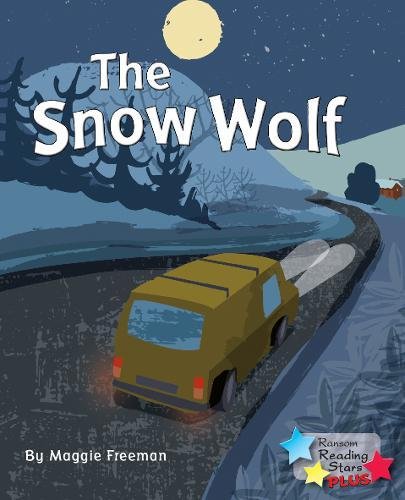
How did you branch into writing for children?
I actually began by writing for children, writing stories for my two sons. When the younger one came home from primary school, I knew I was on the right lines if he wanted to read what I’d written that day before he attacked the biscuit tin. I went on to write primary literacy books, and was always concerned to make them as interesting as possible to children.
Do you think the market has changed drastically in your lifetime, or do you think that technology aside, children still just love a good story?
Children still love a good story. Just think of the success of the Harry Potter novels.
What advice would you give your younger self regarding becoming an author?
Always finish what you start writing. I never did at first – just had dozens of beginnings. That’s how come I’ve finally published “The Wives of King Canute” nine years after first starting it! I hope you’ll read it and enjoy it.
I am really looking forward to reading The Wives of Canute which will be free on Kindle 23rd February to 25th.
Thank you for taking time out to discuss your fascinating career and latest work.
If you have enjoyed reading this interview or have any questions, please feel free to like and comment below.


 valerie holmes, author