I am delighted to welcome author and poet Maggie Freeman as my February guest.

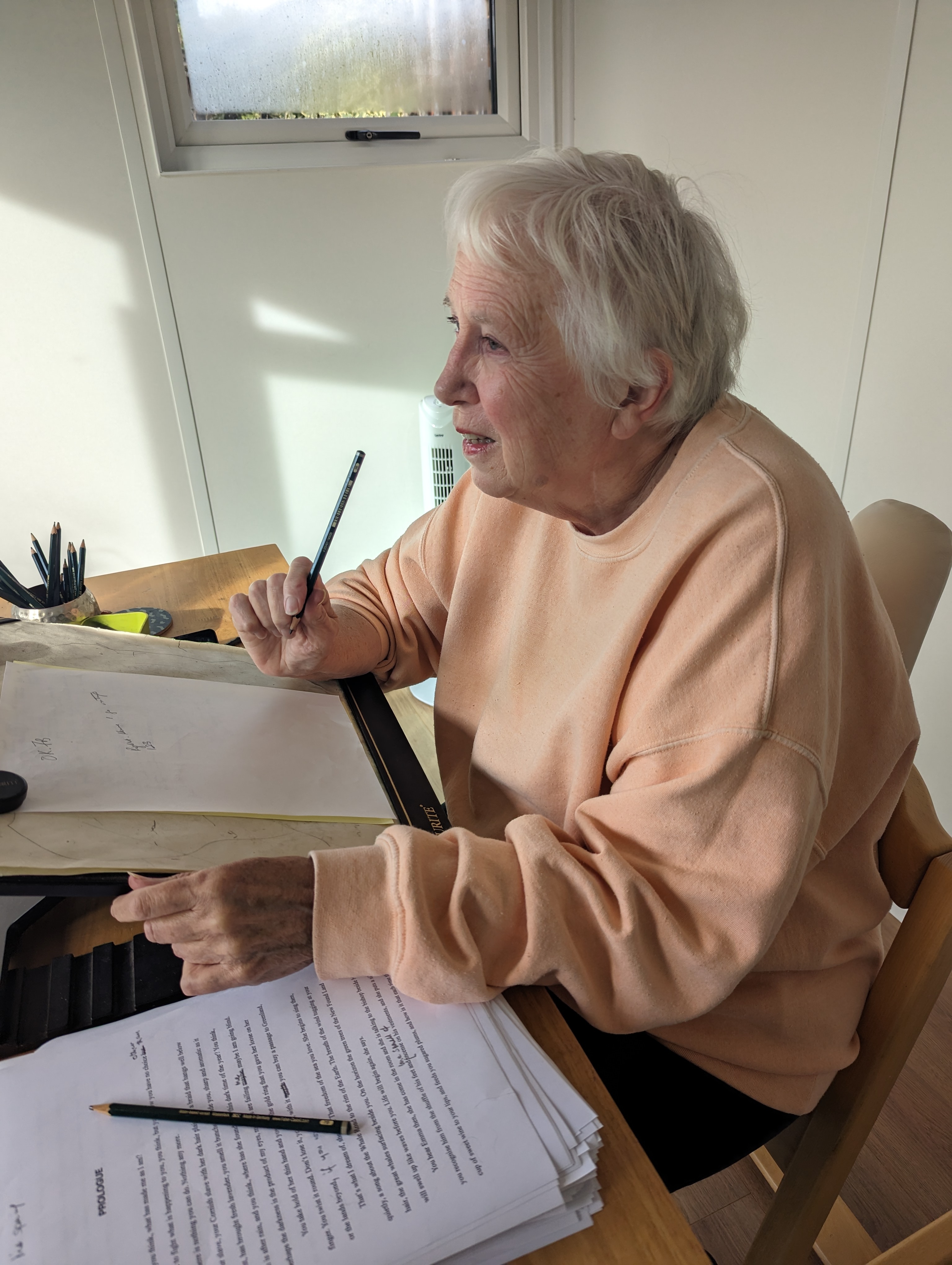
PXL_20231023_093942813

Welcome, Maggie,

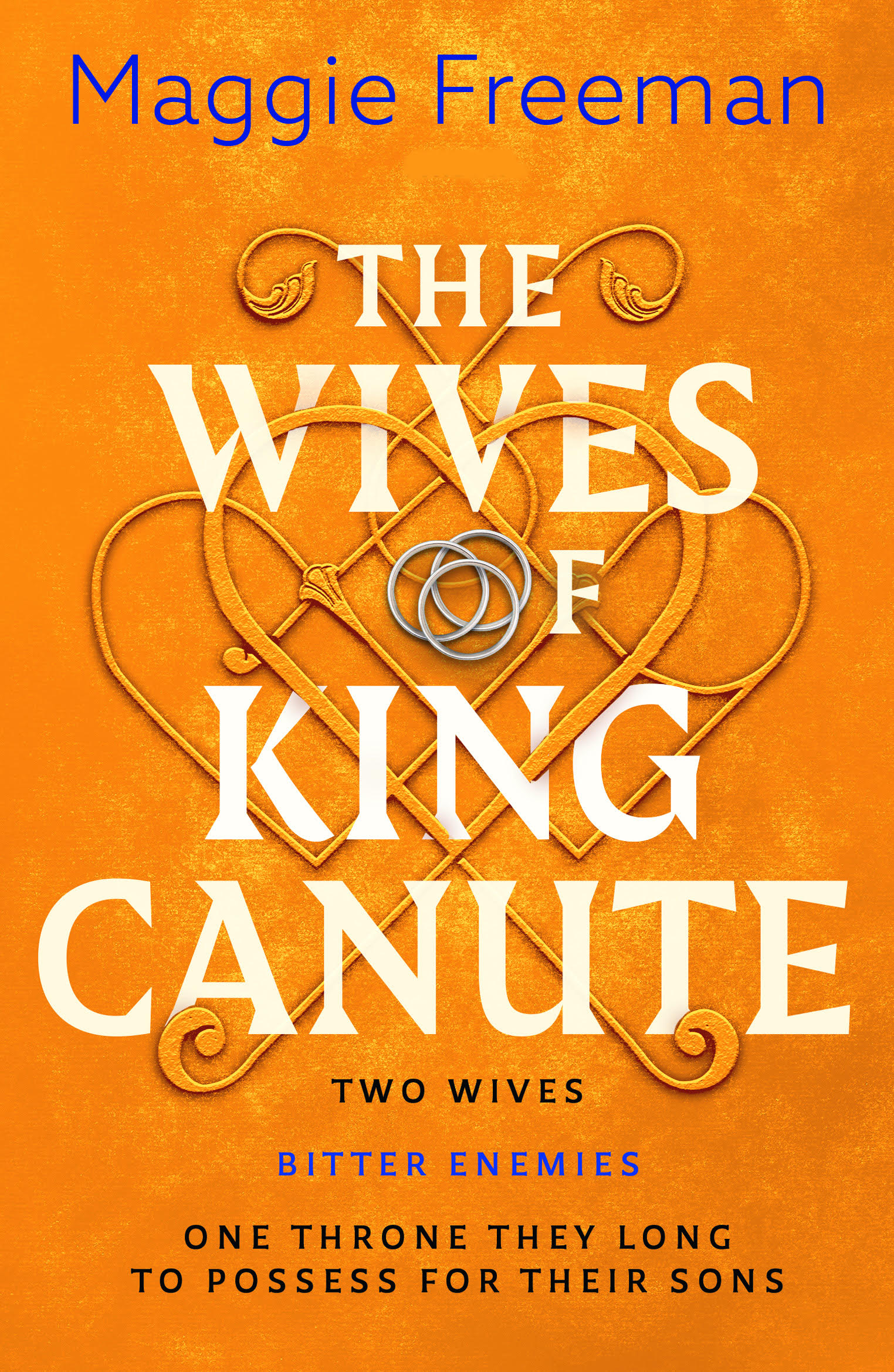
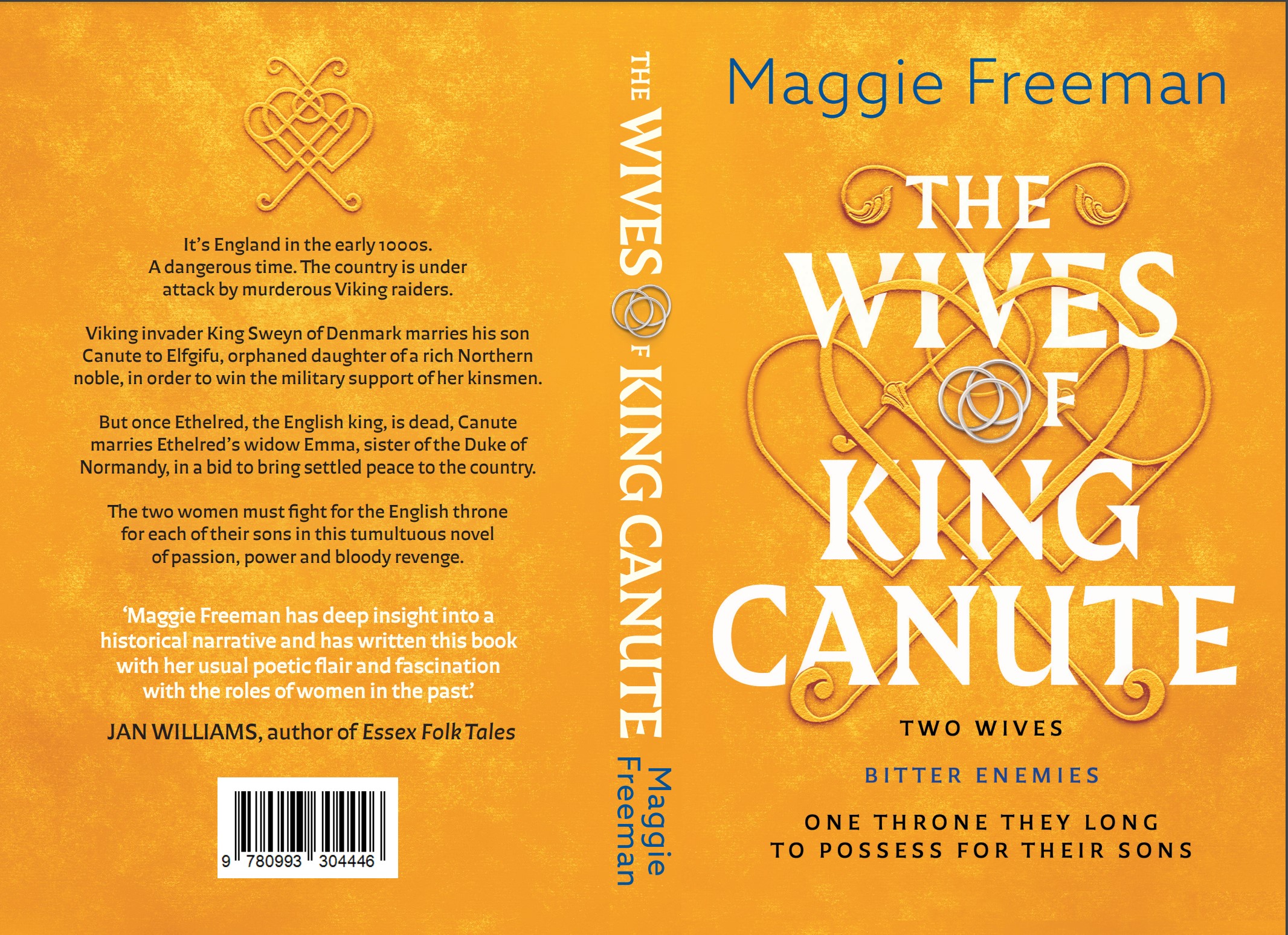
Let’s begin with your beautiful new novel, ‘The Wives of King Canute’.When did the inspiration for this amazing project strike?

‘The Wives of King Canute’ is a project that’s been a long time growing. My fascination with Vikings began when I was eleven, when in winter my mother would drive my sister and me to the Isle of Sheppey, and I’d walk along the sea-wall, looking out at the grey sea, and imagine, appearing over the horizon, the bright-sailed boats of the Vikings we were learning about at school. When I was married we’d stay every summer with my mother-in-law in the Isle of Man, with its many relics of its long-ago Viking rulers, from overgrown ship burials surrounded by wild flowers to castles poised on the rim of the sea.

            In 2014 I went to the amazing exhibition about Vikings at the British Museum, which rekindled my enthusiasm for them – very romantic figures in my imagination – and I began to read more about them. When I came across the story of King Canute’s two wives I thought that would be a good basis for a novel, with plenty of conflict.

Would you describe it as a labour of love?

Absolutely. First because of the subject matter, and secondly because I love writing.

How much of a personal challenge has it been from first completed draft to publication?

I’d nearly completed the first draft when we moved house, and then I had problems with my own and family illness – in other words, life took over from writing! Also I wasn’t sure what to do with it – I’d had five agents, none of whom had ever sold any of my work, so I didn’t want to go that route again. I hadn’t earned much from the digital publishers who’d published my three previous novels. So I spent a very long time dithering and doing nothing, tinkering with it now and again to make it as strong as I could. In the end I’ve decided to try self-publishing and see how that works.

              It’s quite likely I’d never have got round to publishing it if it hadn’t been for the enormous support, and pushing, I had from friends. I’m very grateful for that.
canute

Your previous novels have been set in different periods of history. If it was possible to travel back in time, is there a specific period you would like to visit?

If so, why?

Yes – the late Tudor period – provided I was fairly well off, of course! I’ve lived in Kent and Essex and have always loved visiting old houses, imagining what it was like to live there.

And that period seems so alive, full of excitement and new ideas, from explorers discovering unknown lands to amazing writers, such as Shakespeare and Donne.

The girl in the great house kindle

I love the idea of hibernating like the hazel dormouse as described on your website. Have you always had a love of nature and a poetic soul?

Yes, I’ve always had a love of nature. Till I was ten I lived in Trinidad and Tobago where my father managed a small coconut estate and my mother raised ducks and turkeys, so just about all I knew was the natural world. That’s where I feel most at home, and happiest,  now.

            I’m not quite sure what a poetic soul is – I certainly used to daydream a lot, and I do love writing poetry, most especially that set in the natural world.

Would it be an accurate statement to say that your protagonists are strong women who face and overcome many and varied harsh life challenges?

Yes. I find they’re very interesting to write about. And as a writer and a reader I’d never have much sympathy with a person whose life was very comfortable.

Daughter of the Sea kindle

How long do you spend researching a novel?

It depends on the demands of the novel. ‘The Wives of King Canute’ needed a lot of research because I didn’t know much about the period at all – only my romantic visions of Vikings! In it I used the historical timeline as the main structure of the plot. My novel ‘The Clock-mender’ didn’t need much research, because I knew its Swedish setting very well, and I had the seven-page account of what happened written by the man on whom the novel is based – the rest is mainly imagination. I don’t do all the research at the beginning. I like, for example, to go to relevant places to top up my experience – for example, one cold Christmas I went to Hampton Court Palace and watched Tudor dancers, which helped me write a scene in ‘‘The Girl in the Great House’. I hadn’t known when I started the novel that it was going to have that scene in it.

Is it the character, era, conflict or a random fact that triggers your imagination?

All four of them trigger my imagination. In ‘The Wives of King Canute’ it was the conflict between two women from very different backgrounds, but married to the same man, that intrigued me and got me thinking. At the same time I wanted to try writing a novel set in the Viking period.
9780993304446

Your own childhood in Trinidad and then Tobago must have been in stark contrast to life in the UK. Do you think that this experience influenced your work?

I was ten when I came to live in the UK. My childhood was for the most part very happy, but quite isolated, and life in the UK did feel very strange at first – just coping with socialisation in a large school, for example. This has influenced my work in that most of my protagonists are outsiders in some way.

How did you branch into writing for children?

I actually began by writing for children, writing stories for my two sons. When the younger one came home from primary school, I knew I was on the right lines if he wanted to read what I’d written that day before he attacked the biscuit tin. I went on to write primary literacy books, and was always concerned to make them as interesting as possible to children.

Do you think the market has changed drastically in your lifetime, or do you think that technology aside, children still just love a good story?

Children still love a good story. Just think of the success of the Harry Potter novels.

Version 1.0.0

What advice would you give your younger self regarding becoming an author?

Always finish what you start writing. I never did at first – just had dozens of beginnings. That’s how come I’ve finally published “The Wives of King Canute” nine years after first starting it! I hope you’ll read it and enjoy it.

I am really looking forward to reading The Wives of Canute which will be free on Kindle 23rd February to 25th.

Thank you for taking time out to discuss your fascinating career and latest work.

If you have enjoyed reading this interview or have any questions, please feel free to like and comment below.
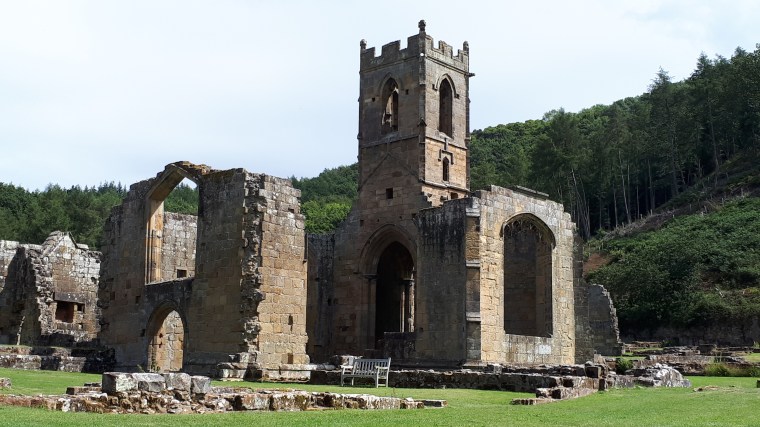
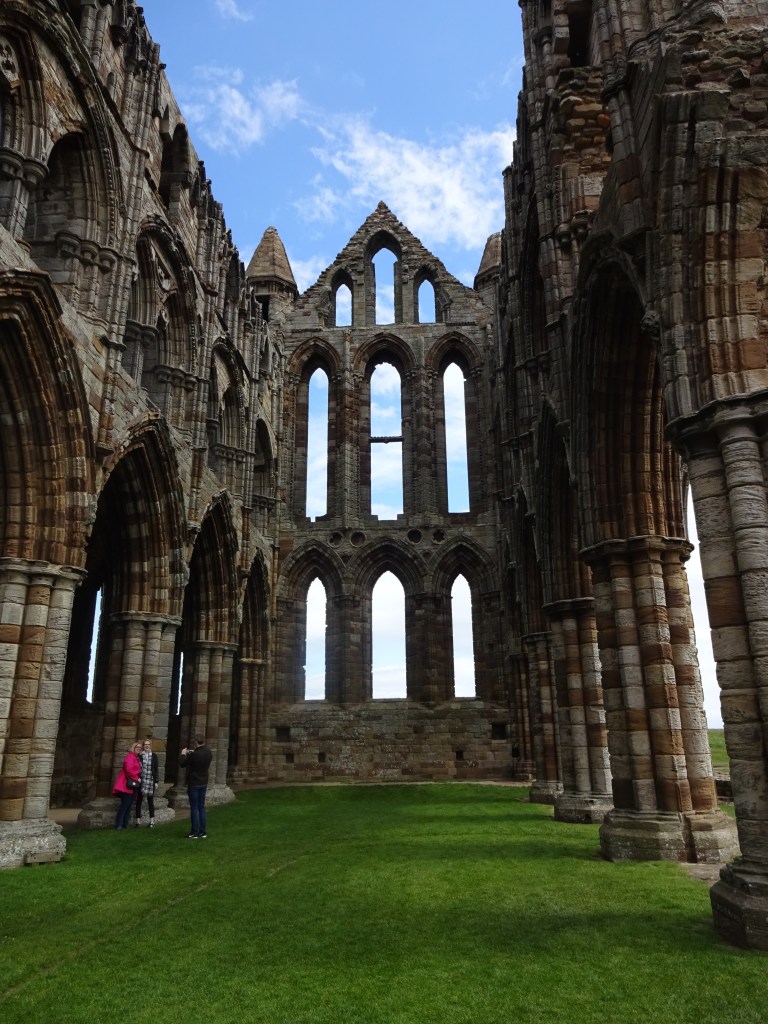
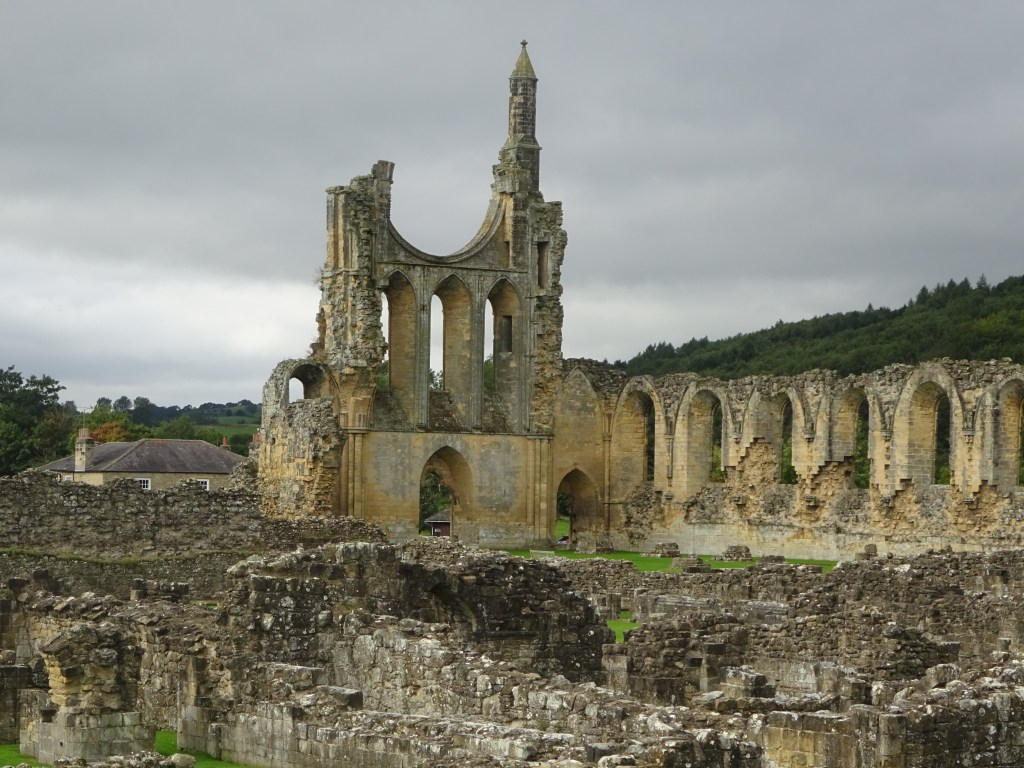
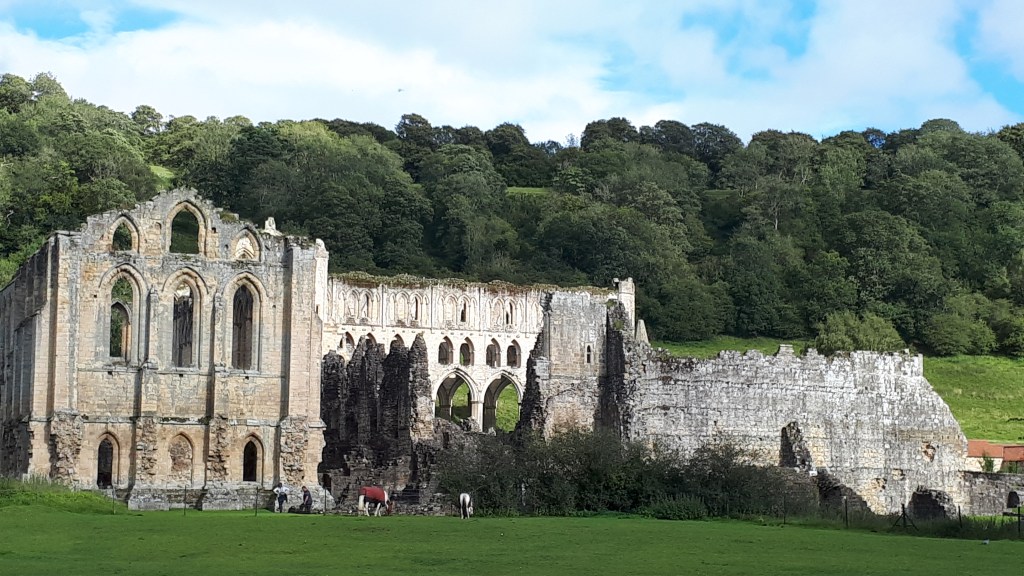
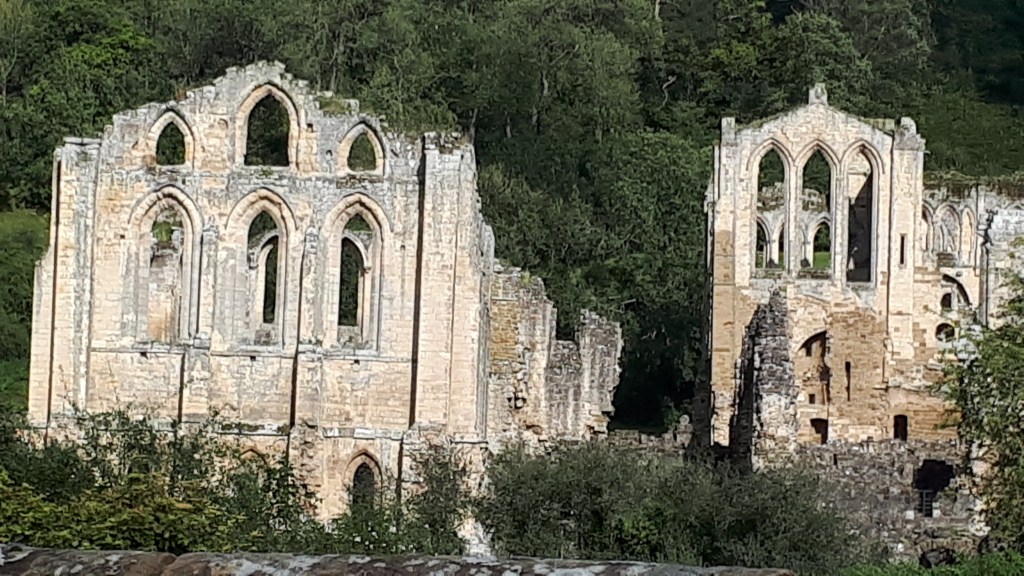
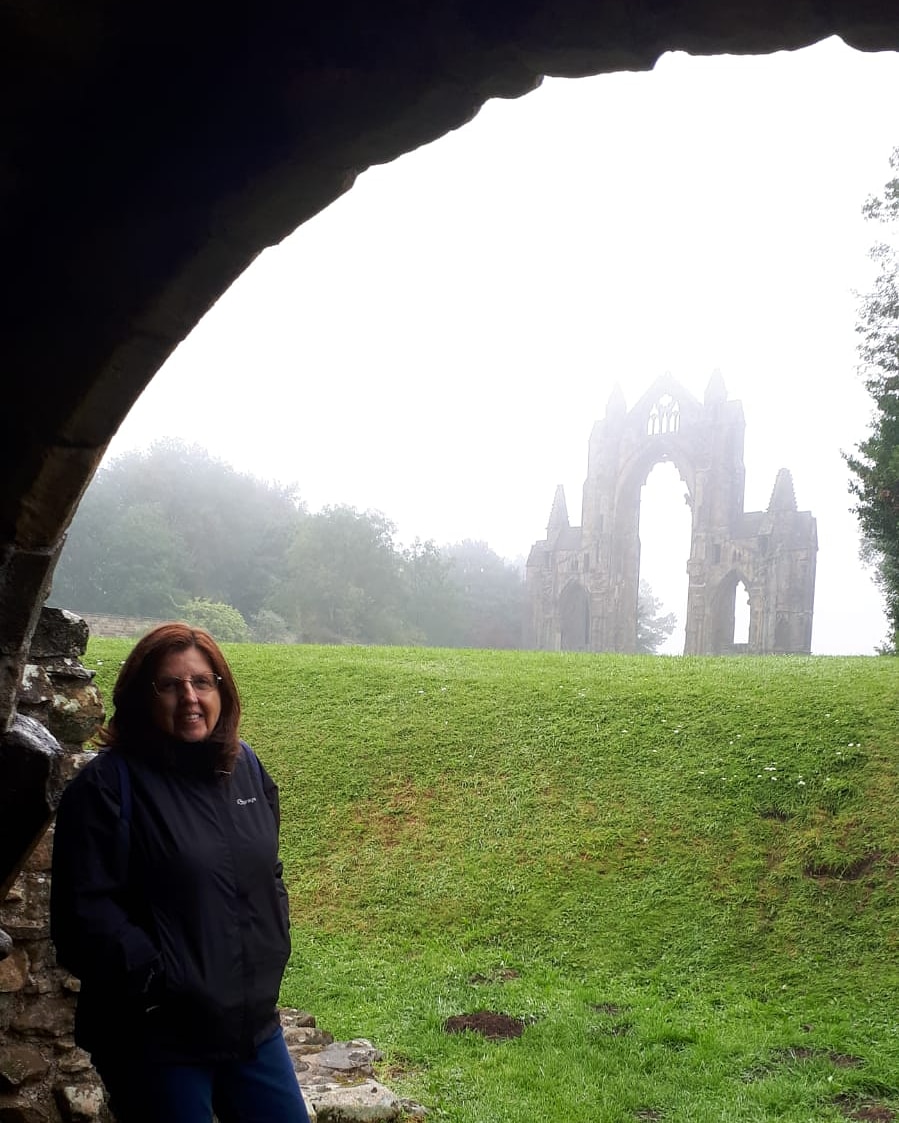
The beautiful abbey ruins of North Yorkshire… 

The beautiful abbey ruins of North Yorkshire 

Henry VIII is perhaps most infamously remembered for his treatment of his six wives. However, this king changed a nation by separating his country from the power of the Roman Catholic church and proclaiming himself head of the Church of England, in 1534.  Two years later the Reformation in England took a more profitable turn for Henry as a destructive and brutal phase began with the dissolution of the monasteries.  

North Yorkshire has many majestic reminders of the magnificent abbeys that once served and dominated local rural life: Rievaulx, Whitby, Fountains, Byland, Ampleforth and Mount Grace Priory to name a few. 

These are fascinating ‘places of interest’. They inspired many during the years they were inhabited and – in a non-pandemic year – are visited by many people now who soak in their history and sense of peace that their lovingly tended sites exude. 

Life in days gone by can be easily imagined; both harsh and cold and yet their lives encouraged selfless devotion whilst supporting their local community.   

Often constructed in beautiful rural surroundings of agricultural land, woods and moors. They would grow crops and raise animals to feed themselves and create profit from a trade, the land they owned and tenancies. The monasteries owned a quarter of the cultural land within the country – a vast wealth and Henry was a man who needed to fund his own lifestyle and wars. 

Their majestic ruins have influenced and inspired some of the scenes with in my novels such as Georgina’s escape in Betrayal, Beth’s and Willoughby’s earnest discussion under the arches of Whitby Abbey in To Love Honour and Obey or Wilson’s hiding place in Dead to Sin. 

Whitby Abbey

In my most recent novel ‘Betrayal’ Lydia Fletcher is part of a rescue of her friend within the grounds of one such building: 

 The monastery’s stone walls slowly emerged before her – a testament to their ancestors’      achievements and faith. This sanctified place once filled with holy praise, was now losing the fight against the ravages of time as they crumbled back to the earth. Encased within the lush undergrowth it had not been revered for centuries. 

In the novel the ruins are being used by a band of smugglers who dress as the monks of old to keep the superstitious locals away. 

Between the old arches of the ivy clad fallen parapets, moving smoothly through the distant mist, was the distinctive figure of a monk, the ghostly habit covered by a dark hooded cape. Kell looked to see what had caught Jeremiah’s attention.  

“Souls of monks, long gone… they got no truck with us… so dig!” he ordered. Kell stared at him. Both Lydia and Jeremiah watched the monk disappear once more into the forest. The boy’s mouth hung open as the shovel fell from his hand. 

The Pilgrimage of Grace in 1536 consisted of 30000 strong rebel army from the north demanding that the abbeys be reopened. They were promised a pardon and a parliament on York, but once they disbanded their leaders were executed. In 1539 the larger monasteries also fell. Those monks who would not conform were also executed. 

The abbeys were hugely important to the life of the people in the area. Their battered walls and fallen arches are now preserved for all to discover and admire. 

IMG_20210611_221742_609

Meet crime writer David Field!

20171103_135328

Having come from a career in criminal law, has the discipline of attention to detail and meticulous planning carried over to your writing career?

A court lawyer develops many skills, including the ability to double-guess what ‘the other side’ are going to come up with. The ability to get inside the mind of another is perhaps the greatest asset I developed which came in useful when I turned my mind to writing fiction.

When and where did you decide to change direction from dealing with criminals to
writing about crime?

I began writing as an ‘escape valve’ from the stresses of criminal practice long before I retired from it. Then my hobby became my full time activity.

Have you always been drawn to the certain periods of history in which you have based your series?

Like most students of school history I found the Tudor period of interest because of the colourful characters who stepped out of the otherwise dry pages. But my reading preference was for Dickens and Conan Doyle, so the late Victorian period beckoned, and most notably characters such as Jack the Ripper, who’d been covered so often in fiction that I had to find another angle. The female Ripper came naturally to mind, and ‘The Gaslight Stalker’ was born.

The-Gaslight-Stalker[1]


From post war Nottingham of your childhood you now have an extended family who live in New South Wales as you do? When did you make the life changing move from the UK to Australia and why?

I emigrated in 1989, for four reasons. I can list them as sun, surf, BBQs and Margaret Thatcher.

Which of your series has given you the greatest challenge to research and write and why?

Probably the Victorian one, for the reason so much was happening then, and finding a novel approach (no pun intended) was always a challenge.

The Tudor period has had a lot of books set within it. How have you achieved giving yours a unique approach or feel?

Back to earlier answers for this one. First of all, I was drawn to getting inside the heads of those monarchs about whom so much had already been written (e.g. how many times will a reader want to learn of Henry VIII’s lust for Anne Boleyn?). But I was first drawn towards Henry VII (‘Tudor Dawn’) and Cardinal Wolsey (‘The King’s Commoner’), because although their lives were pivotal to what followed, very few authors had thought them worthy of attention. Then it was a matter of seeing well known events from inside the heads of Jane Grey (‘The Uneasy Crown’), Mary Tudor and the young Elizabeth (‘The Queen in Waiting’), and finally Elizabeth in her own right (‘The Heart of a King’).

The Victorian period was one of many inventions in all aspects of life. How have you brought these into your Carlyle and West books to make your characters forward thinking for the time?

Following on from my fascination with Conan Doyle, I dreamed up a contemporary of his (Dr Carlyle) who would also have studied under Dr James Bell and acquired the same observational detective skills as Sherlock Holmes, who was based on Bell. Then I threw in the late Victorian obsession with Spiritualism, and the flourishing of Methodism, to give literary birth to the devout and naive Matthew West as a perfect foil for the scientific and experimental Carlyle.

Would you ever consider writing a series or a standalone novel based upon the early history of New South Wales?

I already have! There is a quartet of novels that cover four generations of the same family, from a convict guard on the First Fleet to a schoolteacher who becomes associated with Ned Kelly.
They are on a long list of my novels awaiting publication by Sapere.

Who has inspired you in your life and in your writing career?

As a criminal lawyer, I had a lifelong admiration of Norman Birkett. In a literary context I’ve already mentioned Dickens and Conan Doyle. Throw in Ken Follett and Hilary Mantel and you have the set.

How have you kept mentally and physically fit during the recent pandemics and
lockdown – or has it been more or less life a normal for you?

Like most full time writers with the luxury of being in retirement mode, nothing has changed except that my son and grandchildren live in an adjoining State whose borders have been either closed completely or made very difficult to cross. We haven’t seen them since January.

What is next for David Field?

Back to the beginning. I started writing for my own amusement, but after proving that I can get published (16 times and rising!) I’m back to writing what grabs me rather than simply for a publisher. I’ve always been fascinated by the ‘supernatural’, and I’m now into my second novel about a ‘Ghost Whisperer’ who can not only see and talk with ghosts, but sets about remedying the disorder that has led to the haunting, thereby ‘exorcising’ the problem for grateful and wealthy clients.

51K5bJnrq1L[1]

Catching up: Sapere Books 1 year on!

logo-1-circle_filled

Congratulations to Amy, Caoimhe and Richard on there first birthday as Sapere Books.

Amy has taken time out of her busy schedule to share some of the events that have happened in this amazing first year.

Since we last caught up in March 2018, a lot has happened at Sapere Books! We now have over 40 authors who have joined the Sapere family, and we have published lots of fabulous novels in our first year.

The genres we were looking for initially are thriving: crime fiction; historical fiction and romantic fiction are all very popular with our readers, and books in a series do particularly well for us. We are just about to publish in a genre we haven’t tried yet: military ‘action and adventure’ fiction, and we are preparing to launch titles in that genre by this time next year, including a Vietnam combat series and Tudor-era naval fiction.

Us with Catherine 2

The team with the winner of The Sapere Books Popular Romantic Fiction Award, Catherine Isaac

One of the most exciting announcements for us in our first year is our sponsorship of two excellent writing awards. In March we sponsored a new award for 2019 from the Romantic Novelists’ Association: The Sapere Books Popular Romantic Fiction Award. The shortlist was very strong and the winner was Catherine Isaac for her wonderful novel YOU ME EVERYTHING. We are also the new sponsors of the Crime Writers’ Association Historical Dagger Award. The shortlist will be announced at CrimeFest in May and I can’t wait to read them all! We are also currently interviewing for our first full-time staff member, which is very exciting, so we should have a new Editorial Assistant to introduce to our authors soon!

Many of the authors we signed up before our launch are working on new projects with us, as they are thrilled with reader feedback and the wonderful work Caoimhe has been doing marketing our books: we regularly feature on Amazon’s best-seller lists, and have been getting Kindle deals world-wide, from the US to Australia – and even India!

We don’t anticipate growing our list hugely in the next year, as we already have so many amazing books scheduled for release, but we will continue to support our Sapere family and we hope all of our authors will continue working with us for many years to come!

party
Happy Birthday Sapere Books!


The Gothic beauty of York Minster

The beautiful medieval York Minster, with its great Gothic towers stands out as you approach the ancient city that has held an important place in British history for centuries.

This Christian place of worship is actually ‘The Cathedral and Metropolitan church of St Peter in York’ but it is loved and known both locally and afar as ‘The Minister’. It is no wonder that it has stood the test of time as it was started in 1220 but was not completed until 1472.

The term ‘Minster’ has come down through time from its original ‘monasterium’ through the Saxon spelling ‘mynster’ to its present day form. It was a place where missionaries sent by Pope Gregory sent priests to convert the pagan Saxons in the late C6.

Under the building its history is lovingly preserved as it houses the ancient centre of the ancient Roman fortress, The Basilica. The very first Christian church on the site has been traced back to the C7 with the Pope recognizing the first Archbishop of York in AD 732. It is, and has been a very important centre of Christianity representing the church in the north of the country.

It has survived an arson attack in 1829 and more recently in 1984 a lightning strike destroyed the roof in the south transept. Fortunately the nearby River Ouse provided a plentiful supply of water for the powerful jets to send it high enough to save the beautiful building’s stained glass windows some of which dates back 800 years.

This is more than a historical building is more than just an amazing piece of architecture. It is a time capsule to a very interesting past in a city of many layers. Today it is still a place of worship with a busy Diocese.

When Abigail walks through its doors she does so to throw her pursuers off her trail. In Regency times this building would appear as a monument of stunning proportions to a young woman who had not travelled far, even from a modest North Yorkshire manor house. York had many timber Tudor style buildings then which would have made it stand out even more.

If you pass through York, stay awhile and explore its interiors from the amazing C15 Great East Window, 15th century, which is claimed to be the largest expanse of medieval stained glass in the world to the amazing ceiling of the nave, the courtyard or the towers.

It is certainly worth staying a while and exploring its depth. If you go in February you can even meet The Vikings!

dscn0283