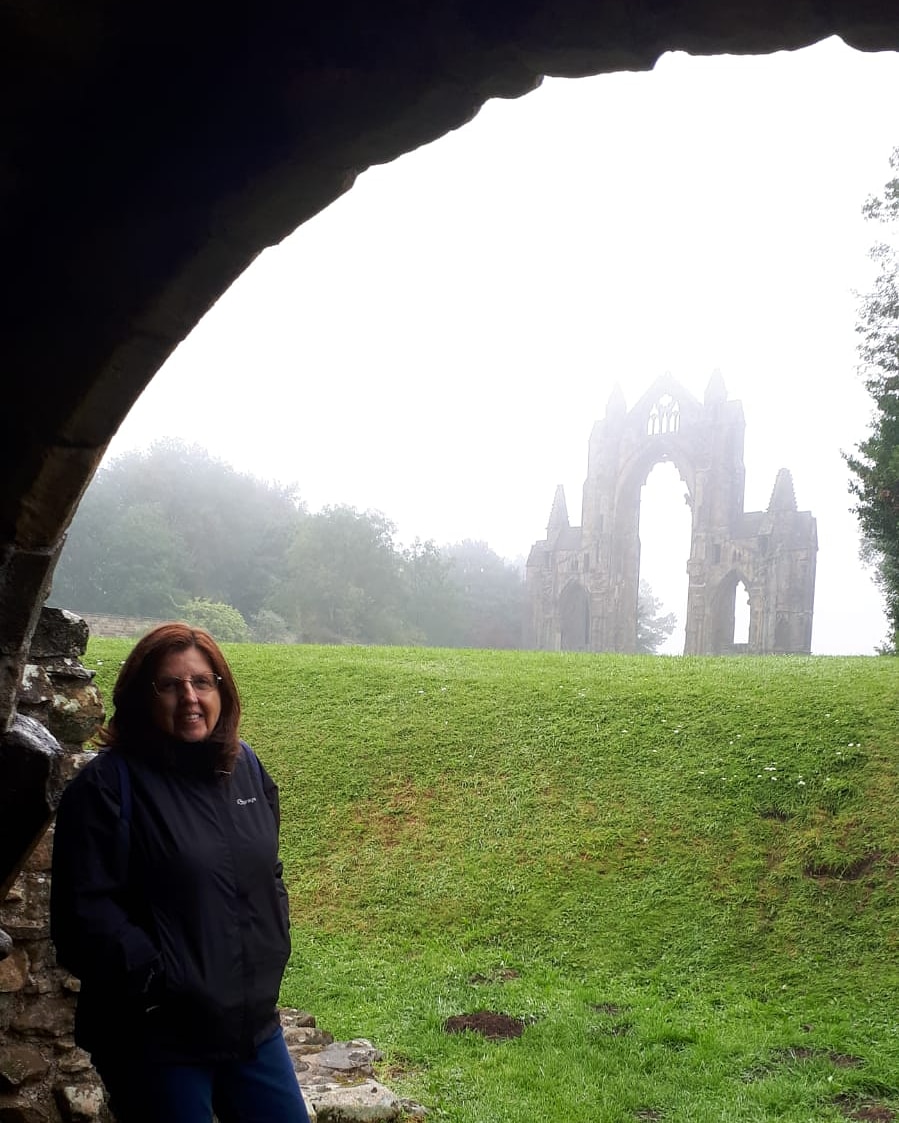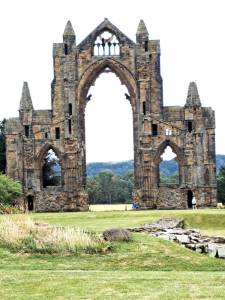
Explore the Timeless Beauty of Gisborough Priory

Gisborough Priory  is cared for by English Heritage and a local charity, Gisborough Priory Project. Its peaceful presence situated on the edge of the busy market town of Guisborough (that is not a typo, the two names are different) offers an escape into a tranquil space.

The priory’s name originates from the Old Norse origin, whereas the town’s name derives from the Domesday book entry – the town of ‘Gighesbore’.
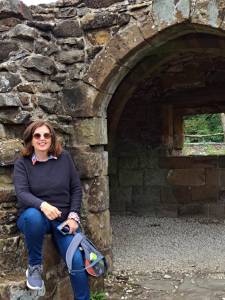
Stepping inside the well-tended grounds is like entering a timeless sanctuary that has been lovingly preserved, providing a place of peace and reflection. I was surprised and delighted that this free-to-enter space is obviously a much used and cared for relic from the past, yet it is accessible to travellers today.

The Augustinian priory of St Mary the Virgin was founded by Robert de Brus in 1119. Its success led to the establishment of Guisborough as a thriving market town. In 1540 the dissolution of the monasteries under Henry VIII’s reign ended the priory’s power and control.

In my novels and novellas I created the fictitious towns of Gorebeck and Beckton, which were strongly influenced by such beautiful Yorkshire market towns as Guisborough. In the period when the Napoleonic Wars (1803-1815) raged overseas taking many menfolk to enlist for the King’s shilling and also to serve in HMS Navy, either by choice or pressgang, the lives of their families and loved ones were deeply affected back home. Trade was disrupted, taxes were high leading to smuggling – which was rife in the area, the costs of farming and grain rose, and of course men were away at war. Unrest, fear and tough times would be the reality for the many, whilst the landed gentry and ‘new money’ were still the relatively few who thrived in the country.

My stories reflect some of the issues of the day and the struggles that a country in the midst of war and social, industrial and religious change faced.

In Silent Revenge, Lord Farrington, a returning officer for Lord Wellington is asked by the Home Office to gather intelligence on local insurgents, lest uprisings happen in England like they did in France.

Goods, legal and contraband were brought to market vis such ancient routes as The Quaker’s Causeway, an ancient trod dating back to monastic times when Gisborough Priory was connected to Commondale.

“Parthena looked at her and decided to tell the truth — almost. “I walked over the old trods from Gorebeck to Beckton. I was at the Abbey School as a child and crossed the moors when the supplies were taken to market. I’d remembered it from back then. The school does not exist now, but the trods have existed for centuries.”

Parthena’s story is told in For Richer, For Poorer, published by @SapereBooks as part of The Yorkshire Saga Series

Book 2 http://getbook.at/ForRicher
Continue reading “Explore the Timeless Beauty of Gisborough Priory”

The beautiful abbey ruins of North Yorkshire… 

The beautiful abbey ruins of North Yorkshire 

Henry VIII is perhaps most infamously remembered for his treatment of his six wives. However, this king changed a nation by separating his country from the power of the Roman Catholic church and proclaiming himself head of the Church of England, in 1534.  Two years later the Reformation in England took a more profitable turn for Henry as a destructive and brutal phase began with the dissolution of the monasteries.  

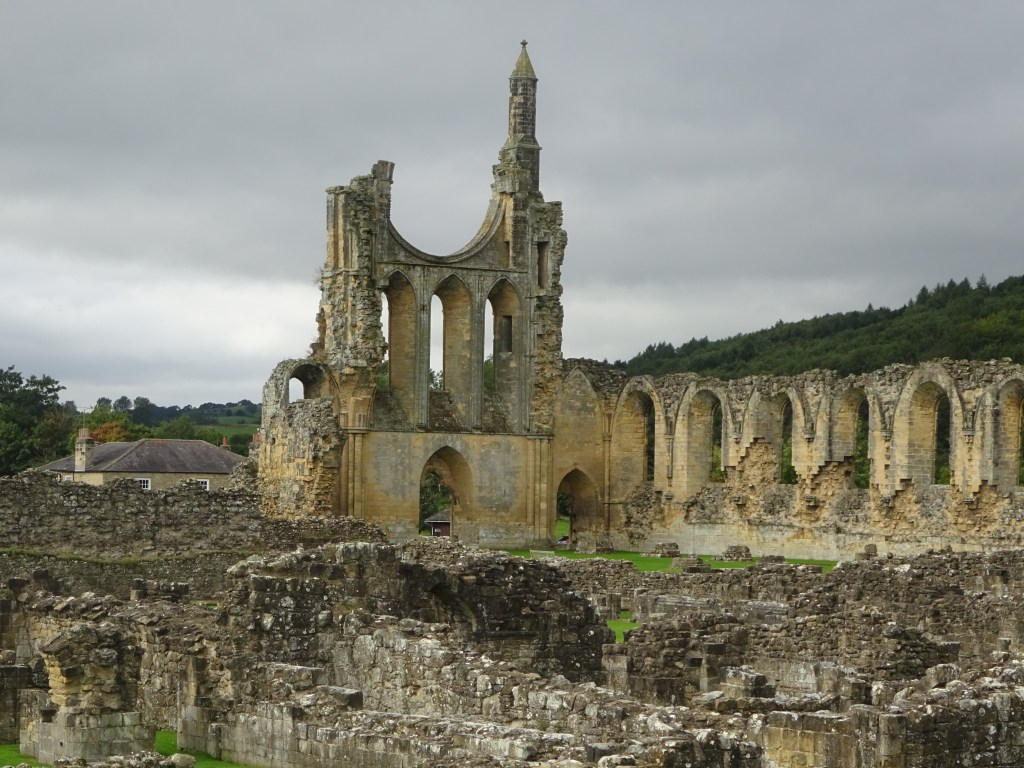
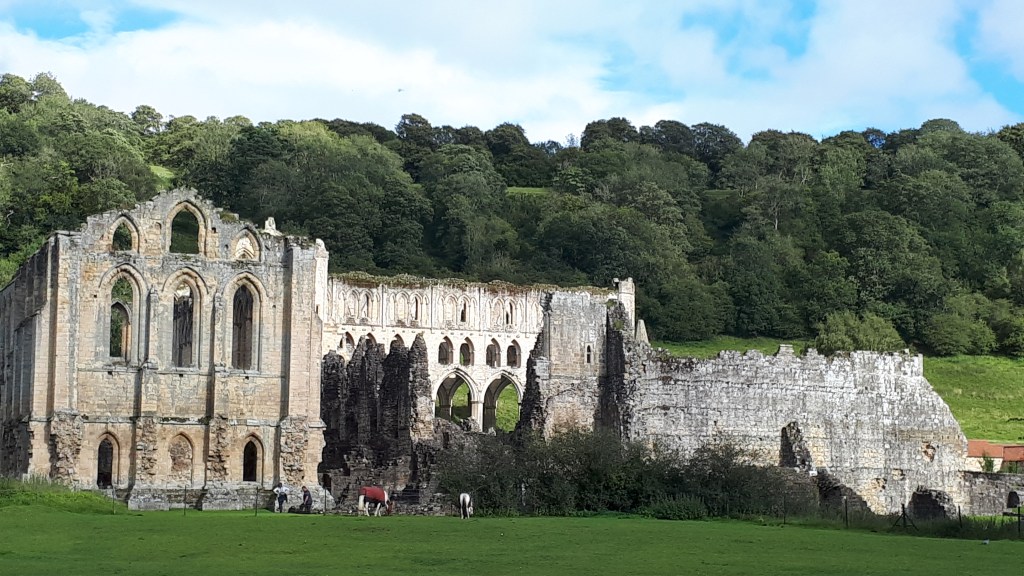
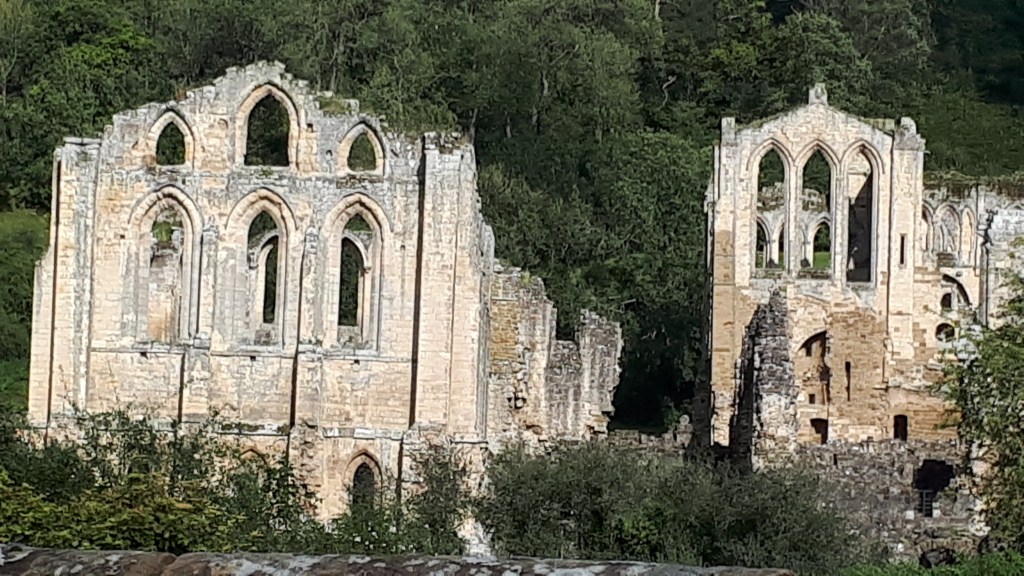
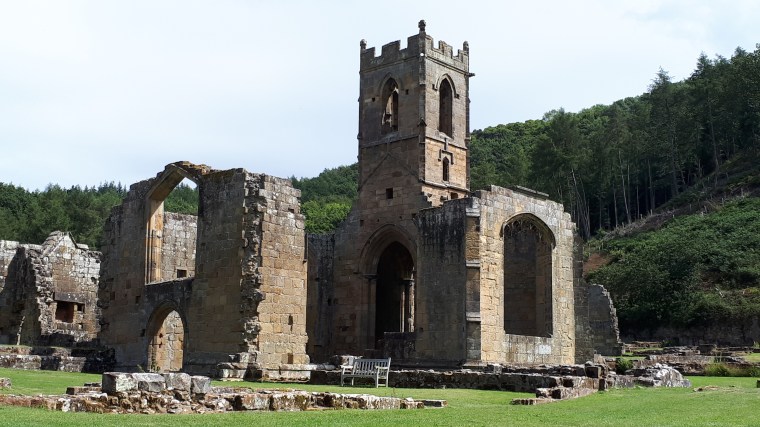
North Yorkshire has many majestic reminders of the magnificent abbeys that once served and dominated local rural life: Rievaulx, Whitby, Fountains, Byland, Ampleforth and Mount Grace Priory to name a few. 

These are fascinating ‘places of interest’. They inspired many during the years they were inhabited and – in a non-pandemic year – are visited by many people now who soak in their history and sense of peace that their lovingly tended sites exude. 

Life in days gone by can be easily imagined; both harsh and cold and yet their lives encouraged selfless devotion whilst supporting their local community.   

Often constructed in beautiful rural surroundings of agricultural land, woods and moors. They would grow crops and raise animals to feed themselves and create profit from a trade, the land they owned and tenancies. The monasteries owned a quarter of the cultural land within the country – a vast wealth and Henry was a man who needed to fund his own lifestyle and wars. 

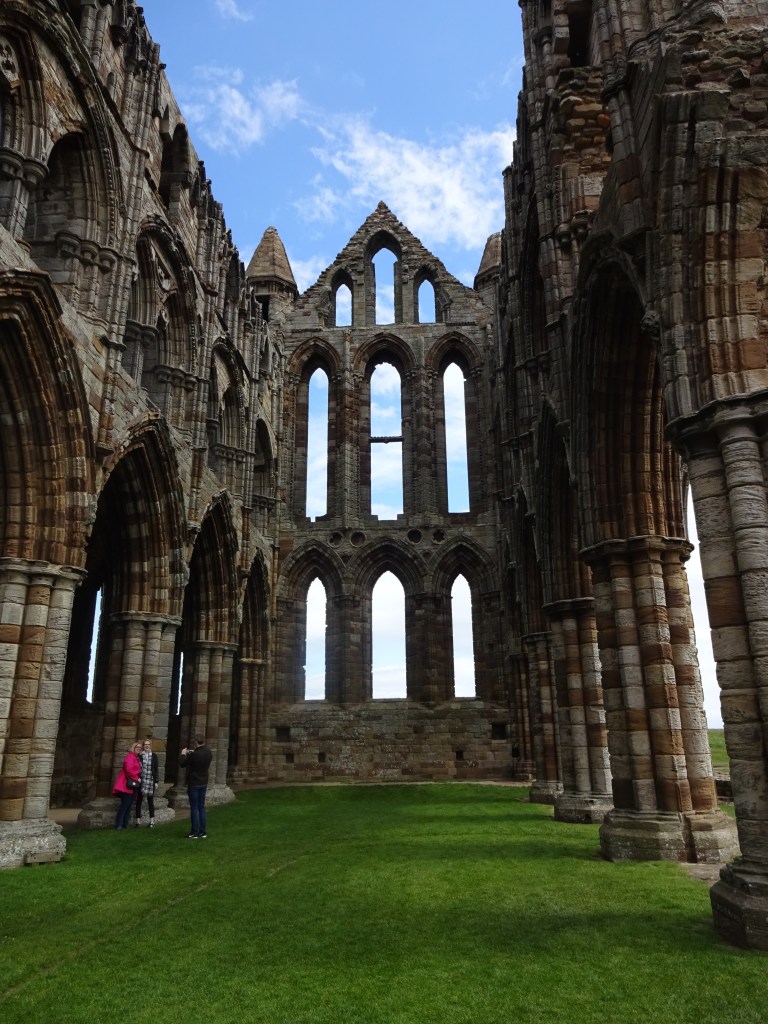
Their majestic ruins have influenced and inspired some of the scenes with in my novels such as Georgina’s escape in Betrayal, Beth’s and Willoughby’s earnest discussion under the arches of Whitby Abbey in To Love Honour and Obey or Wilson’s hiding place in Dead to Sin. 

Whitby Abbey

In my most recent novel ‘Betrayal’ Lydia Fletcher is part of a rescue of her friend within the grounds of one such building: 

 The monastery’s stone walls slowly emerged before her – a testament to their ancestors’      achievements and faith. This sanctified place once filled with holy praise, was now losing the fight against the ravages of time as they crumbled back to the earth. Encased within the lush undergrowth it had not been revered for centuries. 

In the novel the ruins are being used by a band of smugglers who dress as the monks of old to keep the superstitious locals away. 

Between the old arches of the ivy clad fallen parapets, moving smoothly through the distant mist, was the distinctive figure of a monk, the ghostly habit covered by a dark hooded cape. Kell looked to see what had caught Jeremiah’s attention.  

“Souls of monks, long gone… they got no truck with us… so dig!” he ordered. Kell stared at him. Both Lydia and Jeremiah watched the monk disappear once more into the forest. The boy’s mouth hung open as the shovel fell from his hand. 

The Pilgrimage of Grace in 1536 consisted of 30000 strong rebel army from the north demanding that the abbeys be reopened. They were promised a pardon and a parliament on York, but once they disbanded their leaders were executed. In 1539 the larger monasteries also fell. Those monks who would not conform were also executed. 

The abbeys were hugely important to the life of the people in the area. Their battered walls and fallen arches are now preserved for all to discover and admire. 

IMG_20210611_221742_609